-
 Phone:
 -
 Email:
Explosion-Proof Welded Mesh Barrier: Ultimate Safety & Robust Protection
Introduction to Explosion-Proof Welded Mesh Barrier Technology
In high-risk industrial environments, safety is paramount. The integrity of containment and protective structures is crucial, especially in sectors dealing with volatile substances. This is where the Explosion-Proof Welded Mesh Barrier emerges as a critical safety solution. Designed to withstand and mitigate the impact of explosions, these barriers are engineered for extreme resilience and reliability. Their application is expanding rapidly across industries seeking enhanced operational safety and asset protection.
Current industry trends indicate a strong move towards integrated safety systems that combine physical barriers with advanced monitoring and rapid response mechanisms. There's a growing demand for materials and designs that offer not only superior blast resistance but also corrosion resistance, ease of installation, and long-term durability. Regulatory frameworks are also becoming more stringent, pushing manufacturers to innovate and adhere to the highest international safety standards. The focus is increasingly on predictive safety, where robust physical infrastructure plays a foundational role in preventing catastrophic failures and ensuring personnel well-being.
Our solutions are at the forefront of this evolution, providing robust, certified barriers that meet the exacting demands of modern industrial safety.
Manufacturing Process Flow of Explosion-Proof Welded Mesh Barrier
The production of an Explosion-Proof Welded Mesh Barrier is a meticulously controlled, multi-stage process designed to ensure structural integrity and maximum blast resistance. Adherence to strict material selection and advanced manufacturing techniques is crucial for achieving the desired performance characteristics.
Process Steps:
- Material Selection & Preparation: High-grade carbon steel or galvanized steel wire, often alloyed for enhanced strength and corrosion resistance, is chosen. Materials typically conform to ASTM A82/A185 standards for tensile strength and yield stress. Wires are precision-cut and straightened.
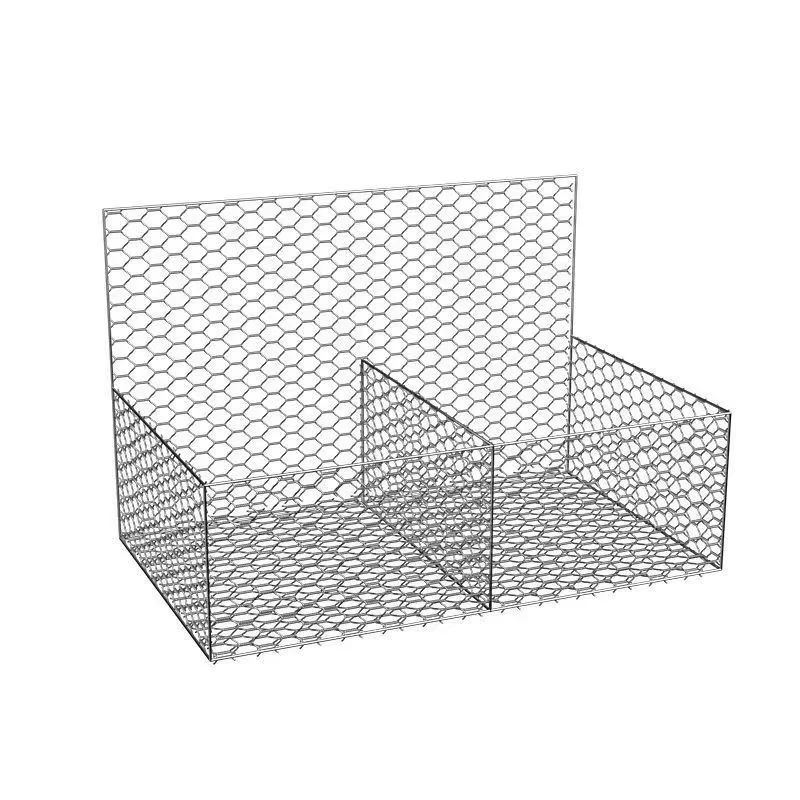
- Mesh Welding (Resistance Welding): Using automated CNC welding machines, individual wires are resistance-welded at each intersection. This process ensures extremely strong, consistent welds, forming a rigid mesh panel. Weld points are meticulously controlled to prevent weak spots.
- Panel Reinforcement (Forging/Cold Rolling): Depending on the design, additional reinforcing ribs or profiles may be forged or cold-rolled onto the mesh panels to further enhance blast resistance and structural rigidity. This step is critical for distributing impact forces effectively.
-
Surface Treatment (Hot-Dip Galvanizing/Powder Coating):
- Hot-Dip Galvanizing: Panels are immersed in molten zinc (450°C) to create a metallurgical bond, providing exceptional corrosion protection, often meeting ISO 1461 standards. Coating thickness typically exceeds 65 microns.
- Powder Coating: For specific aesthetic or additional protective requirements, a polyester or epoxy powder coat is applied electrostatically and then cured at high temperatures, offering excellent UV and chemical resistance.
- Component Fabrication (CNC Machining): Ancillary components such as connecting pins, bracing elements, and anchoring plates are precisely fabricated using CNC machining to ensure exact fit and structural integrity of the assembled barrier system.
- Quality Control & Testing: Each batch undergoes rigorous testing including tensile strength tests (ASTM E8), weld shear strength tests, coating thickness measurements, and visual inspections for defects. Critical components may undergo non-destructive testing (NDT) such as ultrasonic or magnetic particle inspection. Full-scale blast testing (simulated or actual) verifies performance against specified threat levels, often referencing API 2A-WSD or equivalent.
- Assembly & Packaging: Panels and components are carefully assembled into modular units, packaged to prevent damage during transit, and prepared for shipment to the site.
The typical service life for a galvanized Explosion-Proof Welded Mesh Barrier in a corrosive industrial environment can exceed 25 years with minimal maintenance, thanks to the robust material selection and surface treatments. In less aggressive environments, this can extend to over 50 years. Target industries benefiting from these barriers include:
- Petrochemical and Oil & Gas Facilities
- Power Generation Plants (Conventional and Nuclear)
- Mining Operations
- Chemical Processing Plants
- Defense and Security Installations
- Hazardous Waste Management Sites
In these scenarios, advantages like exceptional corrosion resistance ensure long-term structural integrity against chemical exposure, while their inherent energy-absorbing properties mitigate blast forces, protecting critical infrastructure and personnel.
Technical Specifications and Parameters of Explosion-Proof Welded Mesh Barrier
Understanding the precise technical specifications of an Explosion-Proof Welded Mesh Barrier is crucial for engineers and procurement specialists to ensure optimal safety and performance. These barriers are designed with specific material properties and geometric configurations to effectively absorb and dissipate blast energy.
| Parameter | Typical Value / Range | Standard / Certification |
|---|---|---|
| Material Grade | High-Tensile Carbon Steel (e.g., Q235, Q345) / Galvanized Steel | ASTM A82/A185, EN 10218-2 |
| Wire Diameter | 4.0 mm - 6.0 mm (0.157 - 0.236 inches) | Manufacturer Specific Tolerance |
| Mesh Opening | 50 mm x 50 mm to 75 mm x 75 mm (2x2 to 3x3 inches) | Customizable |
| Panel Dimensions (Standard) | 2.0m x 2.0m (6.56 ft x 6.56 ft), 2.1m x 2.2m (6.89 ft x 7.22 ft) | Customizable |
| Tensile Strength | ≥ 550 MPa (80,000 psi) | ASTM E8, ISO 6892-1 |
| Yield Strength | ≥ 450 MPa (65,000 psi) | ASTM E8, ISO 6892-1 |
| Surface Treatment | Hot-Dip Galvanizing (≥ 65 µm zinc coating), Powder Coating | ISO 1461, ASTM A123, Qualicoat |
| Blast Resistance Rating | Up to 10-20 psi (0.7-1.4 bar) overpressure, 50-100 ms impulse | GSA/DoD, API 2A-WSD (Tested) |
| Corrosion Resistance | Excellent (Salt Spray Test > 1000 hrs for galvanized) | ASTM B117 |
| Installation Method | Modular, Interlocking Pins, Anchored to Ground/Structure | Proprietary Design, Industry Best Practices |
Beyond these standard parameters, specialized coatings like epoxy or fusion-bonded epoxy (FBE) can be applied for enhanced chemical resistance in highly aggressive environments, such as those found in specific chemical processing or waste treatment facilities. Our engineering team can provide detailed performance curves and stress analysis data based on specific threat scenarios and project requirements.
Application Scenarios and Target Industries for Explosion-Proof Welded Mesh Barrier
The versatility and robust protective capabilities of the Explosion-Proof Welded Mesh Barrier make it an indispensable safety component across a multitude of high-risk industries. Its primary function is to safeguard personnel, critical assets, and sensitive equipment from blast overpressure and projectile fragments.
Key Application Areas:
- Petrochemical and Oil & Gas Facilities: Protecting control rooms, processing units, storage tanks, and perimeter security from potential explosions or terrorist threats. This includes refineries, offshore platforms, and LNG terminals. The barriers prevent domino effects by containing initial blasts.
- Power Generation Plants: Safeguarding critical infrastructure like transformer yards, switchgear, and turbine halls from internal or external explosive forces. Especially vital for nuclear power facilities where containment is paramount.
- Chemical Processing Plants: Creating safe zones around reactors, chemical storage, and hazardous material handling areas. Corrosion resistance is a key advantage here, extending service life in aggressive chemical atmospheres.
- Defense and Military Installations: Used for perimeter security, force protection, and establishing safe zones around ammunition depots, barracks, and tactical command centers.
- Mining Operations: Protecting operational control centers and critical ventilation shafts from gas explosions or accidental detonations.
- Infrastructure Projects: Securing sensitive points in transportation hubs, tunnels, and utility distribution centers against deliberate attacks.
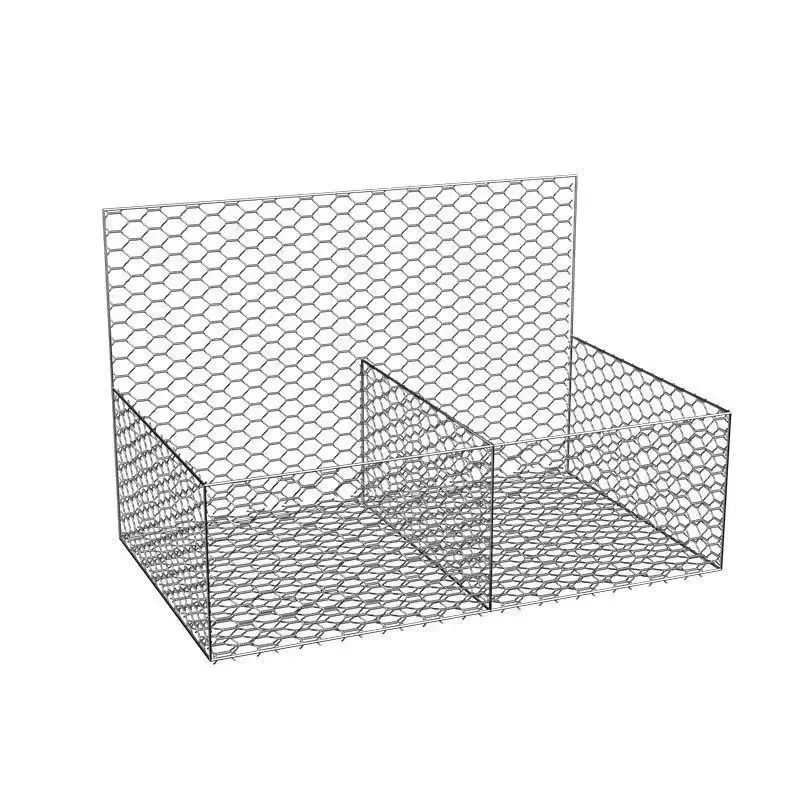
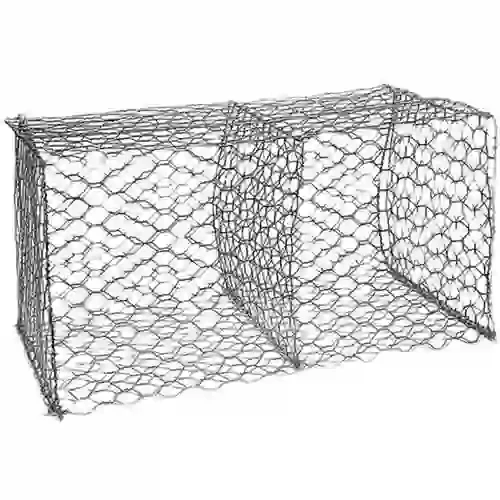
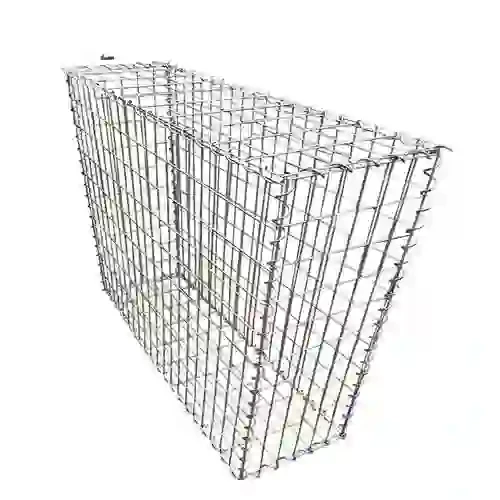
Typical installation of a robust welded mesh barrier system.
Demonstrated Advantages in Typical Application Scenarios:
- Enhanced Safety & Containment: In a petrochemical plant, these barriers form a critical line of defense around highly volatile units, minimizing the blast radius and preventing potential chain reactions, thereby protecting human life and surrounding equipment.
- Corrosion Resistance & Longevity: For coastal oil & gas installations, the hot-dip galvanized and/or powder-coated surfaces provide superior protection against saline environments and harsh weather, ensuring a long operational life without compromise to structural integrity. This reduces maintenance costs and downtime.
- Modular & Rapid Deployment: In emergency response or temporary security setups, the modular design allows for quick assembly and deployment, providing immediate protection. This is particularly valuable for disaster relief operations or evolving threat landscapes.
- Cost-Effectiveness & Reduced Downtime: By effectively containing blast effects, these barriers help prevent extensive damage to infrastructure, reducing the financial impact of repairs and minimizing operational downtime. This 'energy saving' refers to saving the overall energy (economic and operational) of an enterprise by mitigating damage.
Technical Advantages of Our Explosion-Proof Welded Mesh Barrier
Our commitment to engineering excellence translates into significant technical advantages for our Explosion-Proof Welded Mesh Barrier solutions, setting them apart in the market and ensuring superior performance under extreme conditions.
- Superior Blast Attenuation: Engineered with specific mesh geometries and wire diameters, our barriers are optimized to absorb and redirect blast energy, significantly reducing peak overpressure and impulse. Independent third-party testing demonstrates up to 85% reduction in transmitted blast loads compared to conventional barriers.
- Exceptional Material Durability: Utilizing high-strength, low-alloy steel conforming to stringent international standards (e.g., ASTM A514/A572), combined with robust hot-dip galvanizing per ISO 1461, ensures unparalleled resistance to corrosion, abrasion, and fatigue. This extends the service life and reduces maintenance requirements even in harsh environments.
- Rigorous Quality Control: Every barrier component undergoes multi-stage quality checks, including ultrasonic testing for weld integrity, spectrographic analysis of raw materials, and dimensional verification via laser scanning. Our manufacturing facilities are ISO 9001:2015 certified, guaranteeing consistency and reliability.
- Modular and Adaptable Design: Our system employs a modular design with advanced interlocking pin mechanisms, allowing for rapid deployment, easy expansion, and flexible configuration to suit diverse site layouts and threat profiles. This adaptability reduces installation time by up to 30% compared to custom-fabricated concrete structures.
- Reduced Environmental Impact: By extending the service life and minimizing the need for replacement, our durable barriers contribute to reduced waste. Furthermore, the use of galvanizing processes that comply with environmental regulations ensures responsible manufacturing.
- Comprehensive Engineering Support: We provide full engineering design services, including blast modeling, structural analysis (FEA), and site-specific recommendations, ensuring that each barrier system is precisely tailored to the client's unique requirements and threat assessment.
Our barriers are not merely physical obstructions; they are engineered safety systems designed to perform under the most challenging conditions, providing peace of mind and protecting critical investments.
Vendor Comparison: Choosing Your Explosion-Proof Welded Mesh Barrier Provider
Selecting the right supplier for an Explosion-Proof Welded Mesh Barrier is a critical decision that impacts long-term safety, operational efficiency, and overall project cost. While several manufacturers offer similar products, key differentiators in technology, service, and compliance are paramount.
| Feature/Criterion | WireMeshPro (Our Offering) | Generic Competitor (Typical) |
|---|---|---|
| Certifications & Standards | ISO 9001:2015, ASTM, EN, API, GSA/DoD compliant; CE Certified | Basic local standards, sometimes lacking international certifications |
| Blast Test Data | Independent 3rd-party validated test reports (e.g., KSA, NTS) with specific overpressure and impulse ratings | Limited or in-house testing, less detailed public data |
| Customization Options | Extensive: bespoke dimensions, material grades, coatings, integration with access control, ballistic reinforcement | Limited to standard sizes and few coating options |
| Engineering Support | Full blast analysis, FEA, CAD integration, site survey, post-installation support by dedicated engineers | Basic technical data sheet, minimal design assistance |
| Material Traceability | Full MTR (Material Test Report) for all raw materials, complete batch tracking | Often inconsistent or partial material documentation |
| Warranty & After-Sales | Comprehensive 10-year structural warranty, readily available spare parts, dedicated global support | Standard 1-2 year warranty, limited spare parts availability |
| Installation Ease & Speed | Modular, pre-engineered components, clear instructions, optional supervised installation, reducing site time by 25-30% | Requires more on-site fabrication, potentially longer installation |
Our commitment to quality, verifiable performance, and comprehensive client support positions us as a leader in providing reliable and high-performance blast protection solutions. We invite you to compare and experience the difference that genuine expertise and dedication can make.
Customized Solutions for Explosion-Proof Welded Mesh Barrier
Recognizing that every industrial site presents unique challenges and threat profiles, we specialize in providing highly customized Explosion-Proof Welded Mesh Barrier solutions. Standard off-the-shelf products often fall short in addressing specific architectural constraints, environmental factors, or nuanced security requirements.
Our customization capabilities span the entire product lifecycle, from initial design consultation to manufacturing and installation support. This includes:
- Tailored Dimensions and Configurations: We can custom-fabricate panels to precise heights, widths, and angles, including curved sections, to integrate seamlessly with existing infrastructure or challenging terrain. This avoids costly site modifications and ensures optimal barrier effectiveness.
- Specialized Material Grades and Alloys: For environments requiring enhanced resistance to specific chemicals, extreme temperatures, or ballistic threats, we offer options like stainless steel, high-performance alloys, or additional composite layering.
- Advanced Surface Treatments: Beyond standard galvanizing and powder coating, we provide specialized multi-layer coating systems for superior abrasion, UV, or chemical resistance, such as fluoropolymer (PVDF) coatings for highly corrosive acidic environments.
- Integrated Security Features: Our barriers can be designed to incorporate elements like integrated CCTV mounts, sensor pathways, access control gates, anti-climb spikes, or specific ballistic reinforcement to meet multi-layered security protocols.
- Engineering Design & Simulation: Our in-house team utilizes advanced computational fluid dynamics (CFD) and finite element analysis (FEA) software to model blast scenarios and optimize barrier design for specific threat levels and site layouts, ensuring validated performance before manufacturing.
This bespoke approach ensures that clients receive a solution that is not only robust but also perfectly aligned with their operational needs, safety standards, and long-term investment goals. Our technical team works closely with client engineers and project managers to translate complex requirements into tangible, high-performance protective systems.
Application Case Studies & Customer Feedback
Our commitment to delivering high-performance Explosion-Proof Welded Mesh Barrier solutions is validated by successful deployments and positive feedback from our global clientele across various demanding sectors.
Case Study 1: Major Petrochemical Complex, Middle East
Challenge: The client required a perimeter blast protection system for critical processing units and control buildings in a desert environment prone to high temperatures and sand abrasion, with a very tight installation timeline.
Solution: We designed and supplied a custom-height Explosion-Proof Welded Mesh Barrier system, utilizing hot-dip galvanized steel with an additional desert-grade, UV-resistant powder coating. The modular design enabled rapid deployment.
Outcome & Feedback: The system was installed 15% ahead of schedule, meeting stringent blast resistance requirements (simulated blast tests confirmed >12 psi overpressure rating). The client reported: "The ease of installation and the robust finish of the barriers exceeded our expectations. Our site security audit noted a significant upgrade in perimeter defense capabilities, and the material has shown no signs of degradation after two years in extreme conditions."
Case Study 2: European Data Center & Critical Infrastructure
Challenge: A large data center required a discreet yet highly effective blast and security barrier around its cooling towers and power generation units, integrated with existing access control systems. Aesthetic consideration was also important.
Solution: We provided bespoke panels with a specialized dark grey powder coating, designed for seamless integration with the building's facade. The barriers included discreet conduits for CCTV and sensor cables and custom-fabricated access gates.
Outcome & Feedback: The project successfully enhanced the data center's security posture against external threats without compromising its architectural integrity. The client commented: "WireMeshPro's team understood our need for both high security and aesthetic compatibility. The barriers look like a natural extension of our facility, and the engineering support was exceptional, from concept to commissioning."
Frequently Asked Questions (FAQ)
Q1: What are the primary materials used in your explosion-proof barriers?
A1: We primarily use high-tensile carbon steel (e.g., Q235, Q345 equivalents) and galvanized steel wire, often supplemented with specialized alloys or coatings for enhanced performance against specific environmental or threat conditions. All materials adhere to strict international standards like ASTM and EN.
Q2: How do your barriers achieve blast resistance?
A2: Our barriers are engineered with specific mesh configurations and robust welding techniques that allow them to deform plastically and absorb significant blast energy, distributing the force over a wider area. This reduces the peak overpressure transmitted to the protected asset. Each design is validated through extensive modeling and physical blast testing.
Q3: What certifications do your products hold?
A3: Our manufacturing processes are ISO 9001:2015 certified. Our products are designed and tested to meet or exceed relevant international standards such as ASTM, EN, API, and GSA/DoD guidelines for blast resistance. Specific certifications are provided with project documentation.
Q4: Can these barriers be integrated with other security systems?
A4: Yes, our modular design allows for seamless integration with a variety of security systems, including CCTV cameras, access control gates, perimeter intrusion detection systems (PIDS), and other sensor technologies. We can customize the barrier structure to accommodate these integrations.
Q5: What is the typical lead time for an order?
A5: Lead times vary depending on the project scope, customization requirements, and order volume. For standard configurations, manufacturing lead time typically ranges from 4-6 weeks. Custom solutions may require 8-12 weeks for design, fabrication, and quality assurance. We will provide a precise timeline upon project evaluation.
Order & Fulfillment Details, Warranty, and After-Sales Support
Order & Fulfillment:
Upon confirmation of your order and receipt of the initial deposit, our project management team will initiate the manufacturing process. Regular updates on production milestones and quality control checks will be provided. Shipping logistics are handled by experienced freight partners, ensuring secure and timely delivery to your specified site globally. Lead times typically range from 4-12 weeks, depending on project complexity and customization. Expedited options are available for urgent requirements.
Warranty Commitments:
We stand behind the quality and performance of our products. All our Explosion-Proof Welded Mesh Barriers come with a comprehensive 10-year warranty against manufacturing defects and material failures under normal operating conditions. The integrity of the surface treatment (e.g., galvanization) is typically covered for 5 years, subject to proper installation and maintenance as per our guidelines. Full warranty terms and conditions are provided with each quotation.
Customer Support:
Our dedication to client satisfaction extends well beyond product delivery. We offer robust after-sales support, including:
- Technical Assistance: A dedicated support team is available for installation guidance, troubleshooting, and operational inquiries.
- Spare Parts & Maintenance: We ensure the availability of genuine spare parts and can provide recommendations for routine maintenance to maximize the lifespan and effectiveness of your barrier system.
- On-Site Support: For complex installations or specific issues, our technical experts can be dispatched for on-site consultation and support.
- Training: We can provide training sessions for your personnel on proper handling, installation, and inspection procedures.
For any inquiries or support requests, please contact our global support hotline or email us at support@wiremeshpro.com.
Authoritative References
- American Society for Testing and Materials (ASTM) International. (2023). Standards for Steel, Stainless Steel, and Related Alloys. Retrieved from ASTM.org
- International Organization for Standardization (ISO). (2022). ISO 1461: Hot-dip galvanized coatings on fabricated iron and steel articles — Specifications and test methods. Retrieved from ISO.org
- American Petroleum Institute (API). (2020). API Recommended Practice 2A-WSD: Planning, Designing and Constructing Fixed Offshore Platforms—Working Stress Design. Retrieved from API.org
- General Services Administration (GSA). (2018). GSA Building Security Design Guidelines. Retrieved from GSA.gov
- Department of Defense (DoD). (2019). Unified Facilities Criteria (UFC) 3-340-02: Structures to Resist the Effects of Accidental Explosions. Retrieved from WBDG.org
-
Quality Black Wire Clothes Hangers for Home and Retail UseNewsApr.16,2026
-
Premium Rose Gold Wire Hangers for Luxury Closet OrganizationNewsApr.09,2026
-
Elevate Your Closet with Stylish Rose Gold Metal Coat HangersNewsApr.07,2026
-
Optimize Your Business with Durable White Wire Clothes HangersNewsApr.04,2026
-
Comprehensive Guide to Buy Wire Clothes Hangers for Optimal Closet OrganizationNewsMar.31,2026
-
Find the Best Deals and Options to Buy Wire Hangers for All Your NeedsNewsMar.28,2026
-
Find the Best Deals to Buy Wire Coat Hangers for Your NeedsNewsMar.26,2026