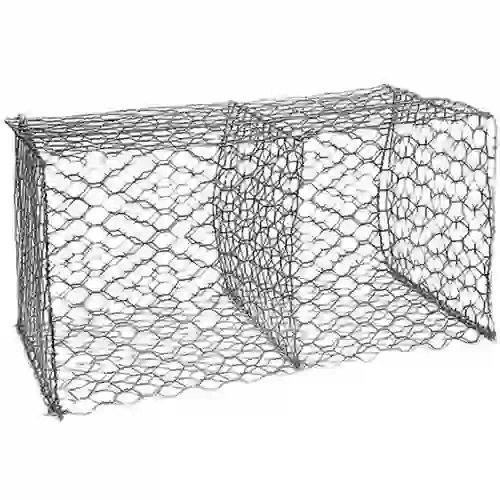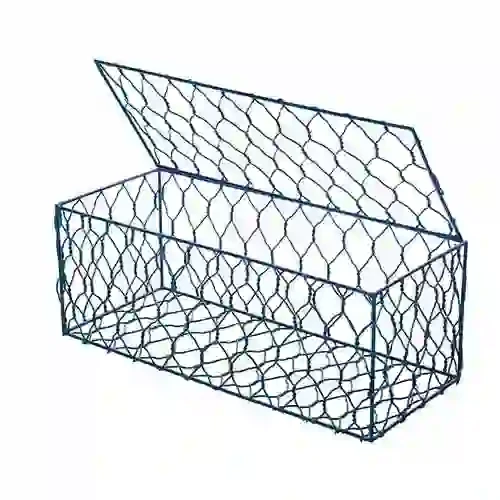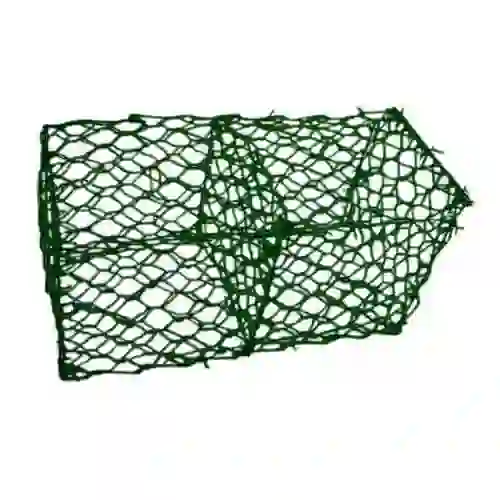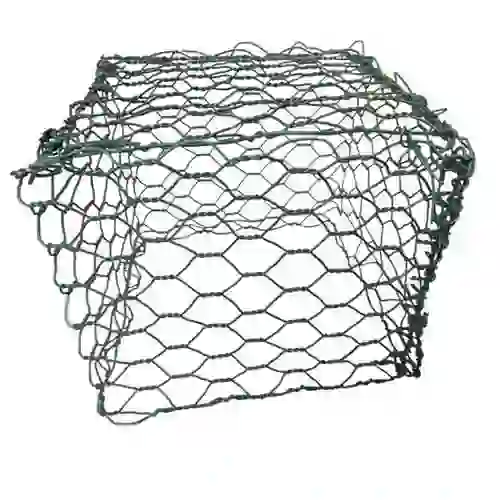
-
 Phone:
 -
 Email:
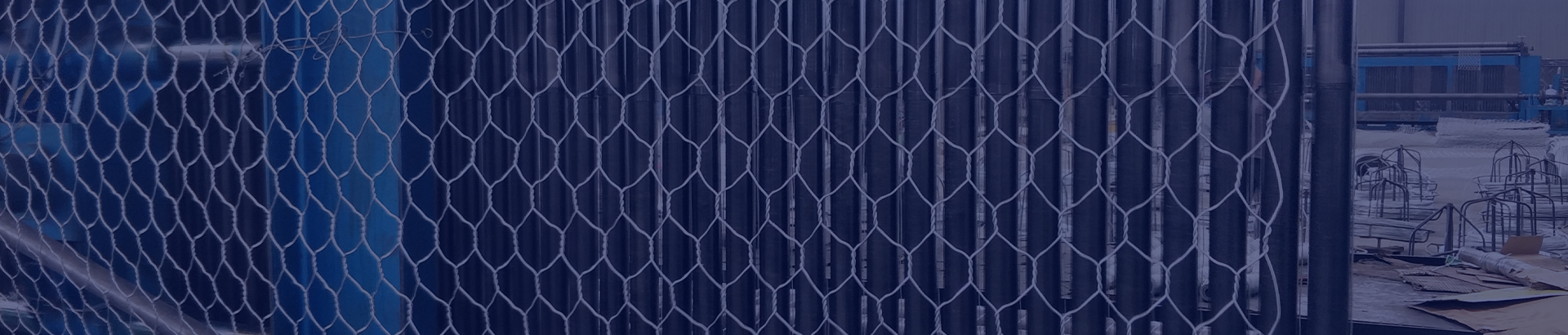
Rockfall Net: Ultimate Slope Protection & Safety
The Imperative of Modern Rockfall Protection Solutions
In an era of expanding infrastructure and increasing climatic volatility, the integrity of slopes and the safety of transportation corridors are paramount. Unstable rock formations pose significant threats, leading to costly damage, operational disruptions, and, critically, risks to human life. Engineered solutions for managing these hazards have evolved dramatically, with high-performance rockfall net systems emerging as a cornerstone of modern geotechnical engineering. These advanced systems provide effective, durable, and adaptable protection against the dynamic forces of rockfalls and debris flows, ensuring long-term stability and security for critical assets across diverse terrains and climates.
This comprehensive guide delves into the technical intricacies, application versatility, and strategic advantages of contemporary rockfall net technology. We will explore the latest industry trends, detailed manufacturing processes, essential technical specifications, and real-world application scenarios. Furthermore, we will assess vendor capabilities, highlight the benefits of customized solutions, and present compelling case studies that underscore the effectiveness and reliability of these vital safety measures. Our aim is to provide B2B decision-makers and engineering professionals with the knowledge required to make informed choices in safeguarding their projects and communities.
Industry Trends Shaping Rockfall Protection
The landscape of rockfall protection is continuously evolving, driven by several key factors. Global infrastructure development, particularly in challenging mountainous regions, necessitates robust and resilient solutions. Concurrently, the impact of climate change, manifesting in increased rainfall intensity and freeze-thaw cycles, exacerbates slope instability, demanding more proactive and higher-performance protective measures.
- Advanced Material Science: There is a growing emphasis on high-tensile steel alloys and advanced corrosion-resistant coatings (e.g., Galfan, PVC encapsulation) to extend the service life of rockfall net systems in aggressive environments, reducing lifecycle costs and maintenance.
- Integrated Sensor Technologies: The integration of monitoring systems with rockfall barriers and draping solutions is gaining traction. These systems provide real-time data on rock movement, mesh deformation, and impact events, enabling predictive maintenance and immediate response capabilities.
- Sustainable and Aesthetically Pleasing Solutions: Environmental stewardship is a major concern. Designs that minimize ecological footprint, allow for natural revegetation (e.g., green-faced rock netting slope protection), and blend seamlessly with the natural landscape are increasingly preferred, especially in sensitive areas.
- Hybrid Systems: The convergence of passive (draping, barriers) and active (soil nailing, anchoring) rockfall protection methods into hybrid systems offers optimized performance for complex geotechnical challenges. This approach leverages the strengths of multiple techniques for superior stability and risk mitigation.
- Higher Energy Absorption: The demand for systems capable of absorbing greater impact energies from larger and faster-moving rocks is rising. This drives innovation in mesh design, anchor systems, and energy dissipation components within barrier systems.
These trends collectively point towards a future where rockfall protection is not merely a reactive measure but an integral, intelligent, and sustainable component of infrastructure planning and geological hazard management.
The Manufacturing Process of Advanced Rockfall Net Systems
The production of high-quality rockfall net and rock fall netting systems involves a meticulous, multi-stage manufacturing process designed to ensure structural integrity, durability, and consistent performance under extreme conditions. Emphasis is placed on material selection, precise engineering, and rigorous quality control.
Key Materials and Their Properties:
- High-Tensile Steel Wire: The foundation of most rockfall netting is high-strength carbon steel wire, known for its excellent tensile strength and ductility, crucial for absorbing kinetic energy from impacts.
- Corrosion Protection:
- Hot-Dip Galvanization: A zinc coating applied to the steel wire provides cathodic and barrier protection against rust, significantly extending service life in outdoor environments. Typical coating weights are per ASTM A975 or EN 10223-3.
- Galfan (Zinc-Aluminum Alloy) Coating: An advanced coating (typically 95% Zinc, 5% Aluminum, Mischmetal) offering superior corrosion resistance, often 2-3 times that of standard galvanization, particularly in acidic or marine conditions.
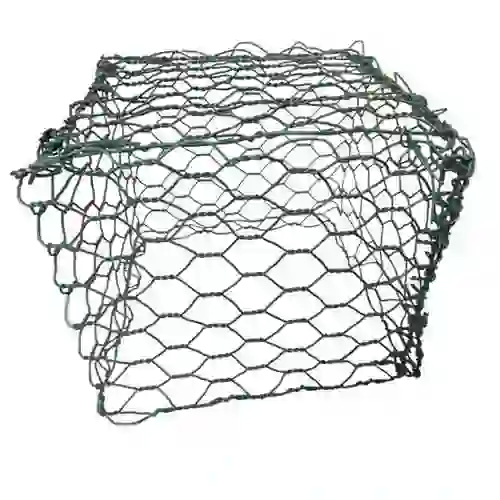
- PVC (Polyvinyl Chloride) Coating: An additional polymeric layer applied over galvanized or Galfan wire, providing enhanced protection against abrasion, UV radiation, and highly corrosive atmospheres. It also offers aesthetic benefits for sensitive landscapes.
Manufacturing Process Flow (Schematic Steps):
- Wire Drawing and Pre-treatment: High-carbon steel rods are drawn through dies to achieve precise wire diameters (typically 2.0mm to 4.0mm). Wires then undergo rigorous cleaning and pickling processes to prepare their surfaces for coating adhesion.
- Corrosion Protection Application: The cleaned wires are then subjected to hot-dip galvanization or Galfan coating. For PVC-coated products, the galvanized/Galfan wire is subsequently passed through a PVC extrusion line, where a durable polymer layer is bonded to its surface.
-
Mesh Weaving/Knitting:
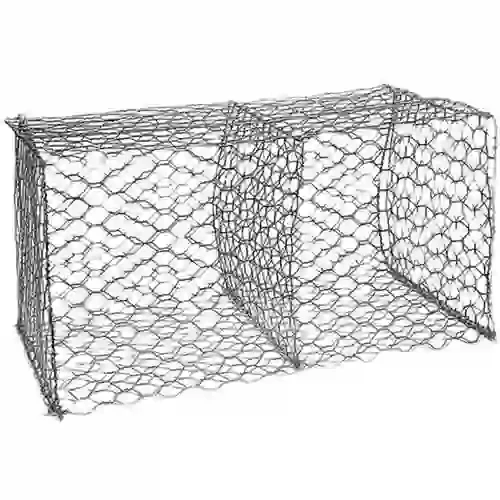
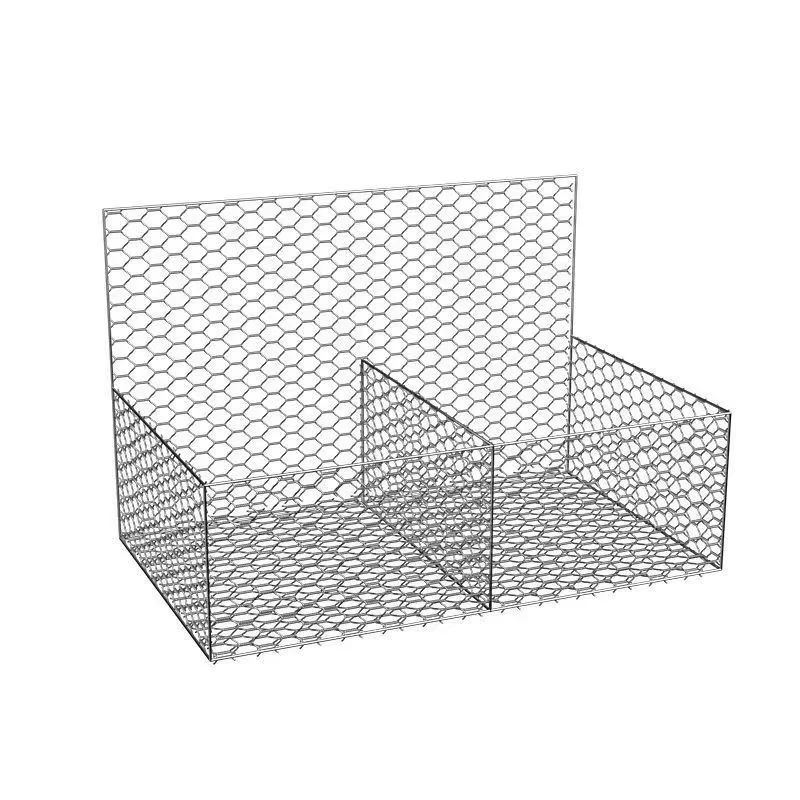
- Double-Twist Hexagonal Mesh: Wires are mechanically twisted together to form hexagonal openings. This double-twist ensures that if a wire breaks, the integrity of the surrounding mesh remains largely intact, preventing unravelling.
- High-Strength Ring Netting: For extreme energy absorption, individual steel rings are linked together to form a highly flexible and robust net structure.
- High-Tensile Square/Diamond Mesh: Precision-welded or woven meshes from high-tensile wire, often heat-treated, providing exceptional strength and minimal deformation.
- Panel Cutting and Edge Reinforcement: The continuous mesh is cut into specified panel dimensions. Edges are typically reinforced with thicker selvedge wires or specialized binding techniques to provide structural integrity during handling and installation, and to resist tearing.
-
Quality Control and Testing: Throughout the process, extensive testing is performed to ensure compliance with international standards such as ISO 9001, ASTM A975 (for steel wire gabions and mattresses), EN 10223-3 (for steel wire mesh products), and various national standards. Tests include:
- Wire tensile strength and elongation.
- Coating thickness and adhesion.
- Mesh opening size and uniformity.
- Panel dimensions and weight.
- Dynamic impact testing (simulated on prototypes or full-scale mock-ups for energy absorption capacity).
- Packaging and Dispatch: Finished rockfall net panels are folded, rolled, or bundled for efficient transportation, often secured with durable strapping to prevent damage during transit.
Service Life and Target Industries:
Modern rockfall net systems, with proper design and material selection (e.g., Galfan or PVC coated wires), can achieve a service life ranging from 50 to over 100 years, depending on environmental corrosivity and exposure conditions. Target industries include:
- Civil Engineering: Highway and railway slope stabilization, bridge abutment protection.
- Mining: Open-pit mine highwall protection, tailings dam stabilization.
- Water Supply & Drainage: Riverbank protection, reservoir slopes, canal lining.
- Petrochemical & Energy: Protection of pipelines, power lines, and infrastructure in landslide-prone areas.
- Urban Development: Stabilization of slopes adjacent to residential or commercial properties.
The manufacturing advantages, such as precision weaving, consistent material quality, and advanced corrosion protection, directly translate into energy-saving (reduced maintenance, longer lifespans) and enhanced corrosion resistance for critical applications.
Technical Specifications and Performance Parameters
Selecting the appropriate rockfall net system requires a thorough understanding of its technical specifications and performance parameters. These factors dictate the system's ability to withstand geological forces, absorb impact energy, and provide long-term protection.
Table 1: Typical Rockfall Net Specifications
| Parameter | Description | Typical Range/Value | Relevant Standard |
|---|---|---|---|
| Wire Diameter | Gauge of individual wires forming the mesh. | 2.0 mm – 4.0 mm | ASTM A975, EN 10223-3 |
| Mesh Type | Structural configuration of the netting. | Double-Twist Hexagonal, Ring Net, Square Grid | Manufacturer Specific, ISO |
| Mesh Opening | Nominal dimension of the mesh apertures. | 50x70 mm to 100x120 mm (Hexagonal); 250 mm to 300 mm (Ring) | ASTM A975, EN 10223-3 |
| Tensile Strength (Mesh) | Resistance to pulling force per unit width of mesh. | 30 kN/m to 150 kN/m (Hexagonal); 150 kN/m to 300+ kN/m (High-tensile) | ISO 10319, EN 10223-3 |
| Coating Type | Protective layer applied to steel wire. | Galvanized, Galfan, PVC-Coated | ASTM A975, EN 10244-2 |
| Energy Absorption Capacity | Maximum kinetic energy the system can absorb without failure. | 100 kJ to >8000 kJ (for barrier systems) | ETAG 027 (for barriers) |
| Panel Dimensions | Standard or custom sizes of mesh panels. | 2m x 50m, 3m x 50m (Rolls); Custom (Panels) | Manufacturer Specific |
These parameters are critical for engineers to design effective rockfall protection netting systems that meet specific site requirements, geological conditions, and risk assessments.
Versatile Application Scenarios for Rockfall Net
The adaptability and effectiveness of rockfall net systems make them indispensable across a wide array of civil engineering, mining, and infrastructure projects. Their design allows for both passive and active protection strategies, tailored to specific geotechnical challenges.
- Slope Stabilization (Draping Systems): In areas with weathered rock, fractured strata, or loose soil, high-tensile rock netting slope protection systems are draped over the slope face. This passive approach controls erosion, prevents small rocks from detaching, and guides larger falling rocks safely to a collection ditch at the base, minimizing impact energy and ensuring public safety.
- Rockfall Barrier Systems: For high-energy impact zones, dynamic rockfall barriers (comprising mesh, anchor cables, and energy-dissipating brake elements) are installed. These systems are engineered to absorb significant kinetic energy, often thousands of kilojoules, from large rock masses without failure, protecting critical infrastructure like highways, railways, and buildings.
- Tunnel Portal Protection: At the entrance and exit points of tunnels, rockfall protection netting is crucial to prevent falling debris from obstructing the portal or impacting vehicles. Both active (bolted mesh) and passive (barrier) systems are employed to ensure continuous operational safety.
- Mining Operations: Open-pit mines and quarry faces are inherently unstable. Rockfall net systems, often integrated with rock bolts and anchors, are used to stabilize benches, control blasting-induced rock fragmentation, and protect personnel and equipment from rockfalls.
- Road and Railway Embankments: Along critical transportation arteries, the risk of rockfalls from adjacent cut slopes or natural hillsides is constant. Robust rock fall netting installations safeguard traffic flow, prevent costly closures, and reduce the risk of accidents.
- Hydroelectric and Water Conservancy Projects: Dams, canals, and associated infrastructure in mountainous regions require protection against landslides and rockfalls to maintain operational integrity and prevent catastrophic failures.
In these scenarios, the advantages are clear: enhanced safety, reduced maintenance costs over the long term, environmental compatibility (especially with revegetation solutions), and the energy-saving benefits of preventing damage rather than repairing it. The corrosion resistance of modern coatings ensures reliable performance even in harsh, moist, or chemically aggressive environments.
Technical Advantages of Modern Rockfall Net Systems
The continuous innovation in geotechnical engineering has endowed modern rockfall net systems with a suite of technical advantages that set them apart from traditional, less flexible solutions. These benefits translate directly into enhanced safety, longevity, and cost-effectiveness for projects globally.
- Superior Energy Absorption Capacity: Modern high-tensile steel mesh systems, particularly ring nets and specialized wire rope nets, are designed to absorb and dissipate extremely high levels of kinetic energy from falling rocks, often exceeding 8,000 kJ. This is achieved through engineered deformation and sophisticated energy-dissipating elements within barrier structures.
- Exceptional Flexibility and Adaptability: The inherent flexibility of wire mesh allows it to conform to irregular slope contours, providing comprehensive coverage even on complex geological formations. This adaptability minimizes the need for extensive site preparation and enables effective stabilization in challenging terrains.
- Durability and Extended Service Life: Utilizing high-strength steel with advanced corrosion protection (Galfan, PVC coating) ensures a service life of 50 to 100 years, significantly reducing the frequency and cost of replacement and maintenance cycles compared to conventional systems.
- Low Maintenance Requirements: Once installed, well-designed rockfall net systems require minimal maintenance. Periodic inspections for damage or debris accumulation are typically sufficient, leading to lower operational expenditures over the project's lifespan.
- Environmental Compatibility: Many mesh systems, especially draping solutions, allow for natural vegetation to grow through and around them. This promotes ecological restoration, minimizes visual impact, and helps stabilize superficial soil layers, enhancing overall slope resilience.
- Cost-Effectiveness Over Lifecycle: While initial investment might seem higher than rudimentary solutions, the extended service life, minimal maintenance, and superior protective capabilities of advanced rock netting slope protection systems result in a significantly lower total cost of ownership.
- Rapid and Efficient Installation: Modular components and streamlined installation procedures, often involving helicopter placement in remote areas, facilitate quicker deployment, reducing project timelines and associated labor costs.
- Certified Performance: Reputable manufacturers adhere to stringent international standards (e.g., ETAG 027 for rockfall barriers, ISO, ASTM), providing engineers with verifiable performance data and assurance of product quality and reliability.
Vendor Comparison and Selection Criteria
Choosing the right vendor for rockfall net solutions is a critical decision that impacts project safety, longevity, and budget. It extends beyond mere product cost to encompass a holistic evaluation of technical expertise, quality assurance, and support services.
Key Factors for Vendor Evaluation:
- Quality Certifications and Compliance: Verify adherence to international standards (ISO 9001 for quality management, ASTM, EN for material and product specifications, ETAG 027 for rockfall barriers).
- Material Sourcing and Quality: Inquire about the origin and grade of steel wire, as well as the specifications of galvanization, Galfan, or PVC coatings. Consistency in material quality is paramount.
- Research and Development (R&D) Capabilities: A vendor with strong R&D demonstrates innovation and the ability to develop solutions for emerging challenges. This includes advanced testing facilities for energy absorption and corrosion.
- Project Experience and Portfolio: Assess the vendor's track record with projects of similar scale and complexity. A diverse portfolio indicates adaptability and problem-solving expertise.
- Technical Support and Engineering Expertise: Look for vendors who offer comprehensive pre-sales and post-sales technical assistance, including site assessment, design consultation, and installation guidance.
- Customization Capabilities: The ability to provide bespoke solutions (tailored mesh sizes, anchor designs, coating types) for unique geotechnical conditions is a significant advantage.
- Lead Time and Logistics: Evaluate the vendor's capacity to deliver products within project timelines, including international shipping and logistical support.
- Warranty and After-Sales Service: Understand the warranty terms for product defects and performance, as well as the availability of spare parts and ongoing technical support.
Table 2: Hypothetical Vendor Comparison for Rockfall Protection Netting
| Feature/Criterion | Vendor A | Vendor B | WireMeshPro |
|---|---|---|---|
| Certifications | ISO 9001:2015 | ISO 9001:2015, CE | ISO 9001:2015, ASTM A975, EN 10223-3 |
| Material Origin | Standard Grade Steel | High-Tensile Steel | Premium High-Tensile Steel Alloys |
| Coating Options | Hot-Dip Galvanized | Galvanized, Limited PVC | Galvanized, Galfan, Heavy PVC |
| Energy Absorption (kJ) | Up to 1500 | Up to 3000 | Up to 8000+ (Barrier Systems) |
| Customization Options | Limited (Standard Sizes Only) | Moderate (Mesh & Panel Sizes) | Extensive (Mesh, Coating, Anchoring, Design) |
| Warranty (Years) | 10 | 20 | 25+ (Performance-based) |
| Technical Support | Basic Product Information | Product Selection & General Advice | Comprehensive Engineering & Design Support |
A thorough evaluation based on these criteria ensures alignment with project requirements, regulatory compliance, and long-term performance expectations for any rockfall protection netting project.
Customized Solutions for Complex Geotechnical Challenges
Every geotechnical project presents a unique set of challenges, from varying geological conditions and slope geometries to specific environmental factors and regulatory requirements. Off-the-shelf solutions are often insufficient to provide optimal or cost-effective protection. This is where the ability to provide customized rockfall net solutions becomes invaluable.
Leading manufacturers and suppliers work closely with engineering firms and project stakeholders to develop tailor-made rock netting slope protection systems. This customization can involve several aspects:
- Mesh Specification Modification: Adjusting wire diameter, mesh opening size, and mesh type (e.g., hexagonal, ring, high-tensile woven) to match specific energy absorption requirements and target rock sizes. For example, a finer mesh might be required for highly fractured rock, while a high-strength ring net is ideal for large, energetic impacts.
- Optimized Coating Systems: Selecting the most appropriate corrosion protection (e.g., heavy galvanization, advanced Galfan, or thick PVC coating) based on local environmental factors such as humidity, salinity, industrial pollution, or soil pH.
- Bespoke Panel Dimensions and Configurations: Custom-sized rockfall net panels can minimize waste, simplify installation on irregular slopes, and ensure seamless coverage across large areas. This also includes designing specialized connections and overlaps.
- Tailored Anchoring and Support Systems: Engineering specific rock bolts, soil nails, anchor plates, and cable networks designed for the precise geotechnical characteristics of the site, ensuring maximum pull-out resistance and load distribution.
- Integration with Hybrid Systems: Designing rockfall protection netting solutions that seamlessly integrate with other geotechnical interventions, such as shotcrete, revegetation mats, or drainage systems, for a multi-layered approach to slope stability.
- Aesthetic Considerations: For visually sensitive areas, customized PVC colors or designs that promote natural revegetation can be developed to blend the protection system with the surrounding landscape.
By leveraging advanced CAD and geotechnical modeling, combined with extensive material science knowledge, specialized vendors can provide highly efficient and durable customized rockfall solutions. This approach ensures not only enhanced safety and performance but also optimized resource utilization and long-term value.
Application Case Studies and Customer Experience
Real-world applications demonstrate the efficacy and reliability of advanced rockfall net systems in diverse and challenging environments. These case studies highlight the successful mitigation of geotechnical hazards and the positive impact on infrastructure resilience and public safety.
Case Study 1: Major Highway Slope Stabilization Project
Location: Mountainous region along a critical interstate highway.
Challenge: A 150-meter-high, fractured rock slope adjacent to a frequently used section of highway experienced recurring rockfalls, especially after heavy rainfall and freeze-thaw cycles. These events led to significant traffic disruptions and posed extreme risks to motorists. Traditional shotcrete solutions proved unsustainable due to ongoing rock mass movement.
Solution: Engineers designed and implemented a comprehensive rock netting slope protection system. This involved installing high-tensile galvanized steel rockfall net (3.5mm wire diameter, 80x100mm mesh) over the entire slope face, anchored with deep rock bolts (6-9 meters) and a network of wire ropes. A toe-ditch collection system was also integrated. The PVC-coated variant was chosen for its additional UV resistance and aesthetic appeal against the natural backdrop.
Results: The system effectively stabilized the slope, eliminating significant rockfall events. Small, isolated rock fragments are safely contained behind the mesh, and larger movements are arrested by the robust anchor system.
Customer Feedback: "The implementation of the high-tensile rockfall net system has dramatically improved safety on this highway section. We've seen a complete cessation of road closures due to rockfalls, and the system requires minimal inspection. The long-term durability and low maintenance costs have proven to be an excellent return on investment." - Chief Engineer, State Department of Transportation.
Case Study 2: Mine Site Highwall Protection
Location: Open-pit coal mine in an arid, geologically active region.
Challenge: The active highwall of the mine, approximately 80 meters high, was prone to spalling and minor rockfalls, especially after blasting operations. This posed a constant threat to excavation equipment and personnel operating at the pit floor, causing frequent operational delays.
Solution: A multi-layered rock fall netting system was designed. This included a primary high-strength woven steel mesh (4.0mm wire, 50x50mm square mesh, Galfan coated for superior abrasion resistance) actively bolted to the highwall. In areas of predicted larger instability, an upper dynamic rockfall barrier with an energy absorption capacity of 2000 kJ was installed as a secondary line of defense.
Results: The system has successfully contained all minor rockfalls and provides crucial protection against larger, more unpredictable events. Operational efficiency has improved due to reduced safety stand-downs.
Customer Feedback: "Safety is our number one priority. The robust rockfall net system implemented on our highwall has significantly enhanced site safety and operational continuity. The product's durability in our harsh mining environment, combined with the vendor's technical support, has been exceptional." - Mine Manager, Large Scale Mining Corporation.
Trustworthiness and Support for Your Rockfall Protection Project
Beyond technical specifications and competitive pricing, the reliability of a supplier is defined by its commitment to trustworthiness, transparent processes, and robust customer support. We understand that geotechnical projects require partners who can deliver not just products, but complete peace of mind.
Frequently Asked Questions (FAQ)
-
Q: How do I determine the right type of rockfall net for my project?
A: Selection depends on several factors: the potential energy of falling rocks, slope geometry, geological conditions, accessibility, and environmental considerations. Our engineering team offers comprehensive site assessments and design consultations to recommend the optimal solution. -
Q: What is the typical lead time for ordering rockfall net systems?
A: Standard products typically have a lead time of 2-4 weeks. For large-scale or highly customized orders, lead times can range from 6-12 weeks, depending on material availability and production schedules. We work closely with clients to align with project timelines. -
Q: What is your warranty policy for rockfall net products?
A: We offer a comprehensive product warranty covering manufacturing defects and material integrity. Our Galfan and PVC-coated products come with a performance warranty of up to 25 years against corrosion-related failure under normal operating conditions. Specific terms and conditions are provided with each quotation. -
Q: Do you provide installation support or guidance?
A: Yes, we provide detailed installation manuals, technical drawings, and engineering support. For complex projects, we can arrange for on-site technical supervision or training for your installation teams to ensure correct and efficient deployment of our rock netting slope protection solutions. -
Q: How do your products contribute to environmental sustainability?
A: Our mesh systems allow for natural revegetation, minimizing visual impact and promoting ecological recovery. The long service life of our corrosion-resistant coatings reduces the need for frequent replacement, conserving resources and minimizing waste.
Lead Time and Fulfillment Details:
Our streamlined manufacturing processes and robust supply chain enable efficient fulfillment of orders. For urgent requirements, we maintain a strategic stock of common rockfall net components. Project-specific delivery schedules are meticulously planned with our logistics partners to ensure on-time delivery to your job site, anywhere in the world. We pride ourselves on transparent communication regarding production status and shipping updates.
Comprehensive Customer Support:
Our commitment extends beyond product delivery. We provide continuous customer support, including:
- Dedicated project managers for personalized service.
- Access to geotechnical engineers for design review and optimization.
- Post-installation inspection guidelines and long-term maintenance recommendations.
- Responsive assistance for any product-related queries or field challenges.
We believe that a strong partnership built on trust and reliable support is fundamental to the success of any critical infrastructure project.
Conclusion
The deployment of advanced rockfall net systems is no longer merely an option but a critical necessity for safeguarding infrastructure and human life in increasingly unstable geological environments. From high-tensile materials and sophisticated manufacturing processes to bespoke engineering and comprehensive support, modern rockfall protection netting offers unparalleled advantages in durability, energy absorption, and environmental compatibility.
As the demand for resilient infrastructure continues to grow, investing in proven, high-performance rock netting slope protection solutions from a reputable and technically proficient vendor is paramount. This strategic investment ensures long-term stability, minimizes operational risks, and delivers superior value over the entire lifecycle of a project. By understanding the intricate details of these systems and partnering with experts, B2B decision-makers can confidently mitigate rockfall hazards and secure critical assets for generations to come.
References
- ASTM A975/A975M-11, Standard Specification for Double-Twisted Hexagonal Mesh Gabions and Revet Mattresses (Metallic-Coated Steel Wire or Metallic-Coated Steel Wire With PVC Coating). ASTM International.
- EN 10223-3:2013, Steel wire and wire products for fences and netting - Part 3: Hexagonal steel wire netting for civil engineering purposes. European Committee for Standardization.
- ETAG 027, Guideline for European Technical Approval of falling rock protection kits. European Organisation for Technical Approvals (EOTA).
- Hoek, E. and Bray, J. W. (1981). Rock Slope Engineering. Revised Third Edition. Institute of Mining and Metallurgy, London.
- Ritchie, A. M. (1963). The 'Roll-Away' Rock Shed. Journal of the Structural Division, ASCE, 89(ST4), 101-118.
- Wyllie, D. C. and Mah, C. W. (2014). Rock Slope Engineering. Fifth Edition. CRC Press, Boca Raton.
-
Quality Black Wire Clothes Hangers for Home and Retail UseNewsApr.16,2026
-
Premium Rose Gold Wire Hangers for Luxury Closet OrganizationNewsApr.09,2026
-
Elevate Your Closet with Stylish Rose Gold Metal Coat HangersNewsApr.07,2026
-
Optimize Your Business with Durable White Wire Clothes HangersNewsApr.04,2026
-
Comprehensive Guide to Buy Wire Clothes Hangers for Optimal Closet OrganizationNewsMar.31,2026
-
Find the Best Deals and Options to Buy Wire Hangers for All Your NeedsNewsMar.28,2026
-
Find the Best Deals to Buy Wire Coat Hangers for Your NeedsNewsMar.26,2026