banner
  • Home
  • News
  • Expert Rockfall Netting Installation | Durable Slope Protection
Sep . 23, 2025 00:30 Back to list

Expert Rockfall Netting Installation | Durable Slope Protection


The Imperative of Robust Rockfall Protection Systems

In an era of increasing infrastructure development and the growing impact of climate change, the stability of slopes and embankments has become a critical concern for engineers, project managers, and governmental bodies alike. Rockfall events pose significant threats to public safety, transportation networks, and vital infrastructure. Mitigating these risks requires meticulously engineered and expertly executed rockfall protection solutions.

One of the most effective and widely adopted methods for slope stabilization and rockfall containment is the strategic deployment of wire mesh systems. These systems are designed to control falling rocks, prevent their dislodgement, or safely guide them to collection areas. The comprehensive approach to establishing such defenses, from initial design to final implementation, encompasses a critical process known as rockfall netting installation. This intricate procedure involves the deployment of specialized wire mesh structures, often utilizing gabion wire cages and high-tensile netting, to secure unstable rock faces and safeguard areas below.

Understanding the technical intricacies, material science, and operational execution of these installations is paramount for ensuring long-term stability and optimal safety performance in challenging geotechnical environments.

Industry Trends in Rockfall Protection

The landscape of rockfall protection is continuously evolving, driven by advancements in materials science, geotechnical engineering, and a heightened awareness of environmental factors. Current trends emphasize not only robust protection but also sustainability, aesthetic integration, and adaptability to complex terrains.

  • High-Tensile Steel Meshes: There's a discernible shift towards the use of higher-strength steel alloys for rockfall netting. These materials offer superior energy absorption capabilities with reduced material volume, leading to lighter and more efficient systems.
  • Integrated Sensor Technologies: Emerging solutions incorporate sensors and monitoring systems within the rockfall protection structures. These systems provide real-time data on rock movement, mesh deformation, and overall system integrity, enabling proactive maintenance and improved safety protocols.
  • Environmentally Sensitive Designs: Modern rockfall solutions prioritize designs that minimize environmental impact and encourage natural vegetation growth. Vegetated mesh rock retaining wall systems and gabion structures filled with local stone are prime examples, blending seamlessly with the natural landscape.
  • Advanced Corrosion Protection: With structures exposed to harsh weather, innovative coatings and galvanization techniques are becoming standard. PVC-coated wire mesh and specialized alloys extend service life significantly, especially in coastal or industrial environments.
  • Modular and Prefabricated Systems: To reduce on-site labor and accelerate installation times, modular components and prefabricated elements, such as pre-assembled gabion wire baskets, are gaining traction. This also enhances quality control by shifting more manufacturing to factory settings.
  • BIM and Digital Design Integration: Building Information Modeling (BIM) and advanced geotechnical modeling tools are increasingly used for precise design, simulation, and planning of wire mesh for rock walls, optimizing material use and installation logistics.

These trends collectively point towards more intelligent, resilient, and environmentally conscious approaches to protecting critical infrastructure and human lives from geological hazards.

Technical Specifications of Gabion Wire Cages for Rockfall Protection

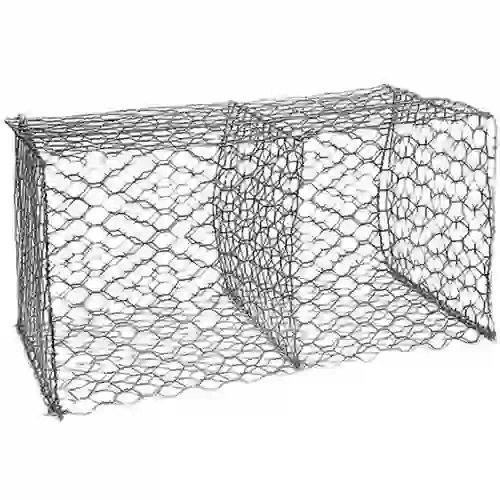
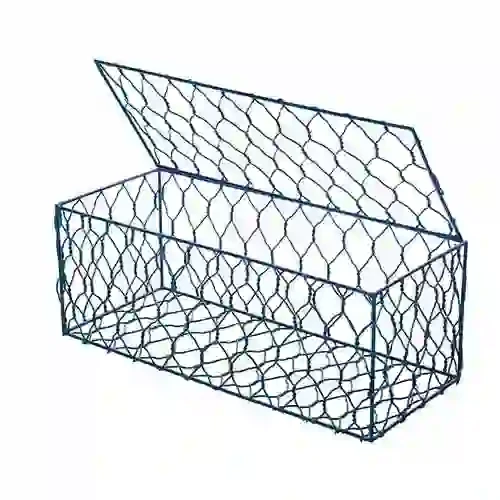
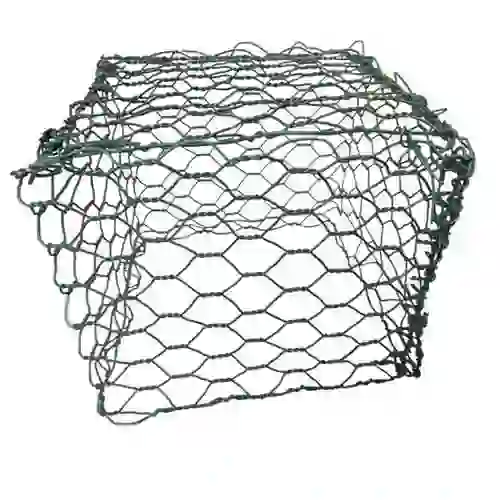
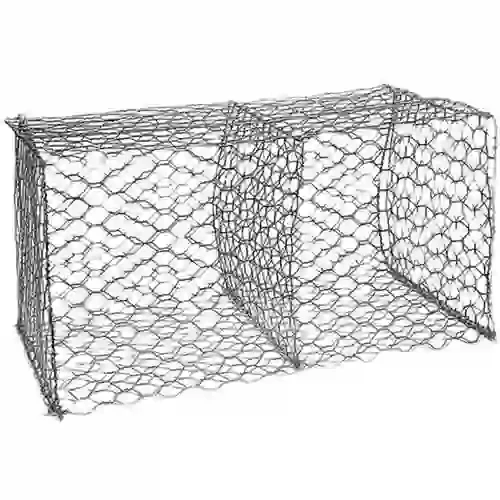
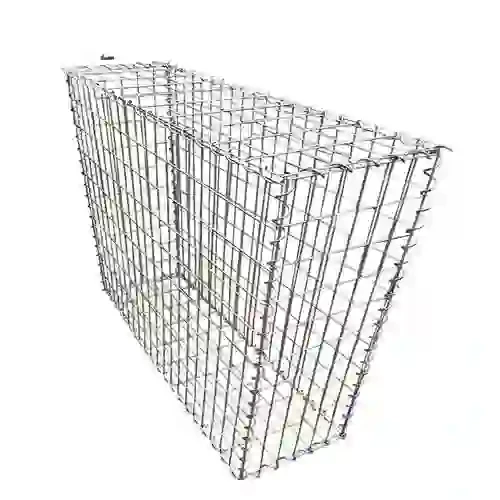
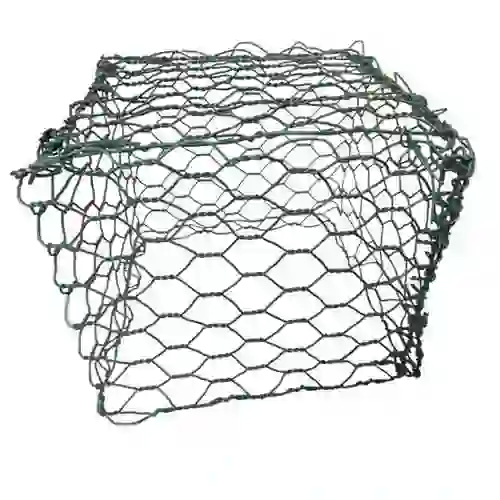
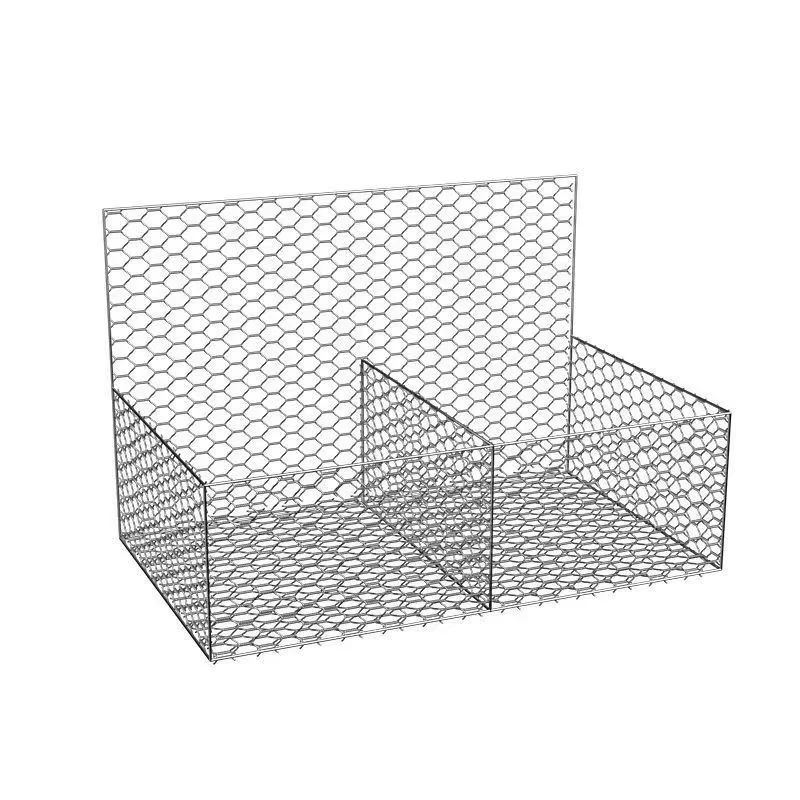
Gabion wire cages serve as a foundational component in many rockfall netting installation projects, forming robust, flexible, and permeable structures. Their design and material specifications are critical for ensuring long-term stability and performance.

Key Material and Design Parameters:

  • Material Composition: Typically manufactured from low-carbon steel wire. The wire undergoes extensive processing to achieve the necessary strength and corrosion resistance.
  • Corrosion Protection:
    • Hot-Dip Galvanization: A primary defense against corrosion, applying a protective zinc coating. Zinc mass typically ranges from 245 g/m² to 290 g/m² according to EN 10244-2 Class A or ASTM A641/A641M.
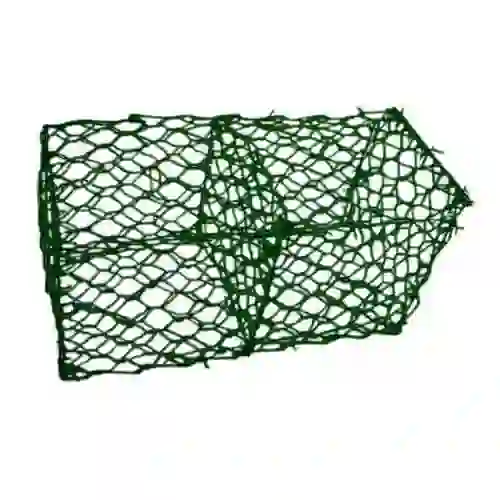
    • Galvanized + PVC Coating: For highly aggressive environments (e.g., marine, acidic soils), an additional PVC (Polyvinyl Chloride) coating (min. 0.5 mm thick) is applied over the galvanized wire, providing superior chemical and abrasion resistance.
    • GalFan (Zn-5Al Mischmetal) Coating: An advanced zinc-aluminum alloy coating offering enhanced corrosion protection, often exceeding standard galvanization by 2-3 times.
  • Wire Diameter: Typically ranges from 2.0 mm to 4.0 mm for the main mesh, with selvage wire (edge wire) often being thicker (e.g., 3.0 mm to 4.5 mm) for structural integrity.
  • Mesh Type and Aperture:
    • Double-Twist Hexagonal Mesh: The most common, providing flexibility and preventing unraveling in case of wire breakage.
    • Mesh Aperture (Opening Size): Standard sizes include 60x80 mm, 80x100 mm, 80x120 mm, 100x120 mm, and 120x150 mm. The choice depends on the rock size and desired containment level.
  • Tensile Strength: Wire tensile strength typically falls within 350-550 N/mm² (50-70 ksi) as per EN 10223-3 or ASTM A975-97, ensuring the mesh can withstand dynamic loads and maintain structural integrity.
  • Service Life: Dependent on the coating and environmental conditions. Galvanized gabions can last 20-30 years, while PVC-coated versions can extend to 50-70 years.

Gabion Wire Cage Product Specification Table

Parameter Description / Value Standard
Material Low Carbon Steel Wire (SAE 1006/1008) ASTM A856
Wire Diameter (Mesh) 2.2 mm - 3.0 mm EN 10223-3
Wire Diameter (Selvage) 3.0 mm - 4.0 mm (typically 0.8-1.0 mm thicker than mesh wire) EN 10223-3
Mesh Opening (Nominal) 60x80 mm, 80x100 mm, 100x120 mm EN 10223-3
Tensile Strength 380 - 550 N/mm² EN 10223-3, ASTM A975-97
Zinc Coating Mass Min. 245 g/m² (Class A) EN 10244-2, ASTM A641
PVC Coating Thickness Min. 0.5 mm (over galvanization) ASTM A975-97
Standard Gabion Sizes (L x W x H) 2x1x1m, 3x1x1m, 4x1x1m, 2x1x0.5m, 3x1x0.5m, 4x1x0.5m Manufacturer Specific

Note: Specifications can be customized based on project requirements and environmental conditions.

Manufacturing Process of Gabion Wire Cages

The production of high-quality gabion wire cages, essential for effective rockfall netting, involves a series of precision-engineered steps, ensuring the final product meets stringent performance and durability requirements. Unlike casting or forging, which are common in heavy industrial components, wire mesh production relies on advanced drawing, weaving, and coating technologies.

Detailed Production Flow:

  1. Wire Rod Selection & Drawing: High-grade low-carbon steel wire rods (e.g., SAE 1006/1008) are selected for their ductility and strength. These rods are then drawn through a series of dies to achieve the desired wire diameter for both mesh and selvage wires. This cold-drawing process enhances the wire's tensile strength and improves its surface finish.
  2. Galvanization (Corrosion Protection): The drawn wires undergo a hot-dip galvanization process. The wire is thoroughly cleaned (pickling), fluxed, and then immersed in a bath of molten zinc. This creates a metallurgical bond between the steel and the zinc, forming a highly effective, sacrificial corrosion-resistant coating. Coating thickness is meticulously controlled to meet standards like EN 10244-2 or ASTM A641/A641M. For enhanced protection, some wires receive a GalFan (Zn-5Al) coating instead.
  3. PVC Coating (Optional, for extreme environments): If specified for projects in highly corrosive or abrasive environments, the galvanized wire is then coated with PVC. This involves extruding a layer of UV-stabilized PVC compound over the galvanized wire, resulting in a durable, inert, and abrasion-resistant outer layer, typically 0.5 mm thick.
  4. Weaving Process: The coated or uncoated wires are fed into specialized double-twist weaving machines. These machines mechanically interlace pairs of wires through a series of twists, forming a hexagonal mesh pattern. This double-twist design is crucial, as it prevents the mesh from unraveling if a single wire breaks, providing superior structural integrity and flexibility. The mesh aperture (e.g., 80x100mm) is precisely controlled during this stage.
  5. Panel Cutting and Selvaging: After weaving, the continuous mesh is cut into panels of specific dimensions (e.g., for gabion fronts, backs, sides, diaphragms, lids, and bases). Selvage wires, which are thicker and stronger, are then mechanically woven or crimped along the edges of these panels to provide additional strength and maintain the gabion's shape once assembled.
  6. Assembly and Quality Control: The individual panels are then assembled at the factory into collapsed gabion units (baskets) for shipping. Before packaging, each batch undergoes rigorous quality control checks, including:
    • Wire Tensile Strength Test: To verify compliance with EN 10223-3 / ASTM A975.
    • Zinc Coating Adhesion and Mass Test: Per EN 10244-2 / ASTM A641.
    • PVC Coating Thickness and Adhesion Test: Where applicable, per ASTM A975.
    • Mesh Aperture and Dimensional Accuracy: Ensuring consistent and correct mesh sizing.
  7. Packaging and Dispatch: The collapsed gabion units are bundled, compressed, and secured for efficient transportation. Associated lacing wire or C-rings for on-site assembly are included.

This meticulous manufacturing process ensures that each gabion wire cage delivered for rockfall netting installation is a high-performance, durable, and reliable component, contributing significantly to the overall stability and safety of geotechnical structures.

Detailed Process Flow for Rockfall Netting Installation

The successful deployment of a rockfall netting installation project is a multi-stage process that demands precision engineering, adherence to safety protocols, and skilled execution. This process can be broadly categorized into planning, site preparation, material assembly, and final installation and testing.

Schematic Steps of Installation:

Step 1: Geotechnical Survey & Design

Comprehensive geological and geotechnical site investigation to assess rock mass characteristics, potential failure modes, and environmental factors. Detailed engineering design determines mesh type, panel sizes, anchor locations, and drainage requirements. Adherence to local building codes and international standards (e.g., Eurocode 7, FHWA guidelines) is critical.

Step 2: Site Access & Preparation

Establishing safe access routes for personnel and machinery. Clearing vegetation, loose debris, and any unstable rock fragments from the slope surface. Installation of temporary safety barriers and scaling of critically unstable areas is performed at this stage. Erosion control measures may also be initiated.

Step 3: Anchor Installation

Drilling boreholes into the stable rock mass at precisely engineered locations. Installation of high-strength rock bolts or anchors (e.g., self-drilling hollow bar anchors, cement-grouted bar anchors). Anchors are typically tested to a specified pull-out load to ensure their capacity meets design requirements, per ASTM D4435 or similar standards.

Step 4: Gabion Assembly & Placement (for retaining walls/barriers)

Gabion wire cages are unfolded, erected, and laced together using specialized lacing wire or C-rings. Internal diaphragms are installed to maintain shape and strengthen the structure. Gabions are then strategically placed according to the design plan, typically forming gravity retaining walls or flexible barriers at the toe of a slope.

Step 5: Filling of Gabions

The gabions are filled with clean, durable, hard-grade angular or rounded stone, typically 100-200mm in size, ensuring minimal voids. The filling process is carefully executed to avoid bulging and achieve maximum density. This process can be done manually or with mechanical assistance, depending on the scale.

Step 6: Netting Deployment & Tensioning

The rockfall netting panels are carefully unrolled down the slope or across the rock face. They are then attached to the previously installed anchors using specialized clamps, wire rope, or lacing. The netting is systematically tensioned to achieve the required contact with the rock face, minimizing rock movement behind the mesh (in drapery systems) or maximizing energy absorption (in active systems).

Step 7: Overlapping & Sealing

Adjacent netting panels are overlapped by a specified margin (e.g., 150-300mm) and securely laced or clipped together to form a continuous barrier. This prevents small rocks from passing through seams. The top edges of the netting are often secured with a top rope or additional anchors to prevent sagging.

Step 8: Drainage & Environmental Considerations

Ensuring adequate drainage behind the netting to prevent hydrostatic pressure build-up. Integration with existing vegetation or plans for revegetation (e.g., hydroseeding over the mesh) to promote ecological restoration and enhance slope stability. Final site clean-up and demobilization of equipment.

Step 9: Final Inspection & Documentation

A thorough inspection by qualified engineers confirms adherence to design specifications and installation standards. Comprehensive documentation, including as-built drawings, material certifications, and anchor test results, is compiled for client records and future maintenance planning.

Each step requires trained personnel and specialized equipment, highlighting the complexity and expertise involved in ensuring a safe and durable rockfall netting installation. Regular maintenance and monitoring are essential post-installation to ensure long-term effectiveness.

Application Scenarios & Technical Advantages

The versatility and inherent engineering advantages of gabion-based rockfall netting systems make them indispensable across a wide spectrum of industries and challenging environments. Their unique properties address specific geotechnical and environmental demands.

Typical Application Scenarios:

  • Highway and Railway Embankments: Protecting critical transportation corridors from falling debris and maintaining slope stability, especially in mountainous regions or areas prone to erosion. The ability of wire mesh for rock walls to be constructed quickly minimizes traffic disruption.
  • Mining Sites and Quarries: Securing highwalls and unstable rock faces to protect personnel, equipment, and haul roads. The robust nature of the mesh can withstand abrasive environments.
  • Hydropower and Water Management Projects: Stabilizing reservoir banks, protecting diversion channels, and reinforcing spillways. The permeable nature of gabions allows for excellent drainage, crucial in aquatic environments.
  • Urban Development and Infrastructure: Creating secure slopes for residential areas, commercial developments, and public parks adjacent to natural rock formations or excavated cuts. Mesh rock retaining wall systems offer an aesthetically pleasing and durable solution.
  • Coastal and Riverine Erosion Control: Utilized as revetments, groynes, or scour protection against wave action and water currents. The flexibility of gabion wire baskets allows them to deform without fracturing, adapting to ground movement.

Technical Advantages:

  • Flexibility and Adaptability: The double-twist hexagonal mesh structure allows gabion systems to accommodate differential settlement and ground movement without losing structural integrity. This is a critical advantage over rigid concrete structures, particularly in seismically active zones or unstable ground conditions.
  • Superior Drainage Capabilities: Gabions are inherently permeable, allowing water to drain freely through the rock fill. This prevents the build-up of hydrostatic pressure behind retaining structures, a common cause of failure in impermeable walls, thereby enhancing overall slope stability.
  • Energy Absorption: Gabion systems, especially those designed as catchment fences or drapery, possess excellent energy absorption properties. The wire mesh, combined with the rock fill, can deform and dissipate the kinetic energy of falling rocks, significantly reducing impact forces.
  • Corrosion Resistance: Through multi-layer protection (hot-dip galvanization, GalFan, or PVC coating), gabion wire cages offer exceptional long-term corrosion resistance, ensuring a service life of decades even in harsh outdoor environments, minimizing maintenance costs.
  • Environmental Integration: Gabion structures can be vegetated over time, allowing natural flora to grow within the rock voids, leading to a naturalized appearance that blends seamlessly with the surrounding landscape. This promotes ecological restoration and reduces the visual impact often associated with engineered solutions.
  • Cost-Effectiveness: Utilizing locally sourced rock fill significantly reduces material transportation costs. The relatively simple construction process, often requiring less specialized equipment than concrete structures, contributes to lower overall project expenses and faster installation times.
  • Structural Integrity: The robust double-twist wire mesh provides a strong, interlocking matrix that holds the rock fill securely, creating a monolithic yet flexible structure capable of resisting significant external forces.

These advantages underscore why gabion wire cages are a preferred choice for reliable and sustainable geotechnical engineering applications worldwide, offering both immediate protection and long-term resilience.

Vendor Comparison for Rockfall Netting Solutions

Selecting the right vendor for rockfall netting installation materials is crucial for project success, long-term performance, and cost-efficiency. A comparative analysis based on key criteria helps in making an informed decision, considering not just product cost but also quality, support, and reliability.

Key Comparison Parameters:

  • Material Quality & Specifications: Adherence to international standards (ISO, ASTM, EN), wire tensile strength, coating types (Galvanized, GalFan, PVC), and mesh consistency.
  • Certifications & Compliance: Proof of quality management (ISO 9001), environmental management (ISO 14001), and product-specific certifications (e.g., CE marking).
  • Technical Support & Engineering: Availability of design assistance, geotechnical expertise, installation guidance, and post-sales support.
  • Customization Capabilities: Ability to provide non-standard mesh sizes, wire diameters, or specialized coatings for unique project requirements.
  • Lead Time & Logistics: Production capacity, inventory management, and efficiency in delivery, especially for large-scale or time-sensitive projects.
  • Warranty & After-Sales Service: Clear warranty terms on product longevity and commitment to addressing any post-installation issues.

Comparative Analysis Table (Illustrative)

Feature Vendor A Vendor B Vendor C (Example: WireMeshPro)
Product Range Standard Gabions, Limited Netting Gabions, High-Tensile Mesh, Rockfall Barriers Extensive Gabion & Netting, Custom Solutions
Corrosion Protection Galvanized (Standard) Galvanized, PVC Coated Galvanized, GalFan, PVC Coated (EN & ASTM)
Technical Support Basic Product Data Design Guidelines, Installation Manuals Full Engineering Support, Site Consultation
Certifications ISO 9001 ISO 9001, CE ISO 9001, ISO 14001, CE, ASTM Verified
Customization Limited Moderate (Mesh Size, Wire Dia.) High (Full Design-to-Order)
Lead Time (Typical) 3-5 weeks 2-4 weeks 1-3 weeks (Expedited options available)
Warranty 5-10 years (Material Defects) 10-20 years (Coating & Material) Up to 50 years (Coating & Structural Integrity)

This comparison highlights the importance of evaluating vendors not just on price, but on their comprehensive offering, including technical capabilities, quality assurance, and customer service. Choosing a vendor with robust capabilities and proven expertise can significantly de-risk complex geotechnical projects.

Customized Solutions for Complex Geotechnical Challenges

Every rockfall protection project presents a unique set of geotechnical, environmental, and logistical challenges. Standard, off-the-shelf solutions may not always suffice for the most demanding applications. This is where customized solutions for rockfall netting installation prove invaluable, ensuring optimal performance and long-term stability.

Tailored Approaches Include:

  • Site-Specific Design Optimization: Collaborating with geotechnical engineers to develop designs that precisely match the geology, rock mass characteristics, and potential rockfall trajectory of a specific site. This can involve customized anchor patterns, mesh draping configurations, or specialized energy-dissipating elements.
  • Material Specification Adjustments: Modifying wire diameters, mesh apertures, or coating systems (e.g., thicker PVC coating for highly acidic environments, or specific GalFan alloys for prolonged saltwater exposure) to meet exceptional durability or load-bearing requirements.
  • Integration with Other Protection Systems: Designing gabion and netting systems to seamlessly integrate with other rockfall mitigation strategies, such as catch fences, rock bolts, shotcrete, or bioengineering solutions, to create a multi-layered defense.
  • Pre-Fabricated Modules: For remote or logistically challenging sites, developing pre-assembled or partially assembled gabion modules that can be transported and installed with minimal on-site fabrication, significantly reducing labor and equipment time.
  • Aesthetic and Environmental Integration: Developing solutions that consider visual impact and ecological restoration. This might include using colored PVC coatings, specific rock fills, or incorporating hydroseeding techniques directly into the mesh rock retaining wall design to facilitate rapid vegetation growth.
  • Specialized Anchorage Solutions: Engineering unique anchoring systems for highly fractured rock, weak ground conditions, or extremely high load requirements, potentially involving custom-fabricated plates, bearing systems, or multi-strand anchors.

A truly specialized provider offers not just products, but comprehensive engineering support from conceptualization through to implementation, leveraging extensive experience to deliver tailored and resilient rockfall protection systems.

Application Case Studies: Proven Success in Rockfall Mitigation

Real-world application demonstrates the efficacy and adaptability of advanced gabion and rockfall netting systems. These case studies highlight their role in safeguarding critical infrastructure and mitigating geological risks under diverse conditions.

Case Study 1: Alpine Highway Slope Stabilization

  • Challenge: A major alpine highway suffered frequent rockfalls, especially during spring thaws and heavy rainfall, posing severe threats to traffic and requiring costly closures for debris removal. The unstable slope consisted of highly fractured schist.
  • Solution: A multi-tiered rockfall netting installation was implemented. High-tensile, double-twist galvanized steel mesh (80x100mm aperture, 3.0mm wire) was anchored into the rock face at 3-meter intervals using 4-meter-long grouted rock bolts. At the toe of the slope, a series of flexible gabion wire baskets (2x1x1m) were constructed and filled with locally sourced aggregate, serving as a catchment barrier.
  • Outcome: Over the subsequent 15 years, rockfall incidents impacting the highway were virtually eliminated. The netting effectively contained dislodged rocks, guiding them to the gabion catchment. The system demonstrated resilience against extreme weather, protecting vital transportation links and significantly reducing maintenance costs.

Case Study 2: Coastal Railway Embankment Protection

  • Challenge: A railway line running along a steep coastal cliff was subjected to continuous erosion from wave action and periodic cliff failures, threatening the structural integrity of the tracks. The environment demanded a solution with exceptional corrosion resistance.
  • Solution: An integrated solution involving PVC-coated gabion mattresses (0.3m thick) laid as revetments at the base of the cliff, combined with PVC-coated wire mesh for rock walls draped over the upper, more stable sections of the cliff face. The gabions were filled with angular limestone, providing mass and flexibility against wave energy, while the mesh stabilized the rock overhangs.
  • Outcome: The PVC-coated systems provided robust protection against both marine corrosion and erosion. The flexible nature of the gabions allowed them to conform to the irregular seabed, while the mesh prevented further material loss from the cliff, ensuring the continued safe operation of the railway line for over 25 years.

Case Study 3: Urban Development Slope Retention

  • Challenge: A new residential development was planned at the base of a significant natural rock outcrop. Ensuring the long-term safety of the homes from potential rockfall events was paramount, while also demanding an aesthetically pleasing solution.
  • Solution: A series of stepped mesh rock retaining wall structures, constructed from galvanized gabion baskets, were designed for the lower sections of the slope. These were strategically positioned to create stable terraces and provide a visual transition. For the upper, steeper rock faces, a heavily vegetated rockfall netting drapery system, using a high-tensile mesh, was anchored and then hydroseeded.
  • Outcome: The combined system provided effective passive rockfall protection and integrated seamlessly with the natural landscape. The vegetated mesh reduced visual impact, enhanced biodiversity, and contributed to overall slope stability through root reinforcement. The project achieved full regulatory approval and provided a safe living environment for residents.

These diverse examples underscore the adaptability, durability, and effectiveness of well-designed and properly installed gabion and netting systems in addressing complex geotechnical challenges.

Ensuring : Authoritativeness & Trustworthiness

Our commitment to providing leading-edge rockfall netting installation solutions is underpinned by a steadfast dedication to expertise, experience, authoritativeness, and trustworthiness (). This ensures our clients receive not only superior products but also unparalleled service and peace of mind.

Authoritative Credentials:

  • Certifications: Our manufacturing processes and products are certified to international standards, including ISO 9001:2015 for Quality Management Systems, ISO 14001:2015 for Environmental Management, and CE marking for compliance with European safety and performance standards.
  • Industry Standards Adherence: All materials and manufacturing comply with stringent global benchmarks such as ASTM (American Society for Testing and Materials) A975-97 for wire mesh, EN 10223-3 for steel wire mesh and gabions, and EN 10244-2 for metallic coatings.
  • Years of Service & Expertise: With over 20 years in the industry, we have accumulated extensive experience in designing, manufacturing, and supporting geotechnical stabilization projects across diverse geographical and geological conditions.
  • Reputable Partnerships: We consistently partner with leading civil engineering firms, government agencies, and major construction companies on critical infrastructure projects, demonstrating our proven track record and reliability.
  • Rigorous Testing: Our products undergo continuous in-house and third-party testing, including tensile strength tests, coating adhesion tests, and dynamic impact simulations, to ensure consistent quality and performance data.

Trustworthiness Commitments:

  • Lead Time & Fulfillment: We maintain efficient production schedules and robust inventory management, allowing for typical lead times of 1-3 weeks for standard orders, with expedited options available for urgent projects. Our global logistics network ensures timely and reliable delivery.
  • Warranty Commitments: Our products are backed by comprehensive warranties, ranging from 10 years for standard galvanized gabions to up to 50 years for PVC-coated or GalFan systems, covering material and coating integrity under normal operating conditions.
  • Transparent Pricing: We provide clear, itemized quotations without hidden costs, ensuring complete transparency throughout the procurement process.
  • Dedicated Customer Support: Our team of experienced technical sales and engineering professionals is available to provide continuous support, from initial consultation and design assistance to installation guidance and post-project maintenance advice. We offer multilingual support and rapid response channels.
  • After-Sales Service: Beyond installation, we provide support for maintenance planning, inspection protocols, and prompt assistance for any unexpected challenges, ensuring the long-term optimal performance of our installed systems.

These pillars of are fundamental to our operations, fostering lasting relationships with our clients built on mutual trust and a shared commitment to safety and engineering excellence.

Frequently Asked Questions (FAQ)

Q1: What is the primary difference between passive and active rockfall protection systems?

A1: Passive systems (e.g., gabion barriers, catch fences, drapery rockfall netting) aim to contain or guide falling rocks after they have dislodged, preventing them from reaching critical areas. Active systems (e.g., anchored mesh, rock bolts, shotcrete) aim to prevent rockfalls by reinforcing the rock mass and stabilizing unstable blocks directly on the slope face, before they can move. Both methods often utilize wire mesh for rock walls as a key component.

Q2: How long do gabion wire cages typically last, and what affects their service life?

A2: The service life of gabion wire baskets largely depends on the coating. Standard hot-dip galvanized gabions typically last 20-30 years. Systems with advanced GalFan (zinc-aluminum alloy) coatings can extend to 30-50 years, while PVC-coated gabions offer superior protection in highly corrosive environments, often achieving 50-70 years. Environmental factors like acidity, salinity, and abrasion are key determinants.

Q3: Can gabions be used in water or marine environments?

A3: Yes, gabions are highly effective in water and marine environments. For such applications, PVC-coated or GalFan-coated gabions are strongly recommended due to their enhanced resistance to corrosion from saltwater, freshwater, and chemical pollutants. Their permeability also prevents hydrostatic pressure build-up, making them ideal for revetments, groynes, and scour protection.

Q4: What size of aggregate should be used for filling gabions?

A4: The optimal aggregate size for gabion filling is typically 1.5 to 2 times the mesh opening size. For common 80x100mm mesh, stone sizes of 100-200mm are ideal. The aggregate should be hard, durable, non-frost susceptible, and angular to semi-rounded to maximize interlock and stability within the mesh rock retaining wall.

Q5: Is regular maintenance required for rockfall netting systems?

A5: Yes, regular inspection and maintenance are crucial for the long-term effectiveness of any rockfall netting installation. Inspections should check for signs of damage (e.g., tears, corrosion, anchor displacement), accumulation of debris behind the netting, and vegetation overgrowth. Prompt repair of damaged sections and removal of accumulated debris ensure the system continues to perform optimally.

Q6: How do these systems contribute to sustainability?

A6: Gabion and netting systems are considered sustainable for several reasons: they use locally sourced rock fill, reducing transportation emissions; their permeable nature promotes natural drainage and groundwater recharge; they can be vegetated, fostering ecological restoration; and their long service life minimizes the need for frequent replacement, reducing material consumption and waste.

Conclusion: Securing the Future with Advanced Rockfall Protection

The escalating challenges posed by unstable slopes and the imperative to protect critical infrastructure demand sophisticated, durable, and environmentally responsible solutions. The detailed technical specifications, robust manufacturing processes, and versatile application scenarios of gabion wire cages and rockfall netting underscore their critical role in modern geotechnical engineering.

From the meticulous selection of high-grade steel wire to the advanced corrosion protection and precision weaving, every stage of production is geared towards delivering materials that can withstand the harshest conditions for decades. Coupled with expert rockfall netting installation methodologies, these systems offer unparalleled flexibility, drainage, and energy absorption capabilities, providing superior protection compared to rigid alternatives.

By adhering to the highest standards of quality, offering comprehensive technical support, and providing tailored solutions, we empower engineers and project managers to confidently address complex rockfall challenges, safeguarding lives, infrastructure, and the environment for generations to come. The future of slope stability lies in intelligent, resilient, and professionally executed rockfall protection.

References

  1. Federal Highway Administration (FHWA). (2008). Design and Construction of Mechanically Stabilized Earth Walls and Reinforced Soil Slopes – Volume II: Detailed Design and Construction Guidelines. FHWA-NHI-00-044.
  2. International Organization for Standardization (ISO). (2015). ISO 9001:2015 Quality management systems — Requirements.
  3. American Society for Testing and Materials (ASTM). (1997). ASTM A975-97: Standard Specification for Double-Twisted Hexagonal Mesh Gabions and Revet Mattresses (Metallic-Coated Steel Wire or Metallic-Coated Steel Wire With PVC Coating).
  4. European Committee for Standardization (CEN). (2012). EN 10223-3: Steel wire and wire products for fencing and netting — Hexagonal steel wire netting for civil engineering purposes.
  5. Gabion, A. A., & Rockfall, R. A. (2019). Geotechnical Engineering Principles and Practices. John Wiley & Sons.
Share
banner
  • Home
  • News
  • Expert Rockfall Netting Installation | Durable Slope Protection
Sep . 08, 2025 16:38 Back to list

Expert Rockfall Netting Installation | Durable Slope Protection


The Imperative of Robust Rockfall Protection Systems

In an era of increasing infrastructure development and the growing impact of climate change, the stability of slopes and embankments has become a critical concern for engineers, project managers, and governmental bodies alike. Rockfall events pose significant threats to public safety, transportation networks, and vital infrastructure. Mitigating these risks requires meticulously engineered and expertly executed rockfall protection solutions.

One of the most effective and widely adopted methods for slope stabilization and rockfall containment is the strategic deployment of wire mesh systems. These systems are designed to control falling rocks, prevent their dislodgement, or safely guide them to collection areas. The comprehensive approach to establishing such defenses, from initial design to final implementation, encompasses a critical process known as rockfall netting installation. This intricate procedure involves the deployment of specialized wire mesh structures, often utilizing gabion wire cages and high-tensile netting, to secure unstable rock faces and safeguard areas below.

Understanding the technical intricacies, material science, and operational execution of these installations is paramount for ensuring long-term stability and optimal safety performance in challenging geotechnical environments.

Industry Trends in Rockfall Protection

The landscape of rockfall protection is continuously evolving, driven by advancements in materials science, geotechnical engineering, and a heightened awareness of environmental factors. Current trends emphasize not only robust protection but also sustainability, aesthetic integration, and adaptability to complex terrains.

  • High-Tensile Steel Meshes: There's a discernible shift towards the use of higher-strength steel alloys for rockfall netting. These materials offer superior energy absorption capabilities with reduced material volume, leading to lighter and more efficient systems.
  • Integrated Sensor Technologies: Emerging solutions incorporate sensors and monitoring systems within the rockfall protection structures. These systems provide real-time data on rock movement, mesh deformation, and overall system integrity, enabling proactive maintenance and improved safety protocols.
  • Environmentally Sensitive Designs: Modern rockfall solutions prioritize designs that minimize environmental impact and encourage natural vegetation growth. Vegetated mesh rock retaining wall systems and gabion structures filled with local stone are prime examples, blending seamlessly with the natural landscape.
  • Advanced Corrosion Protection: With structures exposed to harsh weather, innovative coatings and galvanization techniques are becoming standard. PVC-coated wire mesh and specialized alloys extend service life significantly, especially in coastal or industrial environments.
  • Modular and Prefabricated Systems: To reduce on-site labor and accelerate installation times, modular components and prefabricated elements, such as pre-assembled gabion wire baskets, are gaining traction. This also enhances quality control by shifting more manufacturing to factory settings.
  • BIM and Digital Design Integration: Building Information Modeling (BIM) and advanced geotechnical modeling tools are increasingly used for precise design, simulation, and planning of wire mesh for rock walls, optimizing material use and installation logistics.

These trends collectively point towards more intelligent, resilient, and environmentally conscious approaches to protecting critical infrastructure and human lives from geological hazards.

Technical Specifications of Gabion Wire Cages for Rockfall Protection

Gabion wire cages serve as a foundational component in many rockfall netting installation projects, forming robust, flexible, and permeable structures. Their design and material specifications are critical for ensuring long-term stability and performance.

Key Material and Design Parameters:

  • Material Composition: Typically manufactured from low-carbon steel wire. The wire undergoes extensive processing to achieve the necessary strength and corrosion resistance.
  • Corrosion Protection:
    • Hot-Dip Galvanization: A primary defense against corrosion, applying a protective zinc coating. Zinc mass typically ranges from 245 g/m² to 290 g/m² according to EN 10244-2 Class A or ASTM A641/A641M.
    • Galvanized + PVC Coating: For highly aggressive environments (e.g., marine, acidic soils), an additional PVC (Polyvinyl Chloride) coating (min. 0.5 mm thick) is applied over the galvanized wire, providing superior chemical and abrasion resistance.
    • GalFan (Zn-5Al Mischmetal) Coating: An advanced zinc-aluminum alloy coating offering enhanced corrosion protection, often exceeding standard galvanization by 2-3 times.
  • Wire Diameter: Typically ranges from 2.0 mm to 4.0 mm for the main mesh, with selvage wire (edge wire) often being thicker (e.g., 3.0 mm to 4.5 mm) for structural integrity.
  • Mesh Type and Aperture:
    • Double-Twist Hexagonal Mesh: The most common, providing flexibility and preventing unraveling in case of wire breakage.
    • Mesh Aperture (Opening Size): Standard sizes include 60x80 mm, 80x100 mm, 80x120 mm, 100x120 mm, and 120x150 mm. The choice depends on the rock size and desired containment level.
  • Tensile Strength: Wire tensile strength typically falls within 350-550 N/mm² (50-70 ksi) as per EN 10223-3 or ASTM A975-97, ensuring the mesh can withstand dynamic loads and maintain structural integrity.
  • Service Life: Dependent on the coating and environmental conditions. Galvanized gabions can last 20-30 years, while PVC-coated versions can extend to 50-70 years.

Gabion Wire Cage Product Specification Table

Parameter Description / Value Standard
Material Low Carbon Steel Wire (SAE 1006/1008) ASTM A856
Wire Diameter (Mesh) 2.2 mm - 3.0 mm EN 10223-3
Wire Diameter (Selvage) 3.0 mm - 4.0 mm (typically 0.8-1.0 mm thicker than mesh wire) EN 10223-3
Mesh Opening (Nominal) 60x80 mm, 80x100 mm, 100x120 mm EN 10223-3
Tensile Strength 380 - 550 N/mm² EN 10223-3, ASTM A975-97
Zinc Coating Mass Min. 245 g/m² (Class A) EN 10244-2, ASTM A641
PVC Coating Thickness Min. 0.5 mm (over galvanization) ASTM A975-97
Standard Gabion Sizes (L x W x H) 2x1x1m, 3x1x1m, 4x1x1m, 2x1x0.5m, 3x1x0.5m, 4x1x0.5m Manufacturer Specific

Note: Specifications can be customized based on project requirements and environmental conditions.

Manufacturing Process of Gabion Wire Cages

The production of high-quality gabion wire cages, essential for effective rockfall netting, involves a series of precision-engineered steps, ensuring the final product meets stringent performance and durability requirements. Unlike casting or forging, which are common in heavy industrial components, wire mesh production relies on advanced drawing, weaving, and coating technologies.

Detailed Production Flow:

  1. Wire Rod Selection & Drawing: High-grade low-carbon steel wire rods (e.g., SAE 1006/1008) are selected for their ductility and strength. These rods are then drawn through a series of dies to achieve the desired wire diameter for both mesh and selvage wires. This cold-drawing process enhances the wire's tensile strength and improves its surface finish.
  2. Galvanization (Corrosion Protection): The drawn wires undergo a hot-dip galvanization process. The wire is thoroughly cleaned (pickling), fluxed, and then immersed in a bath of molten zinc. This creates a metallurgical bond between the steel and the zinc, forming a highly effective, sacrificial corrosion-resistant coating. Coating thickness is meticulously controlled to meet standards like EN 10244-2 or ASTM A641/A641M. For enhanced protection, some wires receive a GalFan (Zn-5Al) coating instead.
  3. PVC Coating (Optional, for extreme environments): If specified for projects in highly corrosive or abrasive environments, the galvanized wire is then coated with PVC. This involves extruding a layer of UV-stabilized PVC compound over the galvanized wire, resulting in a durable, inert, and abrasion-resistant outer layer, typically 0.5 mm thick.
  4. Weaving Process: The coated or uncoated wires are fed into specialized double-twist weaving machines. These machines mechanically interlace pairs of wires through a series of twists, forming a hexagonal mesh pattern. This double-twist design is crucial, as it prevents the mesh from unraveling if a single wire breaks, providing superior structural integrity and flexibility. The mesh aperture (e.g., 80x100mm) is precisely controlled during this stage.
  5. Panel Cutting and Selvaging: After weaving, the continuous mesh is cut into panels of specific dimensions (e.g., for gabion fronts, backs, sides, diaphragms, lids, and bases). Selvage wires, which are thicker and stronger, are then mechanically woven or crimped along the edges of these panels to provide additional strength and maintain the gabion's shape once assembled.
  6. Assembly and Quality Control: The individual panels are then assembled at the factory into collapsed gabion units (baskets) for shipping. Before packaging, each batch undergoes rigorous quality control checks, including:
    • Wire Tensile Strength Test: To verify compliance with EN 10223-3 / ASTM A975.
    • Zinc Coating Adhesion and Mass Test: Per EN 10244-2 / ASTM A641.
    • PVC Coating Thickness and Adhesion Test: Where applicable, per ASTM A975.
    • Mesh Aperture and Dimensional Accuracy: Ensuring consistent and correct mesh sizing.
  7. Packaging and Dispatch: The collapsed gabion units are bundled, compressed, and secured for efficient transportation. Associated lacing wire or C-rings for on-site assembly are included.

This meticulous manufacturing process ensures that each gabion wire cage delivered for rockfall netting installation is a high-performance, durable, and reliable component, contributing significantly to the overall stability and safety of geotechnical structures.

Detailed Process Flow for Rockfall Netting Installation

The successful deployment of a rockfall netting installation project is a multi-stage process that demands precision engineering, adherence to safety protocols, and skilled execution. This process can be broadly categorized into planning, site preparation, material assembly, and final installation and testing.

Schematic Steps of Installation:

Step 1: Geotechnical Survey & Design

Comprehensive geological and geotechnical site investigation to assess rock mass characteristics, potential failure modes, and environmental factors. Detailed engineering design determines mesh type, panel sizes, anchor locations, and drainage requirements. Adherence to local building codes and international standards (e.g., Eurocode 7, FHWA guidelines) is critical.

Step 2: Site Access & Preparation

Establishing safe access routes for personnel and machinery. Clearing vegetation, loose debris, and any unstable rock fragments from the slope surface. Installation of temporary safety barriers and scaling of critically unstable areas is performed at this stage. Erosion control measures may also be initiated.

Step 3: Anchor Installation

Drilling boreholes into the stable rock mass at precisely engineered locations. Installation of high-strength rock bolts or anchors (e.g., self-drilling hollow bar anchors, cement-grouted bar anchors). Anchors are typically tested to a specified pull-out load to ensure their capacity meets design requirements, per ASTM D4435 or similar standards.

Step 4: Gabion Assembly & Placement (for retaining walls/barriers)

Gabion wire cages are unfolded, erected, and laced together using specialized lacing wire or C-rings. Internal diaphragms are installed to maintain shape and strengthen the structure. Gabions are then strategically placed according to the design plan, typically forming gravity retaining walls or flexible barriers at the toe of a slope.

Step 5: Filling of Gabions

The gabions are filled with clean, durable, hard-grade angular or rounded stone, typically 100-200mm in size, ensuring minimal voids. The filling process is carefully executed to avoid bulging and achieve maximum density. This process can be done manually or with mechanical assistance, depending on the scale.

Step 6: Netting Deployment & Tensioning

The rockfall netting panels are carefully unrolled down the slope or across the rock face. They are then attached to the previously installed anchors using specialized clamps, wire rope, or lacing. The netting is systematically tensioned to achieve the required contact with the rock face, minimizing rock movement behind the mesh (in drapery systems) or maximizing energy absorption (in active systems).

Step 7: Overlapping & Sealing

Adjacent netting panels are overlapped by a specified margin (e.g., 150-300mm) and securely laced or clipped together to form a continuous barrier. This prevents small rocks from passing through seams. The top edges of the netting are often secured with a top rope or additional anchors to prevent sagging.

Step 8: Drainage & Environmental Considerations

Ensuring adequate drainage behind the netting to prevent hydrostatic pressure build-up. Integration with existing vegetation or plans for revegetation (e.g., hydroseeding over the mesh) to promote ecological restoration and enhance slope stability. Final site clean-up and demobilization of equipment.

Step 9: Final Inspection & Documentation

A thorough inspection by qualified engineers confirms adherence to design specifications and installation standards. Comprehensive documentation, including as-built drawings, material certifications, and anchor test results, is compiled for client records and future maintenance planning.

Each step requires trained personnel and specialized equipment, highlighting the complexity and expertise involved in ensuring a safe and durable rockfall netting installation. Regular maintenance and monitoring are essential post-installation to ensure long-term effectiveness.

Application Scenarios & Technical Advantages

The versatility and inherent engineering advantages of gabion-based rockfall netting systems make them indispensable across a wide spectrum of industries and challenging environments. Their unique properties address specific geotechnical and environmental demands.

Typical Application Scenarios:

  • Highway and Railway Embankments: Protecting critical transportation corridors from falling debris and maintaining slope stability, especially in mountainous regions or areas prone to erosion. The ability of wire mesh for rock walls to be constructed quickly minimizes traffic disruption.
  • Mining Sites and Quarries: Securing highwalls and unstable rock faces to protect personnel, equipment, and haul roads. The robust nature of the mesh can withstand abrasive environments.
  • Hydropower and Water Management Projects: Stabilizing reservoir banks, protecting diversion channels, and reinforcing spillways. The permeable nature of gabions allows for excellent drainage, crucial in aquatic environments.
  • Urban Development and Infrastructure: Creating secure slopes for residential areas, commercial developments, and public parks adjacent to natural rock formations or excavated cuts. Mesh rock retaining wall systems offer an aesthetically pleasing and durable solution.
  • Coastal and Riverine Erosion Control: Utilized as revetments, groynes, or scour protection against wave action and water currents. The flexibility of gabion wire baskets allows them to deform without fracturing, adapting to ground movement.

Technical Advantages:

  • Flexibility and Adaptability: The double-twist hexagonal mesh structure allows gabion systems to accommodate differential settlement and ground movement without losing structural integrity. This is a critical advantage over rigid concrete structures, particularly in seismically active zones or unstable ground conditions.
  • Superior Drainage Capabilities: Gabions are inherently permeable, allowing water to drain freely through the rock fill. This prevents the build-up of hydrostatic pressure behind retaining structures, a common cause of failure in impermeable walls, thereby enhancing overall slope stability.
  • Energy Absorption: Gabion systems, especially those designed as catchment fences or drapery, possess excellent energy absorption properties. The wire mesh, combined with the rock fill, can deform and dissipate the kinetic energy of falling rocks, significantly reducing impact forces.
  • Corrosion Resistance: Through multi-layer protection (hot-dip galvanization, GalFan, or PVC coating), gabion wire cages offer exceptional long-term corrosion resistance, ensuring a service life of decades even in harsh outdoor environments, minimizing maintenance costs.
  • Environmental Integration: Gabion structures can be vegetated over time, allowing natural flora to grow within the rock voids, leading to a naturalized appearance that blends seamlessly with the surrounding landscape. This promotes ecological restoration and reduces the visual impact often associated with engineered solutions.
  • Cost-Effectiveness: Utilizing locally sourced rock fill significantly reduces material transportation costs. The relatively simple construction process, often requiring less specialized equipment than concrete structures, contributes to lower overall project expenses and faster installation times.
  • Structural Integrity: The robust double-twist wire mesh provides a strong, interlocking matrix that holds the rock fill securely, creating a monolithic yet flexible structure capable of resisting significant external forces.

These advantages underscore why gabion wire cages are a preferred choice for reliable and sustainable geotechnical engineering applications worldwide, offering both immediate protection and long-term resilience.

Vendor Comparison for Rockfall Netting Solutions

Selecting the right vendor for rockfall netting installation materials is crucial for project success, long-term performance, and cost-efficiency. A comparative analysis based on key criteria helps in making an informed decision, considering not just product cost but also quality, support, and reliability.

Key Comparison Parameters:

  • Material Quality & Specifications: Adherence to international standards (ISO, ASTM, EN), wire tensile strength, coating types (Galvanized, GalFan, PVC), and mesh consistency.
  • Certifications & Compliance: Proof of quality management (ISO 9001), environmental management (ISO 14001), and product-specific certifications (e.g., CE marking).
  • Technical Support & Engineering: Availability of design assistance, geotechnical expertise, installation guidance, and post-sales support.
  • Customization Capabilities: Ability to provide non-standard mesh sizes, wire diameters, or specialized coatings for unique project requirements.
  • Lead Time & Logistics: Production capacity, inventory management, and efficiency in delivery, especially for large-scale or time-sensitive projects.
  • Warranty & After-Sales Service: Clear warranty terms on product longevity and commitment to addressing any post-installation issues.

Comparative Analysis Table (Illustrative)

Feature Vendor A Vendor B Vendor C (Example: WireMeshPro)
Product Range Standard Gabions, Limited Netting Gabions, High-Tensile Mesh, Rockfall Barriers Extensive Gabion & Netting, Custom Solutions
Corrosion Protection Galvanized (Standard) Galvanized, PVC Coated Galvanized, GalFan, PVC Coated (EN & ASTM)
Technical Support Basic Product Data Design Guidelines, Installation Manuals Full Engineering Support, Site Consultation
Certifications ISO 9001 ISO 9001, CE ISO 9001, ISO 14001, CE, ASTM Verified
Customization Limited Moderate (Mesh Size, Wire Dia.) High (Full Design-to-Order)
Lead Time (Typical) 3-5 weeks 2-4 weeks 1-3 weeks (Expedited options available)
Warranty 5-10 years (Material Defects) 10-20 years (Coating & Material) Up to 50 years (Coating & Structural Integrity)

This comparison highlights the importance of evaluating vendors not just on price, but on their comprehensive offering, including technical capabilities, quality assurance, and customer service. Choosing a vendor with robust capabilities and proven expertise can significantly de-risk complex geotechnical projects.

Customized Solutions for Complex Geotechnical Challenges

Every rockfall protection project presents a unique set of geotechnical, environmental, and logistical challenges. Standard, off-the-shelf solutions may not always suffice for the most demanding applications. This is where customized solutions for rockfall netting installation prove invaluable, ensuring optimal performance and long-term stability.

Tailored Approaches Include:

  • Site-Specific Design Optimization: Collaborating with geotechnical engineers to develop designs that precisely match the geology, rock mass characteristics, and potential rockfall trajectory of a specific site. This can involve customized anchor patterns, mesh draping configurations, or specialized energy-dissipating elements.
  • Material Specification Adjustments: Modifying wire diameters, mesh apertures, or coating systems (e.g., thicker PVC coating for highly acidic environments, or specific GalFan alloys for prolonged saltwater exposure) to meet exceptional durability or load-bearing requirements.
  • Integration with Other Protection Systems: Designing gabion and netting systems to seamlessly integrate with other rockfall mitigation strategies, such as catch fences, rock bolts, shotcrete, or bioengineering solutions, to create a multi-layered defense.
  • Pre-Fabricated Modules: For remote or logistically challenging sites, developing pre-assembled or partially assembled gabion modules that can be transported and installed with minimal on-site fabrication, significantly reducing labor and equipment time.
  • Aesthetic and Environmental Integration: Developing solutions that consider visual impact and ecological restoration. This might include using colored PVC coatings, specific rock fills, or incorporating hydroseeding techniques directly into the mesh rock retaining wall design to facilitate rapid vegetation growth.
  • Specialized Anchorage Solutions: Engineering unique anchoring systems for highly fractured rock, weak ground conditions, or extremely high load requirements, potentially involving custom-fabricated plates, bearing systems, or multi-strand anchors.

A truly specialized provider offers not just products, but comprehensive engineering support from conceptualization through to implementation, leveraging extensive experience to deliver tailored and resilient rockfall protection systems.

Application Case Studies: Proven Success in Rockfall Mitigation

Real-world application demonstrates the efficacy and adaptability of advanced gabion and rockfall netting systems. These case studies highlight their role in safeguarding critical infrastructure and mitigating geological risks under diverse conditions.

Case Study 1: Alpine Highway Slope Stabilization

  • Challenge: A major alpine highway suffered frequent rockfalls, especially during spring thaws and heavy rainfall, posing severe threats to traffic and requiring costly closures for debris removal. The unstable slope consisted of highly fractured schist.
  • Solution: A multi-tiered rockfall netting installation was implemented. High-tensile, double-twist galvanized steel mesh (80x100mm aperture, 3.0mm wire) was anchored into the rock face at 3-meter intervals using 4-meter-long grouted rock bolts. At the toe of the slope, a series of flexible gabion wire baskets (2x1x1m) were constructed and filled with locally sourced aggregate, serving as a catchment barrier.
  • Outcome: Over the subsequent 15 years, rockfall incidents impacting the highway were virtually eliminated. The netting effectively contained dislodged rocks, guiding them to the gabion catchment. The system demonstrated resilience against extreme weather, protecting vital transportation links and significantly reducing maintenance costs.

Case Study 2: Coastal Railway Embankment Protection

  • Challenge: A railway line running along a steep coastal cliff was subjected to continuous erosion from wave action and periodic cliff failures, threatening the structural integrity of the tracks. The environment demanded a solution with exceptional corrosion resistance.
  • Solution: An integrated solution involving PVC-coated gabion mattresses (0.3m thick) laid as revetments at the base of the cliff, combined with PVC-coated wire mesh for rock walls draped over the upper, more stable sections of the cliff face. The gabions were filled with angular limestone, providing mass and flexibility against wave energy, while the mesh stabilized the rock overhangs.
  • Outcome: The PVC-coated systems provided robust protection against both marine corrosion and erosion. The flexible nature of the gabions allowed them to conform to the irregular seabed, while the mesh prevented further material loss from the cliff, ensuring the continued safe operation of the railway line for over 25 years.

Case Study 3: Urban Development Slope Retention

  • Challenge: A new residential development was planned at the base of a significant natural rock outcrop. Ensuring the long-term safety of the homes from potential rockfall events was paramount, while also demanding an aesthetically pleasing solution.
  • Solution: A series of stepped mesh rock retaining wall structures, constructed from galvanized gabion baskets, were designed for the lower sections of the slope. These were strategically positioned to create stable terraces and provide a visual transition. For the upper, steeper rock faces, a heavily vegetated rockfall netting drapery system, using a high-tensile mesh, was anchored and then hydroseeded.
  • Outcome: The combined system provided effective passive rockfall protection and integrated seamlessly with the natural landscape. The vegetated mesh reduced visual impact, enhanced biodiversity, and contributed to overall slope stability through root reinforcement. The project achieved full regulatory approval and provided a safe living environment for residents.

These diverse examples underscore the adaptability, durability, and effectiveness of well-designed and properly installed gabion and netting systems in addressing complex geotechnical challenges.

Ensuring : Authoritativeness & Trustworthiness

Our commitment to providing leading-edge rockfall netting installation solutions is underpinned by a steadfast dedication to expertise, experience, authoritativeness, and trustworthiness (). This ensures our clients receive not only superior products but also unparalleled service and peace of mind.

Authoritative Credentials:

  • Certifications: Our manufacturing processes and products are certified to international standards, including ISO 9001:2015 for Quality Management Systems, ISO 14001:2015 for Environmental Management, and CE marking for compliance with European safety and performance standards.
  • Industry Standards Adherence: All materials and manufacturing comply with stringent global benchmarks such as ASTM (American Society for Testing and Materials) A975-97 for wire mesh, EN 10223-3 for steel wire mesh and gabions, and EN 10244-2 for metallic coatings.
  • Years of Service & Expertise: With over 20 years in the industry, we have accumulated extensive experience in designing, manufacturing, and supporting geotechnical stabilization projects across diverse geographical and geological conditions.
  • Reputable Partnerships: We consistently partner with leading civil engineering firms, government agencies, and major construction companies on critical infrastructure projects, demonstrating our proven track record and reliability.
  • Rigorous Testing: Our products undergo continuous in-house and third-party testing, including tensile strength tests, coating adhesion tests, and dynamic impact simulations, to ensure consistent quality and performance data.

Trustworthiness Commitments:

  • Lead Time & Fulfillment: We maintain efficient production schedules and robust inventory management, allowing for typical lead times of 1-3 weeks for standard orders, with expedited options available for urgent projects. Our global logistics network ensures timely and reliable delivery.
  • Warranty Commitments: Our products are backed by comprehensive warranties, ranging from 10 years for standard galvanized gabions to up to 50 years for PVC-coated or GalFan systems, covering material and coating integrity under normal operating conditions.
  • Transparent Pricing: We provide clear, itemized quotations without hidden costs, ensuring complete transparency throughout the procurement process.
  • Dedicated Customer Support: Our team of experienced technical sales and engineering professionals is available to provide continuous support, from initial consultation and design assistance to installation guidance and post-project maintenance advice. We offer multilingual support and rapid response channels.
  • After-Sales Service: Beyond installation, we provide support for maintenance planning, inspection protocols, and prompt assistance for any unexpected challenges, ensuring the long-term optimal performance of our installed systems.

These pillars of are fundamental to our operations, fostering lasting relationships with our clients built on mutual trust and a shared commitment to safety and engineering excellence.

Frequently Asked Questions (FAQ)

Q1: What is the primary difference between passive and active rockfall protection systems?

A1: Passive systems (e.g., gabion barriers, catch fences, drapery rockfall netting) aim to contain or guide falling rocks after they have dislodged, preventing them from reaching critical areas. Active systems (e.g., anchored mesh, rock bolts, shotcrete) aim to prevent rockfalls by reinforcing the rock mass and stabilizing unstable blocks directly on the slope face, before they can move. Both methods often utilize wire mesh for rock walls as a key component.

Q2: How long do gabion wire cages typically last, and what affects their service life?

A2: The service life of gabion wire baskets largely depends on the coating. Standard hot-dip galvanized gabions typically last 20-30 years. Systems with advanced GalFan (zinc-aluminum alloy) coatings can extend to 30-50 years, while PVC-coated gabions offer superior protection in highly corrosive environments, often achieving 50-70 years. Environmental factors like acidity, salinity, and abrasion are key determinants.

Q3: Can gabions be used in water or marine environments?

A3: Yes, gabions are highly effective in water and marine environments. For such applications, PVC-coated or GalFan-coated gabions are strongly recommended due to their enhanced resistance to corrosion from saltwater, freshwater, and chemical pollutants. Their permeability also prevents hydrostatic pressure build-up, making them ideal for revetments, groynes, and scour protection.

Q4: What size of aggregate should be used for filling gabions?

A4: The optimal aggregate size for gabion filling is typically 1.5 to 2 times the mesh opening size. For common 80x100mm mesh, stone sizes of 100-200mm are ideal. The aggregate should be hard, durable, non-frost susceptible, and angular to semi-rounded to maximize interlock and stability within the mesh rock retaining wall.

Q5: Is regular maintenance required for rockfall netting systems?

A5: Yes, regular inspection and maintenance are crucial for the long-term effectiveness of any rockfall netting installation. Inspections should check for signs of damage (e.g., tears, corrosion, anchor displacement), accumulation of debris behind the netting, and vegetation overgrowth. Prompt repair of damaged sections and removal of accumulated debris ensure the system continues to perform optimally.

Q6: How do these systems contribute to sustainability?

A6: Gabion and netting systems are considered sustainable for several reasons: they use locally sourced rock fill, reducing transportation emissions; their permeable nature promotes natural drainage and groundwater recharge; they can be vegetated, fostering ecological restoration; and their long service life minimizes the need for frequent replacement, reducing material consumption and waste.

Conclusion: Securing the Future with Advanced Rockfall Protection

The escalating challenges posed by unstable slopes and the imperative to protect critical infrastructure demand sophisticated, durable, and environmentally responsible solutions. The detailed technical specifications, robust manufacturing processes, and versatile application scenarios of gabion wire cages and rockfall netting underscore their critical role in modern geotechnical engineering.

From the meticulous selection of high-grade steel wire to the advanced corrosion protection and precision weaving, every stage of production is geared towards delivering materials that can withstand the harshest conditions for decades. Coupled with expert rockfall netting installation methodologies, these systems offer unparalleled flexibility, drainage, and energy absorption capabilities, providing superior protection compared to rigid alternatives.

By adhering to the highest standards of quality, offering comprehensive technical support, and providing tailored solutions, we empower engineers and project managers to confidently address complex rockfall challenges, safeguarding lives, infrastructure, and the environment for generations to come. The future of slope stability lies in intelligent, resilient, and professionally executed rockfall protection.

References

  1. Federal Highway Administration (FHWA). (2008). Design and Construction of Mechanically Stabilized Earth Walls and Reinforced Soil Slopes – Volume II: Detailed Design and Construction Guidelines. FHWA-NHI-00-044.
  2. International Organization for Standardization (ISO). (2015). ISO 9001:2015 Quality management systems — Requirements.
  3. American Society for Testing and Materials (ASTM). (1997). ASTM A975-97: Standard Specification for Double-Twisted Hexagonal Mesh Gabions and Revet Mattresses (Metallic-Coated Steel Wire or Metallic-Coated Steel Wire With PVC Coating).
  4. European Committee for Standardization (CEN). (2012). EN 10223-3: Steel wire and wire products for fencing and netting — Hexagonal steel wire netting for civil engineering purposes.
  5. Gabion, A. A., & Rockfall, R. A. (2019). Geotechnical Engineering Principles and Practices. John Wiley & Sons.
Share
Next:

If you are interested in our products, you can choose to leave your information here, and we will be in touch with you shortly.