-
 Phone:
 -
 Email:
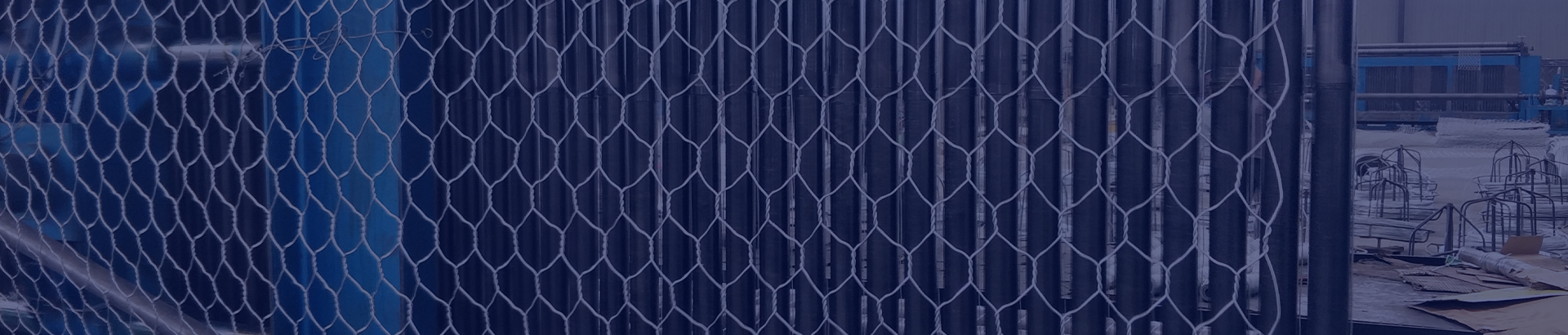
Mesh Razor Wire: Durable, Scalable Security Fencing for Global Use
Understanding Mesh Razor Wire: A Global Security Solution
Mesh razor wire—if you’re not deeply embedded in security or infrastructure, it might sound slightly ominous. Frankly, it’s one of those products that quietly underpins much of modern boundary protection but rarely gets the spotlight it deserves. Worldwide, it plays a pivotal role in securing borders, critical infrastructure, and even humanitarian zones. Why does this matter? Because with rising geopolitical tensions, increasing industrial security needs, and humanitarian crises, mesh razor wire offers a reliable, scalable, and cost-effective solution. So understanding its benefits and applications is key for governments, NGOs, and industry alike.
Global Context: Mesh Razor Wire’s Expanding Role
Globally, the security perimeter market is expected to grow steadily—as reported by multiple sources including the International Organization for Standardization (ISO) focusing on safety and barrier regulations—and mesh razor wire is a high-demand segment. The United Nations often emphasizes cross-border control and safe environments for refugee camps and relief zones; here, this wire comes in handy for rapid deployment of secure zones.
However, the challenges are significant: the need for protection without impeding freedom of movement, durability against harsh climates, and installation speed in emergency settings. Mesh razor wire addresses many such concerns, making it an indispensable hedge against unauthorized access, vandalism, and wildlife intrusion.
What is Mesh Razor Wire?
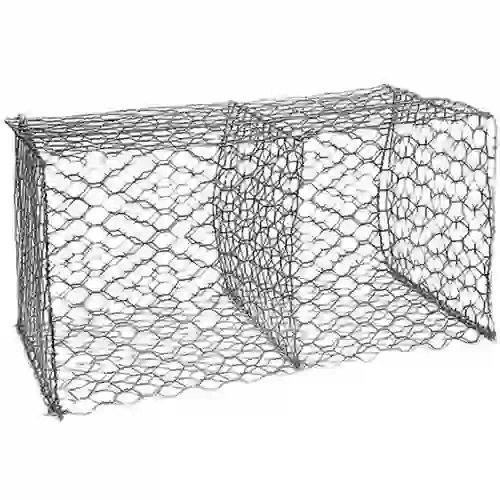
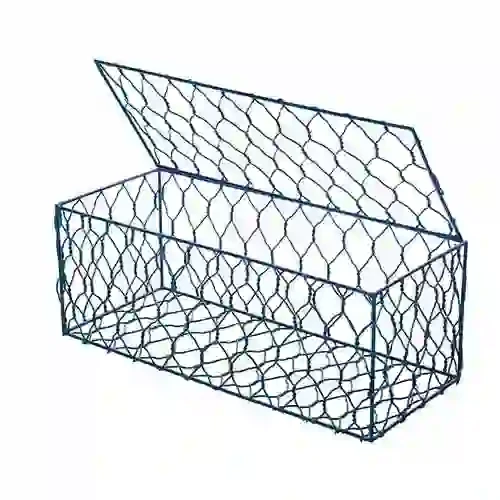
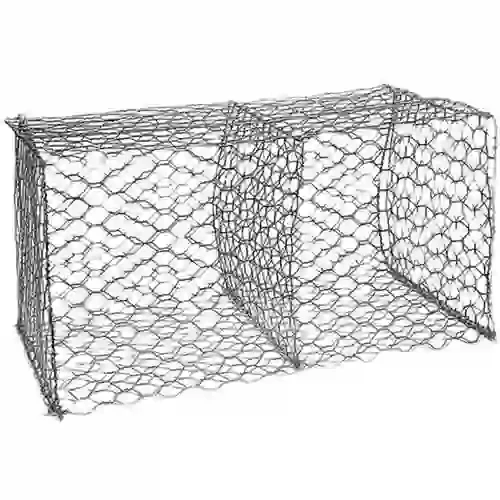
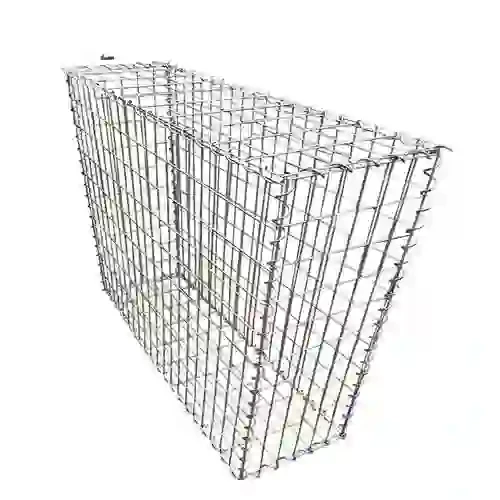
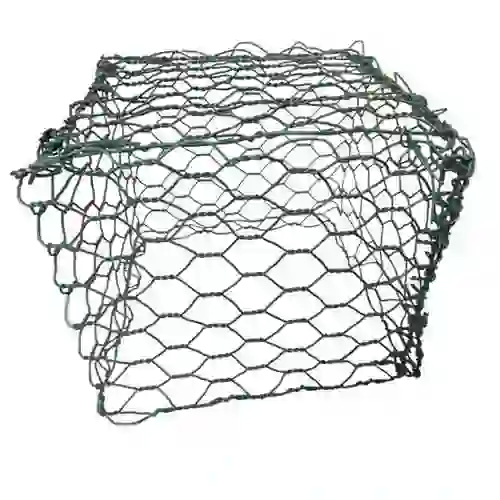
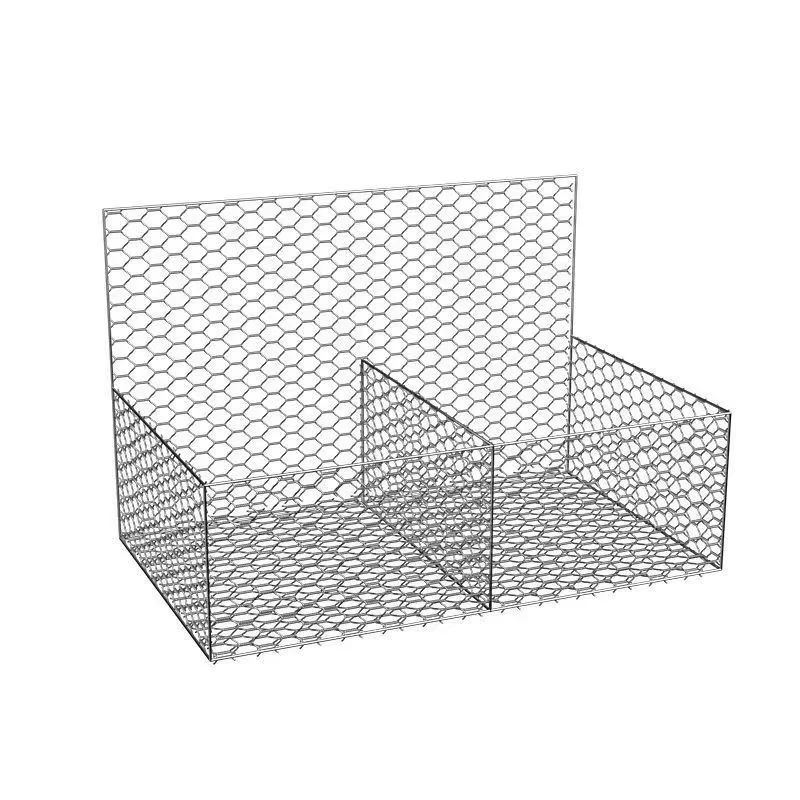
Simply put, mesh razor wire is a type of high-security fencing that combines traditional wire mesh with razor-sharp blades or coils designed to deter human or animal intrusion. Unlike conventional chain-link fences, the razor wire adds a physical and psychological barrier, often augmented with electronics or advanced materials.
It's widely used across industries—from securing military bases, prisons, and airports, to protecting oil fields and even refugee camps managed by humanitarian organizations like UNHCR. The mesh acts as a stable fence while the razor wire is layered on top or interwoven for extra defense.
Key Features of Mesh Razor Wire
- Durability: Galvanized or stainless steel components resist rust and corrosion, essential for outdoor, varied climatic conditions.
- Scalability: Can cover small plots or entire perimeters flexibly, thanks to modular construction.
- Cost-Efficiency: Offers long-lasting protection with relatively low maintenance compared to electronic or concrete barriers.
- Rapid Deployment: Particularly valuable in emergency and humanitarian scenarios requiring fast set-up.
- Customization: Different blade sizes, mesh densities, and coatings adapt to specific security and environmental needs.
These factors make mesh razor wire not just a fence but rather a comprehensive approach to perimeter control that balances protection and practicality.
Mesh Razor Wire Product Specification
| Specification | Details |
|---|---|
| Material | Galvanized Steel / Stainless Steel |
| Blade Type | Concertina / Flat Razor Blades |
| Mesh Size | 25mm - 50mm openings |
| Wire Diameter | 2.5 mm - 4 mm |
| Height Options | 1m to 3m+ |
| Coating | PVC, Galvanized Zinc |
Where is Mesh Razor Wire Used?
Depending on the context, this wire fencing can be found all over the world in numerous sectors:
- Security & Military: Around bases where controlled access is critical.
- Industrial Zones: Oil and gas fields, power stations, and mining facilities often rely on mesh razor wire for perimeter defense.
- Humanitarian Operations: Refugee camps benefit from quick, reliable barriers safeguarding vulnerable populations—balancing security with human rights considerations.
- Agricultural Protection: Preventing wild animal intrusion into farmlands.
- Correctional Facilities: Prisons use layers of fencing integrating razor wire to maintain perimeter integrity.
For instance, in the border regions of Eastern Europe and parts of Africa, rapid deployment of mesh razor wire has enabled governments and NGOs to create secure yet somewhat flexible boundaries, a real challenge when migrating populations and security threats overlap.
Advantages and Lasting Value of Mesh Razor Wire
The benefits, honestly, are many:
- Cost Savings: It lasts longer with minimal upkeep compared to concrete walls or electronic surveillance that require power and frequent repairs.
- Safety & Deterrence: The psychological impact of razor blades can't be overstated—potential intruders tend to think twice.
- Environmental Adaptability: Works in harsh climates, from deserts to tropical zones.
- Social Impact: Used responsibly, it protects vulnerable people in camps and settlements.
It’s ironically reassuring how something so raw can bring peace of mind.
Looking Ahead: Innovations in Mesh Razor Wire
Product developers and engineers continue refining this product—adding corrosion-resistant coatings that use less toxic materials, integrating sensors for intrusion detection, and even incorporating solar-powered lights along fencing for night security.
One budding field is mesh razor wire combined with IoT (Internet of Things) sensors for real-time monitoring, which could revolutionize perimeter management. Green initiatives push manufacturers to recycle and reduce the carbon footprint of production.
Challenges and Practical Solutions
Of course, no solution is flawless. Installing mesh razor wire requires trained personnel to avoid safety hazards during assembly and maintenance. Also, communities sometimes resist the installation, worrying that barriers restrict freedom or worsen social divides.
Innovative approaches—such as community consultations, adjustable height installations, and combining mesh razor wire with green barriers like thorny bushes—can help mitigate these concerns. Training manuals and international standards (ISO 8977 for fencing security) serve as crucial guides here.
FAQ: What You Want to Know About Mesh Razor Wire
- Q: How long does mesh razor wire typically last outdoors?
A: With proper galvanized or stainless steel materials and coatings, it can last 15-20 years even in harsh weather. Regular inspections help extend life. - Q: Is mesh razor wire safe to install near populated areas?
A: Yes, if installed responsibly following safety guidelines and local regulations. Education and signage reduce accidental injuries. - Q: Can mesh razor wire be customized for specific sites?
A: Absolutely. You can choose blade types, mesh sizes, wire thickness, and coatings tailored to security level and environment. - Q: How quickly can mesh razor wire fences be deployed in emergencies?
A: Deployment can happen within hours to days, depending on site scale and workforce availability. It’s favored where time is critical. - Q: What maintenance does mesh razor wire require?
A: Minimal—periodic visual checks for corrosion or damage and removing debris are usually sufficient.
Vendor Comparison: Popular Mesh Razor Wire Providers
| Vendor | Materials | Customization | Price Range | Lead Time |
|---|---|---|---|---|
| WireMeshPro | Galvanized & PVC Coated Steel | High | $$$ | 1-2 weeks |
| SecureFence Ltd. | Stainless Steel | Medium | $$$$ | 2-3 weeks |
| Global Mesh Co. | Galvanized Only | Low | $ | 3-4 weeks |
In Summary
Mesh razor wire, odd as it sounds, feels like the quiet workhorse of global security infrastructure. Its blend of strength, flexibility, and cost-effectiveness means it will likely keep fencing in our future—whether on borders, in camps, or around vital infrastructure. And with evolving technology making it smarter and greener, it’s more than just wire; it’s a vital safety net for millions.
To explore more or seek tailored solutions, please visit WireMeshPro.
References:
1. ISO 8977 Perimeter Fencing Standards, International Organization for Standardization
2. United Nations High Commissioner for Refugees (UNHCR) Reports on Camp Security
3. World Bank Infrastructure Security Projects Overview
-
Quality Black Wire Clothes Hangers for Home and Retail UseNewsApr.16,2026
-
Premium Rose Gold Wire Hangers for Luxury Closet OrganizationNewsApr.09,2026
-
Elevate Your Closet with Stylish Rose Gold Metal Coat HangersNewsApr.07,2026
-
Optimize Your Business with Durable White Wire Clothes HangersNewsApr.04,2026
-
Comprehensive Guide to Buy Wire Clothes Hangers for Optimal Closet OrganizationNewsMar.31,2026
-
Find the Best Deals and Options to Buy Wire Hangers for All Your NeedsNewsMar.28,2026
-
Find the Best Deals to Buy Wire Coat Hangers for Your NeedsNewsMar.26,2026