-
 Phone:
 -
 Email:
Premium Low Carbon Steel Wire - Ductile & Versatile for Industrial Use
Introduction to Advanced Low Carbon Steel Wire Solutions
In the diverse landscape of industrial materials, Low Carbon Steel Wire stands as a cornerstone product, valued for its exceptional ductility, weldability, and cost-effectiveness. Characterized by a carbon content typically ranging from 0.05% to 0.25%, this material offers a unique balance of strength and formability, making it indispensable across a multitude of manufacturing and construction applications. Its inherent malleability allows for extensive cold working processes, such as drawing, bending, and shaping, without compromising its structural integrity. This introduction delves into the critical role this wire plays in modern industry, exploring its fundamental properties and setting the stage for a comprehensive discussion on its manufacturing, technical specifications, and widespread utility in B2B contexts.
Our focus is on providing high-performance, precision-engineered solutions that meet the rigorous demands of various sectors, including automotive, construction, agriculture, and general manufacturing. Understanding the nuances of material science and application-specific requirements is paramount to delivering products that not only perform but also contribute to operational efficiency and longevity.
Current Industry Trends and Market Dynamics
The market for Low Carbon Steel Wire is currently experiencing significant shifts driven by global economic developments, sustainability initiatives, and technological advancements. Key trends include an increasing demand for sustainable and recyclable materials, pushing manufacturers to optimize production processes for reduced environmental impact. There's also a growing emphasis on high-precision and specialty wires for advanced manufacturing, particularly in the automotive and aerospace sectors, where tighter tolerances and enhanced performance characteristics are required.
Furthermore, the expansion of infrastructure projects worldwide, especially in developing economies, continues to fuel demand for construction-related steel wire products. Digital transformation in supply chain management and manufacturing, including IoT integration and automation, is optimizing production efficiency and quality control. According to recent market analyses, the global low carbon steel market is projected to grow steadily, largely attributed to these factors, alongside continuous innovation in surface treatments and alloy compositions to enhance corrosion resistance and specific mechanical properties.
Manufacturers are increasingly investing in R&D to develop wires with improved fatigue strength and better coating adherence, catering to niche applications that require superior durability and longevity. This dynamic environment necessitates that suppliers not only maintain high production standards but also offer flexible, customized solutions to remain competitive.
Manufacturing Process Flow
The production of high-quality Low Carbon Steel Wire is a multi-stage, precision-controlled process, beginning with carefully selected raw materials and culminating in a finished product that meets stringent industry standards. This systematic approach ensures superior mechanical properties and consistent quality.
Process Steps:
1. Raw Material Selection & Inspection
High-grade low carbon steel rods (wire rods), typically conforming to ASTM A510 or equivalent international standards, are sourced. These wire rods, with carbon content usually between 0.05% and 0.25%, undergo rigorous chemical composition and metallurgical structure analysis to ensure purity and consistency. Essential elements like Manganese, Silicon, Phosphorus, and Sulfur are meticulously controlled.
2. Descaling
The wire rods are typically descaled, either mechanically (e.g., reverse bending, shot blasting) or chemically (e.g., acid pickling). This process removes mill scale (iron oxides) from the surface, which is crucial for preventing die wear and ensuring a smooth, defect-free surface finish on the final wire. For chemical descaling, careful rinsing and neutralization follow.
3. Surface Coating
After descaling, the wire surface is coated with a lubricant carrier (e.g., phosphate, borax) and then with a lubricant (e.g., soap, polymer). This coating reduces friction between the wire and the drawing dies, prevents galling, dissipates heat, and extends die life during the subsequent cold drawing process.
4. Cold Drawing (Wire Drawing)
This is the primary shaping process. The wire rod is pulled through a series of progressively smaller dies, reducing its diameter and increasing its length. Cold drawing significantly enhances tensile strength, yield strength, and surface hardness while maintaining ductility. Multiple drawing passes are often required to achieve the desired final diameter and mechanical properties.
5. Heat Treatment (Annealing/Patenting - Optional)
Depending on the desired final properties, the wire may undergo heat treatment. Annealing (recrystallization annealing) softens the wire, increases ductility, and relieves internal stresses, making it suitable for applications requiring extensive bending or forming. Patenting involves heating to an austenitic temperature followed by controlled cooling to achieve a fine pearlite structure, optimizing strength and ductility for further drawing.
6. Surface Treatment & Finishing
Further treatments such as galvanizing (hot-dip or electro-galvanizing) are applied for enhanced corrosion resistance, particularly for outdoor or corrosive environment applications. Other coatings like PVC or specialized polymers can be added for specific aesthetic or functional requirements (e.g., insulation, color coding). Surface smoothness and uniformity are critical at this stage.
7. Quality Control & Testing
Throughout and after the process, rigorous testing is conducted. This includes tensile strength, yield strength, elongation, torsion, bend tests, and surface integrity checks. Dimensional accuracy (diameter, ovality) is verified. Chemical analysis is often repeated. Compliance with standards like ISO 9001, ASTM, JIS, and DIN ensures product consistency and reliability. Service life considerations are often evaluated through accelerated aging tests.
8. Packaging & Dispatch
Finished wires are coiled, spooled, or cut to length according to customer specifications. Proper packaging prevents damage during transit and storage. Labeling includes critical information such as product type, dimensions, batch number, and relevant standards. Logistics are optimized for timely and secure delivery to various industries, particularly petrochemical, metallurgy, and water supply & drainage.
This meticulous process ensures that each batch of low carbon steel wire demonstrates superior energy saving properties in manufacturing through optimized drawing processes, and enhanced corrosion resistance due to advanced surface treatments, meeting the specified technical requirements for diverse applications.
Technical Specifications and Parameters
The performance and suitability of Low Carbon Steel Wire are defined by a precise set of technical specifications and material parameters. Understanding these is critical for engineers and procurement specialists to select the appropriate wire for their specific application, ensuring optimal performance and cost efficiency.
Typical Product Specifications:
| Parameter | Value/Range | Description/Standard |
|---|---|---|
| Material Grade | SAE 1006, 1008, 1010, Q195, Q235 | Common low carbon steel grades per ASTM, SAE, or GB standards. |
| Carbon Content (C) | 0.05% - 0.25% | Determines ductility and weldability; lower carbon means higher ductility. |
| Manganese Content (Mn) | 0.25% - 0.60% | Enhances strength and hardenability, deoxidizer. |
| Tensile Strength (Rm) | 350 - 550 MPa (50-80 ksi) | Resistance to fracture under tensile stress. Varies with cold drawing extent. |
| Yield Strength (Rp0.2) | 250 - 450 MPa (36-65 ksi) | Stress at which plastic deformation begins. |
| Elongation (A5) | 15% - 30% | Measure of ductility; higher values indicate better formability. |
| Wire Diameter Range | 0.2 mm - 10 mm (0.008 in - 0.4 in) | Available range for various applications, precise tolerances. |
| Surface Finish | Bright, Galvanized, Phosphated, Copper Coated | Protective coatings for corrosion resistance or aesthetic purposes. |
| Coil Weight | 20 kg - 1000 kg (44 lbs - 2200 lbs) | Standard coil sizes for industrial use. |
| Hardness (HV) | 100 - 180 HV | Vickers Hardness, indicative of resistance to indentation. |
These specifications are rigorously tested to ensure compliance with international standards such as ASTM A510/A510M for General Requirements for Wire Rods and Coarse Round Wire, Carbon Steel, and specific standards like ASTM A641 for Zinc-Coated (Galvanized) Carbon Steel Wire. Our quality assurance protocols adhere to ISO 9001 standards, guaranteeing traceability and performance reliability across all product batches.
Key Technical Advantages
The inherent characteristics of low carbon steel wire offer a compelling array of technical advantages that drive its widespread adoption across diverse industries. These benefits translate directly into enhanced performance, reduced operational costs, and greater design flexibility for end-users.
- Superior Ductility and Formability: With its low carbon content, this wire exhibits excellent ductility, allowing it to be easily drawn, bent, and formed into complex shapes without fracturing. This makes it ideal for applications requiring extensive cold working, such as the production of fasteners, mesh, and intricate components. This property also contributes to ease of installation in many application scenarios.
- Excellent Weldability: The low carbon content significantly improves the weldability of the steel wire, making it highly compatible with various welding processes (e.g., resistance welding, MIG, TIG). This simplifies fabrication processes, reduces welding defects, and results in strong, reliable joints, particularly critical in the manufacturing of welded mesh and structural components.
- Cost-Effectiveness: Compared to higher carbon or alloy steels, low carbon steel is generally more economical to produce and process. Its abundance and ease of fabrication contribute to lower material and manufacturing costs, offering a financially viable solution for high-volume production requirements without compromising essential mechanical properties.
- Enhanced Surface Finish Options: The wire can accept a wide range of surface treatments, including galvanization, PVC coating, and phosphating. These treatments significantly enhance corrosion resistance, extend service life, and can provide specific aesthetic or functional properties such as electrical insulation or color coding, making it suitable for harsh environments (e.g., marine, petrochemical).
- Consistency and Reliability: Through stringent quality control during manufacturing, the wire delivers consistent mechanical properties and dimensional accuracy. This predictability is crucial for automated manufacturing processes, reducing downtime and ensuring product uniformity, which is vital in industries like automotive and construction where precision is paramount.
- Recyclability: As a ferrous material, low carbon steel wire is 100% recyclable, aligning with modern sustainability goals and contributing to a circular economy. This environmental advantage is increasingly important for businesses aiming to reduce their carbon footprint and meet regulatory requirements.
These technical advantages underscore why low carbon steel wire remains a preferred material choice for a vast array of applications, offering a robust blend of mechanical performance, economic viability, and adaptability.
Diverse Application Scenarios and Target Industries
The versatility of low carbon steel wire makes it an essential material across a broad spectrum of industries, enabling a multitude of critical applications. Its unique combination of ductility, strength, and ease of fabrication allows for deployment in both structural and non-structural components.
Target Industries:
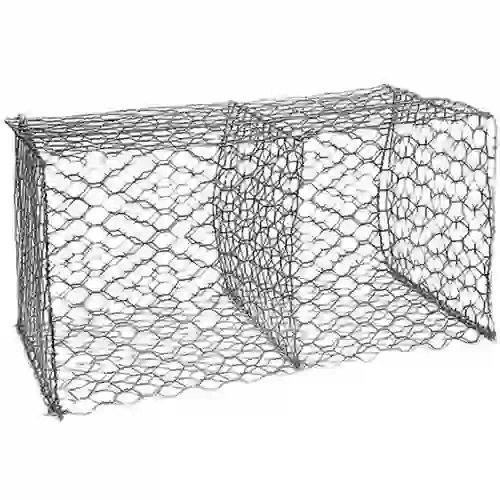
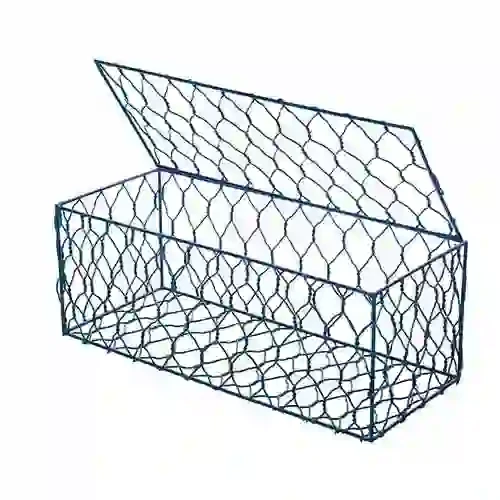
- Construction: Used extensively in concrete reinforcement (rebar ties, mesh), binding wires, gabions, and general structural support. Its ease of handling and welding simplifies on-site fabrication.
- Agriculture: Vital for fencing, trellising systems, vineyard wires, and baling wire. Galvanized options provide extended service life in outdoor, often corrosive, agricultural environments.
- Automotive: Employed in seat frames, suspension springs, control cables, and various small components. Precision-drawn wires meet the demanding specifications for safety and durability.
- General Manufacturing: For fasteners (nails, screws, rivets), wire mesh products (safety guards, filters, cages), shopping carts, and various components requiring forming and welding.
- Petrochemical & Energy: In certain non-corrosive structural supports, cable armoring, and industrial filtration systems where material strength and cost-effectiveness are prioritized. Specific surface treatments can enhance resistance for moderate exposure.
- Water Supply & Drainage: For reinforcing cages in concrete pipes, structural components in filtration beds, and general support structures in water treatment facilities. Corrosion resistance is paramount, often requiring galvanization.
- Household & Consumer Goods: Appliance racks, shelving, coat hangers, and various internal structural elements.
Advantages in Typical Scenarios:
Energy Saving in Fabrication
Due to its excellent formability, low carbon steel wire requires less energy for bending, shaping, and drawing operations compared to higher carbon steels. This translates to lower power consumption during manufacturing processes, particularly in high-volume production lines for items like nails, mesh, and springs, contributing to overall operational cost reduction and a smaller carbon footprint.
Enhanced Corrosion Resistance
When galvanized or coated with other protective layers (e.g., PVC), the wire exhibits significantly enhanced corrosion resistance. This is crucial for outdoor applications, marine environments, and exposure to moisture or mild chemicals, dramatically extending the service life of products like fencing, gabions, and support structures in water treatment plants, thereby reducing maintenance and replacement costs.
The adaptability and robust performance of low carbon steel wire in these varied environments underscore its strategic importance as a material choice for B2B applications demanding reliability and efficiency.
Vendor Comparison: Key Differentiators
Selecting the right supplier for Low Carbon Steel Wire is critical for ensuring product quality, supply chain reliability, and ultimately, project success. While many vendors offer similar products, key differentiators can significantly impact value and performance. This comparison highlights crucial aspects to consider beyond just price.
| Feature | Leading Supplier (e.g., WireMeshPro) | Standard Vendor |
|---|---|---|
| Quality Certifications | ISO 9001:2015, ASTM, DIN, JIS compliance, specific product certifications (e.g., for automotive, construction). | Basic ISO 9001, limited adherence to international material-specific standards. |
| Customization Capabilities | Extensive: Custom diameters, tensile strengths, coatings (e.g., specialized polymers), coil sizes, packaging. Dedicated engineering support. | Limited: Mostly standard product offerings with minor variations. |
| R&D and Innovation | Continuous investment in process optimization, new material treatments, enhanced corrosion resistance, improved energy efficiency. | Minimal R&D, focus on maintaining existing product lines. |
| Lead Time & Fulfillment | Optimized supply chain, flexible production schedules, global logistics network, rapid prototyping for custom orders. Typical lead time 2-4 weeks. | Standard lead times (4-8 weeks), less flexibility for urgent orders. |
| Technical Support & Service | Dedicated technical sales engineers, post-sales support, problem-solving assistance, material consultation. | Basic order processing and limited technical assistance. |
| Sustainability Practices | Adherence to environmental regulations, energy-efficient manufacturing, high recyclability focus, lower carbon footprint initiatives. | Basic compliance with local regulations, less emphasis on proactive sustainability. |
A leading supplier, such as WireMeshPro, distinguishes itself through a commitment to advanced quality control, innovative solutions, and comprehensive customer support, ensuring that clients receive not just a product, but a complete, reliable, and optimized solution for their specific industrial needs. This extends to decades of proven experience serving diverse B2B clients, building authoritative trust.
Customized Solutions for Specific Applications
Recognizing that standard products often do not fully address unique operational challenges, we specialize in providing tailored low carbon steel wire solutions. Our approach begins with a thorough understanding of the client's application, performance requirements, and environmental conditions.
Customization can involve a range of parameters:
- Specific Diameters and Tolerances: Precision drawing to achieve non-standard wire gauges or exceptionally tight dimensional tolerances for automated feeding systems or critical components.
- Tailored Mechanical Properties: Adjusting tensile strength, yield strength, and elongation through controlled cold drawing and selective heat treatments (e.g., patenting for specific spring applications or full annealing for maximum ductility).
- Specialized Surface Coatings: Beyond standard galvanization, we offer custom polymer coatings, phosphating for enhanced paint adhesion, or bespoke anti-corrosion treatments for highly aggressive environments.
- Optimized Packaging and Delivery: Custom coil sizes, spooling configurations, or cut-to-length options to seamlessly integrate with client manufacturing lines, reducing waste and improving efficiency.
- Alloy Modifications: Minor adjustments to elemental composition (e.g., trace elements) for specific characteristics like improved fatigue resistance or enhanced machinability.
Our engineering team collaborates closely with clients from conceptualization to deployment, leveraging decades of material science expertise to develop solutions that optimize performance, reduce material waste, and streamline production processes. This collaborative model ensures that even the most complex requirements for steel wire are met with precision and innovation.
Application Case Studies
Real-world applications demonstrate the tangible benefits of utilizing high-quality low carbon steel wire in demanding industrial contexts. These case studies highlight our commitment to delivering reliable and high-performance solutions.
Case Study 1: Automotive Seat Frame Manufacturing
Client: Tier-1 Automotive Supplier
Challenge: The client required a specific diameter (3.5mm) steel wire with consistent tensile strength (450 MPa ± 10 MPa) and high formability for robotic bending and welding in mass-produced automotive seat frames. Inconsistent material properties led to increased scrap rates and production downtime.
Solution: We provided a customized batch of precision-drawn low carbon steel wire, manufactured under strict process control, including specialized heat treatment (controlled annealing) to achieve the exact mechanical properties. Our technical team collaborated to fine-tune coating for optimal feeding and welding performance.
Result: The client reported a 15% reduction in scrap rate, a 7% increase in production line efficiency due to improved wire feeding, and enhanced weld consistency, leading to significant cost savings and improved product quality. Customer feedback highlighted the exceptional consistency and reliability of our wire, contributing to their improved competitiveness.
Case Study 2: Agricultural Fencing for Coastal Regions
Client: Large-scale Agricultural Co-op (Coastal Farm)
Challenge: Standard galvanized fencing wire experienced premature corrosion and failure within 2-3 years due to high salinity and humidity in the coastal environment, incurring high replacement costs.
Solution: We supplied a heavy-duty galvanized low carbon steel wire (ASTM A641 Class III equivalent coating) with an additional polymer topcoat. This dual-layer protection was specifically engineered to withstand aggressive marine environments. We also advised on installation best practices to maximize longevity.
Result: The upgraded fencing wire demonstrated a projected service life exceeding 10 years, a substantial improvement over previous materials. The client noted significant reductions in maintenance labor and material replacement costs, achieving a higher return on investment for their infrastructure.
These instances exemplify our capability to deliver tailored solutions that address specific client challenges, reinforcing our reputation for expertise and reliability in critical applications.
Quality Assurance, Certifications, and Authoritative References
Our commitment to excellence in manufacturing and supply of low carbon steel wire is underpinned by a robust quality assurance framework and adherence to international standards. This commitment ensures that every product leaving our facilities meets the highest benchmarks for performance, safety, and durability.
Certifications and Standards:
- ISO 9001:2015 Certified: Our entire manufacturing and quality management system is certified to ISO 9001:2015, ensuring consistent product quality through well-defined processes, continuous improvement, and customer focus.
- ASTM Compliance: All relevant products conform to American Society for Testing and Materials (ASTM) standards, including ASTM A510/A510M (Wire Rods, Carbon Steel) and ASTM A641 (Zinc-Coated Carbon Steel Wire), ensuring material integrity and performance.
- DIN & JIS Adherence: Where applicable, our wires also meet German Institute for Standardization (DIN) and Japanese Industrial Standards (JIS) requirements, broadening our compatibility with international engineering specifications.
- Rigorous In-House Testing: Beyond external audits, we conduct comprehensive in-house testing, including Spectrographic analysis for chemical composition, universal tensile testing for mechanical properties (tensile strength, yield, elongation), bend/wrap tests for ductility, and salt spray tests for corrosion resistance.
Partner Clients and Experience:
With over two decades of dedicated service in the B2B steel industry, we have cultivated long-standing partnerships with leading enterprises in construction, automotive, agriculture, and general manufacturing sectors globally. Our extensive portfolio includes projects for major infrastructure developers, top-tier automotive component manufacturers, and large-scale agricultural operations, testament to our reliability and product quality. This experience has honed our ability to understand diverse client needs and consistently exceed expectations, establishing us as an authoritative source in the market.
Our commitment to transparent reporting and verifiable test data empowers our clients with the confidence that they are sourcing materials from an expert and trustworthy partner.
Frequently Asked Questions (FAQ)
Q1: What is the primary difference between low, medium, and high carbon steel wire?
Low carbon steel wire (0.05-0.25% C) offers high ductility and weldability, making it ideal for bending and forming. Medium carbon steel (0.25-0.60% C) provides increased strength and hardness but reduced ductility, often used for structural components and machinery parts. High carbon steel (0.60-1.25% C) is very strong and hard, suitable for springs and cutting tools, but has poor weldability and ductility.
Q2: How does galvanization enhance the service life of low carbon steel wire?
Galvanization involves coating the steel wire with a layer of zinc. Zinc acts as a sacrificial anode, corroding preferentially to the steel and providing cathodic protection. This significantly slows down the corrosion process of the underlying steel, extending the service life, especially in outdoor or humid environments, by several years compared to uncoated wire.
Q3: Can your low carbon steel wire be customized for specific mechanical properties?
Yes, absolutely. We offer extensive customization for low carbon steel wire. Through precise control of the cold drawing process and optional heat treatments like annealing or patenting, we can tailor tensile strength, yield strength, elongation, and hardness to meet very specific application requirements. Our engineering team works closely with clients to define these custom specifications.
Q4: What are your typical lead times for bulk orders?
Standard bulk orders typically have a lead time of 2-4 weeks from order confirmation to dispatch. For highly customized specifications or unusually large volumes, lead times may extend to 4-6 weeks. We prioritize transparent communication regarding production schedules and strive to meet critical deadlines through efficient planning and logistics management.
Lead Time, Warranty, and Customer Support
Lead Time and Fulfillment:
Our streamlined manufacturing processes and robust supply chain enable efficient order fulfillment. For standard low carbon steel wire products, typical lead times range from 2 to 4 weeks. Custom orders, depending on complexity and volume, may require 4 to 6 weeks. We maintain a clear communication channel with our clients, providing regular updates on order status and logistics, ensuring timely delivery to minimize project delays. Expedited options are available upon request and feasibility assessment.
Warranty Commitments:
We stand behind the quality of our low carbon steel wire products. All materials are warranted to be free from defects in material and workmanship and to meet the published specifications and agreed-upon standards for a period of 12 months from the date of shipment. This warranty covers material performance under normal operating conditions and applies to products that have been properly handled, stored, and installed according to industry best practices.
Dedicated Customer Support:
Our commitment to client satisfaction extends beyond product delivery. We provide comprehensive after-sales support, including technical assistance for product application, troubleshooting, and material performance queries. Our team of experienced technical sales engineers and metallurgists is available to offer expert advice and resolve any challenges, ensuring that our clients maximize the value and performance of our steel wire solutions. For inquiries, please contact us via our website or dedicated support line.
Conclusion
In conclusion, Low Carbon Steel Wire remains a critical and highly versatile material for modern industries, offering an unparalleled combination of ductility, weldability, and cost-effectiveness. Our commitment to advanced manufacturing processes, stringent quality control, and innovative customized solutions ensures that our clients receive products that not only meet but exceed their specific application demands. By focusing on technical excellence, robust quality assurance, and dedicated customer support, we empower businesses to achieve superior performance and efficiency in their operations.
References
- 1. ASTM International. "ASTM A510/A510M-20: Standard Specification for General Requirements for Wire Rods and Coarse Round Wire, Carbon Steel." ASTM Standards.
- 2. Wire Association International (WAI) Journal. "The Metallurgy of Steel Wire." Various issues, e.g., Vol. 64, No. 3, 2021.
- 3. Journal of Materials Processing Technology, Elsevier. "Innovations in Steel Wire Manufacturing and Applications." Specific volumes, e.g., Vol. 211, Issue 4, 2011.
- 4. ISO (International Organization for Standardization). "ISO 9001:2015 - Quality management systems — Requirements."
-
Quality Black Wire Clothes Hangers for Home and Retail UseNewsApr.16,2026
-
Premium Rose Gold Wire Hangers for Luxury Closet OrganizationNewsApr.09,2026
-
Elevate Your Closet with Stylish Rose Gold Metal Coat HangersNewsApr.07,2026
-
Optimize Your Business with Durable White Wire Clothes HangersNewsApr.04,2026
-
Comprehensive Guide to Buy Wire Clothes Hangers for Optimal Closet OrganizationNewsMar.31,2026
-
Find the Best Deals and Options to Buy Wire Hangers for All Your NeedsNewsMar.28,2026
-
Find the Best Deals to Buy Wire Coat Hangers for Your NeedsNewsMar.26,2026