-
 Phone:
 -
 Email:
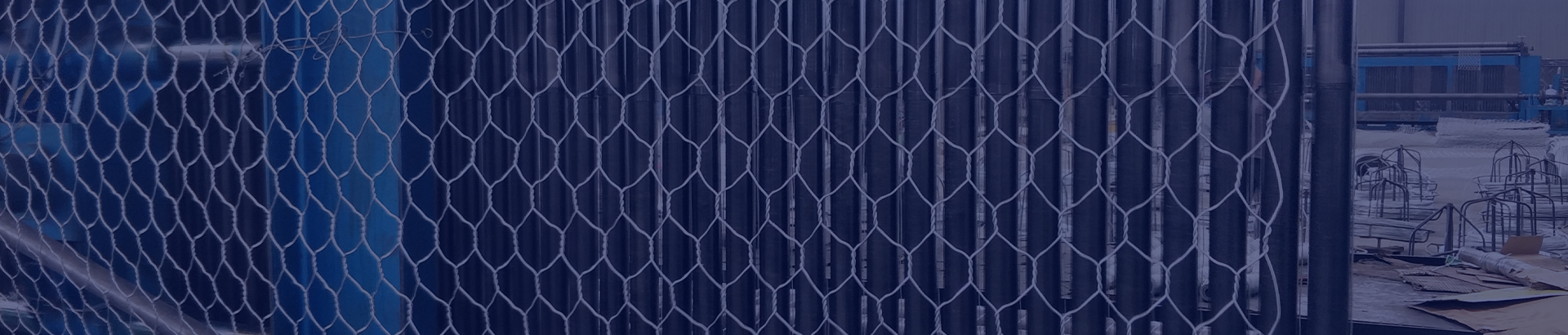
Erosion Control Mattress | Durable, Effective Solutions
The Critical Role of Advanced Erosion Control Solutions in Infrastructure Development
In an era of increasing climate volatility and expanding infrastructure projects, effective erosion control is paramount for long-term stability and environmental protection. For B2B stakeholders in construction, civil engineering, and environmental management, selecting robust, durable, and sustainable solutions is a critical decision. Among these, the Erosion Control Mattress stands out as a foundational technology. These engineered systems are designed to mitigate soil loss, stabilize slopes, reinforce waterways, and promote vegetation, offering an indispensable tool for protecting valuable assets and ensuring project longevity. This article delves into the technical intricacies, application benefits, and strategic considerations surrounding these essential geotechnical components, offering insights for informed decision-making.
Evolving Industry Trends in Erosion Control Technology
The global erosion control market is undergoing significant transformation, driven by a confluence of factors including stringent environmental regulations, growing infrastructure investment, and an increasing focus on sustainable engineering practices. Key trends impacting the adoption and development of solutions like the Erosion Control Mattress include:
- Sustainable and Bio-engineering Solutions: There's a strong push towards solutions that integrate with natural ecosystems, promoting revegetation and minimizing ecological footprint. Products designed to facilitate natural plant growth while providing structural integrity are gaining preference.
- Advanced Materials Science: Innovations in material composition, such as advanced coatings for increased corrosion resistance (e.g., Galfan, PVC-coated steel) and more durable geotextile components, are extending service life and performance.
- Digitalization and Smart Monitoring: The integration of IoT sensors and drone technology for real-time monitoring of erosion sites allows for proactive maintenance and optimized intervention strategies. Predictive modeling is also becoming crucial for site-specific risk assessment.
- Increased Focus on Resilience: With climate change leading to more extreme weather events, the demand for erosion control systems capable of withstanding higher hydraulic forces and greater soil saturation is rising. This drives the need for robust, high-performance systems.
- Pre-fabrication and Modular Systems: To reduce on-site labor and accelerate installation, pre-fabricated modular erosion control components are becoming more prevalent, offering efficiency and consistent quality.
These trends underscore the importance of choosing sophisticated, expertly engineered erosion control solutions that not only address immediate challenges but also contribute to long-term environmental and structural resilience.
Technical Specifications and Manufacturing Precision of the Erosion Control Mattress
The effectiveness of an Erosion Control Mattress is directly proportional to its design integrity, material quality, and manufacturing precision. Understanding these technical specifications is crucial for engineers and project managers.
Core Materials and Structural Design
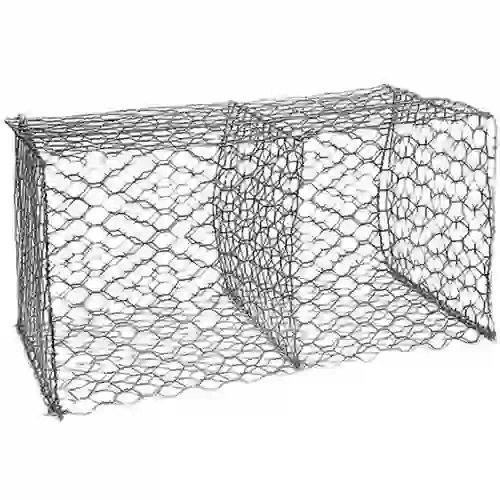
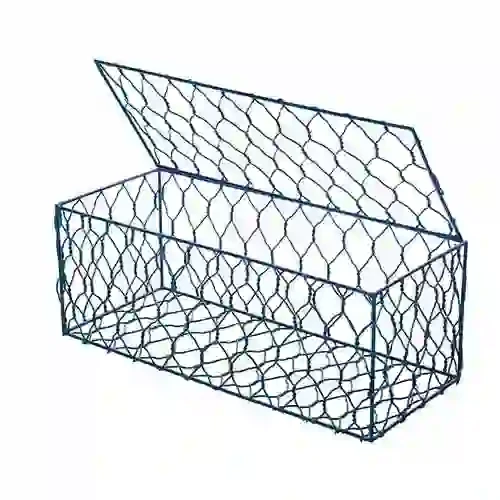
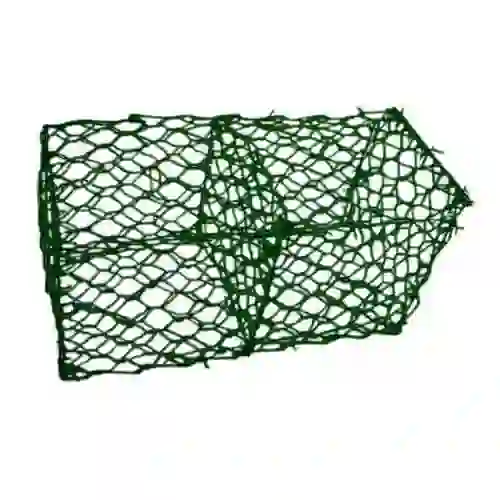
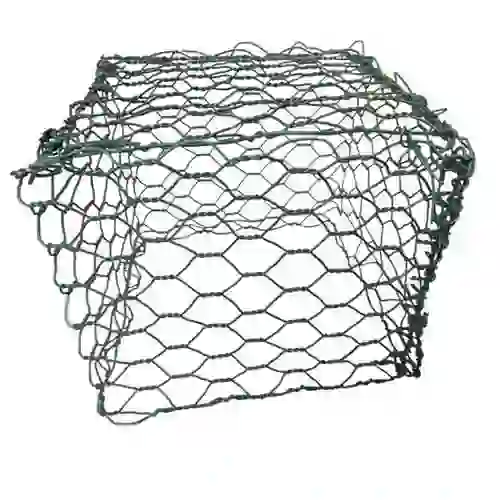
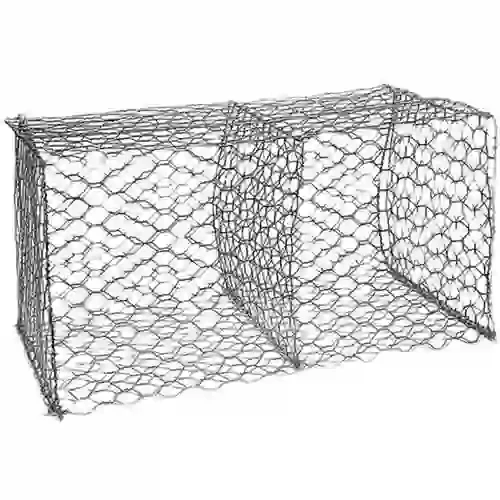
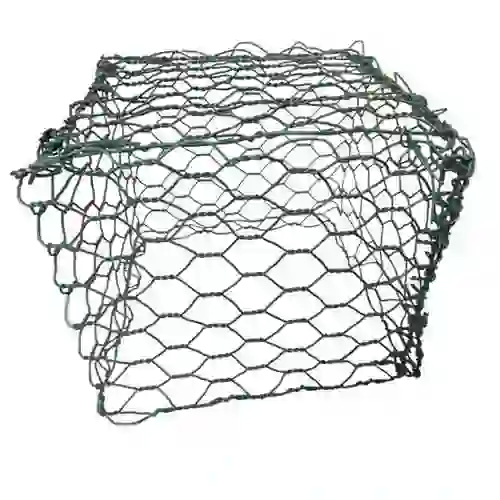
Typically constructed from double-twisted, hexagonal woven wire mesh, these mattresses are designed to be flexible yet incredibly strong. The primary materials include:
- Galvanized Steel Wire: High-tensile steel wire, heavily galvanized with zinc coating (e.g., meeting ASTM A641/A975 standards) for initial corrosion protection.
- Galfan/Zinc-Aluminum Alloy Coated Wire: Offering superior corrosion resistance compared to standard galvanization, especially in aggressive environments. This coating typically consists of 95% Zinc and 5% Aluminum, meeting standards like ASTM A856/A856M.
- PVC-Coated Galvanized/Galfan Wire: An additional layer of PVC (Polyvinyl Chloride) coating (typically 0.5mm thick) provides enhanced chemical resistance and extends service life significantly, particularly in saltwater, acidic, or polluted environments.
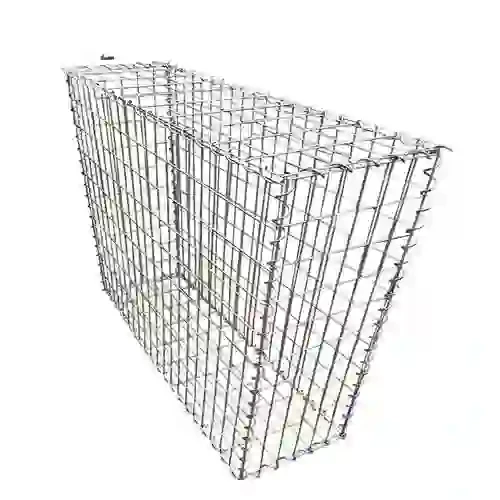
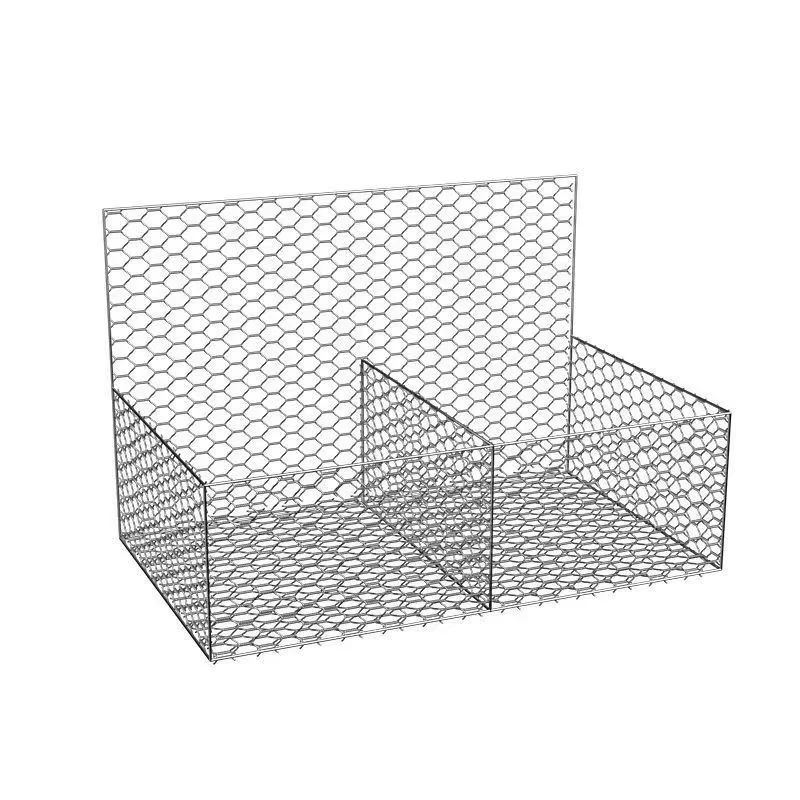
The double-twisted mesh structure ensures that if a wire breaks, the integrity of the surrounding mesh is maintained, preventing unraveling. The mattress typically features internal diaphragms that create compartments, which are then filled with angular, hard-wearing rock fill on-site. This cellular confinement system creates a monolithic, flexible structure that can conform to ground movement without fracturing.
Detailed Manufacturing Process Flow
The manufacturing of these systems is a multi-stage process involving stringent quality control at each step. This ensures durability, consistency, and compliance with international standards.
- Material Sourcing & Quality Control: High-tensile steel wire rods are sourced from certified suppliers. Incoming material undergoes rigorous testing for chemical composition, tensile strength, and elongation in accordance with ISO 9001 quality management systems and specific material standards (e.g., ASTM A510).
- Wire Drawing: The steel rods are drawn through a series of dies to achieve the precise wire diameter required (e.g., 2.2 mm to 4.0 mm). This process is carefully controlled to maintain wire strength and ductility.
- Corrosion Protection (Galvanization/Galfan Coating): The drawn wire undergoes hot-dip galvanization or Galfan coating. This involves cleaning, fluxing, and dipping the wire into molten zinc or zinc-aluminum alloy baths. Coating thickness is meticulously checked using non-destructive methods (e.g., magnetic induction) to meet specifications like ASTM A641 Class A/B or ASTM A856/A856M.
- PVC Coating (Optional but Recommended): For extended service life and resistance in aggressive environments, the galvanized/Galfan wire is then extrusion-coated with a UV-stabilized PVC compound. The PVC adhesion and thickness (typically 0.5mm minimum) are continuously monitored to ensure uniform coverage and bonding, complying with EN 10245-2 standards.
- Mesh Weaving: The coated wire is fed into specialized double-twist weaving machines. These machines mechanically interlace pairs of wires to form hexagonal mesh openings (e.g., 60x80mm, 80x100mm, 100x120mm). The automated process ensures consistent mesh size and twist count, critical for structural integrity as per ASTM A975.
- Cutting and Edge Reinforcement: The continuous mesh is cut to the specified mattress dimensions. All external edges and internal diaphragms are reinforced with heavier selvedge wires to prevent unraveling and provide strong connections during assembly.
- Assembly and Folding: The cut mesh panels and diaphragms are assembled and securely fastened (e.g., using lacing wire or C-rings) to form the mattress units. These units are then flattened and folded into compact bundles for efficient transportation.
- Final Quality Assurance & Testing: Before packaging, each batch undergoes final inspection, including dimensional checks, mesh integrity verification, wire diameter measurement, and coating adherence tests. Samples may also be subjected to destructive tests for tensile strength of the mesh and connections. Compliance with international standards such as ISO 9001, ASTM A975, and EN 10223-3 is verified.
- Packaging and Logistics: Mattresses are compressed, bundled, and often wrapped for protection during transit, ensuring they arrive on-site in optimal condition.
Typical Product Specifications
Below is a representative table of specifications for common configurations, highlighting key parameters for engineers.
| Parameter | Description/Standard Range | Typical Values |
|---|---|---|
| Wire Diameter (Mesh) | 2.0mm - 3.0mm (standard) | 2.2 mm, 2.7 mm |
| Wire Diameter (Selvedge) | Min. 3.0mm (always heavier than mesh wire) | 3.4 mm |
| Mesh Opening (Hexagonal) | 60x80mm, 80x100mm, 100x120mm | 60x80 mm, 80x100 mm |
| Mattress Thickness | 0.17m, 0.23m, 0.30m | 0.23 m |
| Mattress Width | 2.0m - 4.0m | 2.0 m, 3.0 m |
| Mattress Length | 2.0m - 6.0m (custom lengths available) | 4.0 m, 6.0 m |
| Corrosion Protection | Heavy Galvanized (ASTM A641), Galfan (ASTM A856), PVC Coated (EN 10245-2) | Galfan + PVC Coating |
| Tensile Strength (Mesh) | Min. 45-55 kN/m (varies by wire dia. and mesh size) | > 50 kN/m |
| Service Life | Galvanized: 10-25 yrs, Galfan: 25-50 yrs, PVC Coated: 50-100+ yrs | 50-100+ years (PVC Coated) |
Technical Advantages and Performance Benefits
The sophisticated engineering of the Erosion Control Mattress translates into a range of significant technical and operational advantages for various projects.
- Superior Erosion Resistance: The combination of the wire mesh structure and rock infill creates a highly stable, permeable system that dissipates hydraulic energy from flowing water, effectively preventing scour and soil migration. This is particularly crucial in high-velocity water channels and wave-impact zones.
- Exceptional Flexibility and Adaptability: Unlike rigid concrete structures, these mattresses can conform to minor ground settlements and differential movements without cracking or losing integrity. This flexibility is vital in unstable soil conditions or areas prone to seismic activity.
- Long Service Life and Durability: With advanced coatings like Galfan and PVC, the wire mesh components are highly resistant to corrosion, abrasion, and UV degradation. A PVC-coated system can reliably perform for 50-100 years, drastically reducing maintenance cycles and associated costs compared to less durable solutions.
- Permeability and Drainage: The open-mesh structure filled with rocks allows for free drainage of water through the system, preventing hydrostatic pressure buildup behind the structure. This reduces the risk of structural failure and improves overall stability.
- Environmental Integration and Revegetation: The inherent structure of the mattress, particularly with smaller rock fill, facilitates the collection of fine soil particles and promotes natural vegetation growth. This integrates the structure into the landscape over time, enhancing aesthetic appeal and ecological value, contributing to bioengineering goals.
- Cost-Effectiveness and Energy Saving: While the initial material cost might be comparable to some alternatives, the long-term cost-effectiveness is significant. Reduced installation time (due to modularity), minimal maintenance requirements, and extended service life lead to substantial lifecycle cost savings. Furthermore, the use of locally sourced rock fill minimizes transportation energy costs, supporting sustainable practices.
- High Shear Strength: The mass of the rock-filled mattress combined with the interlocking mesh provides excellent resistance to shear forces, making it ideal for slope stabilization and retaining wall applications.
Application Scenarios and Target Industries
The versatility and robust performance of the Erosion Control Mattress make it an indispensable solution across a wide array of industries and challenging environmental contexts. Its adaptability to various hydrological and geotechnical conditions ensures its broad applicability.
- Water Supply & Drainage:
- River and Canal Bank Protection: Stabilizes banks against scour from water flow, wave action, and fluctuating water levels. Essential for preventing loss of riparian land and maintaining channel integrity.
- Weir and Spillway Protection: Dissipates energy at the toe of weirs and spillways, preventing undermining and structural failure.
- Reservoir and Lake Shoreline Reinforcement: Protects against erosion caused by wind-driven waves and changes in water levels.
- Drainage Channel Linings: Provides durable, permeable lining for drainage channels, preventing erosion and promoting natural water flow.
- Petrochemical & Industrial Facilities:
- Pipeline Protection: Stabilizes slopes and trenches around critical pipelines, protecting them from exposure and damage due to erosion.
- Containment Berms and Dykes: Used to reinforce and protect earth structures in secondary containment areas, ensuring integrity against environmental degradation.
- Shoreline Protection for Waterfront Facilities: Guards against erosion at docks, jetties, and other coastal infrastructure within industrial zones.
- Metallurgy & Mining:
- Tailings Dam Slope Stabilization: Provides crucial stability to the slopes of tailings dams, preventing catastrophic failures and managing environmental risks.
- Access Road Embankment Protection: Secures embankments for roads leading to mining sites, especially in challenging, erodible terrains.
- Waste Dump Stabilization: Controls erosion on the outer slopes of waste dumps, promoting revegetation and long-term stability.
- Transportation Infrastructure (Road & Rail):
- Embankment and Cut Slope Stabilization: Protects road and railway embankments and cut slopes from rainfall runoff and wind erosion, preventing landslides and maintaining structural integrity.
- Bridge Abutment Protection: Prevents scour around bridge foundations, a critical factor for bridge longevity and safety.
- Coastal & Marine Protection:
- Seawalls and Groynes Protection: Used as apron elements to dissipate wave energy and prevent toe scour of larger coastal defense structures.
- Dune Stabilization: Aids in stabilizing coastal dunes, fostering natural recovery and protection against storm surges.
The adaptability of these systems allows for tailored solutions that address the specific geotechnical, hydraulic, and environmental challenges of each project.
Vendor Comparison: Key Factors for Selection
Choosing the right supplier for Erosion Control Mattress solutions requires a comprehensive evaluation beyond just price. Project success hinges on material quality, technical support, and vendor reliability. Here’s a comparison of critical factors:
| Feature/Criterion | Standard Vendor | Premium/Specialized Vendor (e.g., WireMeshPro) |
|---|---|---|
| Material Quality & Coatings | Often heavy galvanized only; inconsistent wire quality; limited coating options. | High-tensile, certified wire (ASTM A975); extensive coating options (Galfan, PVC with UV stabilizer); strict QC (ISO 9001). |
| Manufacturing Standards | May not meet international standards consistently; manual or semi-automated processes. | Fully automated double-twist weaving; adherence to global standards (EN 10223-3, ASTM A975); certified production lines. |
| Product Customization | Limited range of sizes and mesh types; rigid product catalog. | Extensive customization for dimensions, mesh size, wire diameter, coating types; engineering design support. |
| Technical Support & Expertise | Basic product information; limited engineering guidance. | Dedicated engineering team for project analysis, design recommendations, hydraulic calculations, and on-site assistance. |
| Lead Time & Logistics | Variable and often long lead times; limited global shipping capabilities. | Optimized production schedule; efficient global logistics network; clear lead time commitments. |
| Warranty & After-Sales | Standard, often limited warranties; reactive customer service. | Comprehensive product warranties (e.g., 10-year structural, 5-year coating); proactive after-sales support and issue resolution. |
| Certifications & Authority | May lack independent certifications or industry affiliations. | ISO 9001, CE marking, ASTM, EN compliance; partnerships with leading geotechnical consultants. |
For mission-critical infrastructure, partnering with a vendor that prioritizes quality, engineering excellence, and comprehensive support is invaluable. This mitigates risks, ensures project compliance, and maximizes long-term return on investment.
Customized Solutions for Unique Challenges
Recognizing that no two projects are identical, leading manufacturers offer bespoke solutions for these erosion control systems to precisely meet site-specific requirements. This customization capability is a hallmark of a technically proficient vendor.
- Tailored Dimensions and Shapes: While standard sizes exist, projects often require unique lengths, widths, or thicknesses to perfectly fit irregular terrain or specific hydraulic conditions. Custom fabrication ensures optimal coverage and structural continuity.
- Specialized Coatings: Beyond standard galvanization and PVC, bespoke coating solutions might be developed for extremely aggressive chemical environments, very high abrasion zones, or specific aesthetic requirements.
- Integrated Geotextiles: For applications requiring additional filtration, separation, or reinforcement, mattresses can be custom-fabricated with integrated geotextile filters on the base or sides, preventing washout of fine soils while maintaining permeability.
- Infill Material Recommendations: Expert vendors provide guidance on the optimal infill material (e.g., angular vs. rounded rock, specific aggregate sizes) based on local availability, hydraulic conditions, and design life requirements.
- Engineering Design Support: Comprehensive technical teams work with clients from concept to completion, providing CAD designs, hydraulic modeling, stability analyses, and installation guidance to ensure the customized solution performs as intended.
This collaborative approach ensures that the implemented solution is not just a product, but a precisely engineered system optimized for the unique demands of each project.
Application Case Studies: Proving Performance in Practice
Real-world applications underscore the reliability and effectiveness of advanced erosion control solutions. These case studies highlight the successful deployment of the Erosion Control Mattress in diverse and challenging environments.
Case Study 1: River Bank Stabilization Project, Northeast Asia
Challenge: A major river in a densely populated region experienced severe bank erosion during monsoon seasons, threatening urban infrastructure and agricultural land. Previous attempts with rigid concrete structures failed due to differential settlement and high-velocity flows.
Solution: A comprehensive solution involving PVC-coated mattress units, 0.23m thick, filled with locally sourced river stone, was designed. These units were placed along 5 km of the riverbank, extending from the toe to above the mean water level. The flexible nature of the mattresses allowed them to conform to the irregular bank profile, and the permeable structure prevented hydrostatic pressure buildup.
Outcome: Post-installation, the riverbanks successfully withstood multiple severe monsoon events over a decade. The mattresses facilitated natural sedimentation and revegetation, integrating seamlessly with the environment. The project demonstrated superior long-term stability and significantly reduced maintenance costs compared to previous methods. Local flora and fauna returned to the rehabilitated banks, enhancing ecological value.
Case Study 2: Highway Embankment Protection, Arid Region
Challenge: A newly constructed highway in an arid, mountainous region faced severe erosion on its steep embankments due to flash floods and strong winds. The highly erodible sandy soils posed a significant risk to road stability and safety.
Solution: Galfan-coated mattress units, with a mesh size of 80x100mm and 0.17m thickness, were installed on critical sections of the embankment slopes. A geotextile filter fabric was placed beneath the mattresses to prevent fine soil particles from washing out. The rock-filled mattresses provided immediate protection against sheet erosion and rill formation, while their mass ensured slope stability.
Outcome: The system effectively stabilized the slopes, preventing further erosion and maintaining the structural integrity of the highway. The Galfan coating offered excellent resistance to the harsh, dry conditions and occasional abrasive wind-borne particles. The project ensured long-term safety for motorists and significantly reduced the need for repeated emergency repairs.
Ensuring Trustworthiness: FAQs, Lead Times, Warranty, and Support
Frequently Asked Questions (FAQ)
- Q: How do these systems differ from traditional gabions?
- A: While both use wire mesh and rock fill, mattresses are typically much thinner (0.17m to 0.30m) and have a larger surface area relative to their height. This makes them ideal for lining channels, riverbanks, and slopes where a flexible, erosion-resistant revetment is needed, rather than a bulky retaining wall like a gabion.
- Q: What is the typical service life of a PVC-coated system?
- A: With a high-quality PVC coating (min. 0.5mm thickness) over a galvanized or Galfan base, the service life can extend to 50-100 years, even in aggressive environments. The PVC provides a sacrificial layer against chemical attack and abrasion, protecting the metallic core.
- Q: Can these mattresses be vegetated?
- A: Absolutely. The porous nature of the rock fill allows for the deposition of fine soil and seeds, promoting natural revegetation. This bio-engineering aspect enhances the ecological value and aesthetic appeal of the structure over time, making it an environmentally friendly solution.
- Q: Is specialized equipment required for installation?
- A: Basic construction equipment such as excavators, forklifts, and hand tools are generally sufficient. For filling, a small excavator or bobcat can be used. No heavy lifting equipment or specialized machinery like concrete mixers are typically needed, contributing to faster and more economical installation.
Lead Time and Fulfillment
We understand the critical timelines in B2B projects. Our standard lead time for typical orders of our advanced erosion control systems ranges from 3 to 6 weeks, depending on order volume, customization requirements, and current production schedule. For urgent projects, expedited manufacturing and logistics options are available upon request. We maintain clear communication throughout the order fulfillment process, providing regular updates on production status and shipping estimates.
Warranty Commitments
Our products are engineered for longevity and performance. We offer a comprehensive warranty for our erosion control systems, typically including:
- Structural Integrity Warranty: 10 years for manufacturing defects affecting the structural integrity of the mesh and connections.
- Corrosion Protection Warranty: 5 years for PVC coating (against cracking, peeling, or degradation) and 20 years for Galfan coating (against premature corrosion that compromises the wire). Specific warranty terms depend on product type and environmental conditions, detailed in our official documentation.
Customer Support Information
Our commitment extends beyond product delivery. We provide robust after-sales support to ensure your project's success:
- Technical Consultation: Access to our experienced engineering team for post-installation advice, troubleshooting, and performance optimization.
- Documentation & Resources: Comprehensive installation manuals, maintenance guides, and technical data sheets are available.
- Dedicated Account Management: A single point of contact for all your queries and support needs.
For further assistance, please contact us via our website's contact form or direct email, and our team will respond promptly.
Conclusion
The modern Erosion Control Mattress represents a sophisticated, durable, and environmentally conscious solution for managing erosion and stabilizing critical infrastructure. Its proven performance across diverse applications, combined with advancements in material science and manufacturing processes, positions it as a superior choice for discerning B2B decision-makers. By understanding its technical advantages, robust manufacturing, and the comprehensive support offered by specialized vendors, engineers and project managers can confidently select systems that deliver exceptional long-term value, ensuring resilience and sustainability for vital projects globally.
References
- International Organization for Standardization (ISO). ISO 9001: Quality management systems – Requirements.
- ASTM International. ASTM A975/A975M-23: Standard Specification for Double-Twisted Hexagonal Mesh Gabions and Revet Mattresses (Metallic-Coated Steel Wire or Metallic-Coated Steel Wire With Poly(Vinyl Chloride) (PVC) Coating).
- European Committee for Standardization (CEN). EN 10223-3: Steel wire and wire products for fencing and netting - Part 3: Hexagonal steel woven mesh products for civil engineering purposes.
- Maccaferri. Gabion & Reno Mattress Technical Specifications.
- GeoSynthetics Magazine. "Erosion Control for Sustainable Infrastructure." IFAI Publications.
-
Quality Black Wire Clothes Hangers for Home and Retail UseNewsApr.16,2026
-
Premium Rose Gold Wire Hangers for Luxury Closet OrganizationNewsApr.09,2026
-
Elevate Your Closet with Stylish Rose Gold Metal Coat HangersNewsApr.07,2026
-
Optimize Your Business with Durable White Wire Clothes HangersNewsApr.04,2026
-
Comprehensive Guide to Buy Wire Clothes Hangers for Optimal Closet OrganizationNewsMar.31,2026
-
Find the Best Deals and Options to Buy Wire Hangers for All Your NeedsNewsMar.28,2026
-
Find the Best Deals to Buy Wire Coat Hangers for Your NeedsNewsMar.26,2026