-
 Phone:
 -
 Email:
Erosion Control Mattress: Durable, Effective Soil & Slope Protection
Introduction to Advanced Erosion Control Solutions
In the dynamic landscape of civil engineering and environmental stewardship, the demand for robust and sustainable erosion control measures is escalating. Climate change, characterized by increasingly intense rainfall events and fluctuating hydrological regimes, places immense pressure on natural landscapes and built infrastructure. Traditional erosion mitigation strategies often fall short in providing the long-term resilience and ecological integration required for modern projects. This necessitates the adoption of advanced solutions that offer superior performance, durability, and environmental compatibility.
This article focuses on the technical intricacies and strategic applications of Erosion Control Mattress systems, a cornerstone in contemporary geohazard mitigation. The market for geotextiles and erosion control products is projected to reach significant valuation, driven by global infrastructure development and increasing regulatory emphasis on environmental protection and climate resilience. For B2B decision-makers, civil engineers, and project managers, understanding the advanced features, manufacturing precision, and versatile applications of these systems is critical for ensuring project longevity and optimal resource allocation.
We will explore the meticulous manufacturing processes, delve into precise technical specifications, illustrate diverse application scenarios, and highlight the distinct advantages that position these mattresses as a preferred choice for critical infrastructure protection. Furthermore, we will provide insights into vendor selection, customization capabilities, and real-world case studies to underscore their proven efficacy and reliability.
Manufacturing Process: Precision Engineering for Durability
The production of a high-performance Erosion Control Mattress is a testament to precision engineering, designed to yield a structure that is simultaneously robust, flexible, and permeable. This meticulous manufacturing process ensures each unit can withstand significant environmental stresses and provide a reliable solution for critical infrastructure. Our established protocols adhere strictly to international quality and performance standards.
Key Stages of Production:
- Raw Material Procurement and Galvanization: The foundation of our mattresses is high-grade, low-carbon steel wire, typically Fe C9. This wire undergoes a stringent hot-dip galvanizing process, applying a zinc coating with a minimum mass of 240 g/m², often achieving 260-290 g/m², in full compliance with ASTM A641/A641M and EN 10244-2 standards. This heavy zinc coating provides primary protection against corrosion.
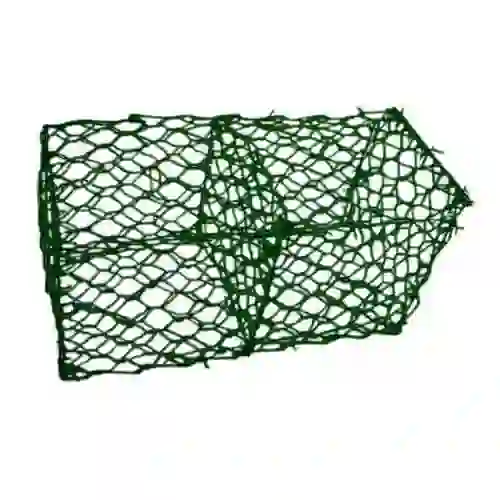
- Optional PVC Coating Application: For projects in highly aggressive environments, such as marine, industrial, or acidic conditions, an additional layer of PVC (Polyvinyl Chloride) coating is applied over the galvanized wire. This coating, typically 0.5 mm to 0.6 mm thick, increases the wire diameter from a galvanized 2.2-3.2 mm to a PVC-coated 3.2-4.2 mm. This dual-layer protection significantly enhances corrosion resistance, extending the product's service life in challenging conditions by resisting chemical attacks and abrasion.
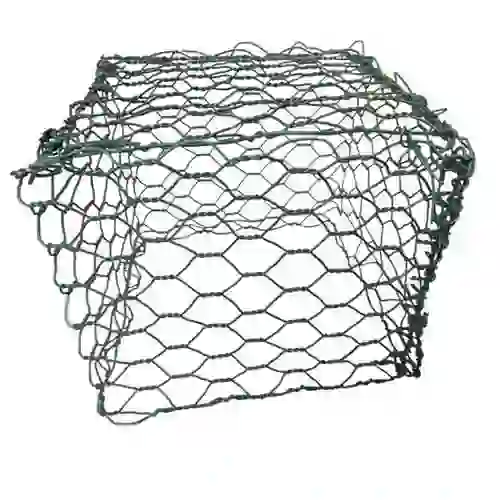
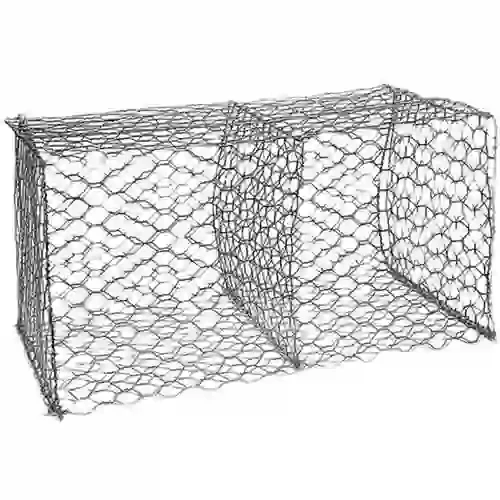
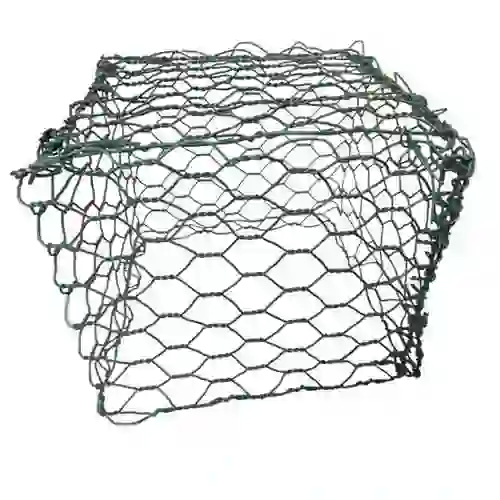
- Double-Twist Weaving: State-of-the-art weaving machines are employed to intricately form the prepared wires into a hexagonal mesh pattern, utilizing a double-twist technique. This specific weave is engineered to be non-raveling; should a wire be cut or broken, the integrity of the surrounding mesh remains intact, preventing catastrophic unraveling. Common mesh opening sizes include 60x80 mm, 80x100 mm, and 100x120 mm, carefully selected to optimize fill retention while ensuring adequate permeability for hydrostatic pressure relief.
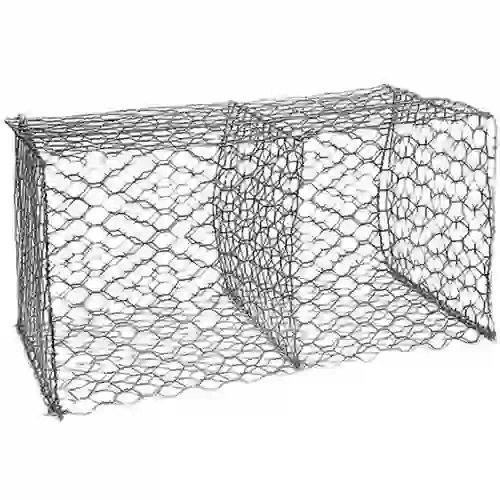
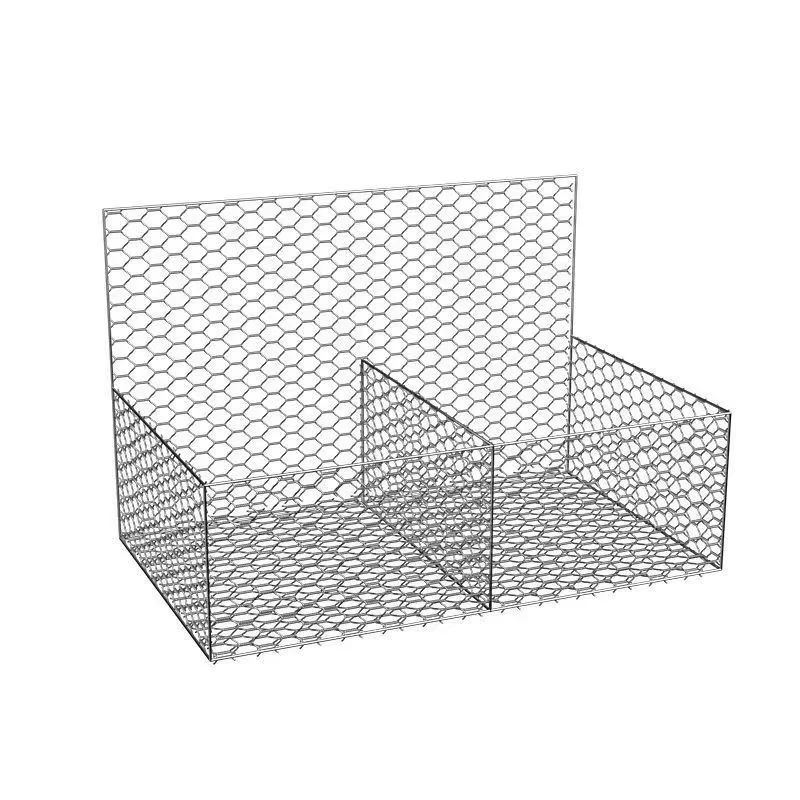
- Panel Fabrication and Diaphragm Integration: The woven mesh is cut to precise mattress dimensions, and internal diaphragms are either woven into the structure or securely laced at regular intervals. These diaphragms compartmentalize the mattress, preventing the migration of the stone fill material within the unit. This compartmentalization is crucial for maintaining the mattress's uniform thickness, stability, and overall performance, especially under dynamic loads or seismic activity.
- Rigorous Quality Control and Testing: Every batch undergoes extensive quality assurance testing. This includes mechanical tests for wire tensile strength (e.g., min. 350-500 N/mm²), mesh puncture resistance, coating thickness, and coating adherence tests (for PVC-coated wires). Dimensional accuracy of the mattress units is also meticulously checked. Our manufacturing processes are certified under ISO 9001, and products conform to industry benchmarks like ASTM A975-97 for gabion and revetment mattress products, ensuring consistent, high-grade output.
- Packaging and Logistics: Finished mattresses are efficiently folded or rolled into compact bundles, ready for transport. This optimizes shipping volume and simplifies on-site handling and deployment. Packaging is designed to protect the integrity of the wire mesh and coatings during transit to diverse target industries such as hydraulic engineering, petrochemical, mining, road construction, and urban water management.
Schematic Manufacturing Flow:
Erosion Control Mattress Manufacturing Process
- Raw Steel Wire Sourcing (High-Tensile Carbon Steel)
- Hot-Dip Galvanizing (Zinc Layer Application)
- Optional PVC Coating (Enhanced Protection for Aggressive Environments)
- Automated Double-Twist Weaving
- Precision Cutting and Panel Forming
- Diaphragm Installation & Compartmentalization
- Comprehensive Quality Control & Performance Testing (Mechanical, Coating Adherence, Dimensional)
- Folding/Rolling and Secure Packaging
- Dispatch and Global Logistics
The culmination of this stringent process is an Erosion Control Mattress system that is projected to offer an impressive service life of 50-70 years in typical environmental conditions and 25-30 years in challenging, aggressive settings. This longevity translates directly into reduced lifecycle costs and enhanced project sustainability.
Technical Specifications: Precision and Performance Parameters
The selection of an appropriate Erosion Control Mattress hinges on a thorough understanding of its technical specifications. These parameters define the material's structural integrity, resilience against environmental factors, and overall performance. Our products are engineered and manufactured to exceed industry benchmarks, ensuring optimal efficacy and long-term reliability in diverse applications.
Standard Product Specifications:
| Parameter | Details | Relevant Standard(s) |
|---|---|---|
| Wire Material Grade | Low carbon steel wire (Fe C9), high tensile strength | ASTM A641/A641M |
| Primary Corrosion Protection | Heavy Hot-Dip Galvanized Zinc Coating | ASTM A641 (Galvanization), EN 10244-2 |
| Zinc Coating Mass | Min. 240 g/m² (Typical range: 260-290 g/m²) | ASTM B6, EN 10244-2 |
| Secondary Protection (Optional) | UV-stabilized PVC Coating | ISO 9001 (Internal QA) |
| PVC Coating Thickness | Min. 0.5 mm over galvanized wire | ISO 9001 (Internal QA) |
| Wire Diameter (Galvanized) | 2.2 mm to 3.2 mm (standard range) | ASTM A641/A641M |
| Wire Diameter (PVC Coated) | 3.2 mm to 4.2 mm (including PVC) | ASTM A641/A641M |
| Mesh Type | Double-Twist Hexagonal, non-raveling | ASTM A975-97 |
| Mesh Opening Sizes | 60x80mm, 80x100mm, 100x120mm (common) | ASTM A975-97 |
| Mattress Dimensions (L x W x H) | Customizable; typical heights: 0.17m, 0.23m, 0.30m | Project-specific design |
| Tensile Strength of Wire | Min. 350-500 N/mm² (Wire specific) | ASTM A641/A641M |
| Punching Resistance of Mesh | Min. 4.5 kN/m (for 8x10 mesh) | EN 10223-3 |
These specifications collectively define the superior characteristics of our erosion control systems. The inherent strength of the wire and the resilience of the mesh, coupled with robust corrosion protection, ensure exceptional performance against hydraulic forces, abrasion, and environmental degradation. The open, permeable structure is crucial for hydrostatic pressure dissipation, mitigating risks of structural failure often associated with impervious barriers.
Application Scenarios: Versatility in Engineering and Environmental Projects
The inherent adaptability and robust performance of an Erosion Control Mattress render it an indispensable solution across a broad spectrum of critical infrastructure and environmental protection initiatives. Its unique ability to integrate with natural systems while providing formidable protection makes it suitable for challenging geomorphological conditions.
- River and Stream Bank Protection: Essential for preventing scour and undermining of riverbanks, particularly in sections with high flow velocities, turbulent conditions, or significant water level fluctuations. The mattress provides a flexible, permeable armoring layer that dissipates hydraulic energy, protects the underlying soil, and encourages the establishment of riparian vegetation, enhancing ecological benefits.
- Weir and Spillway Protection: Employed as durable apron systems downstream of hydraulic structures such as weirs, dams, and spillways. They absorb the kinetic energy of falling water, preventing localized erosion and extending the structural integrity and operational life of these critical water management assets.
- Embankment and Slope Stabilization: Widely applied to protect steep slopes associated with road and railway embankments, bridge abutments, and urban developments. The mattresses prevent surface erosion, manage rainwater runoff, and provide crucial stabilization against shallow-seated landslides, particularly on cut or fill slopes susceptible to intense rainfall.
- Coastal and Estuarine Revetments: Deployed in coastal zones and estuaries to mitigate the erosive forces of wave action, tidal currents, and storm surges. They serve as resilient revetment systems, protecting shorelines, wetlands, and coastal infrastructure from erosion and land loss, while often allowing for natural habitat recovery.
- Mining and Industrial Facilities: Utilized for erosion control around critical areas such as tailings dams, waste dumps, sediment ponds, and access roads within mining and heavy industrial sites. They help prevent soil contamination, manage sediment runoff, and maintain the stability of large-scale earthworks.
- Landscaping and Ecological Restoration Projects: Integrated into bioengineering and re-vegetation initiatives. The structured voids within the mattress facilitate the natural deposition of fine soil and promote the growth of native vegetation, accelerating ecological recovery while providing immediate mechanical stability. This 'green engineering' approach enhances biodiversity and improves landscape aesthetics.
- Culvert Outfalls and Drainage Ditches: Protects areas where concentrated water flow exits culverts, storm drains, or channels. These systems prevent localized scour and gully formation, maintaining the hydraulic efficiency of drainage infrastructure.
In each of these diverse scenarios, the mattress acts as a highly resilient, flexible, and permeable armor layer. Its ability to adapt to minor ground deformations without fracturing – a common failure mode for rigid concrete solutions – ensures continuous, long-term protection. This versatility, combined with its environmental benefits, positions it as a leading solution for sustainable infrastructure development.
Technical Advantages: Superior Performance and Longevity
The sophisticated design and material composition of the Erosion Control Mattress confer several significant technical advantages, distinguishing it from conventional erosion control methods. These benefits translate into enhanced project performance, reduced lifecycle costs, and improved environmental outcomes.
- Exceptional Flexibility and Deformability: The double-twist hexagonal mesh structure allows the mattress to flex and conform seamlessly to ground movements, differential settlements, and natural topographical changes. This intrinsic flexibility prevents cracking and structural failure, common in rigid concrete or grouted stone systems. It ensures continuous protection even on unstable or settling subgrades, thus significantly extending the effective service life of the erosion control measure.
- High Permeability and Hydrostatic Pressure Relief: The open, stone-filled mattress creates a permeable mass that allows water to drain freely through the structure. This critical feature prevents the buildup of hydrostatic pressure behind the mattress, thereby eliminating the risk of uplift and ensuring the long-term stability of the entire system. This characteristic is particularly vital in hydraulic engineering applications where fluctuating water levels and subsurface water flow are prevalent.
- Superior Shear Stress Resistance: The robust, interlocked stone fill within the compartmentalized mattress units, combined with the high tensile strength of the wire mesh, provides exceptional resistance to the shear forces exerted by flowing water. This robust armor system effectively dissipates hydraulic energy, preventing bed and bank scour and maintaining the geomorphic stability of riverbeds, channels, and spillway aprons, even under high-velocity flow conditions.
- Advanced Corrosion Resistance and Durability: The multi-layered corrosion protection system, featuring heavy hot-dip galvanization and an optional PVC coating, ensures a prolonged design life. This superior defense against rust, chemical attack, and abrasive forces makes the mattress suitable for highly aggressive environments, including marine, brackish water, and industrial runoff scenarios. This durability significantly reduces future maintenance requirements and associated costs.
- Environmental Integration and Re-vegetation Potential: The porous structure of the mattress facilitates the natural deposition of sediment and organic matter, creating an ideal substrate for vegetative growth. Over time, roots penetrate the stone fill and mesh, further reinforcing the structure and integrating it into the natural landscape. This promotes biodiversity, enhances aesthetic appeal, and aligns with sustainable engineering and 'green infrastructure' principles, providing long-term ecological benefits.
- Cost-Effectiveness and Ease of Installation: Compared to conventional rigid concrete revetments or heavy riprap, the installation of an Erosion Control Mattress is often more expedient, requiring less specialized heavy machinery. The ability to utilize locally sourced fill materials (e.g., river stone, crushed aggregate) significantly reduces transportation costs, material expenses, and overall project timelines. This leads to substantial economic savings without compromising the structural integrity or performance of the erosion control solution.
These combined technical advantages ensure that the mattress delivers a highly resilient, environmentally responsible, and economically viable solution for a wide array of complex erosion control challenges, making it a preferred choice for discerning B2B clients and engineering professionals.
Vendor Comparison: Critical Factors for Partner Selection
The procurement of an Erosion Control Mattress system is a strategic decision that extends beyond mere product specifications. Choosing the right vendor is paramount, as it directly impacts project success, long-term performance, and overall value. A reliable partner offers not only high-quality products but also robust technical support, adherence to international standards, and efficient supply chain management. The following table provides a comparative overview of key criteria for evaluating potential suppliers:
| Feature/Criterion | WireMeshPro (Illustrative) | Competitor A (Generic) | Competitor B (Generic) |
|---|---|---|---|
| Wire Material Quality | High-grade low-carbon steel, min. 350-500 N/mm² tensile strength, Fe C9 | Standard low-carbon steel, often lower tensile strength (e.g., 280-300 N/mm²) | Variable steel grades, inconsistent tensile properties |
| Corrosion Protection Levels | Heavy Hot-Dip Galvanized (260-290 g/m²) + Optional UV-stabilized PVC (0.5mm+) | Standard Galvanized (180-220 g/m²), limited PVC coating options | Electro-galvanized (light coating), rarely offers PVC protection |
| Manufacturing Certifications | ISO 9001:2015 certified, ASTM A975, EN 10244-2 compliant | Meets basic ASTM requirements, often lacks comprehensive ISO certification | Operates on internal quality protocols, minimal external certifications |
| Mesh Integrity & Weave | True double-twist, non-raveling weave, consistent mesh opening | Double-twist but with variable consistency in twist tightness | May offer single-twist or less reliable double-twist, prone to unraveling |
| Customization Capabilities | Extensive: customizable dimensions, wire gauge, coating, mesh aperture, integrated components | Limited to a few standard sizes and material options | Virtually no customization, only off-the-shelf products |
| Technical Support & Expertise | Full engineering design support, project consultation, installation guidance | Basic product data sheets, minimal engineering assistance | Primarily sales-focused, very limited technical guidance post-sale |
| Lead Time & Supply Chain Reliability | Consistent, globally integrated logistics network, predictable lead times | Can be unpredictable, subject to raw material availability and shipping delays | Often longer lead times, less robust international shipping capabilities |
Selecting a vendor with a proven track record of quality, comprehensive technical support, and a commitment to stringent manufacturing standards ensures that your investment in an Erosion Control Mattress system yields the expected long-term performance and project success. It mitigates risks associated with inferior materials and inconsistent production quality, protecting your critical infrastructure.
Customized Solutions: Engineering for Unique Project Demands
Acknowledging that every engineering project presents a unique set of challenges and site-specific conditions, we specialize in providing highly customized erosion control solutions. Our approach involves a collaborative partnership with clients, where our experienced engineering team works to thoroughly understand the distinct hydrological, geological, environmental, and budgetary constraints of each project. This enables us to design and deliver products precisely tailored for optimal performance and maximum cost-efficiency.
Customization Options and Our Process:
- Tailored Dimensions: Mattresses can be fabricated in specific lengths, widths, and heights (e.g., 0.17m, 0.23m, 0.30m and custom sizes) to perfectly match complex site geometries, minimizing on-site cutting, reducing material waste, and optimizing installation efficiency.
- Optimized Wire Gauge and Tensile Strength: We can adjust the wire diameter and material composition to meet specific load-bearing requirements, hydraulic forces, and abrasion resistance needs. For instance, heavier gauge wires may be specified for high-impact zones or areas with extremely turbulent flow.
- Variable Corrosion Protection: The level of galvanization (e.g., standard, heavy, or extra-heavy zinc coating) and/or the thickness and type of PVC coating (e.g., enhanced UV stability or chemical resistance) can be customized based on the aggressiveness of the ambient environment and the desired design life.
- Specific Mesh Aperture: While standard mesh sizes (60x80mm, 80x100mm, 100x120mm) are common, custom mesh opening sizes can be provided to accommodate specific local fill material availability, optimize drainage rates, or meet precise ecological re-vegetation objectives.
- Integrated Geotextile Filters: For applications involving fine-grained or erodible soils, we can integrate or pre-attach specific non-woven or woven geotextile filters to the mattress. This prevents the loss of underlying soil particles through the mattress voids, maintains the efficiency of the drainage system, and enhances the overall stability of the structure.
- Specialized Lacing/Connection Systems: Custom lacing wire, hog rings, or pneumatic tooling may be specified to facilitate faster installation or to create enhanced connections between mattress units, particularly for large-scale or high-stress applications.
Our customization process begins with detailed consultations and site assessments. This leads to comprehensive engineering calculations and design proposals, ensuring that the proposed solution is not only technically sound and compliant with all relevant standards but also economically viable. This dedication to tailored solutions ensures optimal project outcomes, maximized return on investment, and complete client satisfaction by addressing even the most complex and unique site requirements.
Application Case Studies: Proven Performance in Real-World Scenarios
The efficacy and long-term durability of our erosion control systems are best exemplified through their successful deployment in diverse and demanding real-world projects. These application case studies illustrate the practical benefits, engineering advantages, and demonstrable value our solutions provide to clients.
Case Study 1: Major River Bank Stabilization for a Metropolitan Area
- Challenge: A significant stretch of riverbank adjacent to a densely populated metropolitan area and critical public infrastructure (water treatment plant) suffered from severe fluvial erosion, particularly during annual flood seasons. The constant undermining threatened the stability of the embankment and adjacent structures, necessitating an immediate and robust stabilization solution that also met strict environmental guidelines.
- Solution: Approximately 22,000 square meters of PVC-coated Erosion Control Mattresses (specifically, 4m x 2m x 0.23m units with an 80x100mm mesh aperture) were strategically installed along a 1.8 km section of the riverbank. The mattresses were carefully filled with locally sourced river stone, providing a flexible and permeable revetment. The PVC coating was chosen for enhanced corrosion resistance against urban runoff and prolonged submerged conditions.
- Outcome: Over five years since installation, the riverbank has maintained exceptional stability, successfully withstanding multiple major flood events without any observable scour or structural degradation. The inherent flexibility of the mattress system allowed it to conform to minor differential settlements of the riverbed without compromising integrity. Furthermore, within three years, natural vegetation began to flourish within the voids of the mattress, creating a visually appealing and ecologically integrated bank protection system that reduced habitat fragmentation and enhanced water quality through filtration. The client reported a remarkable reduction in anticipated maintenance and dredging costs, proving the long-term economic benefits.
Case Study 2: Mine Tailings Dam Spillway Erosion Control
- Challenge: The emergency spillway of a large mine tailings dam in an arid, geologically unstable region required robust erosion protection. The spillway was subject to infrequent but extremely high-velocity flows during flash floods, which caused severe scour and threatened the integrity of the dam structure. Traditional concrete linings were deemed too expensive and prone to cracking under seismic activity.
- Solution: A custom-engineered system comprising 8,000 square meters of heavy galvanized Erosion Control Mattresses (3m x 2m x 0.30m with a 60x80mm mesh for optimal stone retention against high shear) was installed. The mattresses were placed over a geotextile filter layer to prevent piping and filled with angular crushed rock from the mine site, anchored securely at the crest and toe of the spillway channel.
- Outcome: The spillway system has performed flawlessly through several extreme weather events. The mattresses provided exceptional shear resistance against the turbulent, high-velocity flows, effectively preventing scour and protecting the underlying soil. The flexibility of the mattress system also demonstrated resilience to minor ground tremors experienced in the region, adapting without structural damage. The client achieved significant cost savings compared to alternative rigid solutions and gained enhanced operational safety, ensuring compliance with stringent mining and environmental regulations. This project highlighted the system's robustness in harsh industrial and geotechnical environments.
These case studies powerfully demonstrate our unwavering commitment to delivering highly reliable, engineered solutions that address complex erosion and geotechnical challenges with quantifiable long-term benefits and superior performance.
Frequently Asked Questions (FAQ)
Q: What differentiates revetment mattresses from traditional gabions?
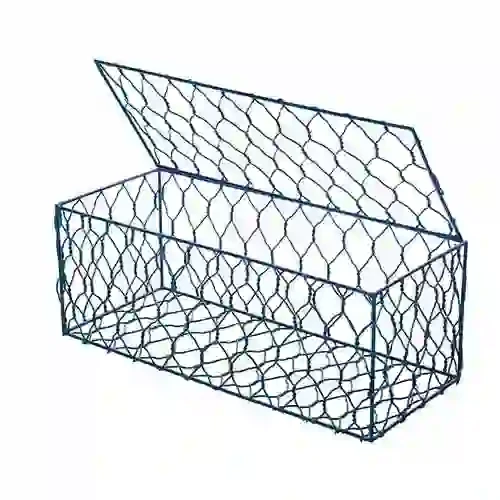
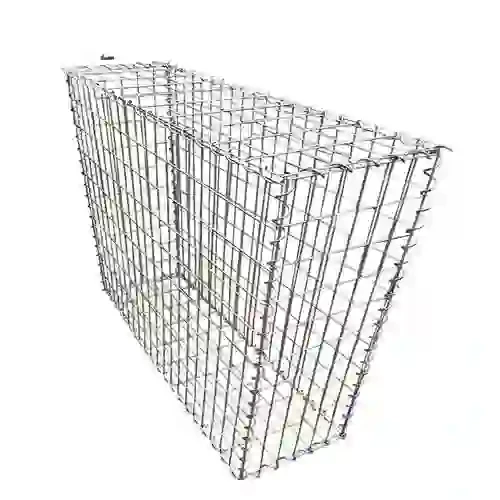
A: While both are wire mesh container111s filled with stone, revetment mattresses (or Reno Mattresses) are significantly thinner and wider than gabions. This low-profile design makes them ideal for bank protection, channel lining, and spillway aprons where flexible, permeable surface protection against scour is needed. Gabions are typically larger and used for retaining walls, channel training, and structural applications where mass and vertical stability are primary requirements.
Q: How does the galvanized and PVC-coated wire perform against environmental degradation?
A: The heavy hot-dip galvanization provides a sacrificial zinc layer that corrodes before the steel wire, offering excellent protection in most environments. The additional PVC coating acts as a physical barrier against chemical agents, abrasion, and UV radiation, significantly extending the service life to 25-30 years in harsh or submerged conditions (e.g., saltwater, industrial effluent), where galvanized-only solutions might have a shorter lifespan. This dual protection ensures maximum longevity.
Q: What considerations are important for selecting fill material?
A: Fill material should ideally be durable, hard, angular to sub-angular, and non-frost susceptible stone. The size range of the stones is critical and depends on the mesh opening size; typically, stones 1.5 to 2 times the mesh opening are suitable (e.g., 75-150mm for 80x100mm mesh). Utilizing locally available materials, such as river gravel or crushed aggregate, can significantly reduce project costs and environmental impact by minimizing transportation requirements.
Q: Is specialized equipment required for installation?
A: While installation is generally straightforward, basic earthmoving equipment (e.g., excavators or skid steers) is often used for site preparation, mattress placement, and filling with stone. Pneumatic lacing tools can expedite the assembly and closing of mattress lids. Compared to traditional concrete works, the overall equipment and labor requirements are often less intensive, contributing to faster project completion times.
Lead Time, Warranty, and Customer Support: Our Commitment
Our dedication to client satisfaction is ingrained in every aspect of our service, from initial consultation to post-installation support. We prioritize transparency, reliability, and technical excellence to ensure a seamless project experience.
Lead Time and Fulfillment:
For standard orders of the Erosion Control Mattress, typical lead times range from 2 to 4 weeks, influenced by order volume, specific customization requests, and current global production schedules. We operate a robust and efficient global logistics network, facilitating timely and reliable delivery to your project site, anywhere in the world. For large-scale or highly complex customized projects, our team provides detailed, project-specific production and shipping schedules, offering full visibility and enabling precise project planning. Expedited shipping options are also available to meet urgent project deadlines.
Warranty Commitments:
We stand unequivocally behind the quality, durability, and performance of our products. All Erosion Control Mattresses are backed by a comprehensive manufacturer's warranty covering material defects and manufacturing faults. Specifically, our heavy hot-dip galvanized wire products carry a 10-year warranty against premature corrosion under normal operating conditions. Our advanced PVC-coated products are warranted for 25 years against polymer degradation, coating delamination, and wire corrosion in aggressive environments, reflecting our confidence in their long-term resilience. Detailed warranty terms and conditions are provided with every quotation and order, ensuring complete clarity and peace of mind.
Dedicated Customer Support and Technical Assistance:
Our team of highly experienced engineers, technical specialists, and dedicated customer service professionals is committed to providing unparalleled support throughout every phase of your project:
- Pre-Sales Consultation: Expert guidance on product selection, precise technical specifications, and optimal design solutions tailored to your unique project requirements and site conditions.
- Technical Guidance During Installation: Providing comprehensive support, including detailed installation manuals, engineering drawings, and remote or on-site technical assistance to ensure correct and efficient deployment.
- After-Sales Service: Prompt and responsive support for any inquiries regarding product performance, maintenance best practices, or assistance with warranty claims.
- Training Programs: Offering specialized training for your installation teams to ensure optimal product handling and deployment techniques.
We are committed to fostering long-term, mutually beneficial partnerships grounded in trust, unwavering reliability, and superior technical expertise. Your project success is our priority.
Conclusion
In an era defined by increasing environmental volatility and the imperative for resilient infrastructure, the advanced deployment of erosion control mattress systems represents a pivotal strategic investment. By seamlessly integrating superior material science, precise manufacturing, and exceptional application versatility, these systems offer a compelling and scientifically sound solution to the most complex geohazard challenges. For B2B decision-makers and discerning engineering professionals, a comprehensive understanding of the intricate technical details, the demonstrable advantages, and the extensive support services associated with these products is not merely beneficial but essential. We remain steadfast in our mission to provide high-quality, reliable, and customized erosion control solutions that not only meet but anticipate the evolving demands of global infrastructure development and environmental protection, ensuring enduring stability and value for critical assets.
References
- ASTM International. (2020). ASTM A641/A641M-03 (2018): Standard Specification for Zinc-Coated (Galvanized) Carbon Steel Wire. ASTM International, West Conshohocken, PA.
- ASTM International. (2014). ASTM A975-97 (2014): Standard Specification for Double-Twisted Hexagonal Mesh Gabions and Revet Mattresses (Metallic-Coated Steel Wire or Metallic-Coated Steel Wire With PVC Coating) for Soil Retention Applications. ASTM International, West Conshohocken, PA.
- European Committee for Standardization. (2012). EN 10244-2: Steel wire and wire products — Non-ferrous metallic coatings on steel wire — Part 2: Zinc or zinc alloy coatings. Brussels, Belgium.
- International Organization for Standardization. (2015). ISO 9001: Quality management systems — Requirements. Geneva, Switzerland.
- United Nations Office for Disaster Risk Reduction (UNDRR) and Centre for Research on the Epidemiology of Disasters (CRED). (2021). The Human Cost of Disasters 2000-2019. UNDRR and CRED.
- FHWA-NHI-07-087. (2009). Hydraulic Engineering Circular No. 23 (HEC-23): Bridge Scour and Stream Instability Countermeasures: Experience, Selection, and Design Guidance, Third Edition. Federal Highway Administration, U.S. Department of Transportation.
-
Quality Black Wire Clothes Hangers for Home and Retail UseNewsApr.16,2026
-
Premium Rose Gold Wire Hangers for Luxury Closet OrganizationNewsApr.09,2026
-
Elevate Your Closet with Stylish Rose Gold Metal Coat HangersNewsApr.07,2026
-
Optimize Your Business with Durable White Wire Clothes HangersNewsApr.04,2026
-
Comprehensive Guide to Buy Wire Clothes Hangers for Optimal Closet OrganizationNewsMar.31,2026
-
Find the Best Deals and Options to Buy Wire Hangers for All Your NeedsNewsMar.28,2026
-
Find the Best Deals to Buy Wire Coat Hangers for Your NeedsNewsMar.26,2026