-
 Phone:
 -
 Email:
Find the Best Deals to Buy Wire Coat Hangers for Your Needs
Looking to buy wire coat hangers? A Comprehensive Guide
When it comes to organizing your closet, laundry room, or even a retail space, having the right tools is essential. Wire coat hangers are a versatile and cost-effective solution for a variety of hanging needs. This guide will delve into the world of wire coat hangers, covering different types, their uses, where to buy wire coat hangers, and things to consider before making a purchase. We’ll explore the benefits of using these hangers and how they can simplify your life.
Understanding the Different Types of Wire Coat Hangers
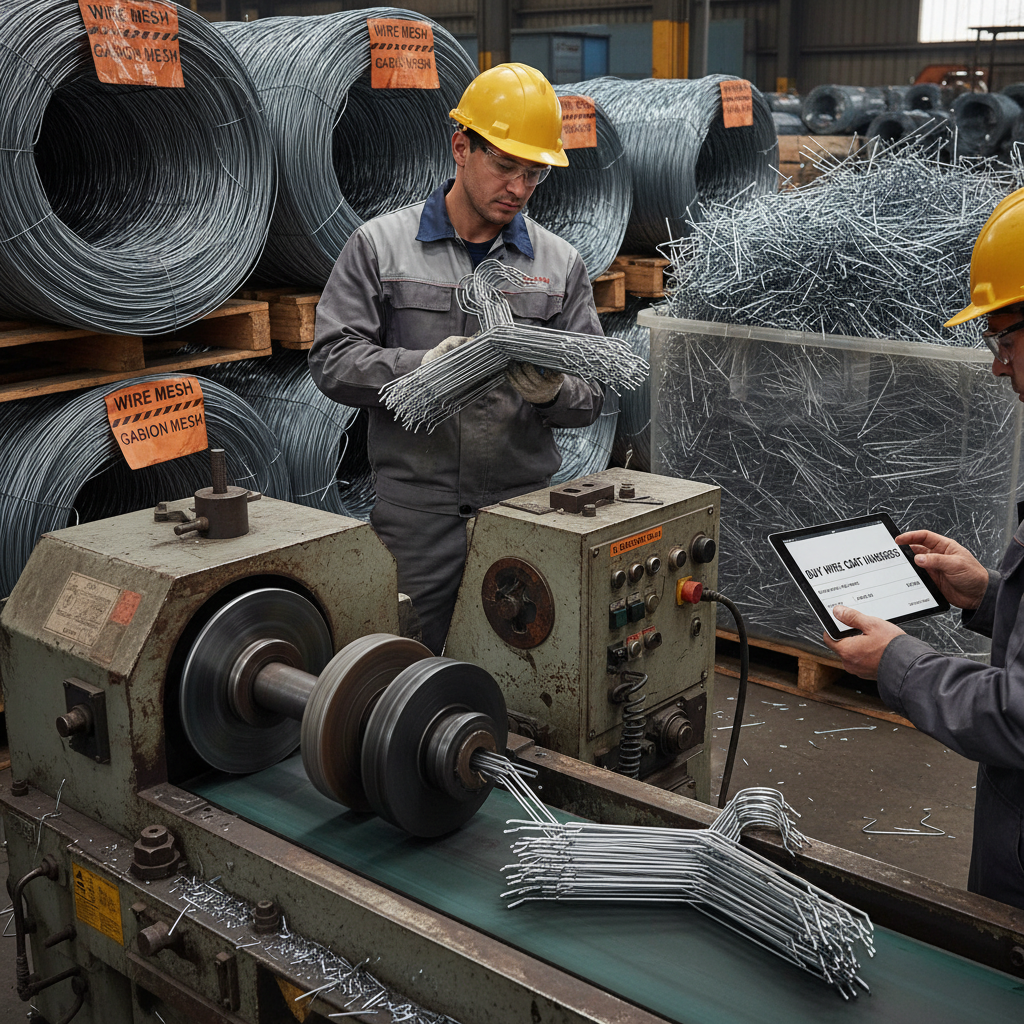
Wire coat hangers aren’t one-size-fits-all. Several types cater to specific needs. The most common is the standard, galvanized steel hanger, known for its durability and affordability. Then there are plastic-coated hangers, which offer a gentler surface for delicate fabrics, preventing snags. Heavier-duty wire hangers are designed for heavier garments like coats and suits, offering greater support. Finally, specialty hangers come with features like clips for skirts and trousers or multiple bars for organizing several items. Choosing the right type depends on the type of clothing you plan to hang and your desired level of protection.
Key Highlights: Different types of wire coat hangers are available to suit diverse needs, from standard galvanized steel to plastic-coated and heavy-duty options.
Where to Buy Wire Coat Hangers: Options and Considerations
You can buy wire coat hangers from a variety of sources. Retail stores like Walmart and Target typically carry a basic selection. Wholesale suppliers, like Wire Mesh Pro, are excellent for bulk purchases, offering competitive pricing. Online marketplaces like Amazon also provide a vast selection. When choosing a supplier, consider factors like price, quantity, shipping costs, and the reputation of the seller.
Purchasing Options:
• Retail Stores: Convenient for small quantities.
• Wholesale Suppliers: Best for bulk purchases and lower prices.
• Online Marketplaces: Wide selection and competitive pricing.
Factors to Consider When Purchasing Wire Coat Hangers
Before you buy wire coat hangers, consider these factors: gauge (thickness of the wire), coating (plastic or galvanized), and quantity. A thicker gauge provides greater strength for heavier items. Plastic coating protects delicate fabrics. Buying in bulk typically offers cost savings, but ensure you have adequate storage space. Also, think about the specific types of garments you’ll be hanging and choose hangers accordingly.
Beyond Clothes: Creative Uses for Wire Coat Hangers
While primarily used for hanging clothes, wire coat hangers have surprising versatility. They can be repurposed for DIY projects like plant supports, craft materials, or even makeshift tools. Their malleable nature makes them ideal for shaping into different forms. However, remember to exercise caution when bending or cutting wire, and always wear appropriate safety gear.
Choosing the Right Supplier: Wire Mesh Pro
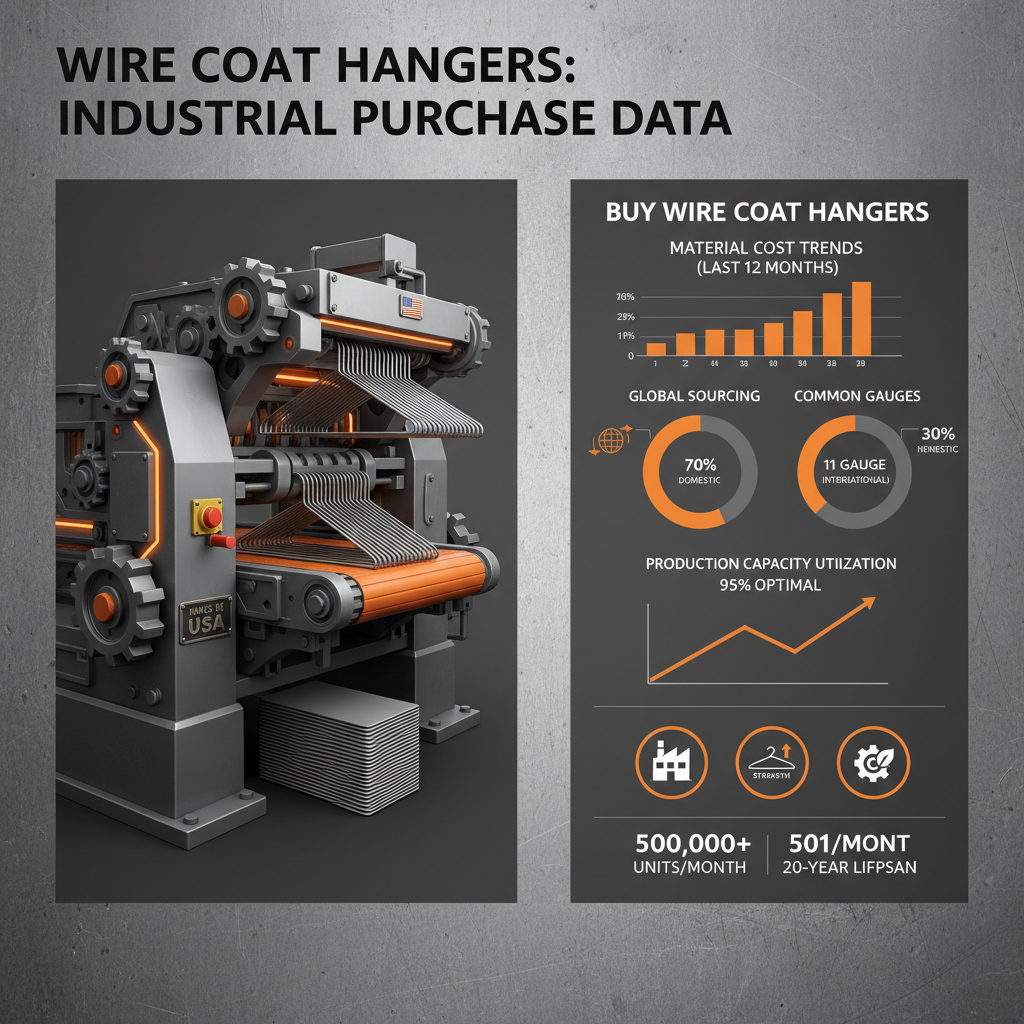
For reliable quality and competitive pricing, Wire Mesh Pro is a trusted source. We offer a wide range of wire coat hangers in various sizes and coatings, suitable for both personal and commercial use. Our commitment to quality and customer satisfaction makes us a preferred choice for businesses and individuals alike.
Conclusion: Finding the Perfect Wire Coat Hanger
Selecting the right wire coat hanger doesn't have to be complicated. By considering your specific needs, budget, and the supplier’s reputation – like Wire Mesh Pro – you can find the perfect solution to keep your wardrobe organized and your garments in great shape.
Frequently Asked Questions (FAQs)
What is the best type of wire coat hanger for heavy coats?
For heavy coats, it’s best to choose a heavy-duty wire coat hanger with a thicker gauge. These hangers are designed to provide extra support and prevent the hanger from bending or breaking under the weight of the coat. Look for hangers specifically labeled as “heavy-duty” or those made from stronger wire materials. Consider a hanger with a reinforced center bar for added stability. You can find these at Wire Mesh Pro.
Are plastic-coated wire hangers better for delicate fabrics?
Yes, plastic-coated wire hangers are a better choice for delicate fabrics. The plastic coating provides a smoother surface that prevents snags and damage to the fabric. This is particularly important for items like silk, satin, or other materials prone to catching on rough surfaces. While galvanized steel hangers are durable, they can sometimes cause slight pulls or damage to delicate garments.
How can I tell if a wire coat hanger is damaged and needs replacing?
Check for signs of bending, rust, or broken wire. If the hanger is significantly bent or distorted, it may not provide adequate support. Rust weakens the wire and can stain clothing. Any visible breaks in the wire render the hanger unsafe for use. Regularly inspect your hangers and replace any that show signs of damage.
-
Quality Black Wire Clothes Hangers for Home and Retail UseNewsApr.16,2026
-
Premium Rose Gold Wire Hangers for Luxury Closet OrganizationNewsApr.09,2026
-
Elevate Your Closet with Stylish Rose Gold Metal Coat HangersNewsApr.07,2026
-
Optimize Your Business with Durable White Wire Clothes HangersNewsApr.04,2026
-
Comprehensive Guide to Buy Wire Clothes Hangers for Optimal Closet OrganizationNewsMar.31,2026
-
Find the Best Deals and Options to Buy Wire Hangers for All Your NeedsNewsMar.28,2026
-
Find the Best Metal Hangers to Buy and Organize Your WardrobeNewsMar.24,2026