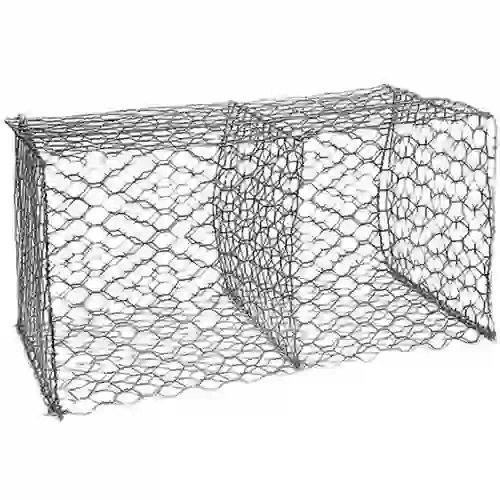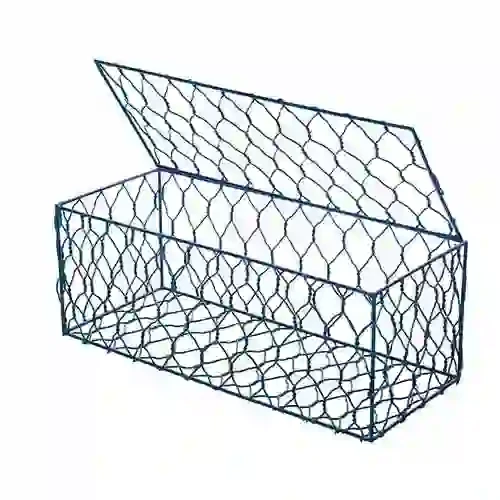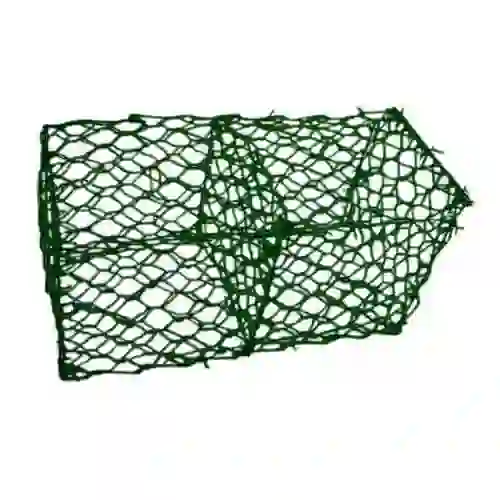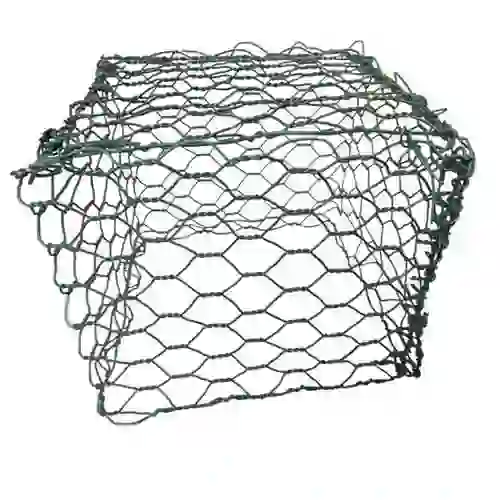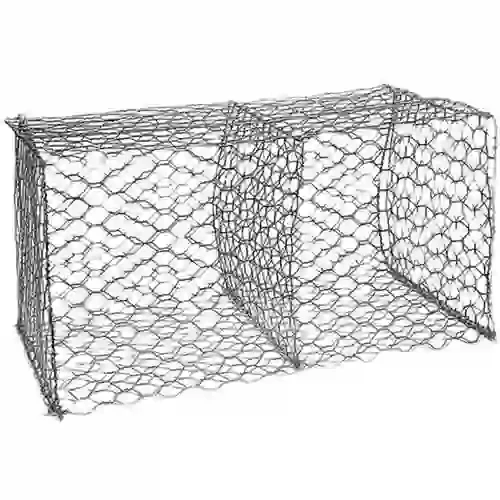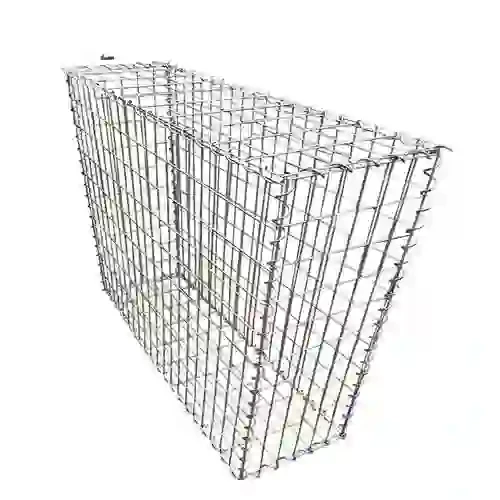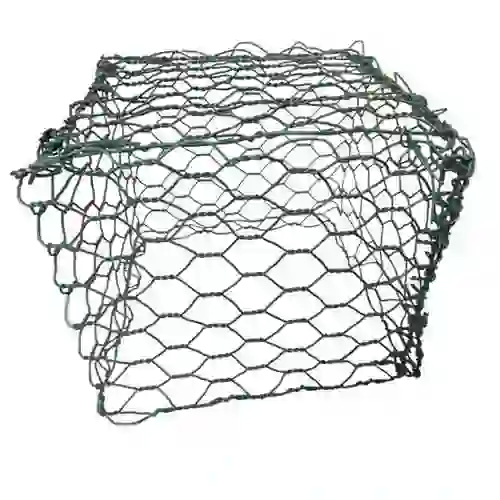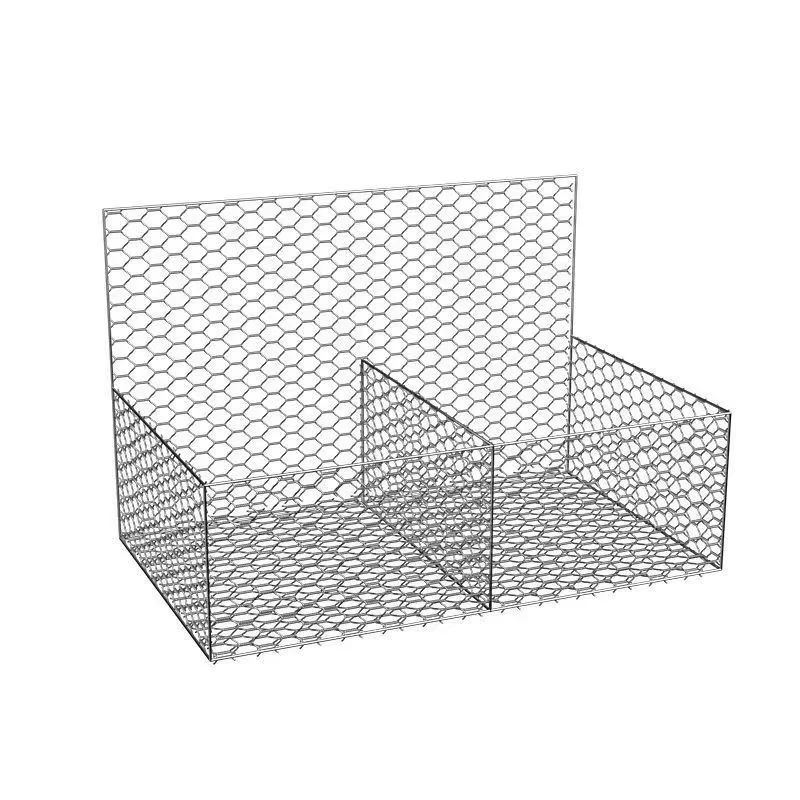
-
 Phone:
 -
 Email:
High-Strength Wire Mesh Explosion-Proof Barrier | Maximize Safety
In high-stakes industrial environments where flammable gases, vapors, mists, or combustible dusts are present, the potential for catastrophic explosions necessitates robust safety measures. Critical to mitigating these risks is the deployment of advanced passive explosion protection systems. Among these, the Wire Mesh Explosion-Proof Barrier stands as a paramount engineering solution, designed to prevent flame propagation and pressure wave transmission through pipelines and process equipment. This document provides a comprehensive overview of its technical intricacies, application benefits, and strategic considerations for B2B decision-makers and engineering professionals.
Industry Trends and Market Demand for Explosion Protection
The global market for explosion protection equipment is experiencing significant growth, driven by escalating safety regulations, increasing industrialization in developing economies, and a heightened focus on occupational safety and environmental protection. According to a recent market analysis by Grand View Research, the global explosion protection equipment market size was valued at USD 6.9 billion in 2022 and is projected to grow at a compound annual growth rate (CAGR) of 6.5% from 2023 to 2030. This expansion is particularly pronounced in sectors such as oil & gas, chemical processing, pharmaceuticals, and food & beverage, where hazardous atmospheres are inherent.
Key trends include the adoption of advanced materials for enhanced durability and performance, integration with IoT for predictive maintenance, and stricter compliance with international standards like ATEX and IECEx. Companies are increasingly seeking robust, low-maintenance, and highly reliable passive protection systems that offer a superior return on investment by minimizing potential liabilities and operational downtime. The demand for solutions like the Wire Mesh Explosion-Proof Barrier that can withstand extreme conditions and provide long-term protection is therefore on a steady upward trajectory.
Manufacturing Process Flow: The Precision Behind Protection
The manufacturing of a Wire Mesh Explosion-Proof Barrier is a highly specialized process, demanding meticulous attention to material selection, fabrication precision, and stringent quality control to ensure its life-saving functionality. The typical process flow encompasses several critical stages:
1. Material Selection
High-grade materials are paramount. Commonly used alloys include 316L Stainless Steel for superior corrosion resistance and high-temperature performance, Inconel for extreme heat and chemical inertness, and Hastelloy for aggressive chemical environments. These materials are selected based on the target industry's specific corrosive agents, operating temperatures, and pressure differentials. Key properties such as tensile strength (e.g., >515 MPa for 316L SS) and melting point (e.g., ~1390°C for 316L SS) are carefully considered.
2. Wire Drawing & Weaving
Selected alloys are drawn into precise wire diameters, often ranging from 0.05mm to 0.5mm, depending on the required mesh aperture and barrier strength. These wires are then intricately woven on automated looms to create specific mesh patterns (e.g., plain weave, twill weave, Dutch weave). The weaving process is critical for achieving the exact pore size and structural integrity required for flame quenching and pressure dissipation.
3. Forming & Fabrication
The woven wire mesh sheets are cut and formed into specific configurations, often as corrugated elements or spiral windings. Advanced CNC machining, precise cutting (e.g., laser or waterjet), and specialized forming techniques are employed to ensure dimensional accuracy and perfect fit within the barrier housing. Welding (e.g., TIG welding) is used for robust assembly of housing components and mesh elements, ensuring hermetic sealing where required.
4. Assembly & Housing
The formed mesh elements are carefully inserted and secured within robust housings, typically constructed from ductile iron, carbon steel, or the same high-grade stainless steels as the mesh. The housing design is critical for structural integrity and ease of installation. Gaskets and sealing materials (e.g., PTFE, graphite) are chosen for chemical compatibility and thermal stability.
5. Testing and Certification
Each barrier undergoes rigorous testing to comply with international standards such as ISO 16852 (Flame arresters – Performance requirements, test methods and limits for use), ANSI/API 2000 (Venting Atmospheric and Low-Pressure Storage Tanks), and ATEX Directive 2014/34/EU. Tests include flame transmission tests, pressure drop measurements, flow rate verification, and hydrostatic pressure testing (up to 1.5x design pressure). Non-destructive testing (NDT) like radiography and dye penetrant inspection ensure weld integrity.
6. Surface Treatment & Packaging
Final surface treatments, such as passivation for stainless steel or specialized coatings, are applied to enhance corrosion resistance and prolong service life. Products are meticulously packaged to prevent damage during transit, often with detailed documentation including material certifications, test reports, and installation guides.
The typical service life of a well-maintained Wire Mesh Explosion-Proof Barrier can exceed 15-20 years, depending on the operational environment and material selection. Regular inspection and cleaning are crucial for maintaining optimal performance.
Technical Specifications: Precision Engineered for Safety
The performance of a Wire Mesh Explosion-Proof Barrier is defined by a critical set of technical parameters, engineered to meet the specific requirements of hazardous environments. These specifications ensure effective flame quenching and pressure mitigation while maintaining operational flow.
| Parameter | Typical Range / Value | Notes / Significance |
|---|---|---|
| Material (Mesh Elements) | SS304, SS316L, Inconel 625, Hastelloy C276 | Corrosion resistance, high-temperature stability |
| Material (Housing) | Carbon Steel, SS304, SS316L, Ductile Iron | Structural integrity, compatibility with piping |
| Nominal Pipe Size (NPS) | DN15 (½") to DN600 (24") and larger | Matches pipeline diameters for seamless integration |
| Design Pressure | Up to 40 bar (580 psi), higher for custom | Withstands operational and surge pressures |
| Operating Temperature Range | -40°C to +600°C (-40°F to +1112°F) | Suitability for extreme process conditions |
| Flame Quenching Gap (MESG) | Varies by gas group (e.g., <0.5mm for IIB, <0.2mm for IIC) | Maximum Experimental Safe Gap - defines mesh fineness |
| Pressure Drop | Typically < 5 mbar at nominal flow (can be optimized) | Minimizes energy consumption and impact on process flow |
| Connection Type | Flanged (ANSI, DIN, JIS), Threaded, Weld-end | Versatility for integration into existing systems |
| Certification | ATEX, IECEx, ISO 16852, UL, FM | Compliance with international safety standards |
Technical Advantages: Optimized Performance and Safety
The deployment of a high-quality Wire Mesh Explosion-Proof Barrier offers a multitude of technical and operational advantages for industries dealing with explosive atmospheres:
- Superior Flame Quenching: The intricate mesh structure provides a large surface area for heat absorption, cooling the flame front below its ignition temperature, thereby preventing its propagation into upstream piping or vessels. This rapid heat transfer is crucial in mitigating explosion severity.
- Minimal Pressure Drop, Enhanced Energy Saving: Modern designs optimize the mesh element configuration to minimize flow restriction. This results in a very low pressure drop across the barrier, reducing the energy required by pumps and compressors and leading to significant operational cost savings and improved system efficiency.
- Exceptional Corrosion Resistance: Utilizing materials like SS316L, Inconel, and Hastelloy ensures the barrier withstands highly corrosive chemicals, acids, and saltwater environments prevalent in petrochemical, offshore, and chemical processing plants. This extends the service life and reduces maintenance needs.
- Robust Durability and Extended Service Life: Constructed from high-strength alloys and engineered for mechanical integrity, these barriers are designed to endure demanding industrial conditions, including high pressures, vibrations, and temperature fluctuations, offering a long operational lifespan with minimal degradation.
- Low Maintenance Requirements: As passive devices, wire mesh explosion-proof barriers require no power input or active controls. Regular visual inspections and periodic cleaning are typically sufficient, leading to lower total cost of ownership compared to active protection systems.
- Versatile Application and Customization: Available in various materials, sizes, and configurations, these barriers can be tailored for specific gas groups (e.g., IIA, IIB, IIC), flow directions (deflagration/detonation), and process parameters, ensuring optimal protection for diverse industrial applications.
- Compliance with Global Safety Standards: Adherence to international standards like ISO 16852, ATEX, and IECEx provides assurance of proven performance and regulatory compliance, critical for operations in global markets.
Application Scenarios and Target Industries
The versatility and critical safety function of Wire Mesh Explosion-Proof Barrier systems make them indispensable across a broad spectrum of hazardous industries. Their primary role is to isolate potential ignition sources and prevent uncontrolled flame propagation.
- Petrochemical and Oil & Gas: Essential for protecting pipelines, storage tanks, loading/unloading facilities, flare stacks, and vent lines handling volatile hydrocarbons (e.g., natural gas, propane, gasoline). They prevent flashback into critical equipment.
- Chemical Processing: Employed in reactors, distillation columns, solvent recovery systems, and chemical storage vessels where various flammable solvents and reactive gases are handled (e.g., hydrogen, ethylene oxide).
- Pharmaceutical and Biotech: Critical in processes involving flammable solvents for extraction, purification, and synthesis (e.g., ethanol, IPA). Ensures safety in sterile environments and clean rooms.
- Power Generation (Biogas & Coal Gasification): Used in systems handling biogas from anaerobic digestion or synthetic gas from coal gasification, preventing explosions in gas lines, digestors, and generators.
- Water Supply & Drainage (Wastewater Treatment): Protects digesters, gas holders, and vent lines in wastewater treatment plants where methane gas (biogas) is produced and utilized or vented.
- Mining: Particularly in coal mining and related operations, where methane and coal dust explosions are a significant risk. Flame arresters protect ventilation systems and gas extraction pipelines.
- Paint and Coatings Manufacturing: Safeguards storage tanks and process lines containing flammable solvents and paint thinners.
Vendor Comparison: Choosing the Right Partner
Selecting a supplier for a Wire Mesh Explosion-Proof Barrier involves evaluating several key factors beyond initial cost. Reliability, compliance, and comprehensive support are paramount. Below is a comparison demonstrating typical considerations when evaluating vendors.
| Feature / Vendor | WireMeshPro.com (Our offering) | Vendor B (Competitor) | Vendor C (Budget Option) |
|---|---|---|---|
| Material Quality (Mesh) | Certified 316L SS, Inconel, Hastelloy; full traceability | Standard 316 SS; limited specialized alloys | Basic 304 SS; less suitable for corrosive environments |
| Certifications & Compliance | ISO 16852, ATEX (Zone 0, 1, 2), IECEx, UL/FM | ISO 16852, ATEX (Zone 1, 2) | Basic CE marking; limited specific explosion certifications |
| Customization Capabilities | Extensive; bespoke designs, materials, sizes for unique applications | Moderate; limited material/size options | Minimal; off-the-shelf products only |
| Engineering Support | Dedicated team, design consultation, CFD analysis | Basic technical support | After-sales support only |
| Lead Time (Standard Product) | 4-6 weeks | 6-8 weeks | 2-3 weeks (if in stock) |
| Warranty | 5 years on manufacturing defects | 2 years | 1 year |
Customized Solutions for Unique Challenges
While standard Wire Mesh Explosion-Proof Barrier designs cover a wide range of applications, many industrial processes present unique challenges requiring bespoke engineering. Our capabilities extend to providing highly customized solutions tailored to specific operational parameters, corrosive media, extreme temperatures, or space constraints.
This includes:
- Specialty Alloys: For ultra-corrosive or high-temperature environments, we offer barriers manufactured from exotic materials like Titanium, Zirconium, or custom superalloys.
- Non-Standard Sizes and Configurations: From miniature units for analytical equipment to large-diameter barriers for major industrial ducts, we can engineer custom dimensions and flange configurations (e.g., oval, rectangular) to seamlessly integrate into existing infrastructure.
- Optimized Pressure Drop: For processes sensitive to even minor pressure losses, our engineering team can design optimized mesh elements and housing geometries to achieve the lowest possible pressure drop while maintaining certified explosion protection.
- Integrated Features: Custom barriers can include additional features such as heating jackets for preventing condensation, specialized coatings, integrated sensors for monitoring pressure or temperature, or quick-release mechanisms for rapid maintenance.
Our expert engineering team collaborates closely with clients from initial concept through design, simulation (e.g., CFD analysis for flow dynamics), manufacturing, and final testing, ensuring the customized solution precisely meets the required performance and safety criteria.
Application Case Studies
Real-world deployments underscore the effectiveness and reliability of our wire mesh explosion-proof barriers.
Case Study 1: Natural Gas Processing Plant
A major natural gas processing facility in Texas required enhanced protection for their vent lines, specifically against flashback from flare systems. The existing system utilized older, less efficient flame arresters causing significant pressure drop and requiring frequent maintenance due to fouling.
- Challenge: High pressure drop in existing flame arresters affecting process efficiency, frequent cleaning cycles, and the need for certified protection against Group IIA gases (methane).
- Solution: We supplied 12 units of DN300 (12") Wire Mesh Explosion-Proof Barriers, constructed from 316L SS, specifically designed for low-pressure drop and certified for IIA gas groups. The barriers featured a unique corrugated mesh element geometry to maximize flow efficiency.
- Result: Post-installation, the plant reported a 45% reduction in pressure drop across the vent lines, leading to a measurable energy saving in their compressor operations. Maintenance intervals for cleaning were extended by 300%, significantly reducing operational costs and downtime. The client expressed high satisfaction with the barriers' performance and robustness.
Case Study 2: Pharmaceutical Solvent Recovery Unit
A leading pharmaceutical manufacturer was upgrading its solvent recovery unit, which handled highly volatile ethanol and IPA vapors (Group IIB gases). The existing flame arresters were nearing end-of-life and did not fully comply with the latest ATEX directives for Zone 1 applications.
- Challenge: Ensuring full ATEX compliance for Group IIB gases, dealing with corrosive solvent vapors, and integrating compact barriers into limited space within an existing modular unit.
- Solution: We engineered and supplied custom-designed compact Wire Mesh Explosion-Proof Barrier units (DN100 - 4") made from Hastelloy C276, specifically certified for Group IIB gases and ATEX Zone 1. The design featured easily removable elements for cleaning and reduced overall footprint.
- Result: The custom barriers met all regulatory requirements and demonstrated exceptional resistance to the aggressive solvent vapors. The compact design allowed for seamless integration without costly modifications to the existing structure. The client reported improved system reliability and full confidence in their explosion protection strategy. Customer feedback highlighted the precision engineering and ease of maintenance as significant benefits.
Frequently Asked Questions (FAQ)
Q1: What is the primary function of a Wire Mesh Explosion-Proof Barrier?
A1: Its primary function is to prevent flame propagation through pipelines or process equipment by rapidly cooling the flame front, effectively quenching an explosion and isolating hazardous areas.
Q2: How often should these barriers be inspected or cleaned?
A2: Inspection and cleaning frequency depend heavily on the process media and operating conditions. For clean gases, annual inspection might suffice. For processes with particulates or condensates, quarterly or bi-annual cleaning may be necessary. Refer to local regulations and manufacturer guidelines for specific schedules.
Q3: Can these barriers handle both deflagration and detonation?
A3: Specific designs are available for both deflagration (subsonic flame propagation) and detonation (supersonic shockwave and flame propagation). It is crucial to specify the required protection level during selection, as detonation barriers are typically more robust.
Q4: What information is needed for a customized solution?
A4: For customized solutions, we require detailed information on the specific gas/vapor mixture (including group classification), operating temperature and pressure, flow rates, pipeline diameter, required certifications, and any environmental or space constraints.
Lead Time, Warranty, and After-Sales Support
We understand the critical nature of industrial procurement and after-sales service.
- Lead Time: Standard products are typically delivered within 4-6 weeks from order confirmation. Custom engineered solutions may require 8-12 weeks, depending on complexity and material availability. Expedited options are available upon request for urgent projects.
- Warranty: All our Wire Mesh Explosion-Proof Barriers come with a comprehensive 5-year warranty against manufacturing defects and material failures under normal operating conditions. This commitment reflects our confidence in the quality and durability of our products.
- Customer Support: Our dedicated technical support team is available 24/7 to assist with installation queries, operational troubleshooting, maintenance advice, and part replacement. We offer on-site support, training, and regular service contracts to ensure your safety systems perform optimally throughout their lifecycle. Detailed operation and maintenance manuals are provided with every product.
Conclusion
The implementation of a meticulously engineered Wire Mesh Explosion-Proof Barrier is not merely a regulatory requirement but a fundamental investment in the safety and operational continuity of any facility handling hazardous materials. By combining advanced material science, precision manufacturing, and rigorous testing, these barriers provide passive yet highly effective protection against catastrophic events. Partnering with a reputable manufacturer ensures access to certified products, expert engineering support, and reliable after-sales service, safeguarding personnel, assets, and the environment for decades to come.
References
- Grand View Research. (2023). Explosion Protection Equipment Market Size, Share & Trends Analysis Report. Retrieved from https://www.grandviewresearch.com/industry-analysis/explosion-protection-equipment-market
- International Organization for Standardization. (2016). ISO 16852:2016 - Flame arresters - Performance requirements, test methods and limits for use.
- European Parliament and the Council. (2014). Directive 2014/34/EU on the harmonisation of the laws of the Member States relating to equipment and protective systems intended for use in potentially explosive atmospheres (ATEX).
- American Petroleum Institute. (2009). API Standard 2000 - Venting Atmospheric and Low-Pressure Storage Tanks (5th ed.).
-
Quality Black Wire Clothes Hangers for Home and Retail UseNewsApr.16,2026
-
Premium Rose Gold Wire Hangers for Luxury Closet OrganizationNewsApr.09,2026
-
Elevate Your Closet with Stylish Rose Gold Metal Coat HangersNewsApr.07,2026
-
Optimize Your Business with Durable White Wire Clothes HangersNewsApr.04,2026
-
Comprehensive Guide to Buy Wire Clothes Hangers for Optimal Closet OrganizationNewsMar.31,2026
-
Find the Best Deals and Options to Buy Wire Hangers for All Your NeedsNewsMar.28,2026
-
Find the Best Deals to Buy Wire Coat Hangers for Your NeedsNewsMar.26,2026