-
 Phone:
 -
 Email:
Explosion-Proof Welded Mesh Barrier | ATEX-Rated, Custom
Elite Series Explosion-Proof Welded Mesh Barrier: field notes, specs, and what buyers actually ask
If you work around refineries, battery rooms, or munitions storage, you’ve probably seen an Explosion-Proof Welded Mesh Barrier and wondered if it’s just another fence. It isn’t. It’s a purpose-built, tested perimeter component designed to contain fragments, resist blast overpressure, and reduce ignition risks from mechanical impact. I’ve toured a few sites in Hebei and the Gulf—same takeaway every time: robust wire geometry and coatings matter more than brochure buzzwords.
What’s driving demand right now
Three trends keep coming up: tighter zoning under ATEX/IEC classification, insurance-driven resilience metrics, and the growth of Li-ion energy hubs. Honestly, many customers say they’re buying for “peace of mind”—but procurement teams still want measurable impact energy ratings and salt-spray data. That’s fair.
Core specifications (typical)
| Material | Low-carbon steel (Q235) or 304/316L stainless; optional anti-spark hardware |
| Wire diameter | 4.0–6.0 mm (≈ 8–4 gauge) |
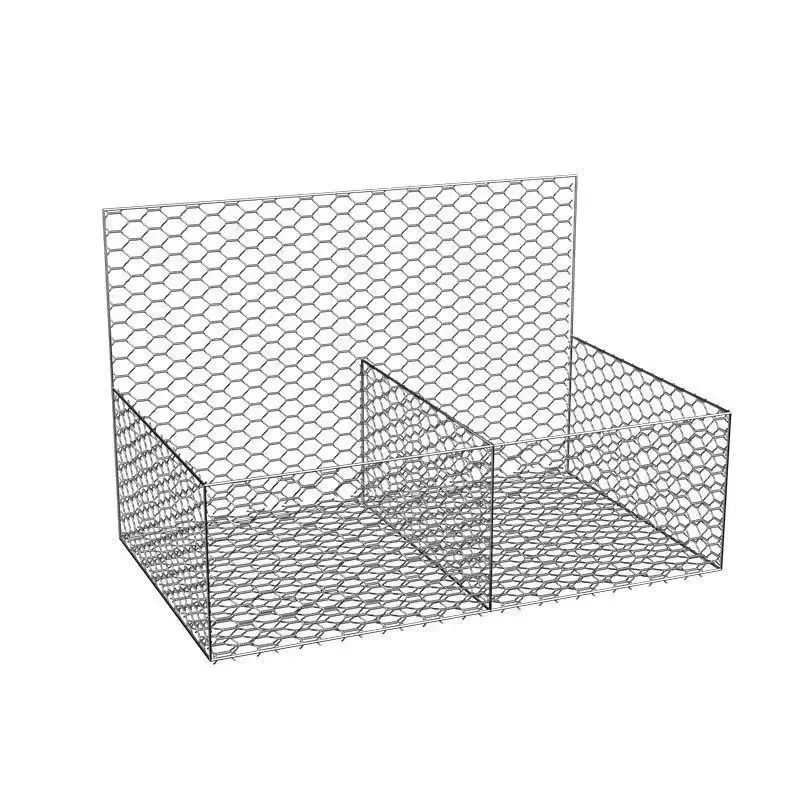
| Mesh aperture | 50×50 mm or 50×100 mm (others on request) |
| Panel size | H 1.8–3.0 m; L 2.0–3.0 m (modular) |
| Welding method | Robotic resistance welding, fillet at stress points |
| Coating | Hot-dip galvanizing to ASTM A123/ISO 1461; powder topcoat 70–110 μm |
| Tensile strength | ≈ 500–650 MPa (wire), real-world use may vary |
| Service life | 15–25 years coastal; 25–35 years inland (maintenance-dependent) |
Process flow and testing
Steel sourcing → wire drawing → robotic welding → surface prep (Sa2.5 blast) → hot-dip galvanizing → passivation → powder coating → QC. Testing typically includes: weld shear tests; coating thickness (mag gauge); ASTM B117 salt-spray 720–1,000 h; static load to 5 kN/m; impact energy trials 50–80 kJ (instrumented pendulum or drop mass); earthing continuity ≤ 0.1 Ω. Fit for ATEX/IEC hazardous areas by design practice (non-sparking options, grounding), while electrical equipment in the zone still needs its own certifications.
Where it’s used
- Refineries and gas compressor stations (blast and fragment mitigation)
- Battery energy storage systems (BESS) and inverter yards
- Ordnance and mining magazines; chemical plants; paint lines
- Perimeter hardening near process skids, vents, and relief stacks
Advantages I actually notice on site
- Rigid panels with consistent welds reduce rattle (less nuisance noise, fewer micro-sparks)
- Galv + powder system rides out UV and salt surprisingly well
- Fast install with clamp sets; panels can be field-trimmed without killing corrosion resistance if touched-up
- Optional anti-static coatings, grounding lugs, and flame-retardant privacy screens
Vendor snapshot (quick compare)
| Vendor | Certs/Standards | Lead Time | Coating | Notes |
|---|---|---|---|---|
| WireMeshPro (Elite Series) | ISO 9001; ASTM A123/ISO 1461; ATEX area design guidance | 3–5 weeks | HDG + 70–110 μm powder | Factory in Hengshui, Hebei; strong QA and customization |
| Vendor A (EU) | CE marking (where applicable); ISO 12944 paint systems | 6–8 weeks | Hot zinc + duplex coat | Higher cost, local install teams |
| Vendor B (US) | ASTM B117; OSHA 1910 compliance aids | 4–6 weeks | Polyester powder, 80 μm avg | Good documentation set, mid-tier price |
Customization and origin
Panels, posts, gates, anti-climb apertures, earthing kits, color coding (RAL), and liner screens can be tweaked per site risk assessment. Origin: Northeast Corner Of Xiwangzhuang Village, Hengshui, Hebei, China. Many buyers like the straightforward spares availability—posts, caps, and clamps ship flat-packed.
Case snapshots and feedback
BESS Yard, Texas: 2.4 m panels with grounding lugs; salt-spray spec 1,000 h; minor forklift impact at ≈ 15 kJ left deformed wire but no breach. “Fewer hot work permits during install than expected,” site manager told me. Refinery, Shandong: upgraded to Explosion-Proof Welded Mesh Barrier with 6 mm wire near flare knock-out—wind-driven debris tested at 60 kJ; zero panel failure across 18 months. Maintenance notes say “touch-up once per monsoon, that’s it.”
Compliance notes
The Explosion-Proof Welded Mesh Barrier is a mechanical barrier used within hazardous zones; it’s not an electrical Ex device. Projects typically reference ATEX 2014/34/EU scope for adjacent equipment, EN/IEC 60079 for area classification, NFPA 68 for venting layouts, and coating to ASTM A123/ISO 1461. Ask for factory QC dossiers, coating logs, and earthing continuity records.
Final tip: specify impact energy in kJ, not just “heavy-duty,” and require B117 hours plus measured residual zinc thickness. It saves arguments later.
Authoritative citations
- ATEX Directive 2014/34/EU
- IEC 60079-10-1: Classification of areas – Explosive gas atmospheres
- ASTM A123/A123M: Zinc (Hot-Dip Galvanized) Coatings
- ISO 1461: Hot dip galvanized coatings on fabricated iron and steel
- ASTM B117: Salt Spray (Fog) Testing
- NFPA 68: Standard on Explosion Protection by Deflagration Venting
- OSHA 29 CFR 1910: General Industry Standards
-
Quality Black Wire Clothes Hangers for Home and Retail UseNewsApr.16,2026
-
Premium Rose Gold Wire Hangers for Luxury Closet OrganizationNewsApr.09,2026
-
Elevate Your Closet with Stylish Rose Gold Metal Coat HangersNewsApr.07,2026
-
Optimize Your Business with Durable White Wire Clothes HangersNewsApr.04,2026
-
Comprehensive Guide to Buy Wire Clothes Hangers for Optimal Closet OrganizationNewsMar.31,2026
-
Find the Best Deals and Options to Buy Wire Hangers for All Your NeedsNewsMar.28,2026
-
Find the Best Deals to Buy Wire Coat Hangers for Your NeedsNewsMar.26,2026