-
 Phone:
 -
 Email:
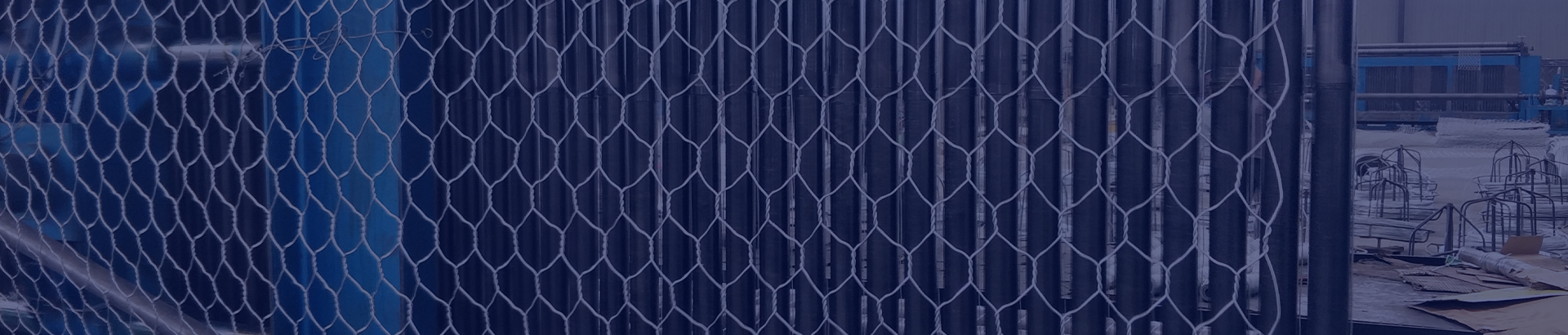
Hesco Bastion Barriers: Rapid Flood & Blast Protection?
Field Notes on Hesco Bastion: What’s Working, What’s New, and What to Ask Your Vendor
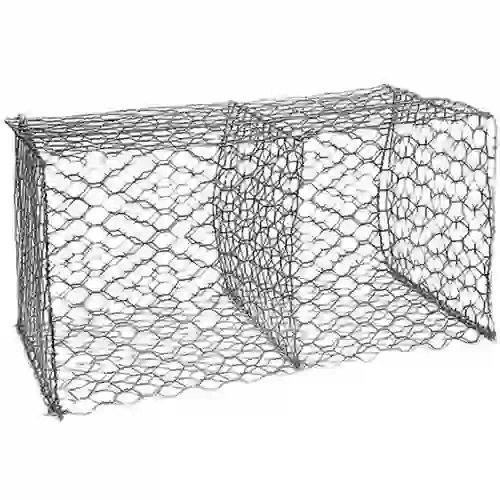
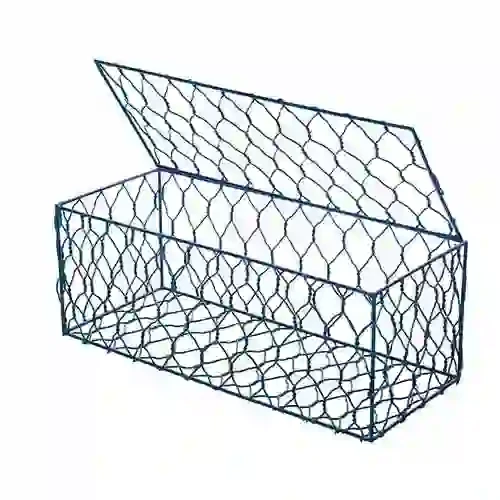
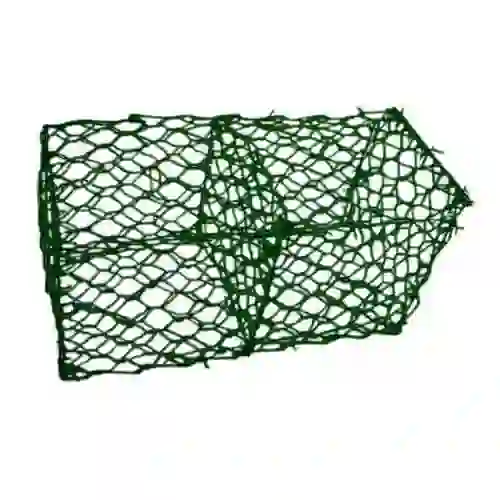
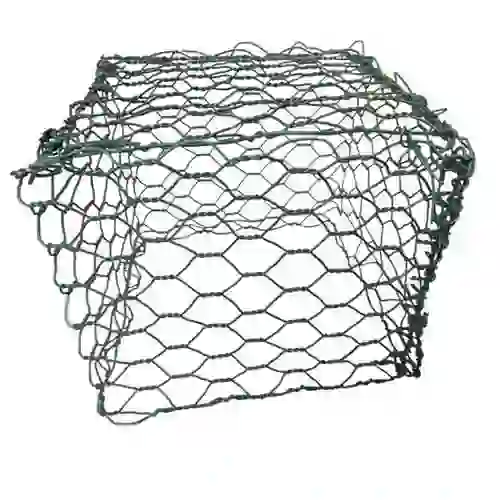
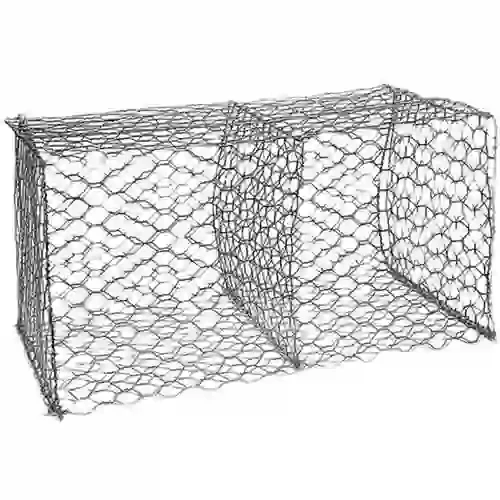
If you’ve ever watched a river climb past its banks or toured a forward operating base, you’ve seen a Hesco Bastion in action. To be honest, these modular, galvanized steel mesh cells with a non-woven liner have become the go-to for fast floodwalls, blast mitigation, and perimeter security. And yes, they still evolve—quietly—year after year.
Industry snapshot
Demand for Hesco Bastion units tracks climate volatility (flood seasons) and critical infrastructure hardening. The trend I keep hearing from civil contractors is “speed-to-wall”—fewer machines, faster fill, and better corrosion protection. On the defense side, blast rating verification and liner UV stability are the big asks. Surprisingly, municipal buyers now ask about reusability and end-of-life recyclability, not just emergency stockpiling.
Technical specifications (typical)
| Mesh wire | Low-carbon steel, hot-dip galvanized; Ø ≈ 4.0–5.0 mm; tensile ≈ 450–550 MPa (real-world may vary) |
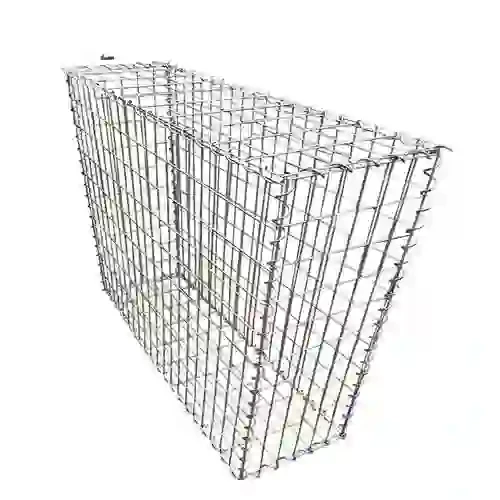
| Mesh aperture | ≈ 76 × 76 mm (3" × 3") welded mesh |
| Coating | Zinc ≈ 230–275 g/m²; options: Zn-Al (Galfan) for extended life |
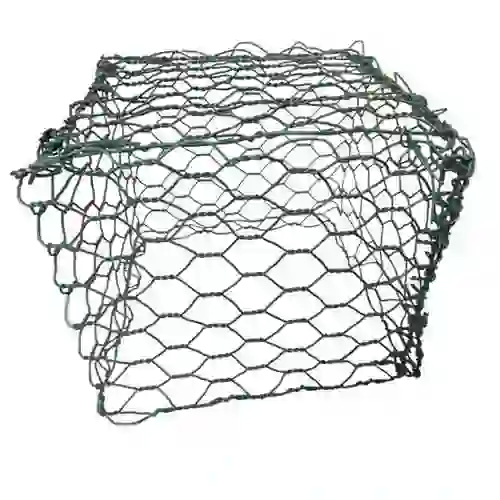
| Liner | Non-woven PP/PE geotextile, ≥ 300–450 g/m²; UV-stabilized |
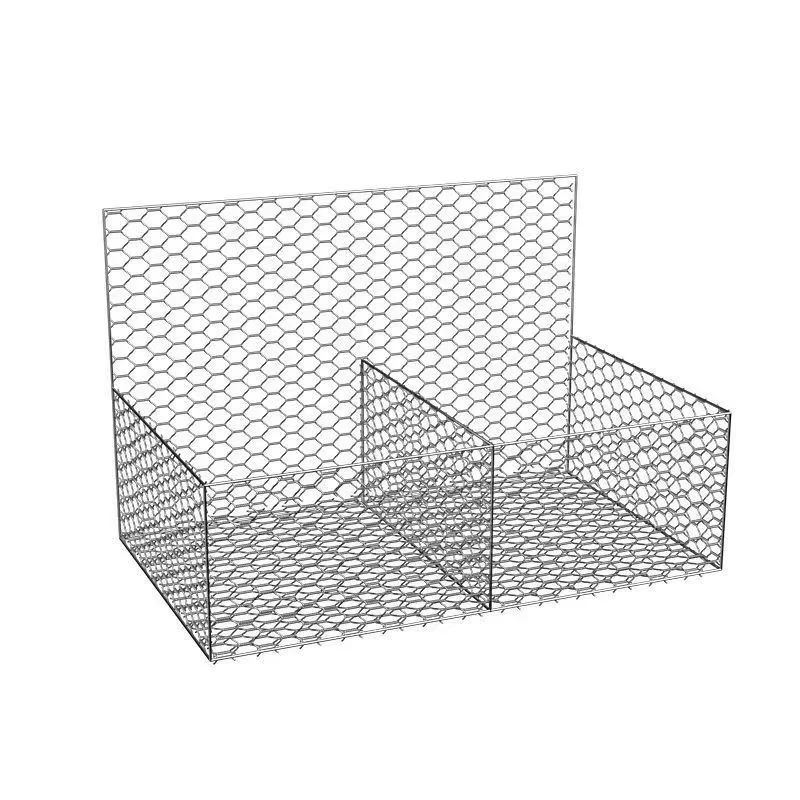
| Module sizes | Heights ≈ 0.6–2.1 m; lengths modular (interconnected cells) |
| Assembly | Coil joints / helical pins; stackable and joinable in the field |
Process flow and QA
Materials: galvanized welded mesh and UV-stabilized geotextile. Methods: mesh welding, panel squaring, liner stitching/fastening, coil pinning, and flat-pack. Testing: coating mass per ASTM A90/A90M or EN 10244-2; salt spray per ASTM B117; weld shear checks; geotextile tensile per ASTM D4595; UV aging per ASTM G154. Some defense projects ask for environmental robustness referencing MIL-STD-810 procedures (dust, UV, thermal). Service life? In temperate, non-saline sites, ≈ 5–10 years; coastal or continuously wet deployments benefit from Zn-Al coatings and heavier liners.
Where they shine
- Flood defense: rapid levee raises, cofferdams, and temporary berms.
- Security and blast: perimeter walls, VBIED standoff, range butts.
- Infrastructure: erosion control near substations, shorelines, and highways.
- Humanitarian: fast shelters and logistics corridors—contractors love the speed.
Many customers say a small crew with a telehandler can deploy hundreds of meters of Hesco Bastion in a day. Fill with locally available sand/soil/gravel—no need for fancy aggregate.
Real-world notes and test data (typical)
We’ve seen liner tensile strength around 15–25 kN/m and retained strength >80% after accelerated UV cycles (lab conditions). For blast/fragment mitigation, designers typically cross-check with UFC 3-340-02 and project-specific standoff tables—don’t assume a generic rating; verify wall height, fill, and setbacks.
Vendor comparison (quick take)
| Vendor | Strengths | Watch-outs |
|---|---|---|
| WiremeshPro (Hengshui, Hebei, China) | Competitive pricing, customization, fast export logistics from North China | Confirm coating mass certificates and liner UV data per project |
| Global Tier-1 Defense Brand | Extensive test libraries, field manuals, turnkey engineering | Higher cost; longer lead times during surge demand |
| Regional OEM | Local stock, flexible MOQs | Quality variance—inspect welds and liner gsm before sign-off |
Customization pointers
- Wire: upgrade to Zn-Al or thicker gauge for coastal sites.
- Liner: choose heavier gsm or double-layer for wet soils.
- Heights: stackable tiers for 3–5 m walls; add internal bracing for curves.
- Kitting: pre-attached coils and color-coded panels speed assembly.
Case briefs
Floodwall (Central Europe): 1.2 m high Hesco Bastion line, 2 km deployed in ≈ 30 hours; no overtopping during peak crest. Substation berm (Gulf Coast): Zn-Al mesh plus 450 g/m² liner reduced rust streaking after 18 months of salt spray. Training range (ME): double-stacked, gravel-filled units cut ricochet risks and dust migration—operators liked the maintenance simplicity.
Procurement checklist
- Mill certs: coating mass, wire tensile (ASTM A370), weld shear data.
- Liner specs: gsm, puncture (ASTM D4833), tensile (ASTM D4595), UV aging (ASTM G154).
- Salt spray report (ASTM B117) and installation guide with fill recommendations.
- ISO 9001 certificate and batch traceability. Ask for a mock-up if time allows.
Origin: Northeast Corner Of Xiwangzhuang Village, Hengshui, Hebei, China.
References
- ASTM B117 – Standard Practice for Operating Salt Spray (Fog) Apparatus.
- ASTM D4595 – Tensile Properties of Geotextiles by Wide-Width Strip Method.
- EN 10244-2 – Steel wire and wire products, Zinc or zinc alloy coatings.
- UFC 3-340-02 – Structures to Resist the Effects of Accidental Explosions.
- MIL-STD-810 – Environmental Engineering Considerations and Laboratory Tests.
-
Quality Black Wire Clothes Hangers for Home and Retail UseNewsApr.16,2026
-
Premium Rose Gold Wire Hangers for Luxury Closet OrganizationNewsApr.09,2026
-
Elevate Your Closet with Stylish Rose Gold Metal Coat HangersNewsApr.07,2026
-
Optimize Your Business with Durable White Wire Clothes HangersNewsApr.04,2026
-
Comprehensive Guide to Buy Wire Clothes Hangers for Optimal Closet OrganizationNewsMar.31,2026
-
Find the Best Deals and Options to Buy Wire Hangers for All Your NeedsNewsMar.28,2026
-
Find the Best Deals to Buy Wire Coat Hangers for Your NeedsNewsMar.26,2026