

Securing a high-value perimeter requires more than just a physical barrier; it requires a strategic investment in deterrent technology. For many procurement managers, the primary challenge is understanding the volatility of razor fence price and how it correlates with material grade and protective longevity.
Unlike standard chain-link or barbed wire, razor wire utilizes high-tensile steel with sharp-edged profiles designed to penetrate and entrap. The cost is rarely a flat rate, as it fluctuates based on the coating process—whether electro-galvanized or hot-dip galvanized—and the specific geometry of the razor coils.
In this analysis, we examine the cost drivers of high-security fencing, the technical trade-offs between different galvanized finishes, and how to evaluate supplier reliability in the metal wire products industry to ensure the lowest total cost of ownership.

Understanding the Core Drivers of Razor Fence Pricing

The pricing of razor fencing is not merely a product of raw material weight but a combination of metallurgical properties and fabrication precision. The core cost is heavily influenced by the grade of low-carbon steel wire used and the subsequent coating thickness, which determines the fence's resistance to oxidation in harsh environments.
Market fluctuations in zinc prices directly impact galvanized razor wire costs. Since the protective layer is essentially a zinc coating, any volatility in the global zinc market shifts the baseline for both electro-galvanized and hot-dip galvanized options. Furthermore, the complexity of the "twist" and the barb distance (often ranging from 3 to 6 inches) affects the amount of material used per linear meter.
Beyond materials, the manufacturing process—utilizing automatic barbed wire machines—ensures consistency, but specialized requirements, such as custom PVC coating colors (blue, green, yellow), add a layer of processing cost. Buyers must distinguish between the "sticker price" and the value provided by corrosion resistance and ageing resistance.
Technical Specifications and Their Impact on Final Cost
Technical precision is the primary differentiator in the metal wire products sector. The gauge of the wire, measured in SWG or BWG, determines the structural integrity of the fence; a lower gauge (thicker wire) increases both the security level and the material cost.
Coating technology is the most significant cost variable. Electro-galvanized wire offers a smooth finish and lower initial cost but provides less protection against heavy corrosion. In contrast, hot-dip galvanized wire, which involves immersing the steel in molten zinc, creates a much thicker, more durable layer, justifying a higher price point for long-term outdoor installations.
For extreme environments, PVC coating is applied over a galvanized or black wire core. This dual-layer protection adds solarization resistance and aesthetic flexibility, making it ideal for airport or highway boundaries where both security and visual integration are required.
-->
Critical Deployment Scenarios for High-Security Wire
The application of razor fencing varies based on the level of threat and the environmental conditions of the site. In national defense and airport security, the focus is on maximum deterrence, necessitating double-twist barbed wire and heavy-gauge galvanized cores to prevent cutting and climbing.
Agricultural boundaries and orchards often utilize a more cost-effective single-twist barbed wire. In these scenarios, the primary goal is boundary marking and livestock control rather than high-level intrusion prevention, allowing for the use of thinner wire gauges and standard electro-galvanized finishes.
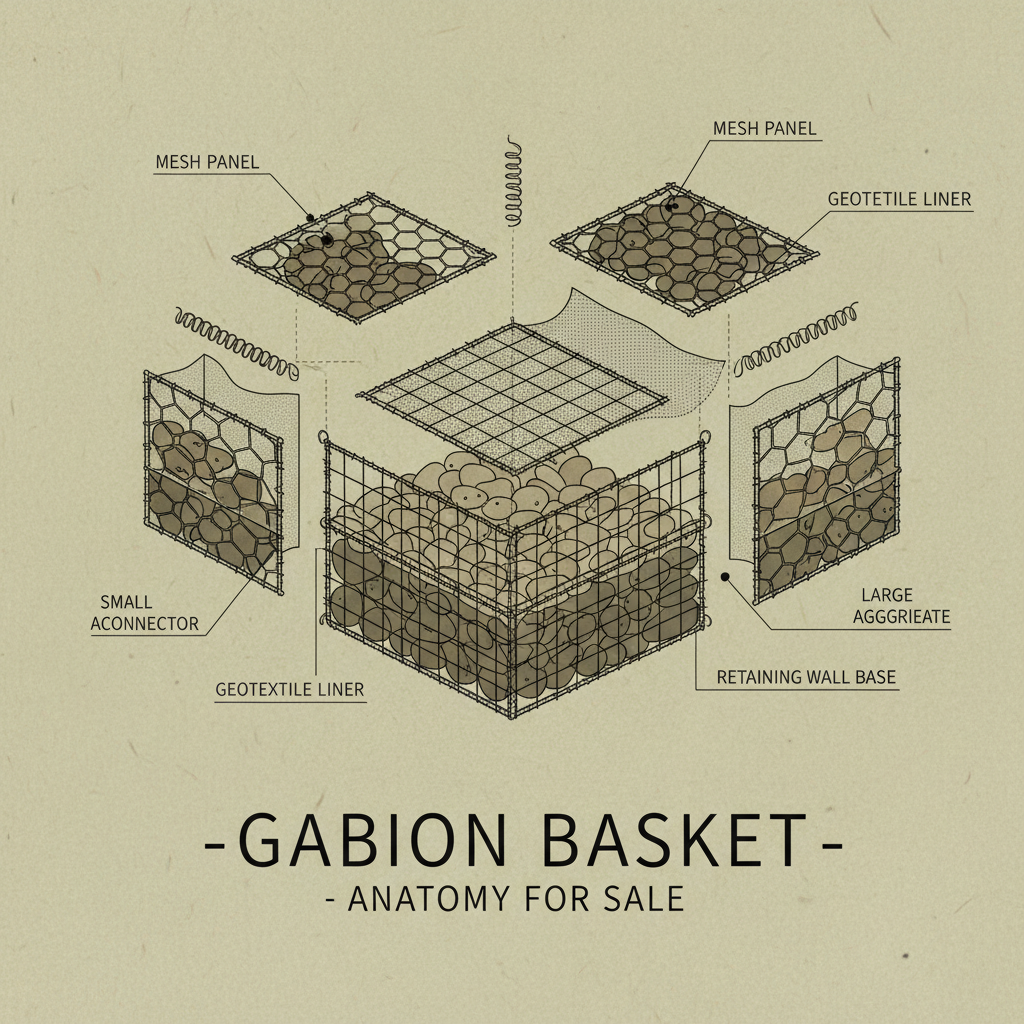
Industrial zones and railway perimeters often implement a hybrid approach, using gabion mesh for structural stability at the base and razor wire coils on top. This layered security strategy optimizes the budget by placing the most expensive, high-deterrent materials only where they are most effective.
Comparing Protective Lifespans Across Coating Types
Evaluating the ROI of a security fence requires a comparison of the lifespan of different materials. A cheaper coating may lead to premature rusting, resulting in structural failure and the need for complete replacement within a few years.
When comparing electro-galvanized, hot-dip galvanized, and PVC-coated wires, the variance in corrosion resistance is stark. This is particularly evident in coastal areas where salt air accelerates oxidation. The following data represents the relative durability and maintenance requirements of these materials.
razor fence price Performance Metrics
As shown in the benchmarks, while the initial investment for PVC-coated and hot-dip galvanized options is higher, their ability to maintain structural integrity over a decade significantly reduces the long-term maintenance expenditure compared to basic galvanized alternatives.
Strategic Procurement and Installation Considerations
Procuring high-security fencing requires a rigorous evaluation of the supplier's quality management systems. For instance, adherence to ISO9001 and ISO14001 ensures that the zinc coating is applied uniformly and that the steel alloy meets the necessary tensile strength requirements.
Installation costs often represent a significant portion of the total project budget. The choice between single-twist and double-twist wire affects the labor time required for tensioning and securing the coils. Double-twist configurations provide superior stability and are harder to dismantle, though they require more precise installation techniques.
Buyers should also consider "one-stop purchasing" models to synchronize the delivery of razor wire with other necessary components like gabion mesh or hexagonal wire mesh, reducing shipping overheads and ensuring material compatibility across the entire perimeter.
Evolution of Anti-Climb Technology and Material Trends
The security fencing industry is moving toward integrated systems where physical barriers are combined with electronic monitoring. We are seeing an increase in the demand for specialized coatings that not only resist corrosion but also provide camouflage for military and national defense applications.
New materials in the wire-drawing process are allowing for higher tensile strength without increasing the weight of the product. This enables the creation of thinner but stronger razor blades, which can increase the deterrent effect while potentially reducing shipping costs due to lower total weight.
Future trends suggest a shift toward hybrid galvanized-polymer coatings that offer the strength of hot-dip zinc with the chemical resistance of advanced plastics, potentially extending the maintenance-free lifecycle of the fence in acidic or highly alkaline industrial environments.
Decision Framework for Selecting Security Fence Specifications
Choosing the right specification requires balancing the threat level against the environmental budget. A high-security facility in a humid climate requires a different specification than a rural boundary in a dry region.
The following table provides a decision matrix to help procurement officers align their technical requirements with the most appropriate product category and coating type.
| Security Level | Recommended Coating | Ideal Application | Cost Impact |
|---|---|---|---|
| Low | Electro-Galvanized | Orchards / Grass Boundary | Baseline Cost |
| Medium | Hot-Dip Galvanized | Railway / Highway | Moderate Increase |
| High | PVC Coated (Galv Core) | Airports / Prisons | Significant Increase |
| Critical | Double-Twist HDG | Military / Defense | High Premium |
| Industrial | PVC Coated (Black Core) | Chemical Plants | Specialized Cost |
| Rural | Single-Twist Galv | Large Acreage Farms | Economy Option |
Ultimately, the optimal selection depends on the specific risk assessment of the site. Those evaluating these options can review the relevant product and company information available through www.wiremeshpro.com to ensure their specifications meet international quality standards.
Frequently Asked Questions
Conclusion
Navigating the complexities of razor fence pricing requires a shift in perspective from initial expenditure to long-term value. By prioritizing the correct coating technology and wire gauge for the specific environmental threat, organizations can avoid the costly cycle of premature failure and replacement.
Whether deploying for national defense or simple agricultural boundary protection, the intersection of material quality and fabrication precision remains the only way to guarantee perimeter integrity. For a comprehensive range of high-quality metal wire products, visiting www.wiremeshpro.com can provide the technical insights needed for an informed procurement decision.