-
 Phone:
 -
 Email:
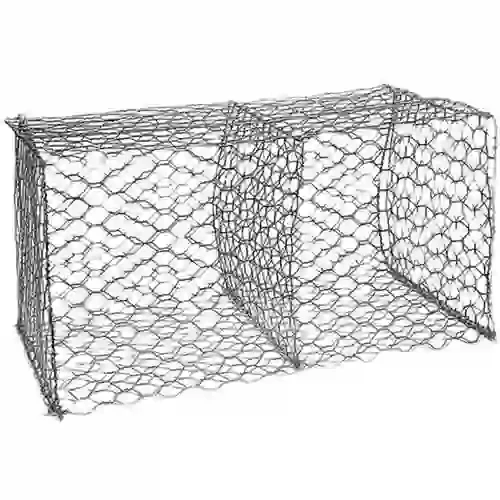
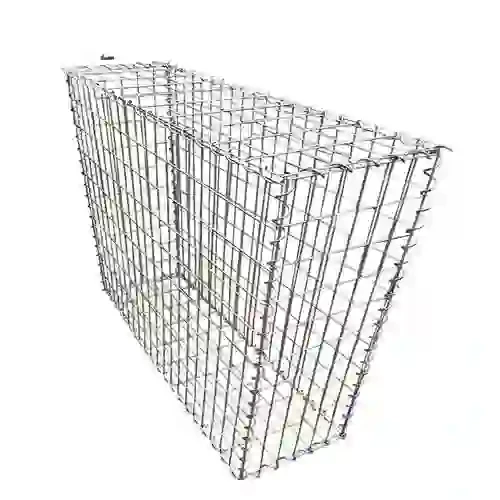
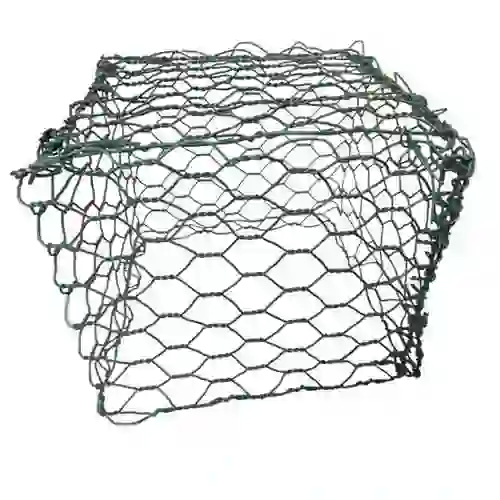
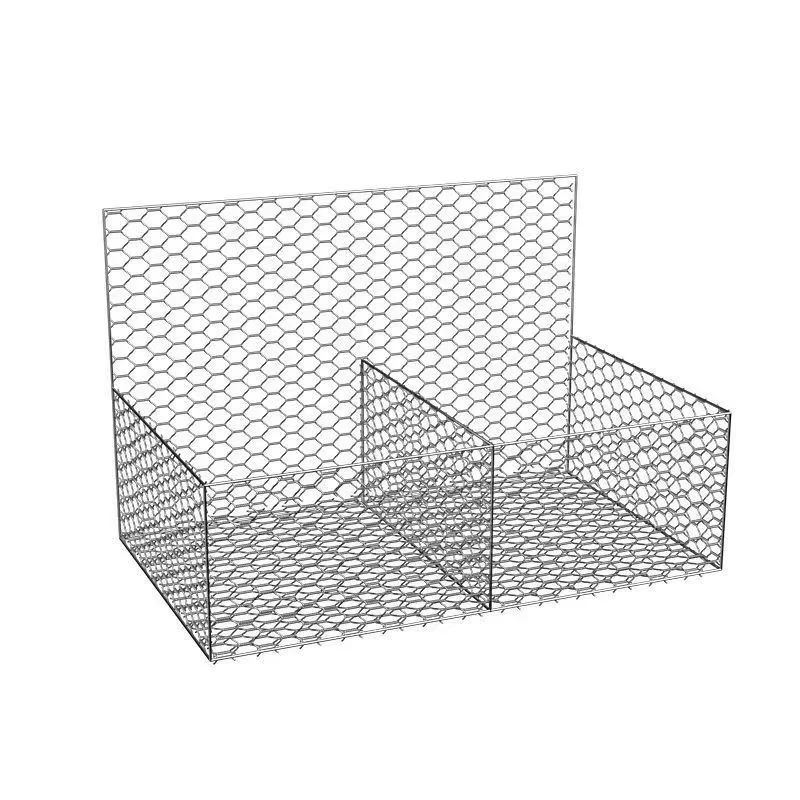
Premium Reinforced Mesh Cushion | Durable, Breathable Comfort
Introduction to Advanced Vibration and Load Management Solutions
In demanding industrial environments, managing vibration, accommodating thermal expansion, and supporting heavy loads are critical challenges that impact equipment longevity, operational efficiency, and safety. Traditional dampening and support materials often fall short under extreme conditions, leading to premature failure and costly downtime. Addressing these complexities requires innovative solutions engineered for superior performance. One such advanced solution is the Reinforced Mesh Cushion, a sophisticated component designed to excel where conventional materials fail. This article delves into its technical intricacies, applications, and strategic advantages for B2B decision-makers and engineers seeking optimal operational resilience.
Current Industry Trends and Market Demands
The industrial landscape is continuously evolving, driven by stringent regulatory requirements, the push for increased energy efficiency, and the necessity for extended operational life of critical infrastructure. Industries such as petrochemical, power generation, oil & gas, and heavy manufacturing are witnessing a growing demand for components that can withstand increasingly harsh operating conditions. This includes environments characterized by high temperatures, corrosive chemicals, significant mechanical stress, and pervasive vibrations. Engineers are actively seeking solutions that offer:
- Enhanced Vibration Isolation: To protect sensitive equipment and reduce structural fatigue in pipelines, vessels, and machinery.
- Superior Load-Bearing Capacity: For supporting heavy equipment and piping systems without permanent deformation.
- Corrosion and Chemical Resistance: To ensure long-term integrity in aggressive chemical process streams and marine environments.
- Thermal Stability: To maintain performance across wide temperature fluctuations, often exceeding 500°C.
- Reduced Maintenance Cycles: Contributing to lower operational expenditure (OpEx) and improved overall plant availability.
Technical Specifications and Material Science of the Reinforced Mesh Cushion
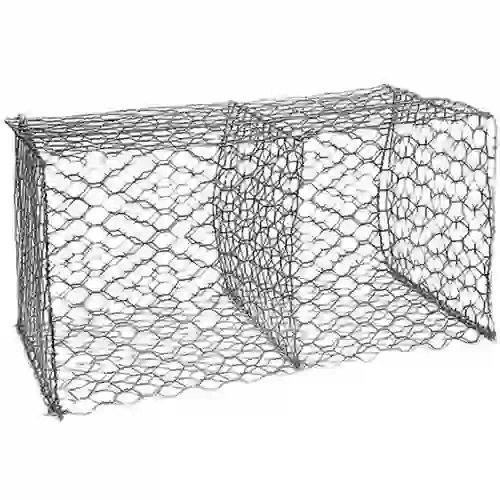
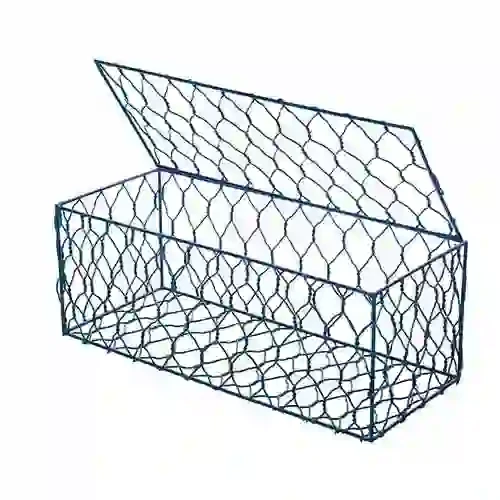
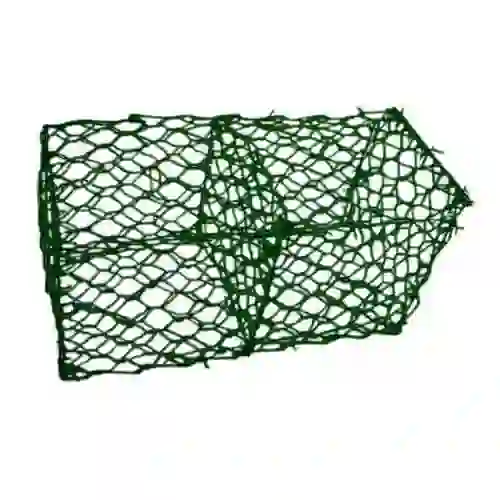
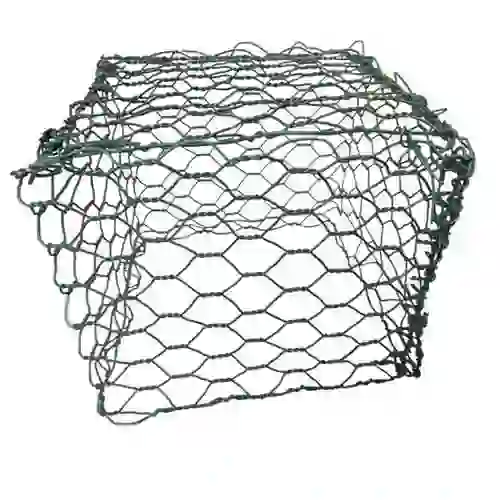
The structural integrity and performance of a Reinforced Mesh Cushion derive from its sophisticated design and selection of advanced materials. Typically composed of interlocked wire mesh elements reinforced with specialized inserts, these cushions are engineered for precise compression characteristics and resilience.
Core Structure
The core consists of finely knitted or woven metallic wire mesh, which provides the primary dampening and conforming properties. This mesh is strategically densified and formed. Reinforcement elements, which can range from corrugated metallic sheets, solid bar inserts, or even ceramic fiber layers for extreme thermal applications, are integrated within the mesh matrix. This composite structure allows the cushion to absorb energy through localized deformation of the mesh while the reinforcement bears the primary static and dynamic loads without yielding.
Material Selection
Material choice is paramount, dictated by the operational environment's temperature, chemical aggressivity, and mechanical stress. Common materials include:
- Stainless Steels (e.g., SS304, SS316, SS321): Offering excellent corrosion resistance and strength for moderate to high temperatures. SS316 is preferred for chloride environments.
- Nickel Alloys (e.g., Inconel 600/625, Monel 400): Chosen for extreme high-temperature applications (up to 1000°C+), superior strength at elevated temperatures, and resistance to highly corrosive media like strong acids, alkalis, and chlorides.
- Special Alloys (e.g., Hastelloy): For highly specific and aggressive chemical process environments.
- Ceramic Fibers: Integrated for thermal insulation properties in ultra-high temperature applications, typically as a reinforcement or core filler.
Compliance with international standards such as ASTM (e.g., ASTM A240 for stainless steels), API (e.g., API 610 for centrifugal pumps where vibration dampening is critical), and ISO (e.g., ISO 9001 for quality management) is a cornerstone of material and product integrity.
Typical Material Specifications for Reinforced Mesh Cushion
| Parameter | Specification Range / Typical Values |
|---|---|
| Wire Material | SS304, SS316, SS321, Inconel 600/625, Monel 400, Hastelloy |
| Reinforcement Type | Corrugated metal strips, solid metal bars, ceramic fiber layers |
| Operating Temperature Range | -200°C to +1000°C (depending on material) |
| Density (Compression) | 150 - 450 kg/m³ (variable based on application) |
| Load Capacity (Static) | Up to 50 MPa (7250 psi) |
| Vibration Attenuation | Typically 50-80% reduction at target frequencies |
| Service Life | 10-20 years under proper operating conditions |
| Relevant Standards | ASTM E8 (Tensile Testing), ISO 9001, ANSI B16.5 |
Precision Manufacturing Process Flow
The production of a high-performance Reinforced Mesh Cushion is a meticulous process, leveraging advanced manufacturing techniques to ensure consistent quality and superior performance. The general process flow involves several critical stages:
Process Step 1: Material Selection and Preparation
Raw material verification:
High-grade metallic wires (e.g., SS316, Inconel) and reinforcement elements are sourced from certified suppliers. Material composition analysis and mechanical property testing (e.g., ASTM E8 tensile strength) ensure compliance with specifications.Process Step 2: Wire Mesh Knitting/Weaving
Precision knitting or weaving:
Specialized machinery forms the selected wire into a continuous mesh, controlling mesh density and aperture size for specific dampening characteristics.Process Step 3: Reinforcement Integration
Strategic embedding of reinforcement:
Corrugated metallic strips, solid bar inserts, or ceramic fiber layers are precisely layered or interlocked with the wire mesh. This step often involves CNC machining for shaping reinforcement elements and precise placement.Process Step 4: Compression and Forming
Shaping and densification:
The integrated mesh and reinforcement material is then compressed using hydraulic presses or specialized dies to achieve the desired density, shape, and dimensional tolerances. This process controls the cushion's stiffness and load-bearing capacity.Process Step 5: Edge Treatment and Welding
Finishing and sealing:
Edges are typically crimped, spot-welded, or fusion-bonded to prevent unraveling and ensure structural integrity. This step is crucial for maintaining shape and preventing material migration during operation.Process Step 6: Heat Treatment (if required)
Stress relief and property optimization:
For certain alloys or applications, heat treatment processes like annealing or solution treatment are performed to relieve internal stresses, improve ductility, or enhance corrosion resistance.Process Step 7: Quality Control and Testing
Rigorous validation:
Each Reinforced Mesh Cushion undergoes stringent quality checks including dimensional inspection, visual inspection, compression testing (load-deflection curves), fatigue testing, and material verification. Compliance with ISO 9001 and specific project standards (e.g., ANSI B16.5 for flange dimensions) is ensured.This meticulous process ensures that each Reinforced Mesh Cushion meets the highest standards for critical industries like petrochemical (e.g., supporting heat exchanger internals, catalyst beds), metallurgy (e.g., furnace support, annealing lines), and water supply & drainage (e.g., pipeline isolation, pump mounts). The advantages demonstrated include superior energy saving through efficient vibration dampening and exceptional corrosion resistance due to material selection and precise manufacturing.
Key Application Scenarios and Industry Impact
The versatility and robust performance of the Reinforced Mesh Cushion make it an indispensable component across a spectrum of heavy industries where high temperatures, vibrations, and corrosive conditions are prevalent. Its ability to manage complex mechanical and thermal stresses translates directly into extended equipment life and improved operational reliability.
- Petrochemical and Chemical Processing: Used extensively in catalytic crackers, reformers, heat exchangers, and distillation columns to support internal components. Here, they provide crucial vibration dampening to prevent fatigue cracking of tubes and trays, absorb thermal expansion, and resist degradation from aggressive chemicals like acids, chlorides, and sulfur compounds. This leads to significantly longer service intervals and enhanced process stability.
- Power Generation: Essential in thermal power plants, nuclear facilities, and combined cycle plants. Applications include supporting boiler internals, steam turbine insulation, ductwork expansion joints, and exhaust system mounts. The cushions manage thermal stresses from rapid temperature changes and insulate against severe heat, while also dampening vibrations from rotating machinery, thereby protecting critical infrastructure and improving energy efficiency.
- Metallurgy and Foundry Operations: In high-temperature furnaces, annealing lines, and continuous casting operations, these cushions support refractory linings, conveyor components, and furnace doors. They withstand extreme radiant heat and heavy static loads, preventing distortion and ensuring precise alignment, crucial for product quality and operational safety.
- Water Supply & Drainage Systems: While often overlooked, large-scale pumping stations and complex pipeline networks generate considerable vibration. Reinforced mesh cushions are deployed as pipe supports, pump isolators, and expansion joint fillers to mitigate hydraulic shock, reduce noise, and prevent premature wear of pipe joints and support structures. This contributes to the integrity of urban and industrial water infrastructure.
- Oil & Gas Exploration and Production: On offshore platforms and onshore processing facilities, these cushions are used in pipeline support systems, compressor mounts, and flare stack supports. They withstand dynamic loads, harsh marine environments (saltwater corrosion), and extreme temperatures, providing stability and reducing fatigue in structures exposed to constant movement and environmental stress.
The effective deployment of reinforced mesh cushions translates into substantial operational advantages, including reduced unscheduled downtime, lower maintenance costs, improved safety profiles, and extended asset life for multi-million dollar industrial equipment. Customer feedback consistently highlights the reliability and durability of these components in challenging service conditions.
Technical Advantages and Performance Metrics
The specialized design and material composition of Reinforced Mesh Cushion confer a distinct set of technical advantages crucial for high-performance industrial applications:
- Superior Vibration Dampening and Shock Absorption: The interlocked mesh structure provides a highly effective medium for dissipating kinetic energy, significantly reducing transmitted vibrations and mechanical shock to sensitive components and structural elements. This extends the lifespan of adjacent equipment and reduces noise pollution.
- Exceptional Load-Bearing Capacity: Unlike unreinforced mesh pads, the integrated reinforcement allows these cushions to support substantial static and dynamic loads without excessive deformation or creep, ensuring structural integrity even under continuous high stress.
- High-Temperature Resilience: Fabricated from materials like Inconel or SS321, these cushions can operate continuously in environments up to 1000°C, maintaining their mechanical properties and structural integrity where organic materials would rapidly degrade.
- Outstanding Corrosion and Chemical Resistance: Utilizing specialized alloys (e.g., Hastelloy, Monel), the cushions resist degradation from aggressive chemical agents, acids, alkalis, and saline environments, ensuring long-term performance in corrosive process streams.
- Long Service Life and Reduced Maintenance: Due to their robust construction and resistance to environmental degradation, reinforced mesh cushions offer an extended service life, drastically reducing the frequency of replacement and associated maintenance costs and downtime.
- Energy Efficiency: By effectively isolating vibrations and providing stable support, they prevent energy loss through unwanted movement and friction, potentially leading to marginal energy savings in large-scale systems.
- Dimensional Stability: Engineered to specific compression deflection characteristics, they provide predictable performance over time, essential for maintaining alignment and critical clearances in complex machinery.
Vendor Comparison: Differentiating Factors
Selecting the right supplier for Reinforced Mesh Cushion is crucial for ensuring product quality, reliability, and long-term cost-effectiveness. While many vendors offer similar products, key differentiators significantly impact performance and total cost of ownership (TCO).
Comparison of Supplier Attributes
| Attribute | Premium Supplier (e.g., WireMeshPro) | Standard Supplier (Generic) |
|---|---|---|
| Material Traceability | Full mill certificates, material test reports for every batch. | Limited or generic material documentation. |
| Manufacturing Process | ISO 9001 certified, CNC precision, in-house heat treatment capabilities. | Standard industrial processes, potentially outsourced steps. |
| Quality Control & Testing | Comprehensive QC (dimensional, load-deflection, fatigue, NDT), independent lab verification. | Basic dimensional checks, limited performance testing. |
| Customization & Engineering Support | Dedicated engineering team, CAD integration, finite element analysis (FEA) for custom designs. | Limited customization, standard catalogue items primarily. |
| Lead Time Reliability | Transparent and often shorter lead times due to integrated production, project management. | Variable, potentially longer lead times due to supply chain complexities. |
| After-Sales Support & Warranty | Comprehensive warranty, technical field support, long-term partnership approach. | Standard limited warranty, less accessible technical support. |
| Certification & Compliance | Compliance with international standards (ISO, ANSI, ASME, API), specific industry certifications. | Basic compliance, fewer specific industry certifications. |
Choosing a supplier with a proven track record, rigorous quality control, and robust engineering support is paramount for critical applications, ensuring that the Reinforced Mesh Cushion performs as expected throughout its long service life.
Customized Solutions and Engineering Partnership
Recognizing that no two industrial applications are exactly alike, premium suppliers offer comprehensive customized solutions for their Reinforced Mesh Cushion products. This goes beyond mere dimensional adjustments to a full engineering partnership that addresses specific operational challenges.
Customization options include:
- Material Composition: Tailoring wire mesh and reinforcement materials to resist unique chemical environments, extreme temperatures, or specific mechanical loads. This might involve different grades of stainless steel, nickel alloys, or even ceramic-reinforced composites.
- Geometry and Dimensions: Manufacturing cushions in virtually any size, shape (e.g., circular, rectangular, custom contours), and thickness to fit precise installation requirements.
- Density and Compression Characteristics: Adjusting the mesh density and reinforcement structure to achieve specific load-deflection curves, optimizing for maximum vibration isolation or static load support.
- Integrated Features: Incorporating mounting holes, alignment pins, or specialized coatings for enhanced functionality and ease of installation.
An effective engineering partnership involves collaborative design reviews, finite element analysis (FEA) for predicting performance under simulated conditions, and prototyping to validate custom designs. This ensures that the tailored Reinforced Mesh Cushion integrates seamlessly and performs optimally within the client's existing infrastructure, yielding superior operational efficiency and extended equipment lifespan.
Application Case Studies: Proven Performance
Case Study 1: High-Temperature Petrochemical Reactor Support
Client Challenge: A major petrochemical plant experienced frequent stress corrosion cracking in the internal support structures of a catalytic reactor operating at 650°C with corrosive sulfur compounds. Existing supports provided inadequate vibration dampening and thermal expansion accommodation, leading to costly unscheduled shutdowns every 18-24 months.
Solution: Custom-engineered Reinforced Mesh Cushion pads fabricated from Inconel 625 with corrugated Inconel reinforcement were designed. These pads were dimensioned to precisely fit the reactor's internal components, providing superior vibration isolation and accommodating significant thermal expansion without material degradation. Each pad underwent extensive compression and fatigue testing to simulate reactor conditions.
Results: After installation, the reactor operated for over 5 years without any issues related to support structure failure, exceeding the previous lifespan by more than 150%. The reduction in vibration was measured at 70%, and stress corrosion cracking was completely eliminated, leading to an estimated annual saving of $1.2 million in maintenance and lost production.
Case Study 2: Offshore Platform Pump Vibration Isolation
Client Challenge: A critical crude oil transfer pump on an offshore production platform generated severe vibrations, causing fatigue in adjacent piping and structural elements. The harsh marine environment also accelerated corrosion of standard rubber-based isolators, requiring frequent replacement and posing safety risks.
Solution: A series of custom-sized Reinforced Mesh Cushion isolators made from Monel 400 (for exceptional saltwater corrosion resistance) with integrated stainless steel reinforcement bars were deployed beneath the pump and its associated piping. The design focused on isolating specific frequency ranges to minimize structural resonance while maintaining high load capacity.
Results: Post-installation vibration levels were reduced by 65%, significantly extending the lifespan of the piping system and reducing maintenance on ancillary equipment. The Monel cushions demonstrated no signs of corrosion after 3 years of continuous exposure, outperforming previous isolators by more than 400%. Operational noise levels on the platform were also notably reduced, improving working conditions.
Commitment to Quality, Trust, and Support
Our commitment to quality, trust, and exceptional customer support is foundational to our operations. We adhere to the highest industry standards to ensure that every Reinforced Mesh Cushion delivered meets or exceeds client expectations.
- Certifications and Standards: Our manufacturing facilities are ISO 9001:2015 certified, affirming our dedication to consistent quality management systems. Products comply with relevant industry standards such as ASTM, ANSI, ASME, and API, ensuring interoperability and safety in critical applications.
- Years of Service: With decades of experience in specialized wire mesh product manufacturing, we bring unparalleled expertise and a proven track record to every project.
- Partner Clients: We serve a global clientele of leading companies in petrochemical, power generation, metallurgy, and other heavy industries, building long-term relationships based on trust and reliable performance.
- Rigorous Testing: Every batch undergoes comprehensive testing, including material verification, dimensional accuracy, compression characteristics, and where applicable, fatigue analysis and corrosion resistance testing. Full material and performance test reports are available upon request.
Frequently Asked Questions (FAQ)
Q1: What is the typical service life of a Reinforced Mesh Cushion?
A1: Under normal operating conditions and proper material selection for the given environment, a Reinforced Mesh Cushion can have a service life of 10-20 years. Factors like extreme temperature cycles, aggressive chemical exposure, and continuous high dynamic loads can influence this, but appropriate material and design choices significantly extend longevity.
Q2: What materials are available for highly corrosive environments?
A2: For highly corrosive environments, we recommend specific nickel-based alloys such as Inconel (e.g., 600, 625), Monel 400, or Hastelloy. These materials offer superior resistance to various acids, chlorides, and other aggressive chemicals compared to standard stainless steels.
Q3: How are custom sizes and shapes accommodated?
A3: Our engineering team works closely with clients to develop custom solutions. We can manufacture cushions in virtually any dimension and complex shape, utilizing CAD design and precision manufacturing processes. Clients typically provide drawings or specifications, and we offer design assistance to optimize performance.
Q4: What testing procedures ensure product quality?
A4: Our quality assurance includes material composition analysis, dimensional inspection, compression testing (load-deflection characteristics), and where specified, fatigue testing and simulated environmental exposure. All tests adhere to international standards and internal protocols to guarantee product integrity and performance.
Lead Time, Warranty, and After-Sales Support
Lead Time & Fulfillment
Standard Reinforced Mesh Cushion products typically have a lead time of 4-6 weeks, depending on material availability and order volume. Custom-engineered solutions may require 8-12 weeks, encompassing design, prototyping, and specialized manufacturing. We maintain efficient supply chain management and transparent communication regarding order status and delivery schedules.
Warranty Commitments
All our reinforced mesh cushions come with a comprehensive warranty against manufacturing defects and material failures under specified operating conditions. The warranty period and terms are outlined in our sales agreement, typically covering a minimum of 2 years from the date of shipment, reflecting our confidence in product durability and quality.
Customer Support
Our dedicated technical support team is available to assist with product selection, installation guidance, and troubleshooting. We offer both remote and on-site support to ensure seamless integration and optimal performance of our products. Post-sales, we provide ongoing assistance for maintenance inquiries and performance optimization, fostering a long-term partnership with our clients.
Conclusion
The Reinforced Mesh Cushion stands as a testament to advanced material science and precision engineering, offering an unparalleled solution for vibration isolation, load bearing, and thermal management in the most challenging industrial environments. Its robust construction, customizable properties, and resistance to extreme conditions make it an invaluable component for extending equipment lifespan, reducing maintenance costs, and enhancing operational reliability across sectors like petrochemical, power generation, and metallurgy. By partnering with a reputable supplier that emphasizes quality, technical expertise, and comprehensive support, industries can unlock the full potential of this innovative technology, ensuring sustainable and efficient operations for decades to come.
References
- ASTM International. "Standard Test Methods for Tension Testing of Metallic Materials." ASTM E8/E8M.
- International Organization for Standardization. "Quality Management Systems — Requirements." ISO 9001:2015.
- American Petroleum Institute. "Centrifugal Pumps for Petroleum, Petrochemical and Natural Gas Industries." API 610.
- "Mechanical Vibration and Shock: Condition Monitoring and Diagnostics of Machines – Generic Guidelines." ISO 18436.
- ASM International. "ASM Handbook, Vol 1: Properties and Selection: Irons, Steels, and High-Performance Alloys."
-
Quality Black Wire Clothes Hangers for Home and Retail UseNewsApr.16,2026
-
Premium Rose Gold Wire Hangers for Luxury Closet OrganizationNewsApr.09,2026
-
Elevate Your Closet with Stylish Rose Gold Metal Coat HangersNewsApr.07,2026
-
Optimize Your Business with Durable White Wire Clothes HangersNewsApr.04,2026
-
Comprehensive Guide to Buy Wire Clothes Hangers for Optimal Closet OrganizationNewsMar.31,2026
-
Find the Best Deals and Options to Buy Wire Hangers for All Your NeedsNewsMar.28,2026
-
Find the Best Deals to Buy Wire Coat Hangers for Your NeedsNewsMar.26,2026