-
 Phone:
 -
 Email:
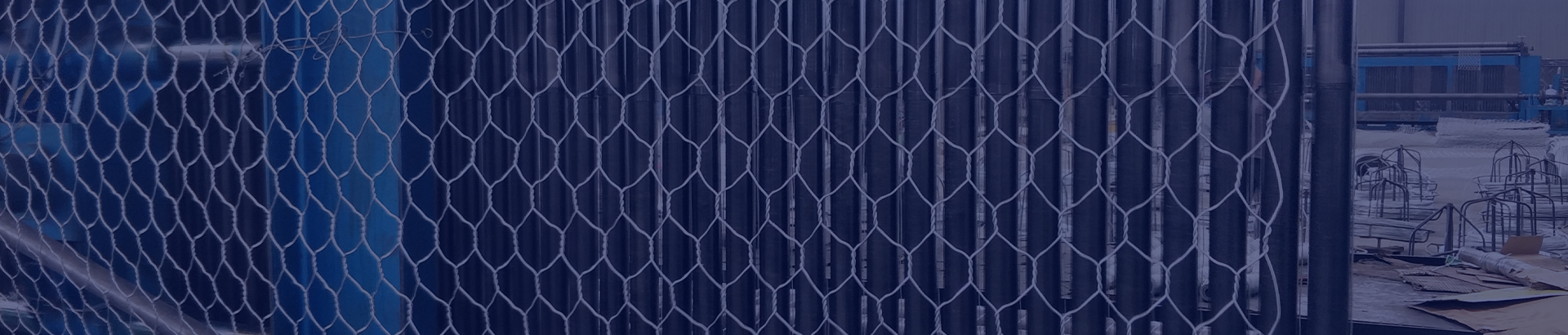
Rockfall Net for Slope Protection – High-Strength & Durable
Rockfall Net: 2025 Buyer’s Field Guide from an Engineer’s Notebook
If you’ve ever stood under a fractured cliff face after a freeze–thaw cycle, you know why a rockfall net isn’t a “nice-to-have.” It’s seatbelt-and-airbag territory for roads, rail, and mines. Lately, I’m seeing owners pivot toward higher energy classes, Zn–Al alloy coatings, and hybrid layouts (drapery + attenuator + barrier) to tame both small talus and the odd 3-ton rogue block.
What it is and where it works
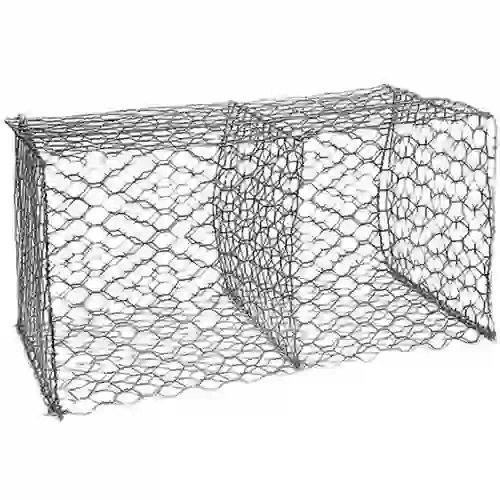
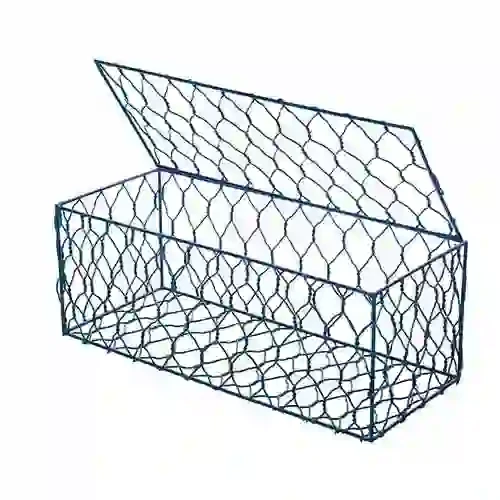
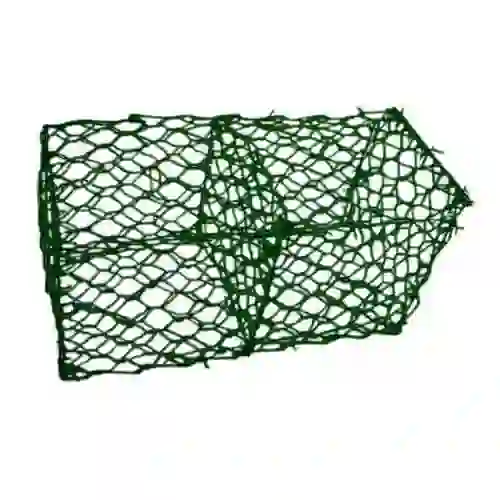
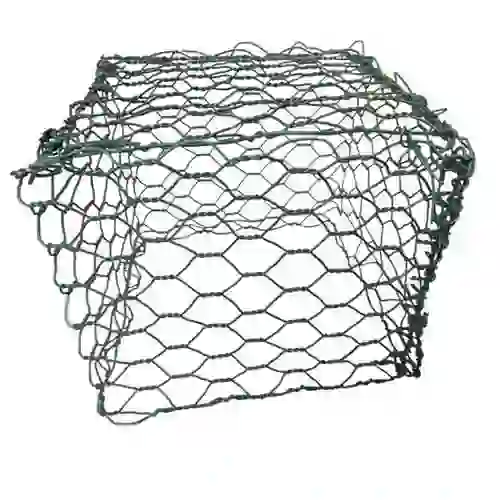
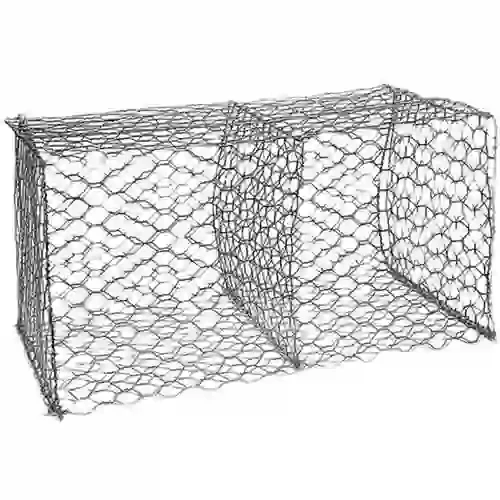
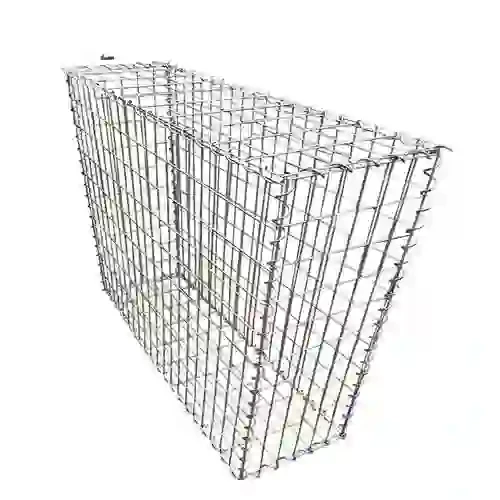
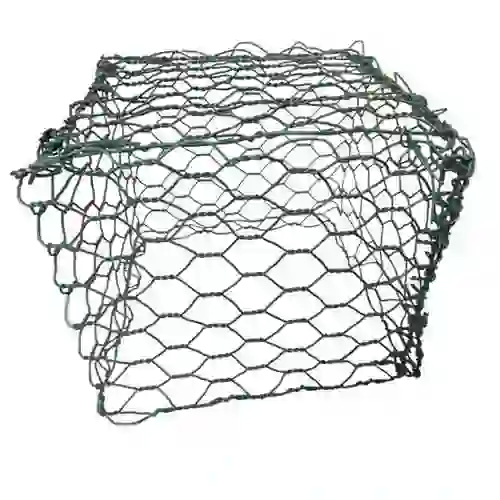
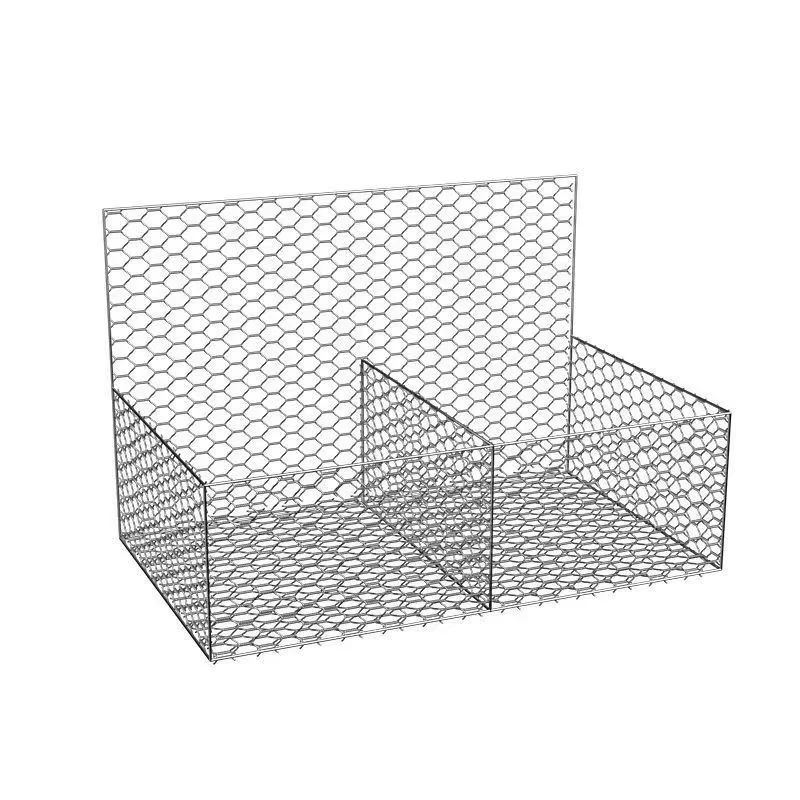
A rockfall net is typically either double‑twisted hexagonal mesh (DT mesh) or high‑tensile ring net hung on posts and anchors. You’ll see it on mountain highways, rail cuttings, open‑pit mines, hydropower intakes, and even quarries. Configurations vary: free drapery (let debris run to a ditch), pinned drapery (add nails), attenuators (hybrid catch-and-guide), and full barriers (energy rated, 100–8000 kJ).
Industry trends I’m watching
- Shift to high‑tensile wires (≈1770 MPa) and Zn–Al (Galfan) coatings for longer service in coastal/acid rain zones.
- “System thinking” over piecemeal fixes: matched mesh, posts, brakes, and anchors validated as a kit.
- Traceability: mill certs, CE/EAD files, and salt-spray data requested upfront—rightly so.
Typical specifications (real-world use may vary)
| System | Mesh / Rings | Wire / Strength | Coating | Energy Class | Notes |
|---|---|---|---|---|---|
| Drapery (DT) | 60×80 or 80×100 mm hex mesh | 2.7–3.0 mm; ≈1770 MPa | Zn–Al 200–275 g/m²; optional PVC 0.5 mm | Not rated (control-only) | Fast install; low visual impact |
| Attenuator | DT mesh + brake ropes | Mesh 3.0 mm; ropes Ø12–16 mm | Zn–Al; PE-sheathed ropes | ≈500–2000 kJ | Good on talus slopes |
| Barrier (Ring net) | Ø300 mm rings, 3.0–3.5 mm wire | High tensile; posts IPE/HEB | Zn–Al + optional polymer | 500–5000+ kJ | Deflection ≈3–8 m (class‑dependent) |
From steel rod to hillside: the process
Materials: high‑tensile steel wire, Zn–Al alloy coating, optional PVC/PE sheathing, wire ropes, brake elements, posts, and anchors. Methods: wire drawing → galvanizing (or Zn–Al) → mesh weaving (DT) or ring punching → post fabrication → assembly with clamps and brakes. Testing: coating mass (ASTM A90/A90M), mesh geometry (EN 10223‑3/5), salt spray (ISO 9227), and full‑scale impact per EAD 340059‑00‑0106. Many customers say they want a 25–50 year design life; fair, but chemistry and exposure rule the truth.
Vendor snapshot (what to ask before you buy)
| Vendor | Certs / Docs | Energy Range | Lead Time | Customization | After‑Sales |
|---|---|---|---|---|---|
| WireMeshPro (Hebei, CN) | ISO 9001; EAD test reports on request | Drapery to ≈5000 kJ | ≈2–4 weeks | Mesh, coatings, post layouts | Remote/site guidance |
| Budget Import Line | Basic mill certs | Up to ≈2000 kJ | ≈6–10 weeks | Limited | Email-only |
| Regional Installer‑OEM | CE pack; local stamps | ≈500–3000 kJ | ≈3–6 weeks | Good fit‑to‑site | Turnkey install |
Customization checklist
- Mesh type: DT vs ring net; opening size; wire diameter.
- Coatings: Zn–Al mass, PVC thickness, rope sheathing.
- Posts and anchors: IPE/HEB size, embedment, grout class.
- Brake elements: kJ class, allowable deflection, fence height (≈3–6 m).
Field notes and feedback
Case in point: a 3000 kJ barrier on a western expressway absorbed a 2.8‑ton test block at ≈25 m/s with ≈5.6 m max deflection—within spec. A Nevada mine swapped old chain‑link for DT drapery; maintenance callouts dropped noticeably (their words, not mine). In alpine work, attenuators kept ditches clear during thaw, surprisingly well. Owners often remark installation goes faster than expected when anchors are pre‑planned.
Compliance, testing, and service life
Look for EAD 340059 impact testing (formerly ETAG 027), coating per EN 10223 and ASTM checks, plus ISO 9227 salt-spray evidence. With Zn–Al + PVC, I usually budget 25–40 years; inland dry sites can exceed that, coastal industrial less. Documentation matters more than glossy brochures.
Origin note: Northeast Corner Of Xiwangzhuang Village, Hengshui, Hebei, China—an established wire‑mesh hub. Nearby facilities often produce gabions, DT mesh, and rockfall net components under one roof.
Citations
- EAD 340059‑00‑0106: Falling Rock Protection Kits (CE framework).
- EN 10223‑3/5: Steel wire and wire products for hexagonal mesh and gabions.
- ASTM A90/A90M: Weight of Coating on Zinc‑Coated Iron and Steel Articles.
- ISO 9227: Corrosion tests in artificial atmospheres—Salt spray tests.
- FHWA Rockfall Hazard Mitigation Reference (guidance on selection/installation).
-
Quality Black Wire Clothes Hangers for Home and Retail UseNewsApr.16,2026
-
Premium Rose Gold Wire Hangers for Luxury Closet OrganizationNewsApr.09,2026
-
Elevate Your Closet with Stylish Rose Gold Metal Coat HangersNewsApr.07,2026
-
Optimize Your Business with Durable White Wire Clothes HangersNewsApr.04,2026
-
Comprehensive Guide to Buy Wire Clothes Hangers for Optimal Closet OrganizationNewsMar.31,2026
-
Find the Best Deals and Options to Buy Wire Hangers for All Your NeedsNewsMar.28,2026
-
Find the Best Deals to Buy Wire Coat Hangers for Your NeedsNewsMar.26,2026