-
 Phone:
 -
 Email:
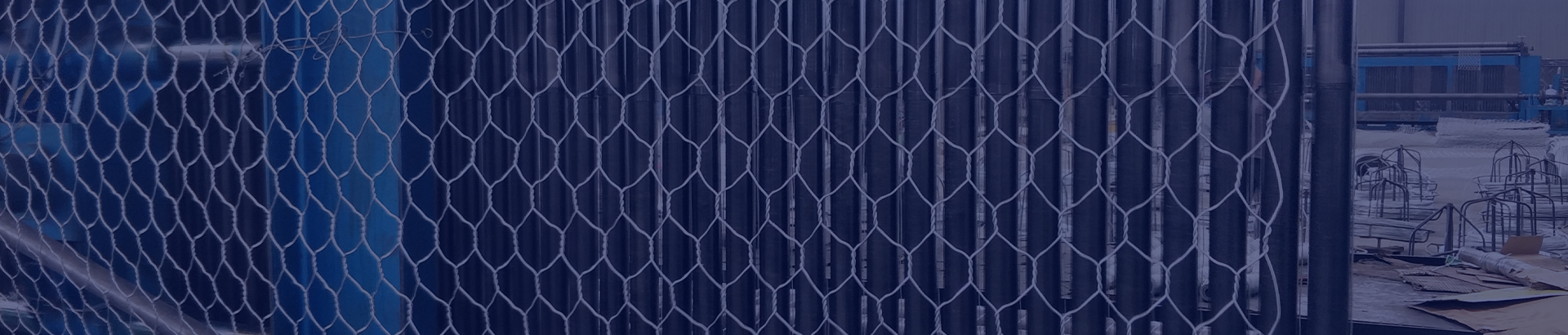
Rockfall Net – High-Tensile, Galvanized Slope Protection
If you manage slopes, highways, or quarry faces for a living, you already know the quiet hero of the job: Rockfall Net. It doesn’t shout; it works. And yes, in the real world that often means a hybrid system: high-tensile drapery plus a well-built gabion toe or catch structure. From Hebei’s manufacturing hub in China—specifically the Northeast Corner of Xiwangzhuang Village, Hengshui—this segment has scaled fast, pushed by tighter safety codes and more extreme weather. Honestly, demand hasn’t peaked yet.
What’s moving the market
Two trends dominate: energy-rated barrier systems for impact zones, and smarter drapery plus gabion toes for broad slope control. Many customers say the hybrid approach is cost-effective over a 10–20 year window, especially where maintenance crews can reach the toe easily. Regulations are catching up too (more on standards below).
Product snapshot: Heavy-Duty Gabion Baskets for Rockfall Net systems
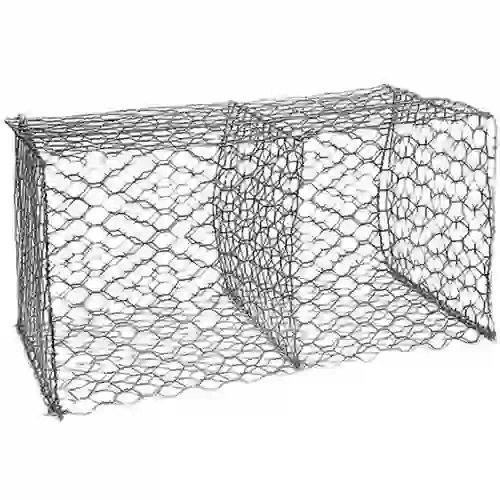
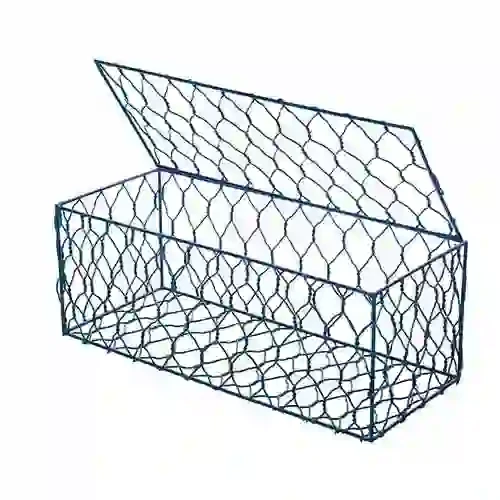
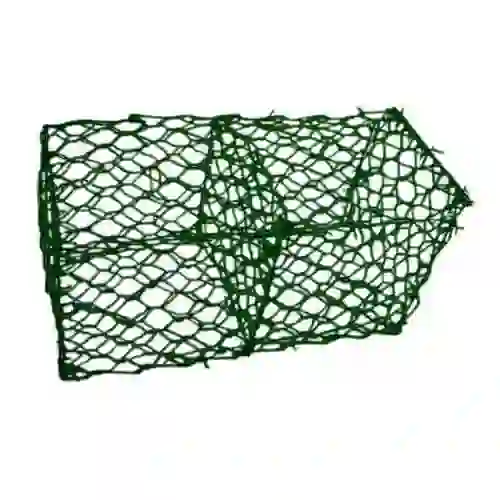
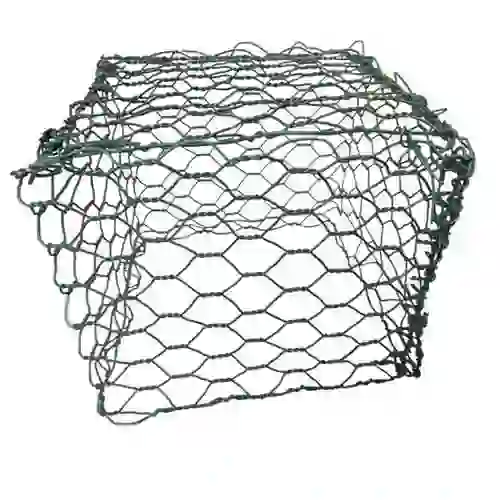
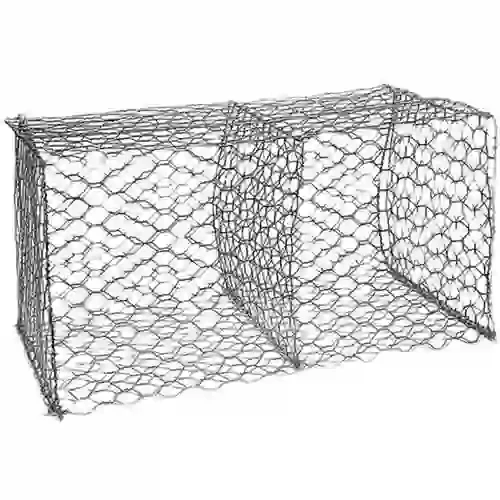
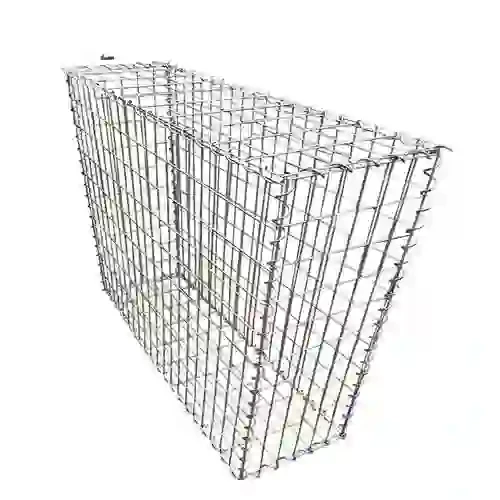
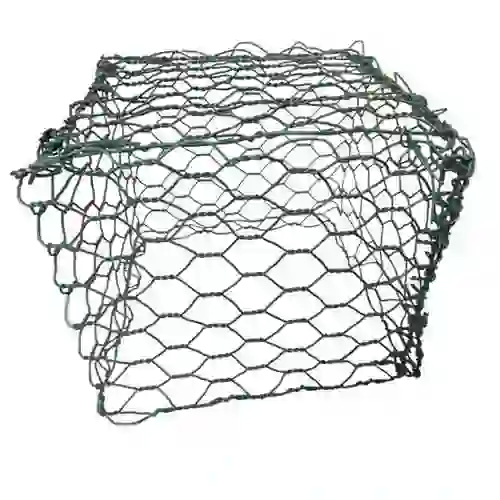
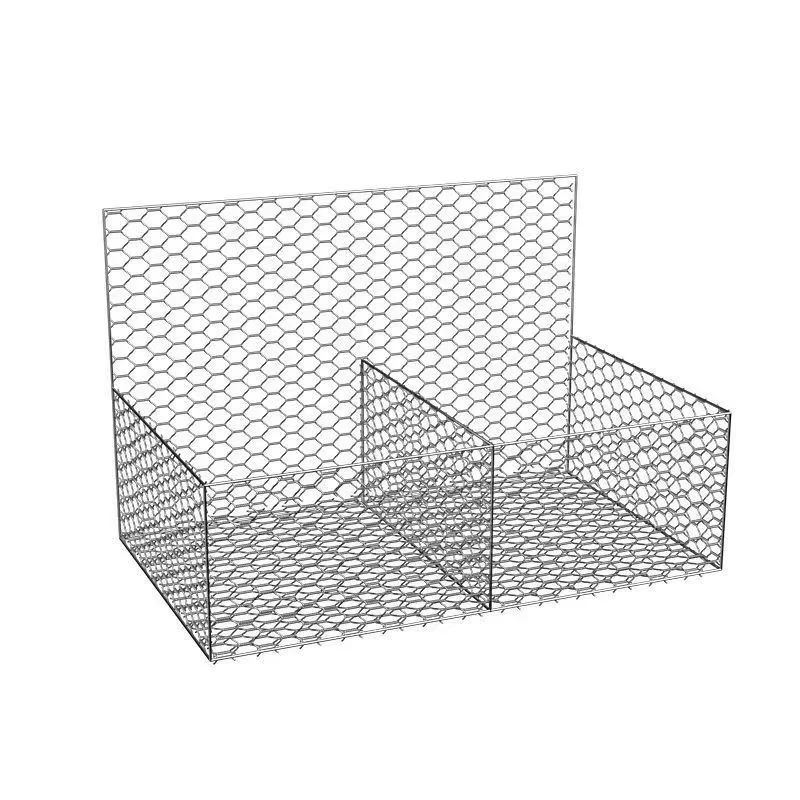
These gabions—think rugged wire cages filled with local stone—anchor drapery, build catch toes, and stabilize erodible feet. WireMeshPro’s “Gabion” line is the workhorse under many Rockfall Net installations.
| Mesh type | Hexagonal double-twist per EN 10223-3 / ASTM A975 |
| Wire Ø (mesh / selvedge) | ≈2.7–3.9 mm / 3.4–4.9 mm (real-world use may vary) |
| Coating | Galfan (Zn-5%Al) or Heavy Zn per EN 10244-2; optional PVC/PA coating |
| Aperture | 80×100 mm typical; custom 60×80 mm for finer debris |
| Unit sizes | 1×1×2 m; 1×1×3 m; custom lengths to 4 m |
| Tensile / Shear | Mesh tensile ≥43 kN/m (typ.); joint shear tested per ASTM A975 |
| Service life | ≈25–50 years depending on environment and coating |
Where it’s used
- Highways and rail cut slopes (drapery + gabion toe to confine talus)
- Quarries and open-pit benches (temporary drapery, permanent toe)
- Coastal bluffs and riverbanks (erosion + rockfall combo risks)
- Mine haul roads, hydropower access tracks, mountain towns
Process flow, testing, and standards
Materials: low-carbon steel wire with Galfan or heavy zinc, optional PVC for marine or de-icing zones. Methods: double-twist weaving, selvedge reinforcement, pre-assembled diaphragms, stone filling (basalt/limestone ≈100–250 mm). Testing: coating mass and adhesion per EN 10244-2; mesh strength and lacing per EN 10223-3 / ASTM A975. For drapery/rockfall components, designers reference FHWA rock slope guidance and energy-class barrier specs under European Assessment Documents (EADs). Service life modeling uses thickness loss data and site corrosivity (C3–C5).
Vendor landscape (quick take)
| Vendor | Strengths | Notes |
|---|---|---|
| WireMeshPro (Hebei, CN) | Cost-effective gabions, fast lead times, custom sizes | Great for toes and retaining in Rockfall Net systems |
| Maccaferri (IT) | Global spec library, accessories, design support | Premium pricing |
| Geobrugg (CH) | High-energy barriers, tested to EAD protocols | Pair with gabion toes for containment |
Customization options
Wire diameter, coating system (Zn vs. Zn-Al + PVC), mesh aperture, unit dimensions, diaphragms, and lacing type. Also useful: pre-fitted geotextile liners for fines control, and pre-assembled lids for quick closures. I guess 10–20% labor savings isn’t unusual on remote sites.
Field notes and performance
On a Yunnan expressway slope, a 1 m high gabion toe caught ≈0.8 m of seasonal ravel without a single lid deforming; crews only skimmed and refilled. In coastal UK, PVC-coated units resisted splash zone corrosion better than bare zinc—no surprise, but good to see. Feedback is largely positive: “easy to stage,” “predictable maintenance,” “stones don’t walk if lids are stitched tight.”
Good-to-know
- Rockfall Net drapery isn’t an impact barrier; for bounce paths, use energy-rated fences and keep the gabion toe as containment.
- Specify salt-spray testing (≥1,000 h) for coastal sites; check weld-free double-twist to avoid unraveling.
- Document inspection cycles (quarterly in wet seasons) and plan top-up stone logistics.
Certifications: ISO 9001 manufacturing; materials per EN 10223-3 / ASTM A975; barriers interfacing with drapery often assessed under EAD protocols; designers commonly cite FHWA manuals for risk-based layout.
References
- EN 10223-3: Steel wire and wire products — Hexagonal steel wire mesh products for civil engineering.
- ASTM A975: Standard Specification for Double-Twisted Hexagonal Mesh Gabions and Revet Mattresses.
- FHWA NHI-11-032: Rock Slopes—Design, Excavation, Stabilization, and Maintenance.
-
Quality Black Wire Clothes Hangers for Home and Retail UseNewsApr.16,2026
-
Premium Rose Gold Wire Hangers for Luxury Closet OrganizationNewsApr.09,2026
-
Elevate Your Closet with Stylish Rose Gold Metal Coat HangersNewsApr.07,2026
-
Optimize Your Business with Durable White Wire Clothes HangersNewsApr.04,2026
-
Comprehensive Guide to Buy Wire Clothes Hangers for Optimal Closet OrganizationNewsMar.31,2026
-
Find the Best Deals and Options to Buy Wire Hangers for All Your NeedsNewsMar.28,2026
-
Find the Best Deals to Buy Wire Coat Hangers for Your NeedsNewsMar.26,2026