-
 Phone:
 -
 Email:
Rockfall Netting Installation by Experts: Fast & Durable
Field Notes from the Slope: Getting Rockfall Netting Right
If you’re staring at a fractured slope and wondering where to begin, start with Rockfall Netting Installation. To be honest, the discipline has matured fast—materials are better, test data is clearer, and contractors (mostly) learned to stop over-tensioning cables. I’ve walked plenty of sites where a thoughtful, well-laced curtain mesh calmed a cliff that locals swore would keep shedding boulders forever.
What the product actually is
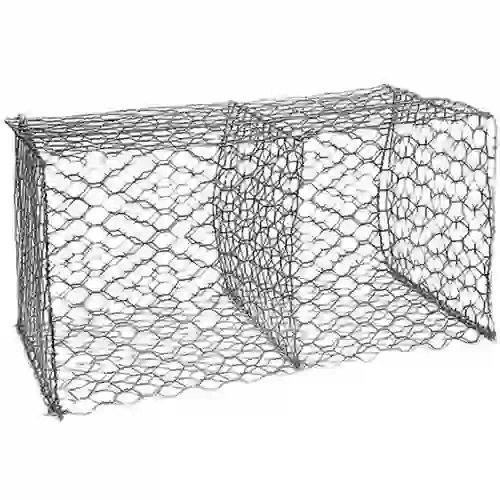
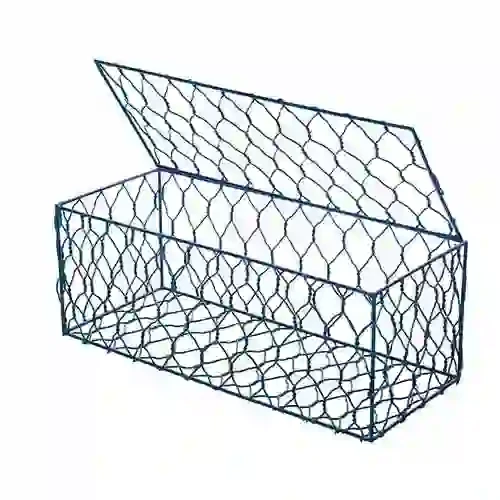
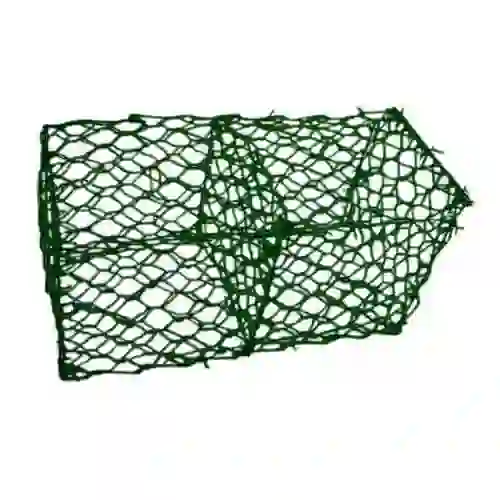
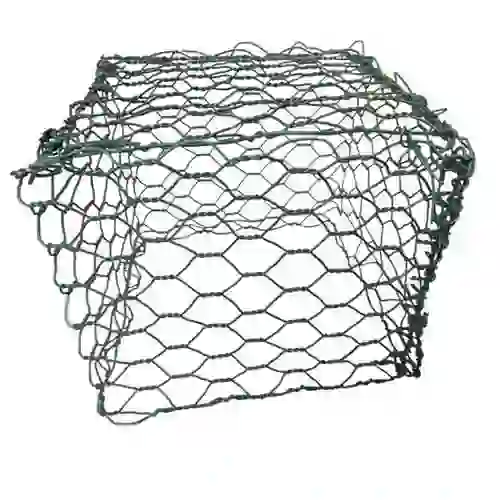
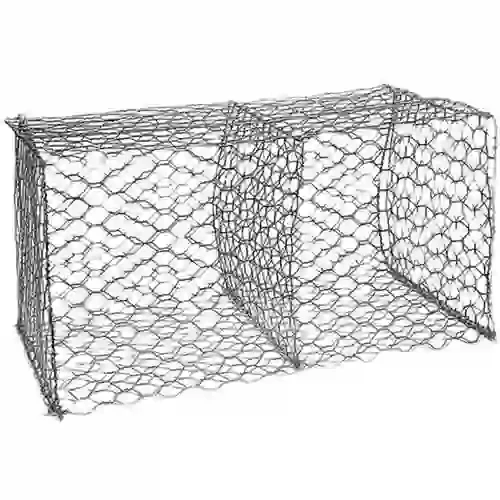
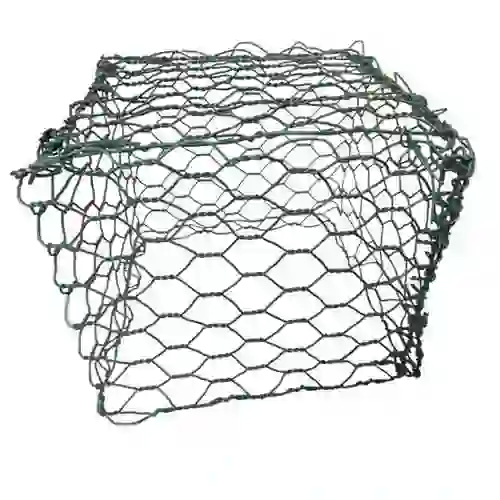
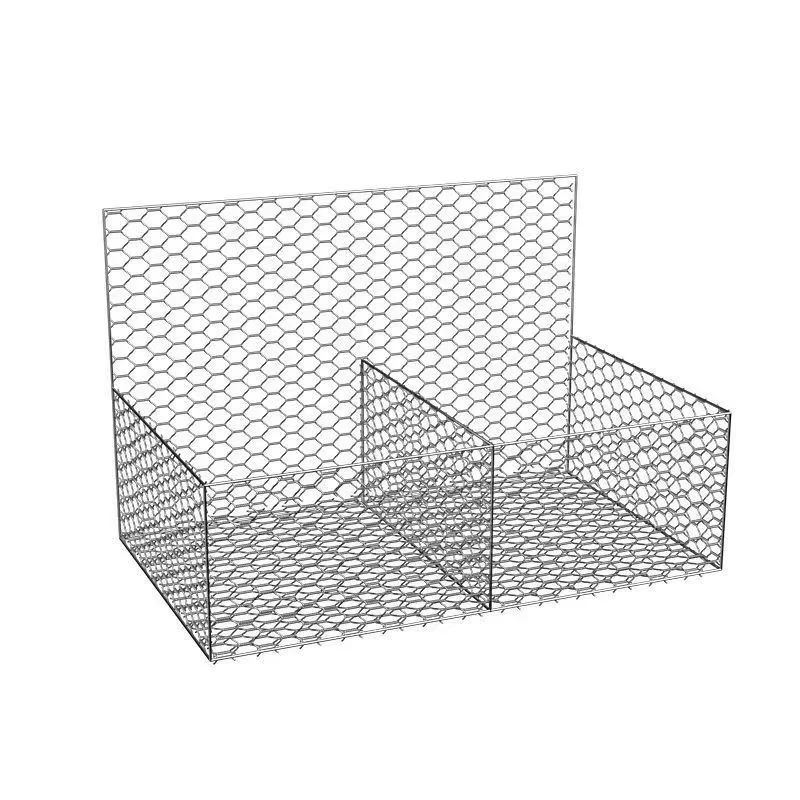
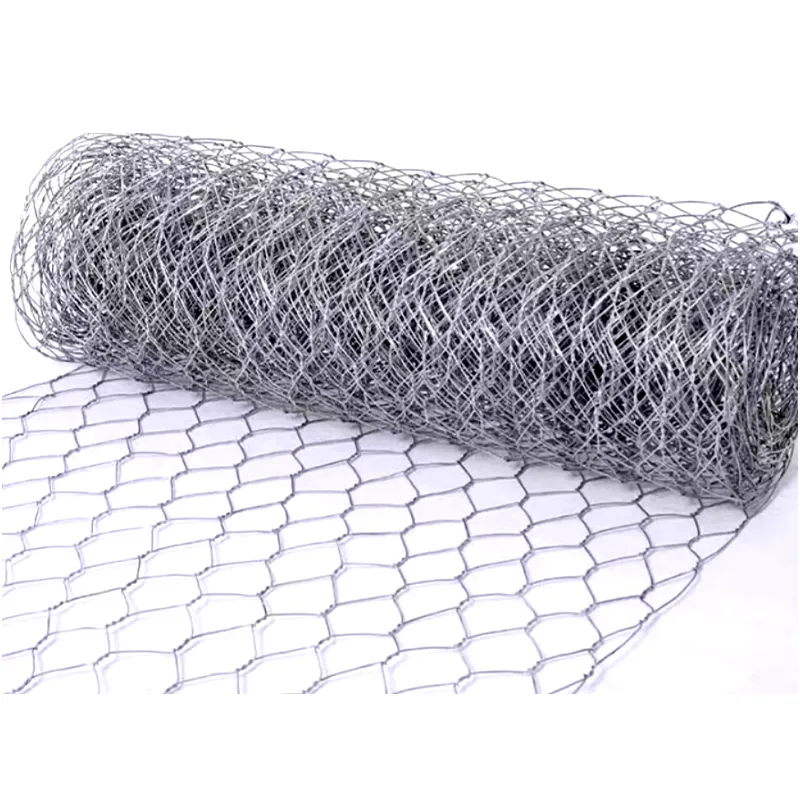
The Rockfall Protective Net is a continuous, double- or triple-twisted hexagonal mesh. The “triple twist” is the quiet hero: even if a strand breaks, the mesh won’t unravel. Rolls are stitched together to make a slope-wide curtain that controls loose rock and, surprisingly, often helps vegetation knit the face back together. Origin: Northeast Corner Of Xiwangzhuang Village, Hengshui, Hebei, China—yes, that Hebei cluster turning out much of the world’s engineered wire products.
Where it gets used
- Highways and rail corridors hugging cut slopes
- Open-pit mines and quarry highwalls
- Hydropower access roads, spillway abutments
- Coastal cliffs and tourist lookouts (visual impact matters here)
Spec snapshot (real-world values, not brochure fluff)
| Parameter | Typical spec | Notes |
|---|---|---|
| Mesh aperture | 60×80 mm or 80×100 mm | Choose based on block size and weathering |
| Wire diameter | 2.7–3.0 mm core; +0.5 mm PVC (optional) | Heavier wire ≈ higher durability; weight adds up on steep faces |
| Coating | Zn or Zn–5%Al (Galfan); PVC/TPE jacket | Zn–Al usually lasts longer in C4–C5 environments |
| Mesh tensile (panel) | ≥ 50 kN/m (≈, method-dependent) | See EN 10223-3 procedures [1] |
| Roll size | Width 2–4 m; length ≈ 50 m | Longer rolls speed lacing but are heavier to rig |
| Service life | 25–60 years | Depends on coating + exposure; salt spray per ISO 9227 [4] |
How we install (the short version)
- Site survey and scaling: pry bars, airbags, sometimes a small hoe ram. Clear loose rock.
- Crest anchors and toe detail: drill–grout bars; test 10% for pull-out (e.g., ≥ 30–50 kN typical).
- Hang the curtain: roll out from top, temporary clips, then continuous lacing between rolls.
- Perimeter cables: 8–16 mm wire ropes, terminations with thimbles and compression sleeves.
- Tensioning: torque–tension checks; avoid “violin-string” overstress that tears at edges.
- Inspection: visual, anchor proof tests, as-built survey. I guess paperwork still matters.
Standards vary by region; the mesh manufacturing ties to EN 10223-3/ASTM A975, while impact-rated barriers (different system) follow ETAG 027/EAD protocols. We reference both where relevant.
Why contractors pick it
- Fails safe: triple twist resists unraveling if one wire snaps.
- Low visual profile; supports revegetation over time.
- Fast to deploy on rope access—many customers say the learning curve is short.
Vendor landscape (my take)
| Vendor | Mesh/Coating | Lead time | Certs | Notes |
|---|---|---|---|---|
| WireMeshPro (Hengshui, CN) | Triple-twist; Zn or Zn–5%Al; optional PVC | ≈ 2–4 weeks | ISO 9001; EN 10223-3 conformity | Strong price–performance; custom roll lengths |
| AlpineShield (EU) | Double/Triple; Zn–Al; colored PVC | ≈ 3–6 weeks | CE where applicable | Great documentation; premium pricing |
| CanyonGuard (NA) | Double-twist; hot-dip Zn | Stock on common sizes | ASTM-focused | Solid for DOT specs; fewer custom options |
Customization that matters
Dial in aperture, wire gauge, and coating based on block size, climate class (C3–C5), and visual requirements. For coastal sites, I lean Zn–Al + PVC; mines often go heavier wire, bare coat for cost. And yes, color-matched jackets help the mesh disappear.
Real projects (short and sweet)
- Rail cut, granitic schist: 3.5 mm triple-twist, 80×100 mm, 4 km. Zero closures in 18 months; inspectors happy.
- Coastal road: Zn–Al + green PVC; residents said it “blends in,” which, frankly, is rare feedback.
If you’re planning Rockfall Netting Installation on weathered shale, consider tighter apertures to catch small ravel. For blocky basalt, perimeter cable robustness and crest anchorage govern performance more than mesh weight—something specs often gloss over.
Testing and QA
Ask for mill certs (wire tensile 350–550 MPa typical), coating mass per EN 10244-2 or ASTM A641/A856, salt spray data (ISO 9227), and mesh tensile tests per EN 10223-3. On-site, record anchor pull-out, cable torque, and lacing continuity. It seems fussy; it’s cheaper than a lane closure.
References:
- EN 10223-3: Steel wire and wire products — Hexagonal steel wire netting for engineering purposes.
- ASTM A975: Standard Specification for Double-Twisted Hexagonal Mesh Gabions and Revet Mattresses.
- ETAG 027 / EAD 340059-00-0106: Falling Rock Protection Kits (impact performance of barrier systems).
- ISO 9227: Corrosion tests in artificial atmospheres — Salt spray tests.
-
Quality Black Wire Clothes Hangers for Home and Retail UseNewsApr.16,2026
-
Premium Rose Gold Wire Hangers for Luxury Closet OrganizationNewsApr.09,2026
-
Elevate Your Closet with Stylish Rose Gold Metal Coat HangersNewsApr.07,2026
-
Optimize Your Business with Durable White Wire Clothes HangersNewsApr.04,2026
-
Comprehensive Guide to Buy Wire Clothes Hangers for Optimal Closet OrganizationNewsMar.31,2026
-
Find the Best Deals and Options to Buy Wire Hangers for All Your NeedsNewsMar.28,2026
-
Find the Best Deals to Buy Wire Coat Hangers for Your NeedsNewsMar.26,2026