-
 Phone:
 -
 Email:
Rockfall Netting Installation | Durable Slope Protection Solutions
In the realm of infrastructure protection and geotechnical engineering, ensuring the stability of slopes and mitigating the risks associated with falling debris is paramount. Solutions often integrate high-quality wire mesh systems, with the critical first step being a meticulously planned rockfall netting installation, frequently complemented by structures like gabion wire cages for comprehensive slope stabilization. This detailed guide explores the technical intricacies, strategic advantages, and practical considerations for implementing advanced rockfall mitigation systems. Our focus is on providing B2B decision-makers and engineers with the robust information needed to make informed choices for critical projects, emphasizing product excellence and operational efficiency.
Process Flow: From Site Assessment to Advanced Rockfall Mitigation
The successful deployment of slope stabilization measures, including rockfall netting installation, requires a stringent, multi-stage process. This holistic approach ensures maximum efficacy and longevity, addressing both immediate hazards and long-term geological stability.
Phase 1: Geotechnical Assessment and Planning
- Site Reconnaissance: Detailed geological surveys, drone mapping, and rock mass classification (e.g., Q-system, RMR) to identify unstable zones, rock types, discontinuity patterns, and potential failure mechanisms.
- Kinematic Analysis: Using software to model potential rockfall trajectories, velocity, and energy, which informs the design of the protection system, including the optimal placement and specifications of the rockfall netting installation and potentially gabion wire baskets.
- Engineering Design: Selection of appropriate mesh type (e.g., high-tensile steel wire mesh for rock walls), anchor systems (rock bolts, soil nails), cable configurations, and drainage solutions. Designs adhere to international standards such as ISO, ASTM, and EN.
Phase 2: Material Specification and Procurement
Materials are chosen for their durability, corrosion resistance, and high tensile strength. Key components include:
- Wire Mesh: Typically high-tensile galvanized steel wire mesh, often with a zinc-aluminum (Zn-Al) alloy coating (e.g., Galfan/Galfan+), or PVC-coated for aggressive environments. Specifications meet EN 10223-3 and ASTM A975.
- Anchoring Systems: High-strength steel rock bolts or soil nails, grout, and bearing plates designed to transfer loads from the mesh into the stable rock or soil mass.
- Cables and Connectors: Pre-stressed steel wire ropes, cable clips, and clamps for securing the mesh and distributing loads.
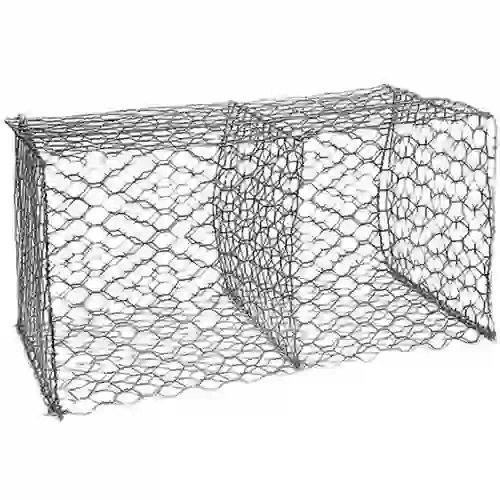
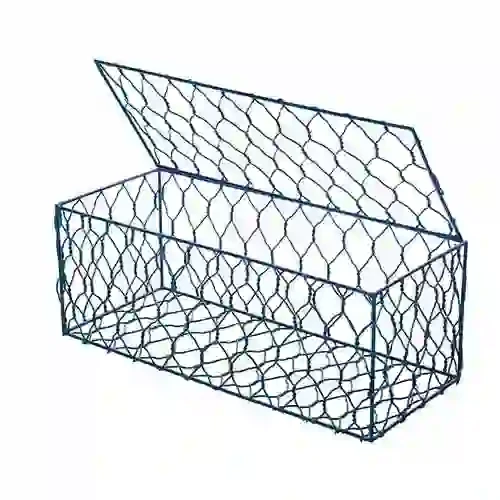
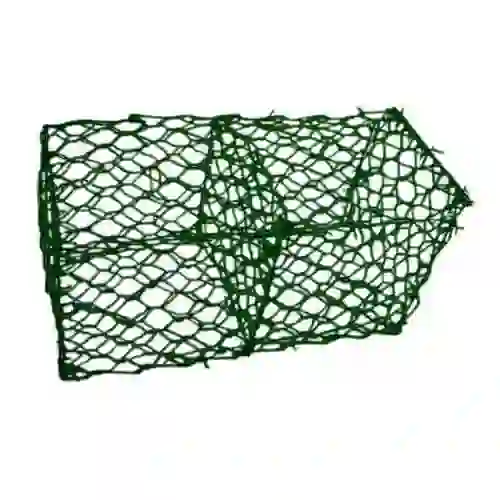
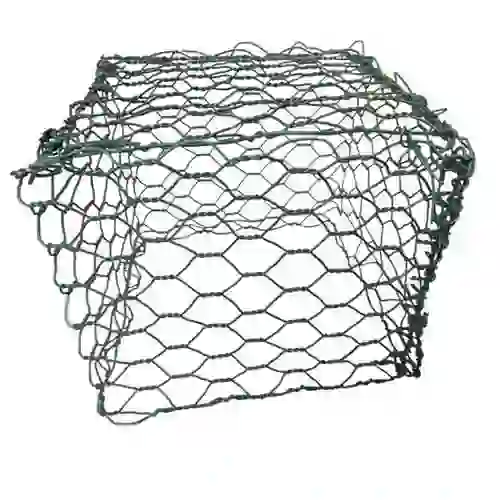
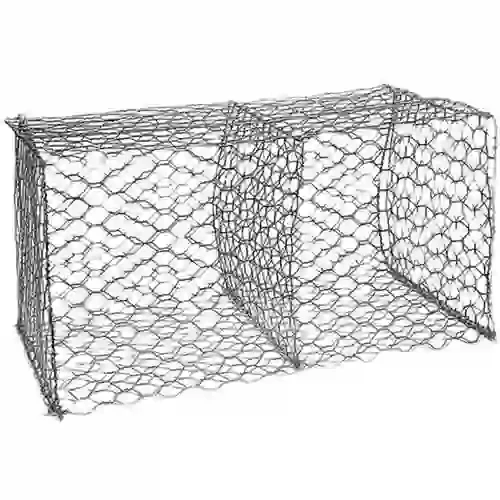
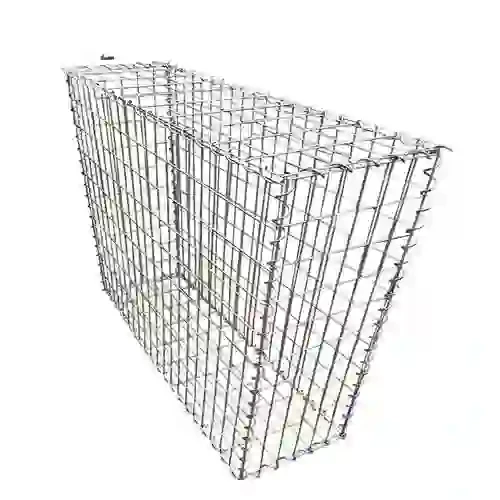
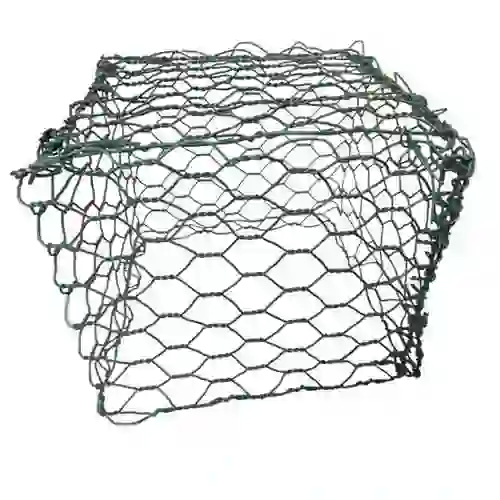
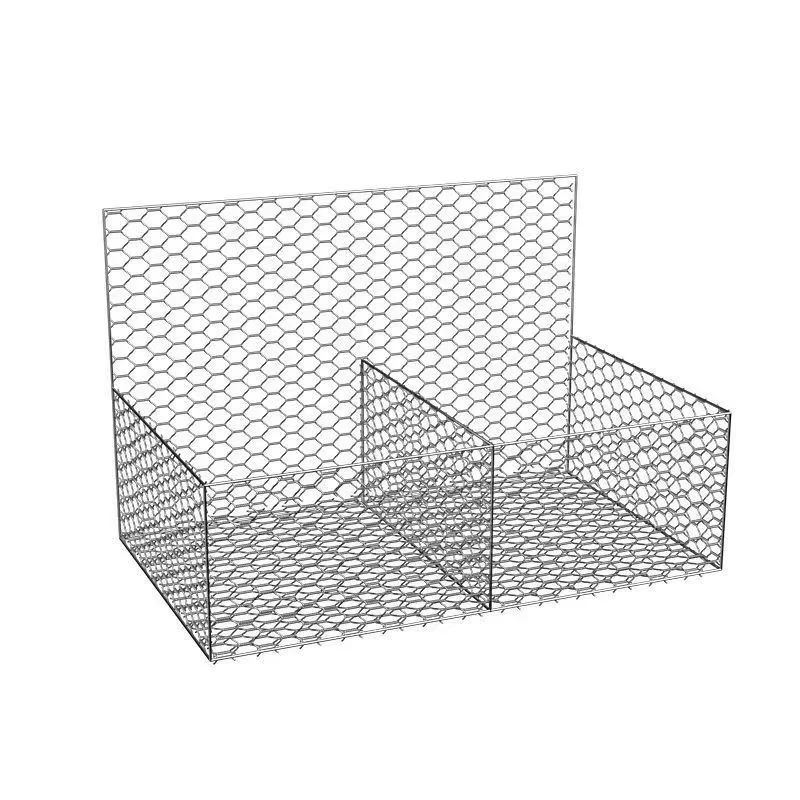
- Gabion Wire Cages: Used for toe walls, retaining structures, or energy-absorbing barriers, manufactured from the same high-quality galvanized or PVC-coated mesh.
Phase 3: Installation and Quality Control
- Site Preparation: Scaling of loose debris, vegetation removal, and creation of access routes.
- Drilling and Anchoring: Precise drilling of boreholes for rock bolts and soil nails, followed by grout injection for secure installation. Pull-out tests are conducted to verify anchor capacities according to design specifications.
- Mesh Deployment: Rolling out and positioning the rockfall netting over the slope surface. This often requires specialized equipment and trained personnel for safe and efficient operation.
- Connection and Tensioning: Securing the mesh to the anchor system using cables, clips, and specialized tensioning tools to achieve the desired contact pressure against the slope, enhancing stability.
Phase 4: Post-Installation and Maintenance
The typical service life for a well-engineered rockfall netting installation can range from 50 to over 100 years, depending on environmental conditions and material quality.
- Monitoring: Regular inspections to check for damage, corrosion, or displacement. Smart monitoring systems can provide real-time data on mesh tension and rock movement.
- Maintenance: Timely repairs of damaged sections, re-tensioning, and debris removal to maintain system integrity.
These systems offer significant advantages in energy saving (by preventing costly slope failures) and corrosion resistance, especially with advanced coatings. Target industries include petrochemical, metallurgy, mining, transportation (road, rail), and water supply & drainage.
Industry Trends in Rockfall Mitigation
The field of rockfall mitigation is continually evolving, driven by demands for increased safety, sustainability, and cost-efficiency. Key trends impacting rockfall netting installation include:
- High-Performance Materials: Greater adoption of advanced high-tensile steel alloys and coatings (e.g., Zn-Al-Mg) that offer superior corrosion resistance and strength-to-weight ratios, extending service life in aggressive environments.
- Smart Monitoring Systems: Integration of IoT sensors into rockfall netting and other stabilization structures. These sensors monitor mesh tension, ground movement, and environmental factors, providing real-time data for proactive maintenance and early warning systems.
- Hybrid Solutions: Increased use of combined systems, such as draped mesh complemented by active anchor systems, or the strategic placement of gabion wire baskets and mesh rock retaining walls at the toe of slopes to capture falling debris.
- Sustainability and Environmental Integration: Development of systems that minimize visual impact, allow natural vegetation regrowth, and use recycled or environmentally friendly materials where possible.
- Digital Engineering: Leveraging BIM (Building Information Modeling) and advanced geotechnical modeling for precise design, simulation, and project management of complex installations.
Technical Specifications of Rockfall Netting Systems
The effectiveness of rockfall netting relies heavily on its material properties and structural parameters. Below are typical specifications for high-performance rockfall netting and related wire mesh for rock walls, designed for critical applications.
| Parameter | Specification Range | Relevant Standards |
|---|---|---|
| Wire Diameter (mm) | 2.2 - 4.0 | EN 10218, ASTM A641 |
| Mesh Opening (mm) | 50x50, 60x80, 80x100, 100x120 | EN 10223-3 |
| Tensile Strength (kN/m) | 60 - 200 (for mesh panels) | EN 10223-3, ISO 9001 |
| Coating Type | Heavy Galvanized (Zn), Zinc-Aluminum (Zn-5Al or Zn-10Al/Galfan), PVC over Galvanized | EN 10244-2, ASTM A975 |
| Corrosion Resistance | Up to 5x higher than standard galvanization (for Zn-Al) | ISO 9227 (Salt Spray Test) |
| Service Life (years) | 50 - 100+ (depending on coating and environment) | Industry Best Practice |
The selection of precise specifications for rockfall netting depends on the geotechnical characteristics of the slope, the anticipated rockfall energy, and the environmental aggressivity. Certifications such as ISO 9001 for manufacturing quality are critical indicators of product reliability.
Application Scenarios
Rockfall mitigation systems are indispensable across a wide array of critical infrastructure and residential developments where slope instability poses a threat. The versatility of rockfall netting installation allows for tailored solutions in diverse environments.
- Transportation Corridors: Protecting highways, railways, and tunnels from rockfall debris. This is one of the most common applications, safeguarding travelers and ensuring continuous transit.
- Mining Operations: Stabilizing pit walls, access roads, and ore stockpiles to enhance worker safety and operational continuity. High-strength wire mesh for rock walls is frequently employed here.
- Residential and Commercial Developments: Securing properties, schools, and urban areas situated near unstable slopes, creating safe zones for inhabitants and infrastructure.
- Hydropower and Dam Projects: Protecting critical infrastructure components such as penstocks, powerhouses, and access roads from rockfall events.
- Coastal and Riverine Protection: Stabilizing cliffs and embankments susceptible to erosion and rockfall, particularly where mesh rock retaining wall systems can be integrated with natural elements.
Technical Advantages of Modern Rockfall Netting Systems
Compared to traditional rigid structures like concrete walls, modern rockfall netting and wire mesh systems offer superior performance and a range of technical advantages:
- High Energy Absorption: Flexible mesh systems can deform under impact, absorbing significant kinetic energy from falling rocks, thereby preventing catastrophic failure and dispersing load more effectively than rigid barriers.
- Adaptability to Complex Topographies: The inherent flexibility of rockfall netting allows it to conform to irregular slope surfaces, providing continuous protection where rigid structures would be impractical or require extensive groundwork.
- Durability and Longevity: Advanced coatings (Zn-Al, PVC) ensure exceptional corrosion resistance, crucial for exposed outdoor environments, leading to a long service life with minimal maintenance.
- Environmental Integration: The open mesh structure allows for natural vegetation growth, promoting ecological restoration and reducing visual impact, which is often a key consideration in sensitive landscapes.
- Cost-Effectiveness and Rapid Installation: Compared to heavy civil engineering works, rockfall netting solutions typically involve lower material costs, faster deployment, and reduced labor, leading to significant project savings.
Vendor Comparison for Rockfall Mitigation Solutions
Choosing the right vendor for rockfall netting installation is as crucial as the technical design itself. A comprehensive evaluation ensures optimal outcomes, blending product quality with service reliability.
| Criterion | Standard Vendor | Leading Specialist (e.g., WireMeshPro) |
|---|---|---|
| Product Certifications | Basic ISO 9001 | ISO 9001, ASTM, EN, independent third-party testing for specific products like gabion wire cages and rockfall mesh. |
| Material Quality & Coatings | Standard Galvanized, limited PVC options | Premium Zn-Al (Galfan/Galfan+), heavy PVC, specialized alloys for extreme environments. |
| Customization Capabilities | Limited standard sizes and mesh types | Extensive tailoring for mesh dimensions, wire gauge, coating, and ancillary components. |
| Technical Support & Expertise | Basic product information | Geotechnical engineering support, design consultation, installation guidance, post-sales technical assistance. |
| Project Experience | Local/regional projects | Global portfolio of complex slope stabilization, retaining walls, and rockfall barrier projects. |
Customized Solutions for Unique Challenges
Every geotechnical project presents unique challenges, from varying rock types and hydrological conditions to environmental sensitivities and aesthetic requirements. A proficient supplier offers customized rockfall netting installation solutions rather than off-the-shelf products.
- Tailored Mesh Configurations: Varying mesh aperture sizes (e.g., 50x50mm for fine debris vs. 80x100mm for larger rocks) and wire diameters to match specific rockfall energy and fragment size requirements.
- Specialized Coatings: Beyond standard Zn-Al, solutions include heavy-duty PVC coatings for highly acidic or alkaline environments, or for marine applications requiring enhanced salt resistance.
- Integrated Systems: Development of hybrid solutions combining draped rockfall netting with active anchoring, or combining passive barriers like gabion wire baskets with dynamic fence systems for multi-tier protection.
- Aesthetic Considerations: Options for colored PVC coatings or specific vegetation growth allowances to blend the installation seamlessly into the natural landscape, crucial for projects in protected areas.
Application Case Studies
Case Study 1: Highway Slope Stabilization in the Alps
A critical section of a major highway traversing the steep, geologically active Alpine region was frequently disrupted by rockfalls, especially during freeze-thaw cycles. The client, a regional transportation authority, sought a durable, low-maintenance solution. Our engineers conducted a detailed geotechnical survey, identifying areas prone to translational and rotational failures.
- Solution: We implemented a comprehensive rockfall netting installation utilizing high-tensile, 3.0mm Zn-Al coated steel wire mesh (80x100mm aperture) across a 1.5 km stretch. The mesh was secured with 4-meter-long grouted rock bolts, spaced at 3x3 meter intervals, and reinforced with a pattern of diagonal and horizontal steel cables. At the base of the steepest sections, a tiered system of gabion wire baskets filled with local stone was constructed, acting as energy-dissipating catch fences and providing a stable foundation.
- Outcome: The system has successfully prevented rockfalls onto the highway for over 10 years, drastically improving safety and reducing maintenance costs associated with debris clearing. The Zn-Al coating ensured exceptional corrosion resistance in the harsh alpine climate.
Case Study 2: Mine Pit Wall Stabilization in Arid Environment
An open-pit mining operation faced persistent stability issues on its upper benches due to weathering and seismic activity. Small-scale failures posed a risk to personnel and heavy machinery. The challenging environment included high temperatures and abrasive dust.
- Solution: We designed a draped rockfall netting solution using heavy-gauge (4.0mm) galvanized wire mesh for rock walls, specifically chosen for its durability against abrasion and resistance to the arid conditions. The netting was installed in large panels, anchored at the crest of the slope with specialized steel cables and terminated at the toe, allowing accumulated debris to be safely removed periodically.
- Outcome: The system significantly enhanced safety by preventing small-to-medium sized rockfalls from entering active work zones. The project demonstrated the adaptability of rockfall netting installation in harsh industrial environments, ensuring continuous production without compromising safety.
Frequently Asked Questions (FAQ)
Q1: What is the typical lifespan of a rockfall netting installation?
A1: A properly designed and installed rockfall netting system, using high-quality materials and appropriate coatings (e.g., Zn-Al alloy), can have a service life of 50 to over 100 years. Regular inspections and maintenance contribute significantly to this longevity.
Q2: How does rockfall netting compare to traditional concrete barriers?
A2: Rockfall netting offers superior energy absorption capacity due to its flexibility, adapting to impact loads more effectively. It is also more adaptable to irregular terrain, environmentally friendlier, and often more cost-effective and faster to install than rigid concrete structures.
Q3: Can these systems withstand extreme weather conditions?
A3: Yes, modern rockfall netting is designed with advanced coatings (Zn-Al, PVC) to resist corrosion from harsh elements, including heavy rain, snow, ice, and fluctuating temperatures. Proper anchoring is crucial to withstand wind loads and seismic activity.
Q4: What maintenance is required for rockfall netting?
A4: While low-maintenance, periodic inspections (annually or bi-annually, depending on risk) are recommended to check for debris accumulation, damage to the mesh or anchors, and signs of corrosion. Any identified issues should be addressed promptly by qualified personnel.
Lead Time, Warranty & After-Sales Support
As a leading provider, we understand that project timelines and long-term reliability are critical for our B2B clients.
- Lead Time & Fulfillment: Standard rockfall netting materials and gabion wire baskets typically have a lead time of 2-4 weeks, depending on order volume and customization. Large or highly customized orders may require 6-8 weeks. We maintain robust supply chains to minimize delays and offer expedited shipping options for urgent projects.
- Warranty Commitments: Our rockfall netting and wire mesh products come with an industry-leading material warranty of 10-25 years against manufacturing defects and premature corrosion, depending on the coating type (e.g., Zn-Al coatings typically carry longer warranties). Full warranty details are provided with each quotation.
- Customer Support: Our dedicated team of geotechnical engineers and technical specialists provides comprehensive support from initial consultation and design assistance to installation guidance and post-project maintenance advice. We offer training for installation crews and readily available spare parts to ensure the continued integrity of your rockfall mitigation systems.
References
- Hoek, E. (2000). Practical Rock Engineering. E. Hoek, Vancouver, Canada.
- Wyatt, S. (2018). Rockfall Protection Systems: A Review of Current Practice. International Journal of Rock Mechanics and Mining Sciences, 107, 240-252.
- European Standard EN 10223-3: Steel wire and wire products for fencing and netting - Hexagonal steel wire mesh for civil engineering purposes (Gabions and Reno Mattresses).
- ASTM A975/A975M-11: Standard Specification for Double-Twisted Hexagonal Mesh Gabions and Revet Mattresses (Metallic-Coated Steel Wire or Metallic-Coated Steel Wire With Poly(Vinyl Chloride) (PVC) Coating).
- National Cooperative Highway Research Program (NCHRP) Report 621 (2008). Rockfall Characterization and Control. Transportation Research Board, Washington, D.C.
-
Quality Black Wire Clothes Hangers for Home and Retail UseNewsApr.16,2026
-
Premium Rose Gold Wire Hangers for Luxury Closet OrganizationNewsApr.09,2026
-
Elevate Your Closet with Stylish Rose Gold Metal Coat HangersNewsApr.07,2026
-
Optimize Your Business with Durable White Wire Clothes HangersNewsApr.04,2026
-
Comprehensive Guide to Buy Wire Clothes Hangers for Optimal Closet OrganizationNewsMar.31,2026
-
Find the Best Deals and Options to Buy Wire Hangers for All Your NeedsNewsMar.28,2026
-
Find the Best Deals to Buy Wire Coat Hangers for Your NeedsNewsMar.26,2026