-
 Phone:
 -
 Email:
Strong Wire Mesh Baskets for Retaining Walls | Gabion Solutions
Introduction to Gabion Systems for Retaining Structures
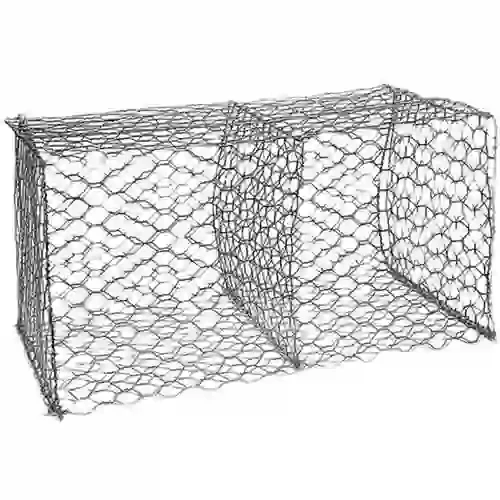
In the demanding realm of civil engineering and infrastructure development, robust and adaptable solutions for earth retention are paramount. One such highly effective and environmentally conscious solution is the deployment of wire mesh baskets retaining walls, commonly known as gabion fences. These modular structures, fabricated from high-tensile wire mesh and filled with natural stone or aggregate, offer exceptional stability, permeability, and aesthetic appeal for a diverse range of applications. Their inherent flexibility allows them to conform to ground movement without structural failure, making them ideal for unstable terrains and areas prone to erosion. This document delves into the technical aspects, manufacturing precision, application versatility, and strategic advantages of modern gabion systems, providing B2B decision-makers with comprehensive insights into their value proposition.
Gabion structures represent a significant advancement over traditional rigid retaining systems by integrating seamlessly with the natural environment. Their construction fosters ecological integration, allowing vegetation to establish and enhance biodiversity over time. From stabilizing critical transportation corridors to preventing coastal erosion, the application of gabions addresses complex geotechnical challenges with proven efficacy and long-term sustainability.
Current Industry Trends in Geotechnical Engineering
The geotechnical engineering sector is increasingly prioritizing sustainable, resilient, and cost-effective solutions. Key trends include:
- Environmental Sustainability: A strong push towards materials and construction methods that minimize environmental impact. Gabions, utilizing locally sourced fill materials, significantly reduce carbon footprints associated with transport and manufactured components.
- Climate Resilience: Growing demand for infrastructure capable of withstanding extreme weather events, including increased rainfall and storm surges. The permeable nature of gabions is crucial in managing water flow and preventing hydrostatic pressure buildup, enhancing resilience.
- Modular and Rapid Deployment: Projects require faster, more efficient construction timelines. Gabion systems, with their pre-fabricated mesh baskets, offer rapid assembly and installation compared to cast-in-place concrete structures.
- Cost Optimization: Balancing initial capital expenditure with long-term maintenance costs. While initial wire mesh baskets retaining walls cost might be competitive, their extended service life and minimal maintenance requirements present superior lifecycle value. For projects requiring extensive stabilization, understanding the rock netting cost and overall installation efficiency is critical.
- Enhanced Aesthetics: An increasing desire for infrastructure to blend harmoniously with natural landscapes. The natural stone infill of gabions offers an organic appearance that improves over time as vegetation establishes.
Suppliers like us, specializing in robust rockfall netting suppliers, are adapting to these trends by innovating in material science and design, offering products that are not only structurally sound but also environmentally beneficial.
Technical Specifications and Product Parameters
The performance of wire mesh baskets retaining walls is directly attributed to the quality of materials and precise manufacturing processes. Key specifications include:
- Wire Material: High-quality low-carbon steel wire.
- Corrosion Protection:
- Hot-Dip Galvanized: Minimum zinc coating of 240-290 g/m² (ASTM A641, EN 10244-2 Class A). Offers excellent resistance in standard environments.
- Galfan (Zinc-Aluminum Alloy): Coating of 240-300 g/m² (Zn-5%Al-MM). Provides superior corrosion resistance, particularly in acidic or coastal environments, often exceeding galvanized coatings by 2-3 times.
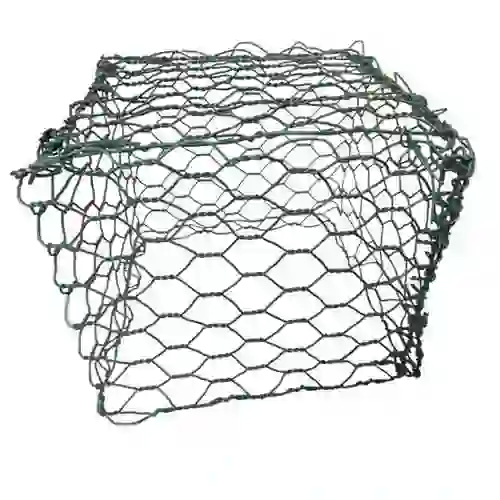
- PVC Coated: An additional layer of PVC (min. 0.5mm thickness) over galvanized or Galfan wire, ideal for highly corrosive environments (e.g., marine, polluted areas) or aesthetic requirements.
- Mesh Type:
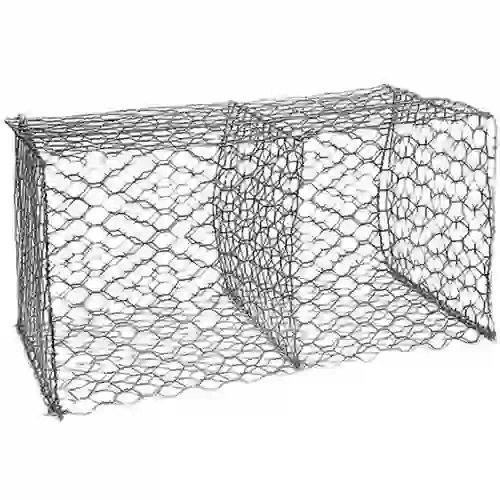
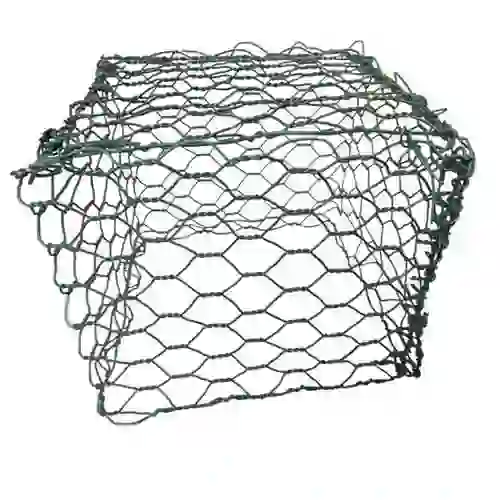
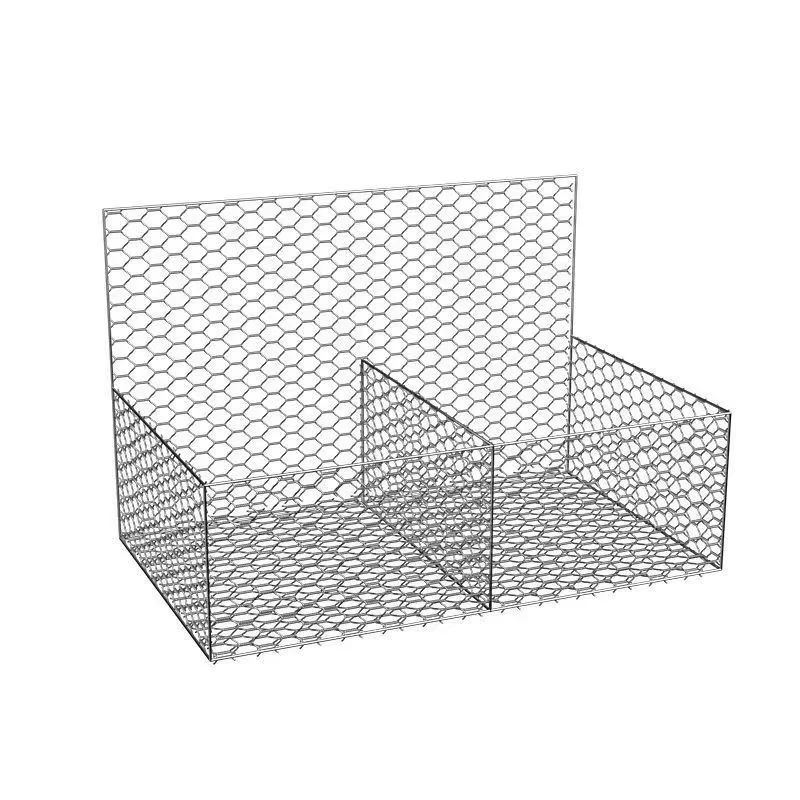
- Double-Twisted Hexagonal Mesh: Known for its flexibility and resistance to unraveling, even if a wire breaks. Standard mesh sizes include 60x80mm, 80x100mm, 100x120mm.
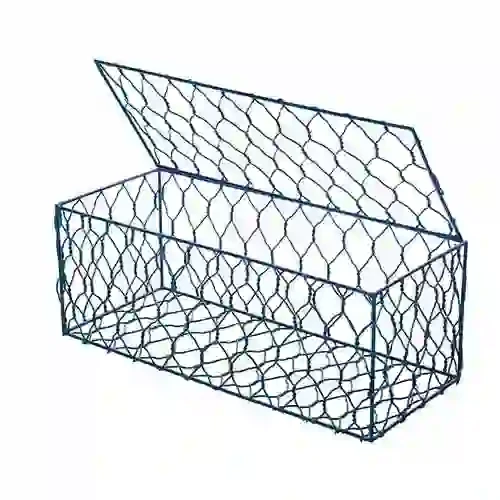
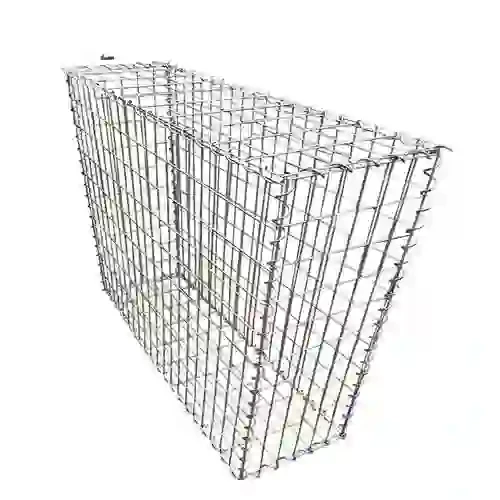
- Welded Mesh: Offers a more rigid structure and a smoother aesthetic. Typically square or rectangular apertures (e.g., 50x50mm, 75x75mm, 50x100mm).
- Wire Diameter: Typically ranges from 2.0mm to 4.0mm, with thicker wires used for selvage (edge) wires to enhance structural integrity.
- Service Life: Dependent on coating type and environmental conditions; galvanized 25+ years, Galfan 50+ years, PVC coated 75+ years.
Typical Gabion Fence Product Specifications
| Parameter | Description / Value |
|---|---|
| Mesh Type | Double-Twisted Hexagonal (Type 80x100mm) |
| Mesh Aperture | 80mm x 100mm (±2%) |
| Wire Diameter (Mesh) | 2.7mm (SWG 12) |
| Wire Diameter (Selvage) | 3.4mm (SWG 10) |
| Wire Diameter (Lacing) | 2.2mm (SWG 14) |
| Coating Type | Galfan (Zinc-5%Aluminum-Mischmetal Alloy) |
| Coating Weight | Min. 260 g/m² (per EN 10244-2 Class A) |
| Tensile Strength | 380-550 N/mm² |
| Standard Dimensions (LxWxH) | 2x1x1m, 3x1x1m, 4x1x1m, 2x1x0.5m, etc. (Customizable) |
Manufacturing Process Flow of Wire Mesh Baskets
The production of high-quality wire mesh baskets retaining walls involves a precise, multi-stage manufacturing process, ensuring durability and consistent performance. Our processes adhere to stringent international standards like ISO 9001 for quality management and relevant ASTM/EN specifications for materials.
-
1. Raw Material Procurement and Inspection
High-carbon steel wire rods are sourced from certified suppliers. Initial inspection ensures chemical composition and mechanical properties meet our exacting standards for tensile strength and ductility. Target industries like petrochemical and water supply & drainage rely on these foundational material properties for long-term structural integrity.
-
2. Wire Drawing
The steel rods undergo a cold drawing process to achieve the precise wire diameters required for gabion mesh (e.g., 2.0mm to 4.0mm). This process enhances the wire's tensile strength and surface finish, crucial for the subsequent coating adhesion.
-
3. Corrosion Protection Coating (Galvanizing/Galfan/PVC)
The drawn wire is thoroughly cleaned and then hot-dip galvanized or coated with Galfan (Zinc-5%Aluminum-Mischmetal alloy) in a continuous process. This sacrificial coating provides primary corrosion resistance. For enhanced durability, especially in marine or acidic environments (e.g., certain metallurgy or water treatment sites), an additional PVC coating is applied. This multi-layer protection ensures a superior service life and corrosion resistance, reducing the lifecycle maintenance costs significantly – a clear advantage in energy saving and operational efficiency for end-users.
-
4. Mesh Weaving or Welding
For double-twisted gabions, specialized weaving machines (not CNC machining in the traditional sense, but automated precision machinery) create the characteristic hexagonal mesh. This involves twisting adjacent wires together multiple times to form a robust, non-raveling mesh. For welded gabions, individual wires are precision-welded at each intersection to form a rigid panel. Both processes are monitored for consistent mesh size and weld integrity.
-
5. Cutting, Edging, and Diaphragm Integration
The woven or welded mesh is precisely cut into panels (front, back, sides, top, base). Selvage wires, typically of a larger diameter, are tightly wrapped or woven around the perimeter of each panel to provide additional strength and facilitate assembly. Internal diaphragms (partitions) are integrated into larger gabions to prevent fill material migration and maintain the basket's shape. All elements are designed for ease of field assembly.
-
6. Quality Control and Testing
Each batch of gabions undergoes rigorous quality control. This includes tensile strength tests on wires, adhesion tests for coatings (e.g., zinc/Galfan coating weight per ISO 7989, ASTM A90), salt spray tests for corrosion resistance (e.g., ASTM B117), and dimensional checks for mesh aperture and overall panel size. Our products consistently meet or exceed international testing standards such as ISO 9001:2015 for manufacturing quality and ASTM A975-97 for gabion design. This commitment to quality ensures a predictable service life and reliability, particularly in critical applications like river training and highway stabilization.
-
7. Packaging and Dispatch
The gabion units are typically supplied in a flat-pack form, either folded or panelized, to optimize transportation and minimize freight costs. Secure bundling prevents damage during transit to project sites globally.
Application Scenarios and Target Industries
The versatility of wire mesh baskets retaining walls makes them indispensable across numerous industries and challenging environments. Their robust nature and adaptability are key drivers for their widespread adoption.
- Erosion Control and River Training: Gabion walls and mattresses are extensively used in hydraulic engineering for riverbank protection, weir construction, and channel lining. They effectively dissipate water energy, prevent scour, and promote natural sedimentation, safeguarding critical infrastructure and agricultural land.
- Retaining Walls for Slopes and Embankments: From highway overpasses to residential developments, gabions provide structural stability for steep slopes, preventing landslides and soil erosion. Their flexibility allows them to settle without compromising structural integrity.
- Highway and Railway Stabilization: Critical for infrastructure resilience, gabion systems are employed as wire mesh rock fence solutions, slope protection, and sound barriers along transportation routes. They effectively contain loose rock and debris, enhancing safety and reducing maintenance for the Department of Transportation. The deployment of robust rockfall netting is essential in mountainous regions to mitigate hazards.
- Architectural and Landscaping Features: Beyond their engineering utility, gabions offer aesthetic appeal, serving as decorative garden walls, seating, or cladding for buildings. Their natural stone infill integrates seamlessly into various landscape designs.
- Mining and Industrial Sites: Used for material storage bins, blast protection walls, and stabilization of pit slopes and access roads. The robustness of gabions makes them suitable for demanding industrial environments.
- Water Supply & Drainage Infrastructure: Crucial for protecting reservoirs, canals, and culverts from erosion and structural damage, ensuring the long-term integrity of vital water management systems.
- Coastal Protection: Gabions provide effective sea defenses, dissipating wave energy and preventing coastal erosion, often more economically and environmentally friendly than concrete alternatives. They can be filled with durable aggregates to form permeable barriers, sometimes referred to as gravel netting systems.
The adaptability of gabion solutions ensures their continued relevance across diverse sectors requiring robust, long-lasting, and environmentally sensitive earth retention.
Technical Advantages of Gabion Retaining Systems
Gabion retaining walls offer a compelling array of technical and environmental advantages over traditional rigid structures:
- Flexibility and Adaptability: The inherent flexibility of gabion mesh allows the structure to settle and deform without fracture, unlike rigid concrete walls. This makes them ideal for unstable ground conditions or areas prone to seismic activity.
- Permeability and Drainage: The open structure of gabions, filled with coarse aggregate, allows for free drainage of water. This eliminates hydrostatic pressure buildup behind the wall, a common cause of failure in impermeable structures, and effectively manages water flow in hydraulic applications.
- Environmental Integration: Gabions encourage natural vegetation growth within their structure, blending seamlessly with the landscape over time. This promotes ecological restoration and provides natural habitats.
- Durability and Long Service Life: With appropriate wire coatings (Galfan, PVC), gabions exhibit exceptional resistance to corrosion, abrasion, and weathering, ensuring a service life often exceeding 50-75 years. The mass and interlocking nature of the stone infill provide enduring structural stability.
- Cost-Effectiveness: Gabions typically involve lower material costs than reinforced concrete. The use of locally available rock fill significantly reduces transportation expenses. Furthermore, the ease of installation and minimal requirement for skilled labor often translate to lower overall project costs and faster construction times, directly impacting the overall rock netting cost.
- Strength and Structural Integrity: The composite action of the wire mesh and stone fill creates a robust, gravity-retaining structure capable of resisting significant earth pressures and external forces.
- Reduced Foundation Requirements: Due to their flexibility and ability to accommodate differential settlement, gabions often require less extensive and less costly foundations compared to rigid walls.
Vendor Comparison: Key Differentiators
Selecting the right supplier for wire mesh baskets retaining walls is critical for project success. While many suppliers exist, key differentiators ensure product quality, reliability, and long-term value.
Gabion Mesh Type Comparison
| Feature | Double-Twisted Hexagonal Mesh Gabion | Welded Wire Mesh Gabion |
|---|---|---|
| Flexibility | High; accommodates differential settlement without failure. | Low to Moderate; more rigid, less tolerant to ground movement. |
| Structural Integrity | If a wire breaks, the mesh remains intact due to double twist. | Failure of a single weld can compromise local integrity. |
| Aesthetics | Slightly less uniform, but blends well with natural settings. | More rigid, cleaner lines, often preferred for architectural uses. |
| Installation | Assembly requires lacing wires; can be slower. | Faster assembly with C-rings/spirals. |
| Primary Use | Hydraulic works, retaining walls on compressible soils, erosion control. | Architectural features, sound barriers, rigid retaining walls. |
When evaluating rockfall netting suppliers or gabion providers, consider the following:
- Material Quality and Certifications: Verify that suppliers use certified raw materials and adhere to international standards (e.g., ISO, ASTM, EN). This ensures the specified coating weight and wire properties are consistently met.
- Manufacturing Expertise: Look for manufacturers with established production lines, stringent quality control protocols, and robust testing capabilities.
- Customization Capabilities: The ability to provide bespoke gabion dimensions, mesh types, and coating specifications to meet unique project requirements is a significant advantage.
- Technical Support and Engineering Assistance: A reputable vendor offers comprehensive pre-sales and post-sales support, including design guidance, installation recommendations, and structural analysis.
- Lead Time and Logistics: Assess the supplier's capacity to meet delivery schedules and handle complex logistics, especially for large-scale projects.
- Reputation and Case Studies: Review client testimonials, completed projects, and years of industry experience. A strong track record signifies reliability and proven performance.
Customized Solutions and Design Integration
Every geotechnical project presents unique challenges, necessitating tailored solutions. Our approach to wire mesh baskets retaining walls goes beyond standard product offerings to encompass comprehensive customized designs and engineering support.
- Tailored Dimensions and Configurations: We manufacture gabions in specific lengths, widths, and heights, including trapezoidal or stepped designs, to perfectly fit complex site geometries and engineering requirements. This includes specialized units for steep embankments or constricted urban spaces.
- Specialized Coating and Wire Selection: Based on the environmental corrosivity, project lifespan, and specific application (e.g., highly abrasive conditions in mining), we recommend and provide the optimal wire diameter and coating type, whether standard galvanized, high-performance Galfan, or robust PVC-coated wire.
- Integrated System Design: Our engineering team collaborates with clients to integrate gabions with other geotechnical elements such as geotextiles, geogrids, or drainage systems, creating comprehensive and optimized earth retention solutions. This includes designing hybrid systems that combine gabions with vegetated slopes for enhanced bioengineering benefits.
- Project-Specific Design and Technical Support: From initial concept and structural analysis to detailed construction drawings and on-site technical assistance, we provide end-to-end support. Our expertise ensures that designs are not only structurally sound but also efficient to install and maintain.
This commitment to customization ensures that clients receive precisely engineered solutions that maximize performance, minimize costs, and adhere to the highest safety and environmental standards.
Application Case Studies
Real-world applications demonstrate the practical advantages and effectiveness of gabion systems.
-
1. Riverbank Stabilization Project (Mid-Atlantic Region, USA)
Challenge: A major river in the Mid-Atlantic region experienced severe erosion, threatening an adjacent highway and agricultural lands. Traditional concrete solutions were deemed too rigid and environmentally intrusive.
Solution: Installation of 3,000 linear meters of Galfan-coated wire mesh baskets retaining walls (1x1x2m units) filled with local river rock. The permeable structure allowed for natural water flow, dissipating energy and promoting silt deposition for revegetation.
Outcome: Erosion was effectively halted. Within two years, significant vegetation had established within and around the gabions, creating a stable, ecologically integrated riverbank. Client feedback highlighted the ease of installation and the significant long-term cost savings compared to previous emergency repairs.
-
2. Highway Embankment Reinforcement (Mountainous Terrain, Europe)
Challenge: A critical section of a highway through a mountainous region was susceptible to rockfalls and slope instability, posing significant safety risks. Existing retaining structures were failing.
Solution: A multi-tiered system combining large wire mesh rock fence gabion retaining walls at the base with high-tensile rockfall netting and anchor systems on the upper slopes. PVC-coated gabions were selected for enhanced durability against environmental exposure.
Outcome: The integrated system provided robust protection against rockfalls, stabilizing the entire embankment. The flexible gabion structures adapted well to minor ground movements. The project was completed ahead of schedule, with the client praising the material quality and the collaborative engineering support.
-
3. Industrial Site Perimeter Wall (Petrochemical Facility, Asia)
Challenge: A new petrochemical facility required a robust, fire-resistant, and secure perimeter retaining wall that could also manage storm runoff. Site conditions included potentially corrosive soil and exposure to industrial chemicals.
Solution: Employed heavy-gauge, Galfan and PVC-coated welded mesh gabions filled with high-density, non-combustible aggregate. The wall was designed with an internal drainage layer to handle storm surges, and the rigidity of welded mesh provided a clean, industrial aesthetic.
Outcome: The gabion wall provided an extremely durable and stable perimeter, effectively containing granular materials and protecting the facility. The dual coating ensured maximum corrosion resistance, surpassing the client’s specifications for longevity in a harsh industrial environment.
Trustworthiness & Company Commitments
Our commitment to quality and client satisfaction is foundational to our operations. We ensure trustworthiness through:
- Authoritative Certifications: We are an ISO 9001:2015 certified manufacturer, guaranteeing consistent quality management throughout our processes. Our products meet or exceed international standards from organizations such as ASTM (American Society for Testing and Materials) and EN (European Standards).
- Proven Track Record: With over 20 years of experience in the geotechnical and wire mesh industry, we have successfully delivered thousands of projects globally, partnering with leading engineering firms, government agencies, and major construction companies.
- Lead Time & Fulfillment: Our optimized production capacity allows for typical lead times of 2-4 weeks for standard gabion orders, with expedited options available for urgent projects. We manage global logistics efficiently to ensure timely delivery to remote and complex sites.
- Warranty Commitments: We offer comprehensive warranties on our gabion products, typically 10 years for hot-dip galvanized and 25 years for Galfan-coated materials against manufacturing defects and premature corrosion under normal operating conditions. PVC-coated products carry an extended warranty of 50 years.
- Customer Support & After-Sales Service: Our dedicated technical support team provides expert guidance on product selection, installation methodologies, and post-installation maintenance. We offer on-site consultation and rapid response to any technical queries, ensuring project continuity and satisfaction.
Frequently Asked Questions (FAQ)
- Q1: What are the primary advantages of wire mesh baskets retaining walls over concrete walls?
- A1: Gabions offer superior flexibility, allowing them to tolerate differential settlement and ground movement without cracking. They are permeable, eliminating hydrostatic pressure buildup, and environmentally friendly, blending naturally with the landscape and supporting vegetation growth. They are also generally more cost-effective in terms of material and installation.
- Q2: What infill materials can be used for gabions?
- A2: The most common infill is durable, non-frost susceptible stone or rock, typically between 100mm to 200mm in size, larger than the mesh aperture. Recycled concrete, brick rubble, or other aggregate materials can also be used if they meet structural and aesthetic requirements.
- Q3: How do gabions handle extreme weather conditions?
- A3: Gabions are highly resilient. Their permeable nature helps manage storm water, reducing erosion and hydrostatic pressure. The robust wire mesh and stone fill provide stability against strong winds and seismic activity. PVC-coated gabions are particularly effective in corrosive environments like coastal areas.
- Q4: Is specialized equipment needed for gabion installation?
- A4: Gabion installation is relatively simple, requiring basic tools such as wire cutters, lacing tools, and standard construction equipment for stone filling. Heavy machinery may be needed for large-scale filling operations, but highly specialized equipment is not typically required, contributing to favorable rock netting cost figures.
- Q5: What is the typical lead time for a large gabion order?
- A5: For standard specifications and quantities, lead times typically range from 2 to 4 weeks. However, this can vary based on order size, customization requirements, and current production schedules. We recommend contacting our sales team for precise lead time estimates for specific projects.
Conclusion
Wire mesh baskets retaining walls, or gabions, stand as a testament to engineering ingenuity, offering a versatile, durable, and environmentally conscious solution for a multitude of earth retention and erosion control applications. Their technical advantages in flexibility, permeability, and long-term cost-effectiveness make them a preferred choice for B2B decision-makers and engineers in petrochemical, metallurgy, water supply & drainage, and various infrastructure sectors. By leveraging high-quality materials, precision manufacturing, and expert technical support, gabion systems deliver reliable performance and contribute to sustainable, resilient infrastructure worldwide.
References
- ASTM A975-97(2011) Standard Specification for Double-Twisted Hexagonal Mesh Gabions and Revet Mattresses (Metallic-Coated Steel Wire or Metallic-Coated Steel Wire With PVC Coating)
- EN 10244-2:2009 Steel wire and wire products - Non-ferrous metallic coatings on steel wire - Part 2: Zinc or zinc alloy coatings
- Maccaferri, M. (2007). Gabions and Gabion Structures. In Encyclopedia of Civil Engineering. American Society of Civil Engineers.
- Federal Highway Administration (FHWA). (2009). Design and Construction of Geosynthetic-Reinforced Soil Retaining Walls. FHWA-HRT-09-026.
-
Quality Black Wire Clothes Hangers for Home and Retail UseNewsApr.16,2026
-
Premium Rose Gold Wire Hangers for Luxury Closet OrganizationNewsApr.09,2026
-
Elevate Your Closet with Stylish Rose Gold Metal Coat HangersNewsApr.07,2026
-
Optimize Your Business with Durable White Wire Clothes HangersNewsApr.04,2026
-
Comprehensive Guide to Buy Wire Clothes Hangers for Optimal Closet OrganizationNewsMar.31,2026
-
Find the Best Deals and Options to Buy Wire Hangers for All Your NeedsNewsMar.28,2026
-
Find the Best Deals to Buy Wire Coat Hangers for Your NeedsNewsMar.26,2026