-
 Phone:
 -
 Email:
Exploring the Versatility of Metal Wire Coat Hangers A Comprehensive Guide
Understanding Metal Wire Coat Hangers: A Comprehensive Guide
Metal wire coat hangers are ubiquitous in our daily lives, serving a simple yet essential function. But beyond holding clothes, these versatile tools have a surprising range of applications. This article explores the different types of metal wire coat hangers, their manufacturing processes, common uses, and considerations for selecting the right hanger for your needs. Whether you’re a retailer, a dry cleaner, or simply looking to organize your wardrobe, understanding these hangers can help you make informed choices.
Types of Metal Wire Coat Hangers
Metal wire coat hangers aren’t all created equal. They come in several varieties, each suited for different purposes. The most common types include standard flat wire hangers, tubular wire hangers, and specialty hangers with features like clips or rubber coating. Standard flat wire hangers are the most economical option, frequently used in dry cleaning services. Tubular wire hangers offer increased strength and a more polished appearance, often used in retail settings. Specialty hangers cater to specific garment types, like skirts or pants, providing targeted support. Understanding these distinctions is crucial for selecting the optimal hanger for your application. You can find a wide variety of options at Wire Mesh Pro.
Key Highlights: The variety of metal wire coat hangers caters to different needs, from economical options for dry cleaning to robust solutions for retail displays.
The Manufacturing Process of Metal Wire Hangers
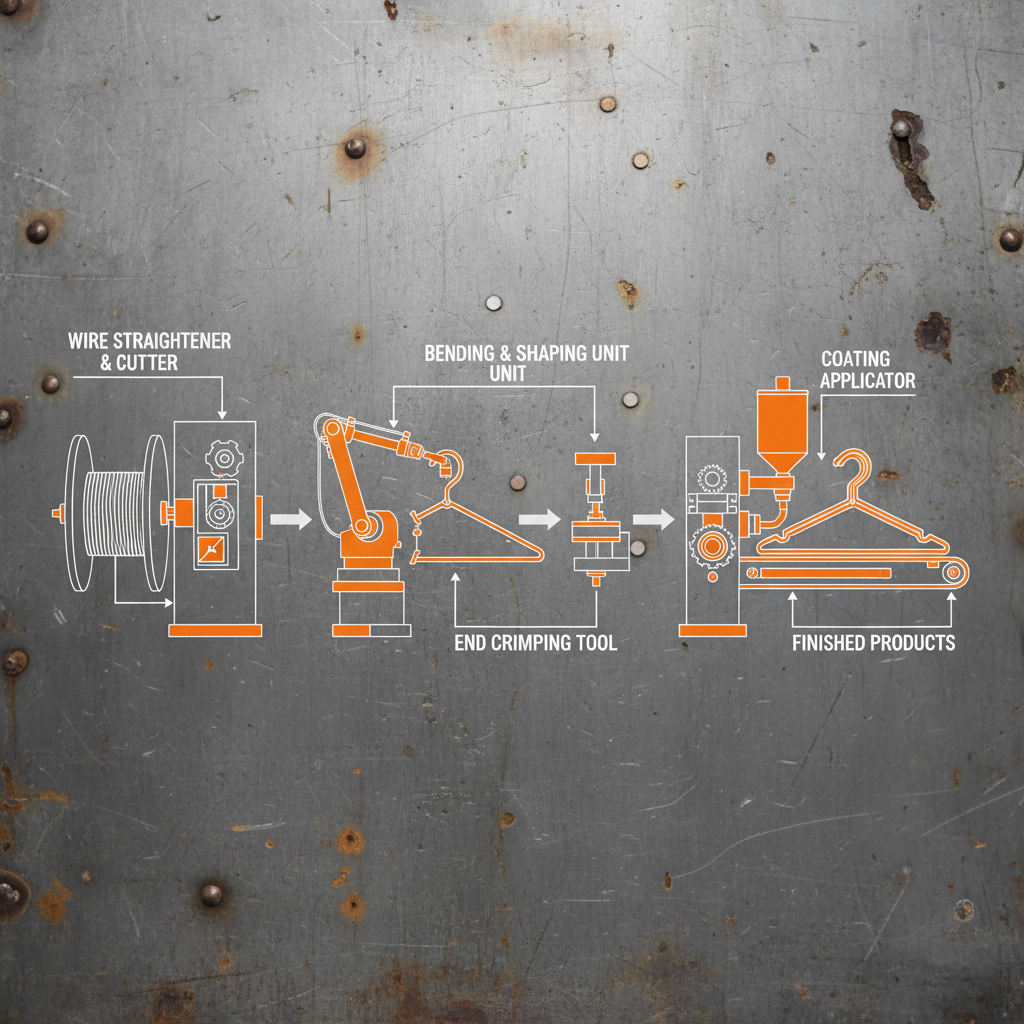
The production of metal wire coat hangers typically involves several stages. The process begins with selecting the appropriate gauge of wire, usually steel. The wire is then fed into a machine that bends and shapes it into the hanger form. Depending on the type of hanger, additional processes like welding (for hooks) or plastic coating (for protection and aesthetics) may be employed. Quality control is essential to ensure the hangers meet required standards for strength and durability. Efficient manufacturing processes are key to keeping costs low and delivering a consistent product.
Manufacturing Steps:
• Wire Selection: Choosing the appropriate gauge of steel.
• Bending & Shaping: Forming the wire into the hanger shape.
• Welding (Optional): Attaching hooks securely.
• Coating (Optional): Applying plastic or rubber for protection and appearance.
Metal Wire Coat Hanger Applications: Beyond the Closet
While primarily used for garment storage, metal wire coat hangers have numerous other applications. They can be repurposed for DIY projects, crafting, gardening, and even household repairs. The wire can be bent and reshaped into various tools or supports. Their lightweight nature and affordability make them ideal for temporary solutions. Many find creative ways to utilize these hangers, demonstrating their surprising versatility. Consider exploring the possibilities beyond simply hanging clothes.
Choosing the Right Metal Wire Coat Hanger: Key Considerations
Selecting the right metal wire coat hanger depends on your specific needs. Consider the weight of the garments you'll be hanging, the type of material, and the desired aesthetic. For heavy coats or suits, a tubular wire hanger provides superior support. For delicate fabrics, a hanger with a rubber coating can prevent slippage and damage. Retailers should choose hangers that complement their brand image and display requirements. Consider factors like color, finish, and overall durability.
Sustainability and Recycling of Metal Wire Hangers
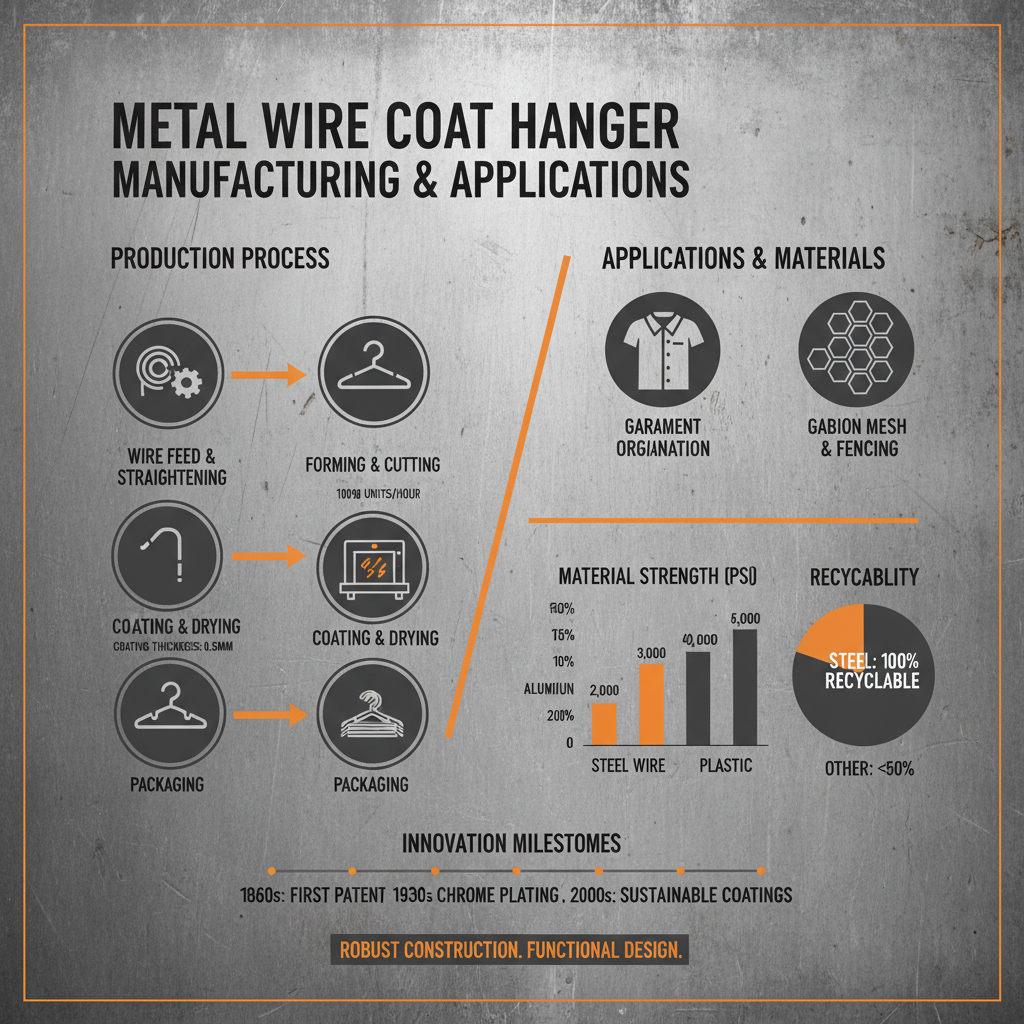
Metal wire coat hangers are generally recyclable, making them a relatively sustainable option. Steel is a highly recyclable material, and many recycling centers accept wire hangers. However, it's important to remove any plastic coatings before recycling. Reducing consumption by reusing hangers or opting for more durable alternatives can further minimize environmental impact. Choosing suppliers committed to responsible manufacturing practices is also a valuable step.
Conclusion: The Enduring Utility of Metal Wire Hangers
Metal wire coat hangers remain a practical and versatile solution for a wide range of applications. From clothing storage to DIY projects, their affordability and adaptability make them a staple in many households and businesses. By understanding the different types, manufacturing processes, and sustainability considerations, you can make informed choices and maximize the benefits of these humble yet essential tools. Explore the options available at Wire Mesh Pro today!
Frequently Asked Questions (FAQs)
What is the weight capacity of a standard metal wire coat hanger?
A standard flat wire coat hanger typically has a weight capacity of around 5-7 pounds. However, this can vary depending on the gauge of the wire and the design of the hanger. Tubular wire hangers generally offer a higher weight capacity, often around 10-15 pounds. It’s essential to consider the weight of the garments you'll be hanging to prevent bending or breakage. Overloading a hanger can compromise its structural integrity and potentially damage your clothes.
Can metal wire coat hangers rust?
Yes, metal wire coat hangers can rust, especially if exposed to moisture or humidity. The rusting process can stain clothing and weaken the hanger. To prevent rust, avoid storing hangers in damp environments. Plastic-coated hangers offer better protection against rust. If rust does develop, you can try removing it with a wire brush or a rust remover product. However, severely rusted hangers should be replaced.
Are there eco-friendly alternatives to metal wire coat hangers?
Yes, there are several eco-friendly alternatives to metal wire coat hangers. These include hangers made from wood, bamboo, recycled plastic, or cardboard. Wood and bamboo hangers are renewable resources, while recycled plastic hangers reduce waste. Cardboard hangers are biodegradable, but may not be as durable. Choosing sustainable materials and prioritizing durability can help minimize your environmental impact.
Where can I purchase high-quality metal wire coat hangers?
You can purchase high-quality metal wire coat hangers from a variety of sources, including wholesale suppliers, retail stores, and online marketplaces. Wire Mesh Pro offers a wide selection of metal wire hangers in various styles and finishes. Look for suppliers that offer durable construction, consistent quality, and competitive pricing.
-
Quality Black Wire Clothes Hangers for Home and Retail UseNewsApr.16,2026
-
Premium Rose Gold Wire Hangers for Luxury Closet OrganizationNewsApr.09,2026
-
Elevate Your Closet with Stylish Rose Gold Metal Coat HangersNewsApr.07,2026
-
Optimize Your Business with Durable White Wire Clothes HangersNewsApr.04,2026
-
Comprehensive Guide to Buy Wire Clothes Hangers for Optimal Closet OrganizationNewsMar.31,2026
-
Find the Best Deals and Options to Buy Wire Hangers for All Your NeedsNewsMar.28,2026
-
Find the Best Deals to Buy Wire Coat Hangers for Your NeedsNewsMar.26,2026