-
 Phone:
 -
 Email:
Premium Low Carbon Steel Wire | Ductile, Strong & Cost-Effective
Understanding Low Carbon Steel Wire: Industry Trends and Innovations
The global demand for high-quality raw materials remains robust across diverse industrial sectors. Among these, Low Carbon Steel Wire stands out as a foundational component, prized for its exceptional ductility, formability, and cost-effectiveness. As B2B decision-makers and engineers navigate increasingly complex supply chains and demanding application requirements, a deep understanding of this essential material is paramount. Current industry trends point towards an increased focus on sustainable manufacturing practices, enhanced material traceability, and the development of specialized coatings and alloys to meet specific performance criteria.
Key innovations in the sector include advancements in wire drawing technologies that allow for tighter diameter tolerances and improved surface finishes, crucial for precision applications. Furthermore, there's a growing emphasis on optimizing tensile strength-to-weight ratios and improving corrosion resistance through advanced galvanization techniques and polymer coatings. These developments are driven by the evolving needs of target industries such as construction, automotive, agriculture, and general manufacturing, all seeking more durable, reliable, and efficient material solutions.
The market for Low Carbon Steel Wire is also being shaped by stricter environmental regulations, pushing manufacturers towards greener production methods and the use of recycled content. This not only aligns with global sustainability goals but also offers a competitive advantage by appealing to eco-conscious consumers and businesses. Our commitment to these evolving standards ensures that our products not only meet but often exceed industry benchmarks for quality and environmental responsibility.
Technical Specifications and Parameters of Low Carbon Steel Wire
The technical performance of Low Carbon Steel Wire is defined by a range of critical parameters, meticulously controlled during manufacturing to ensure suitability for diverse industrial applications. Understanding these specifications is crucial for material selection and optimal product performance.
Key Material Characteristics:
- Carbon Content: Typically ranging from 0.05% to 0.25%. This low carbon level is responsible for the material's excellent ductility and weldability, distinguishing it from medium or high carbon steel wires that offer higher strength but reduced formability.
- Tensile Strength (UTS): Measures the maximum stress the wire can withstand before breaking. For annealed Low Carbon Steel Wire, this often falls between 300-550 MPa (43,500-79,800 PSI), though cold drawing can significantly increase this.
- Yield Strength (YS): The stress at which the material begins to deform plastically. This is a critical factor for applications requiring the wire to hold a specific shape under load without permanent deformation.
- Elongation: Indicates the wire's ductility – its ability to stretch before fracturing. Higher elongation percentages (typically 15-25% for low carbon grades) signify greater flexibility and workability, essential for bending, forming, and coiling operations.
- Wire Diameter: Available in a vast range, from fine gauges (e.g., 0.1mm) used in mesh and weaving to much thicker diameters (e.g., 10mm+) for structural or heavy-duty applications. Precision in diameter is maintained through rigorous quality control.
- Surface Finish: Can vary from bright (polished) to dull (matte), depending on post-processing. Coatings such as galvanization (zinc coating for corrosion resistance), PVC coating (for enhanced durability and aesthetics), or oiling (for temporary rust prevention) are common.
Typical Product Specification Table:
| Parameter | Specification Range | ASTM/ISO Standard | Notes |
|---|---|---|---|
| Material Grade | SAE 1006, 1008, 1010 | ASTM A510 | Common low carbon grades for drawing |
| Carbon Content | 0.05% - 0.25% | ASTM E1019 | Determines ductility and weldability |
| Wire Diameter | 0.2 mm - 12.0 mm | ASTM A641 | Customizable upon request |
| Tensile Strength | 300 - 900 MPa (43.5 - 130.5 ksi) | ASTM A370 | Varies with drawing process and heat treatment |
| Elongation | 15% - 25% (min) | ASTM A370 | Crucial for formability |
| Surface Finish | Bright, Galvanized, PVC Coated | ASTM A90 (for galvanization) | Corrosion protection, aesthetics |
Adherence to international standards such as ISO 9001 for quality management and specific ASTM standards (e.g., ASTM A510 for carbon steel wire rods and coils, ASTM A641 for zinc-coated carbon steel wire) is fundamental to our manufacturing process, ensuring consistent quality and performance.
Manufacturing Process Flow of Low Carbon Steel Wire
The production of high-quality Low Carbon Steel Wire is a multi-stage, precision-controlled process, transforming raw steel rods into a versatile finished product. Our facilities leverage advanced technologies to ensure every step meets stringent quality benchmarks. The primary manufacturing process involves a series of mechanical and thermal treatments:
1. Raw Material Selection
High-quality steel wire rods (e.g., SAE 1006, 1008, 1010) are sourced. These are typically hot-rolled and arrive in coil form. Material composition, including carbon and impurity levels, is rigorously tested to meet ISO and ASTM standards before processing.
2. Surface Preparation (Descaling)
The surface of the rod is cleaned to remove mill scale and impurities, which could otherwise damage drawing dies or compromise surface finish. This often involves mechanical descaling (flexing the wire to crack off scale) followed by chemical pickling (acid bath) and rinsing, or a combination of both.
3. Wire Drawing (Cold Drawing)
The prepared rod is drawn through a series of progressively smaller dies. This cold drawing process reduces the wire's diameter, increases its tensile strength, and improves its surface finish and dimensional accuracy. Multi-stage drawing machines ensure precise control over wire gauge and mechanical properties.
4. Heat Treatment (Annealing)
Depending on the desired final properties, the wire may undergo annealing. This heat treatment process (heating to a specific temperature and slow cooling) relieves internal stresses, increases ductility, and softens the wire, making it more formable for subsequent processing or end-use applications.
5. Surface Coating (Optional)
For enhanced corrosion resistance and specific aesthetic requirements, the wire may be galvanized (hot-dip or electro-galvanized), PVC coated, or treated with other surface finishes. This step significantly extends the service life, particularly in harsh environments.
6. Quality Control & Testing
Throughout the process, samples are rigorously tested for tensile strength, elongation, diameter tolerance, surface finish, and coating adhesion (if applicable). Adherence to ISO 9001 and specific industry standards (e.g., ASTM A370 for mechanical testing) ensures consistent product quality and reliability.
7. Spooling & Packaging
The finished wire is precisely spooled onto various types of carriers (coils, spools, reels) according to customer requirements, ensuring efficient handling and transport. Packaging is designed to protect the wire from damage and environmental factors during transit and storage.
This meticulous process ensures that our Low Carbon Steel Wire products offer advantages like extended service life due to superior material integrity, energy-saving potential through optimized tensile strength for specific applications, and enhanced corrosion resistance with advanced coatings. Target industries include petrochemical (for mesh and filtration), metallurgy (reinforcement), and water supply & drainage (gabions, screens).
Application Scenarios and Technical Advantages
The inherent properties of Low Carbon Steel Wire – its ductility, formability, and weldability – make it indispensable across a multitude of industrial and commercial applications. Its adaptability, particularly when combined with various finishes and processing methods, offers significant technical advantages for engineers and manufacturers.
Typical Application Scenarios:
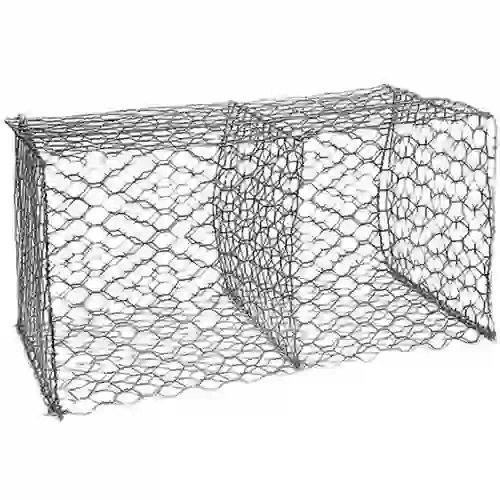
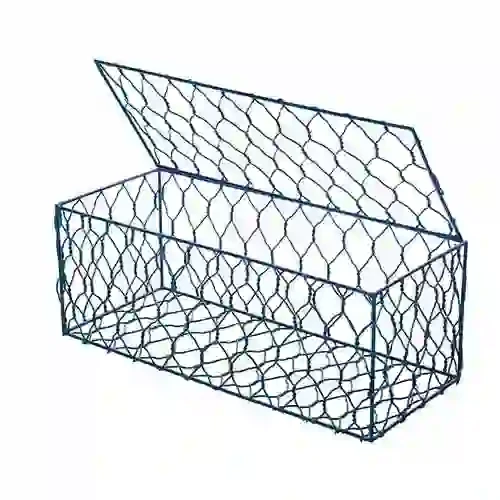
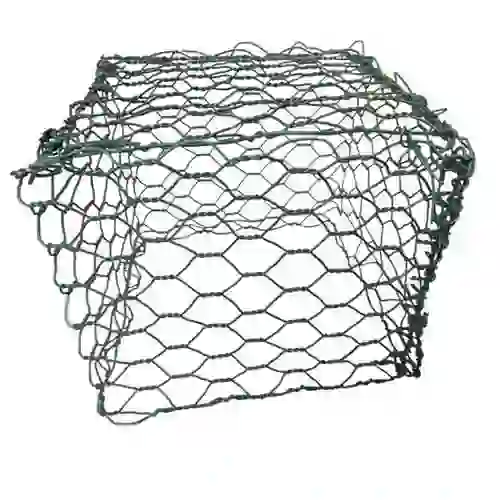
- Construction and Infrastructure: Widely used for concrete reinforcement, tie wire, rebar tying, and mesh for fencing, gabions, and plastering. Its flexibility allows for easy manipulation on-site, enhancing construction efficiency.
- Agriculture: Essential for vineyard and orchard trellising, fencing for livestock, bale ties, and various structural supports. Galvanized versions offer extended lifespan in outdoor, often corrosive, agricultural environments.
- Automotive Industry: Employed in seating frames, brake cables, and various small components that require precise bending and forming capabilities. Its consistent mechanical properties are crucial for component reliability.
- General Manufacturing: Fabricated into nails, screws, staples, paper clips, coat hangers, and myriad other small consumer and industrial goods. Its ease of cold heading and forming is a major advantage here.
- Mesh and Netting: Crucial for producing woven, welded, and knitted wire mesh used in filtration, security fencing, animal enclosures, and decorative panels. The consistency in wire diameter and strength ensures uniform mesh integrity.
- Retail and Packaging: Used for binding, strapping, and decorative purposes, including florist wire and craft wire, where ease of handling and bending are key.
Technical Advantages:
- Exceptional Formability: Due to its low carbon content, the wire can be easily bent, coiled, drawn, and headed without fracturing, minimizing material waste and increasing production efficiency.
- Excellent Weldability: Low carbon content translates to superior weldability, allowing for strong, reliable joints in welded mesh and fabricated structures without requiring extensive pre- or post-weld treatments.
- Cost-Effectiveness: Compared to higher carbon or alloy steels, Low Carbon Steel Wire offers a more economical solution for applications where extreme strength or specialized properties are not the primary requirement, providing optimal value.
- Surface Finish Customization: Can be easily coated with zinc (galvanized) for enhanced corrosion resistance, PVC for weatherproofing and aesthetic appeal, or other materials to meet specific functional demands, significantly extending product lifespan.
- Consistent Quality and Dimensional Accuracy: Our advanced manufacturing processes, including precision wire drawing and rigorous testing, ensure uniform diameter, consistent mechanical properties, and a smooth surface, which are critical for automated production lines and reliable end-product performance.
- Versatility: Its fundamental properties allow for a wide range of transformations into diverse products, from fine mesh to heavy-duty industrial components, showcasing its unparalleled adaptability.
Vendor Comparison and Customization Solutions
Selecting the right supplier for Low Carbon Steel Wire is a critical decision that impacts product quality, production efficiency, and overall project costs. While many vendors offer steel wire, key differentiators lie in quality control, customization capabilities, logistical efficiency, and post-sales support.
Key Differentiators in Vendor Selection:
| Feature | Standard Vendor Offerings | Our Premium Offerings |
|---|---|---|
| Quality Control | Basic in-process checks; adherence to minimum standards. | ISO 9001 certified; multi-stage, in-line optical and mechanical testing; full material traceability from raw rod to finished product. |
| Customization | Limited options for diameter and standard finishes. | Extensive customization: specific diameters (0.2mm to 12mm), tensile strengths, elongation, specialized coatings (e.g., heavy galvanized, custom PVC colors), and bespoke packaging. |
| Lead Time | Variable, standard 4-6 weeks for common orders. | Optimized production schedule; typical lead time of 2-4 weeks for standard products, flexible for urgent custom orders. |
| Technical Support | Basic product information; limited engineering advice. | Dedicated technical team for application engineering, material selection guidance, and problem-solving, available 24/7. |
| Certifications | May meet local standards. | Adherence to international standards (ISO, ASTM, DIN) and country-specific certifications (e.g., CE, RoHS compliance where applicable). |
Customized Solutions: Tailoring Low Carbon Steel Wire to Your Needs
Recognizing that off-the-shelf solutions don't always meet precise engineering requirements, we specialize in providing bespoke Low Carbon Steel Wire solutions. Our engineering team collaborates closely with clients from conceptualization to final production, ensuring the product perfectly aligns with specific application demands.
- Tailored Mechanical Properties: We can fine-tune the wire's tensile strength, yield strength, and elongation through precise control of the drawing process and annealing cycles. This allows for optimization for cold heading, spring formation, or specific load-bearing capacities.
- Specific Wire Diameters and Tolerances: Beyond standard gauges, we can produce wires to exact diameter specifications with exceptionally tight tolerances, crucial for automated machinery and precision components.
- Advanced Coating Options: In addition to standard hot-dip galvanization (Class A, B, C coatings) and PVC, we explore specialized polymer coatings for enhanced UV resistance, chemical inertness, or specific aesthetic requirements (e.g., color-matched PVC).
- Custom Packaging and Spooling: From custom coil weights and diameters to specific spool types (e.g., plastic, steel, wooden) and winding patterns (e.g., tight-wound, traverse-wound), we ensure packaging optimizes your handling, storage, and unwinding processes.
- Material Composition Adjustments: While maintaining low carbon characteristics, minor adjustments to trace elements can be made to enhance specific attributes like conductivity or magnetic properties for niche applications.
Our agile manufacturing capabilities and in-house metallurgical expertise enable us to deliver complex custom orders efficiently, ensuring that your unique project requirements are met with unparalleled precision and reliability.
Application Case Studies & Customer Feedback
Real-world application demonstrates the tangible value and versatility of our Low Carbon Steel Wire. Our extensive experience and robust technical support have enabled numerous clients to achieve superior product performance and operational efficiency.
Case Study 1: High-Volume Welded Mesh Production for Construction
A leading construction material manufacturer required high-consistency Low Carbon Steel Wire for automated welded mesh production lines. Their challenge was sourcing wire with minimal variations in diameter and consistent weldability to prevent production stoppages and ensure the structural integrity of their mesh panels.
- Solution Provided: We supplied precisely drawn, bright-finish Low Carbon Steel Wire (SAE 1008 grade, 3.5mm diameter) with a tight diameter tolerance of ±0.02mm and guaranteed weldability parameters. We also provided customized coil weights (1.5 metric tons) to minimize coil changes on their high-speed lines.
- Results: The client reported a 15% reduction in material waste due to fewer welding defects and improved dimensional accuracy of the finished mesh. Production line uptime increased by 10%, translating to significant cost savings and higher output. The consistency in our wire contributed directly to their product meeting stringent building codes and customer satisfaction.
Case Study 2: Durable Agricultural Fencing in Harsh Climates
An agricultural co-operative in a region with high humidity and fluctuating temperatures needed a durable wire for livestock and perimeter fencing. Their previous supplier's wire exhibited premature corrosion, leading to frequent maintenance and replacement costs.
- Solution Provided: We offered a heavy-galvanized (Class C zinc coating, >240 g/m²) Low Carbon Steel Wire, manufactured to ASTM A641 standards. The wire was specifically heat-treated to achieve optimal ductility for ease of installation while maintaining sufficient tensile strength to withstand animal pressure and environmental stressors.
- Results: The new fencing demonstrated superior corrosion resistance, with an expected service life extended by over 50% compared to their previous materials. The client noted reduced labor costs for repairs and replacements, and positive feedback from farmers regarding the fence's durability and robust appearance.
Customer Feedback:
"For years, we've relied on this supplier for our galvanized wire needs. Their technical team consistently provides expert advice, and the quality of their Low Carbon Steel Wire is unmatched. It's truly a partnership, not just a transaction." - Procurement Manager, Major Fencing Manufacturer
"The custom tensile strength wire they developed for our automotive seat frames revolutionized our assembly process. We saw immediate improvements in part consistency and a significant reduction in our scrap rate. Their attention to detail and ability to customize were exceptional." - Lead Engineer, Automotive Component Supplier
Frequently Asked Questions (FAQ)
Q1: What are the primary advantages of Low Carbon Steel Wire over medium or high carbon steel wire?
A1: The main advantages of Low Carbon Steel Wire are its superior ductility and formability, making it easier to bend, coil, and form without breaking. It also possesses excellent weldability due to its lower carbon content, reducing the risk of brittleness around weld joints. While it has lower tensile strength than high carbon steel, its cost-effectiveness and versatility make it ideal for applications not requiring extreme strength.
Q2: How do you ensure the quality and consistency of your Low Carbon Steel Wire?
A2: We adhere to a stringent, multi-stage quality control process beginning with raw material inspection (conforming to ISO and ASTM standards). Our manufacturing process, including wire drawing and heat treatment, is precision-controlled. In-line and batch testing for tensile strength, elongation, diameter tolerance, and surface integrity are conducted rigorously. Our operations are ISO 9001 certified, ensuring consistent quality management and traceability for every batch.
Q3: Can you provide customized Low Carbon Steel Wire for specific project requirements?
A3: Absolutely. We specialize in customized solutions. Our engineering team works closely with clients to define precise specifications for wire diameter, tensile strength, elongation, surface finish (e.g., specific galvanization thickness or PVC colors), and even custom packaging and spooling. We leverage our advanced manufacturing capabilities to produce wire tailored exactly to your unique application needs.
Q4: What are your typical lead times for orders?
A4: For standard Low Carbon Steel Wire products, our typical lead time is between 2 to 4 weeks, depending on order volume and current production schedules. For highly customized or specialized orders, lead times may vary but are always communicated clearly and managed efficiently by our sales and logistics teams. We maintain robust inventory levels of common raw materials to facilitate prompt order fulfillment.
Q5: What kind of warranty and after-sales support do you offer?
A5: We stand behind the quality of our products with a comprehensive warranty against manufacturing defects and material non-conformities, typically for one year from the date of shipment. Our dedicated customer support and technical service teams are available 24/7 to provide assistance with product selection, application engineering, troubleshooting, and any post-delivery inquiries. We are committed to ensuring long-term client satisfaction and success.
Lead Time, Fulfillment, and Warranty Commitments
Efficient logistics and transparent service commitments are integral to our partnership approach. We understand that timely delivery and reliable after-sales support are crucial for our B2B clients' operational continuity and project success.
Lead Time and Fulfillment:
- Standard Orders: For commonly requested specifications of Low Carbon Steel Wire, our lead time typically ranges from 2 to 4 weeks from order confirmation to dispatch. This allows for thorough processing, quality control, and packaging.
- Custom & Large Volume Orders: Lead times for specialized or high-volume orders are determined on a case-by-case basis, factoring in raw material availability, specific processing requirements, and current production load. We provide a detailed production schedule and regular updates.
- Expedited Shipping: For urgent requirements, expedited production and shipping options are available. Clients are encouraged to discuss time-sensitive needs with their account manager for tailored solutions.
- Global Logistics: We facilitate worldwide shipping, working with trusted logistics partners to ensure secure and timely delivery to your specified destination, adhering to all international shipping regulations.
Warranty and Customer Support:
- Product Warranty: All our Low Carbon Steel Wire products come with a standard 1-year warranty against manufacturing defects and non-compliance with agreed-upon specifications. This warranty underscores our confidence in our quality control and manufacturing excellence.
- Technical Assistance: Our team of metallurgical engineers and product specialists is available for comprehensive technical support. From material selection and application guidance to troubleshooting and process optimization, we provide expert advice to help you maximize the value of our products.
- After-Sales Service: We maintain a dedicated after-sales support channel to address any inquiries, feedback, or concerns promptly. Our commitment extends beyond delivery, ensuring your long-term satisfaction and successful integration of our wire products into your operations.
- Dedicated Account Management: Each client is assigned a dedicated account manager who serves as a single point of contact, ensuring seamless communication and personalized service throughout the entire procurement and application lifecycle.
References:
- ASTM International. (n.d.). _ASTM A510/A510M-20, Standard Specification for General Requirements for Wire Rods and Coarse Round Wire, Carbon Steel_. Retrieved from astm.org
- ISO. (n.d.). _ISO 9001:2015 Quality management systems — Requirements_. Retrieved from iso.org
- The Wire Association International. (n.d.). _Wire and Cable Technology International_. Retrieved from wiretech.com
- American Iron and Steel Institute (AISI). (n.d.). _Steel: The Foundation of Sustainability_. Retrieved from steel.org
-
Quality Black Wire Clothes Hangers for Home and Retail UseNewsApr.16,2026
-
Premium Rose Gold Wire Hangers for Luxury Closet OrganizationNewsApr.09,2026
-
Elevate Your Closet with Stylish Rose Gold Metal Coat HangersNewsApr.07,2026
-
Optimize Your Business with Durable White Wire Clothes HangersNewsApr.04,2026
-
Comprehensive Guide to Buy Wire Clothes Hangers for Optimal Closet OrganizationNewsMar.31,2026
-
Find the Best Deals and Options to Buy Wire Hangers for All Your NeedsNewsMar.28,2026
-
Find the Best Deals to Buy Wire Coat Hangers for Your NeedsNewsMar.26,2026