-
 Phone:
 -
 Email:
Comprehensive Guide to Electrical Wire Hanging Clips for Secure Installations
Choosing the Right Electrical Wire Hanging Clips
Ensuring secure and organized wiring is critical for both safety and efficiency in any electrical installation. Electrical wire hanging clips are essential components for achieving this, providing a robust and reliable method for supporting cables. This article delves into the different types of wire hanging clips, their applications, material considerations, and how to select the best option for your specific project. Proper cable management not only minimizes the risk of electrical hazards but also enhances the overall professionalism of the installation. We’ll explore how to choose clips that deliver long-term performance and adhere to industry standards.
Types of Electrical Wire Hanging Clips
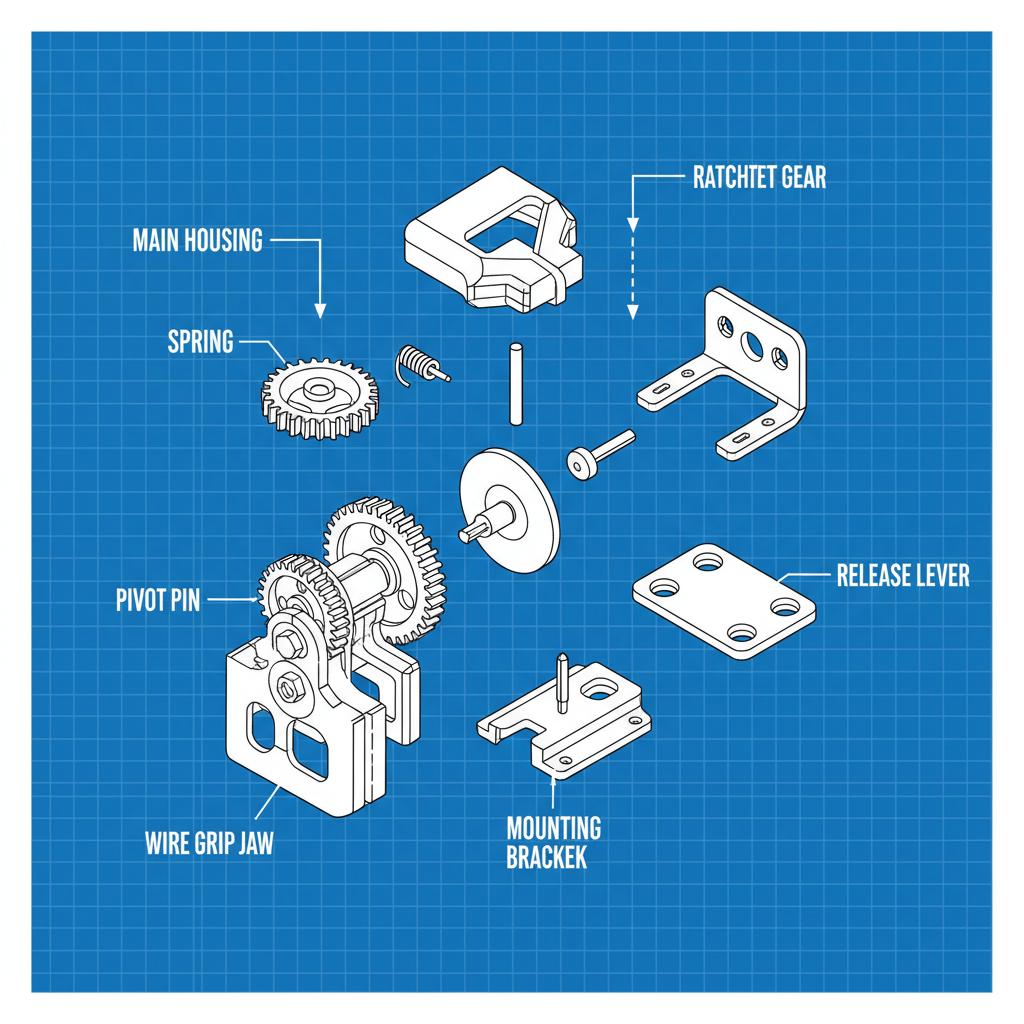
The market offers a variety of electrical wire hanging clips, each designed for specific applications and cable types. Common types include spring clips, screw-in clips, self-adhesive clips, and cable ties. Spring clips are quick and easy to install, making them suitable for temporary or frequently adjusted installations. Screw-in clips offer a more secure and permanent solution, ideal for critical applications. Self-adhesive clips provide a clean and convenient mounting option, but their load capacity is limited. Cable ties are versatile for bundling wires and securing them to supports. Understanding the strengths and weaknesses of each type is crucial for selecting the appropriate clip for your needs.
Key Highlights: Different clip types cater to varying installation requirements, from temporary fixes to permanent, heavy-duty applications. Selecting the right type ensures optimal cable support and safety.
Material Considerations for Electrical Wire Hanging Clips
The material of the wire hanging clips significantly impacts their durability, corrosion resistance, and suitability for different environments. Common materials include nylon, polypropylene, stainless steel, and galvanized steel. Nylon clips are lightweight, non-conductive, and resistant to chemicals, making them suitable for indoor applications. Polypropylene clips offer similar properties but with improved temperature resistance. Stainless steel clips provide excellent corrosion resistance, making them ideal for outdoor or harsh environments. Galvanized steel clips offer a cost-effective solution with moderate corrosion resistance. Choosing the right material ensures long-term reliability and prevents premature failure.
Material Benefits:
• Nylon: Lightweight, non-conductive, chemical resistant
• Polypropylene: Similar to nylon with improved temperature resistance
• Stainless Steel: Excellent corrosion resistance
• Galvanized Steel: Cost-effective with moderate corrosion resistance
Electrical Wire Hanging Clips: A Comparative Analysis
Selecting the optimal clip requires a clear understanding of their strengths and weaknesses. A comparative analysis helps identify the best solution for your specific application. Here's a detailed look at various types of clips:
Applications of Electrical Wire Hanging Clips
Electrical wire hanging clips find widespread use in residential, commercial, and industrial settings. They are essential for securing wiring in ceilings, walls, and conduits. Common applications include suspending lighting fixtures, supporting data cables, and organizing electrical wiring in machinery. Proper clip selection and installation are crucial for maintaining code compliance and preventing electrical hazards. Explore our wide range of wire hanging clips designed to meet diverse project needs.
Selecting the Right Clip: A Quick Guide
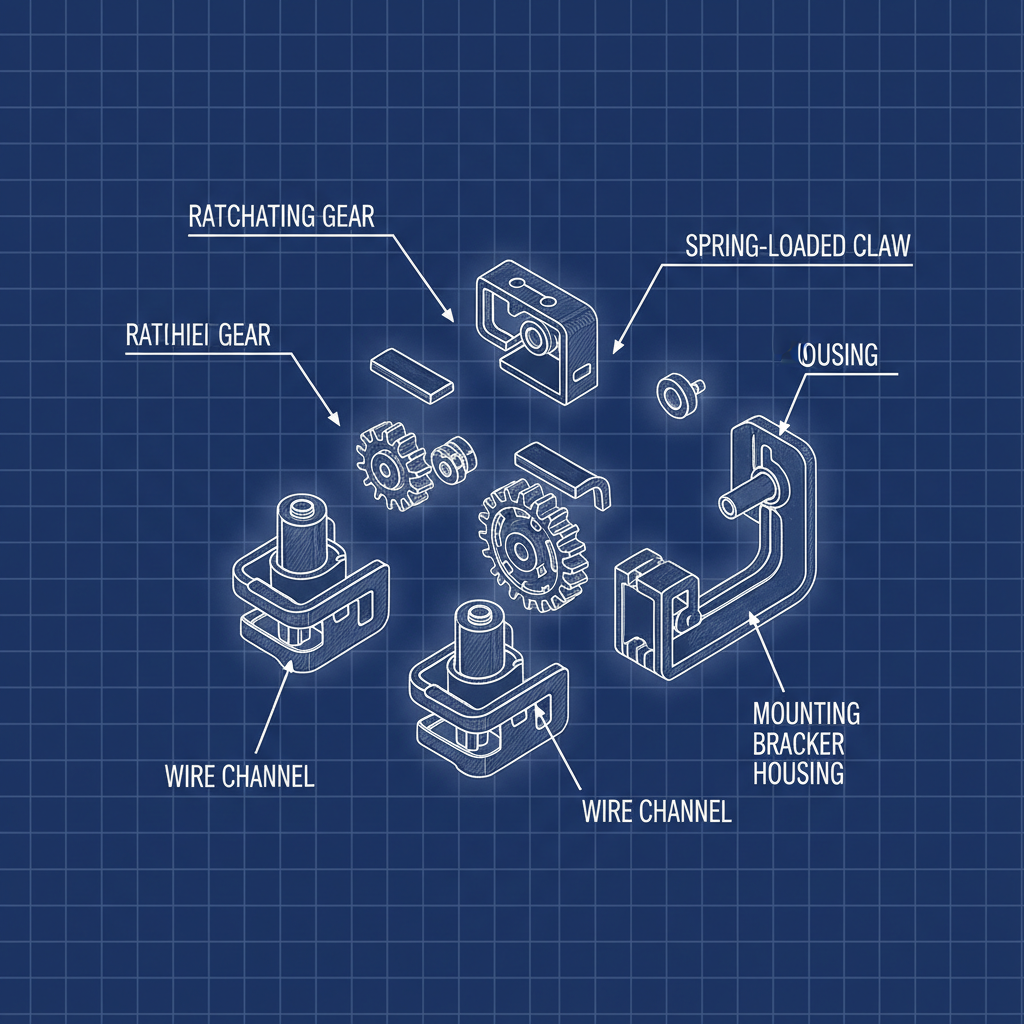
Choosing the right electrical wire hanging clip involves considering several factors, including the cable weight, the environment, the installation surface, and the desired level of security. For heavier cables, screw-in clips or robust spring clips are recommended. In corrosive environments, stainless steel clips offer superior protection. When working with delicate surfaces, self-adhesive clips provide a non-damaging mounting solution. Ensure the clip is rated for the specific cable type and complies with relevant electrical codes.
Conclusion: Secure and Organized Wiring with the Right Clips
Investing in quality electrical wire hanging clips is a crucial step towards ensuring safe and reliable electrical installations. By carefully considering the factors outlined in this article – clip type, material, application, and load capacity – you can select the optimal solution for your project. Proper cable management not only enhances safety but also improves the overall aesthetics and professionalism of your work.
Frequently Asked Questions (FAQs)
What is the maximum weight capacity I should consider when selecting a clip?
It's crucial to overestimate the weight capacity of the clip rather than underestimate it. Always consider the weight of the cable itself, plus any potential strain or stress from movement or environmental factors. A general rule of thumb is to choose a clip with a weight capacity at least 20% higher than the actual weight it will support. For heavier cables or demanding applications, opt for screw-in clips or clips specifically designed for high-load situations. Refer to the clip manufacturer’s specifications for accurate weight capacity information.
Are self-adhesive clips suitable for all surfaces?
Self-adhesive clips work best on smooth, clean, and non-porous surfaces like painted drywall, plastic, and metal. They may not adhere well to textured surfaces, wallpaper, or surfaces with dust or grease. Before applying, ensure the surface is thoroughly cleaned with a degreasing agent. For critical applications, it's generally recommended to use screw-in or spring clips for a more secure and reliable hold, regardless of the surface type.
What should I consider when choosing clips for outdoor use?
For outdoor applications, corrosion resistance is paramount. Stainless steel clips are the best choice as they withstand exposure to moisture, UV radiation, and harsh weather conditions. Avoid using galvanized steel clips in highly corrosive environments, as they may rust over time. Also, ensure the clip material is rated for the temperature range expected in your location. Properly secured cables are less likely to be damaged by wind or other environmental factors.
-
Quality Black Wire Clothes Hangers for Home and Retail UseNewsApr.16,2026
-
Premium Rose Gold Wire Hangers for Luxury Closet OrganizationNewsApr.09,2026
-
Elevate Your Closet with Stylish Rose Gold Metal Coat HangersNewsApr.07,2026
-
Optimize Your Business with Durable White Wire Clothes HangersNewsApr.04,2026
-
Comprehensive Guide to Buy Wire Clothes Hangers for Optimal Closet OrganizationNewsMar.31,2026
-
Find the Best Deals and Options to Buy Wire Hangers for All Your NeedsNewsMar.28,2026
-
Find the Best Deals to Buy Wire Coat Hangers for Your NeedsNewsMar.26,2026