Look, after running around construction sites all year, you start to see patterns. Right now, everyone's obsessed with prefabrication, modular builds… basically, anything that saves time and labor. And that’s where wire gabion baskets for sale come in. They’re not new, not flashy, but they’re solid. Seriously solid. I’ve seen them holding back landslides that would make your hair stand on end.
To be honest, a lot of folks think it’s just stacking rocks in a cage, and it is kinda like that. But there's a lot more to it than just throwing stones together. It's about understanding the soil, the water flow, the long-term stresses. We get a lot of requests for really thin gauge wire... and I always tell them, “You’re gonna regret that.” It looks cheaper upfront, but you'll be replacing it in five years, guaranteed.
And it's funny, the spec sheets always look perfect. Lab tests, stress calculations, the whole nine yards. But reality is…messy. A perfectly engineered gabion wall can still fail if you don't prep the ground right. I saw a whole section slide at a site in Guangxi last year. Turns out the foundation wasn’t properly compacted. Anyway, I think getting the foundation right is the most important thing.
The Current Landscape of wire gabion baskets for sale
Have you noticed how many road projects are incorporating them now? It's not just erosion control anymore. They're using them for retaining walls, sound barriers… even architectural features. And it's global. I was talking to a supplier in Australia last month, and they’re flat out. Apparently, the mining industry down there is a huge consumer of wire gabion baskets for sale. Seems like wherever there’s digging and moving earth, these things are needed. It’s a good sign, honestly. Means people are building things.
The demand's definitely driving innovation too. You’re starting to see more polymer-coated baskets for marine environments, and some manufacturers are experimenting with different wire weaves for increased strength. It’s slow, though. These things aren't known for rapid changes.
Common Pitfalls in Design and Implementation
Strangely enough, the biggest problem I see is people trying to over-engineer it. They get caught up in the calculations and forget about common sense. Like, building a massive retaining wall with a tiny drainage gap at the bottom… seriously? Water will always find a way, and it’ll push that wall over eventually.
Another thing is rock selection. You can’t just use any old rubble. It needs to be angular, durable, and of a consistent size. I encountered this at a factory in Hebei last time. They were using rounded river rocks, and the wall looked like it was going to collapse just by looking at it. The customer wanted cheap, but I told him, “You'll be rebuilding this next year.”
And let's not forget proper installation. The baskets need to be tightly packed, and the wire needs to be securely fastened. Lazy workmanship is a recipe for disaster.
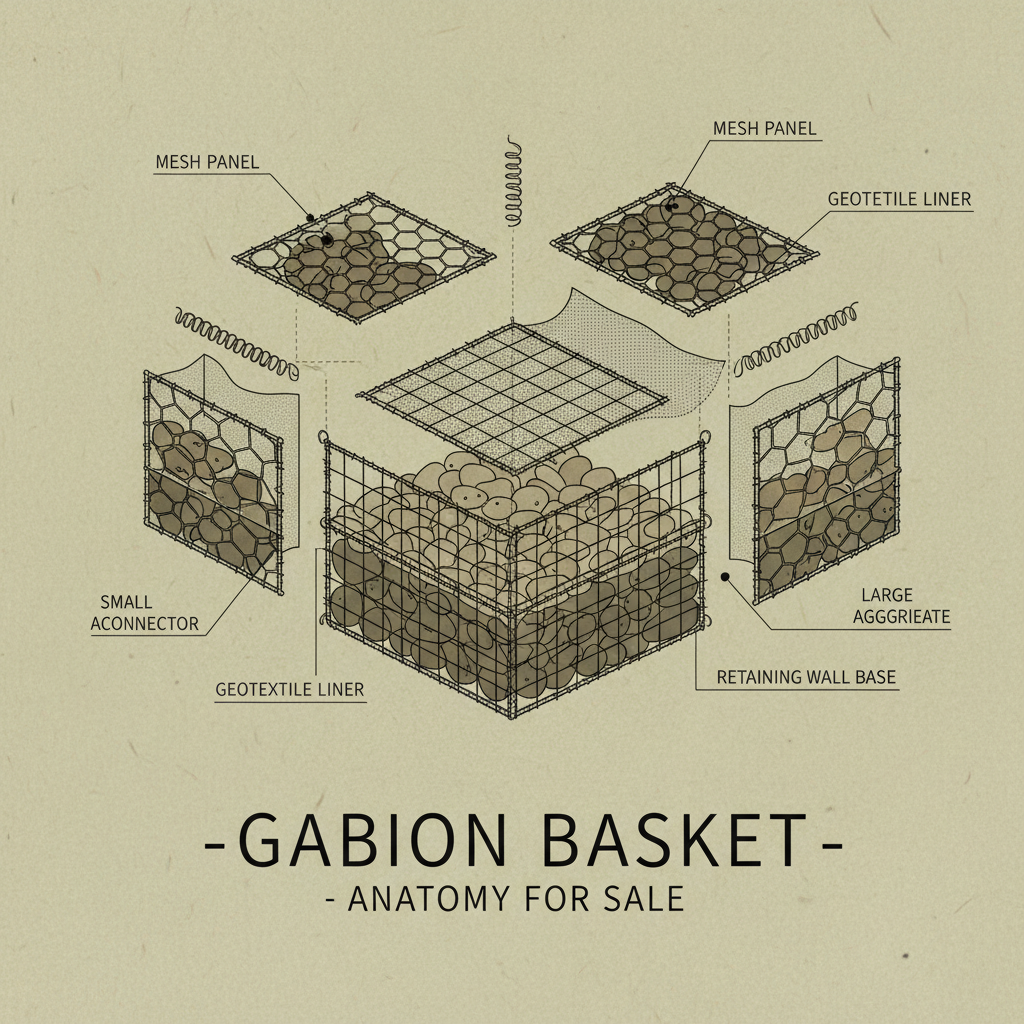
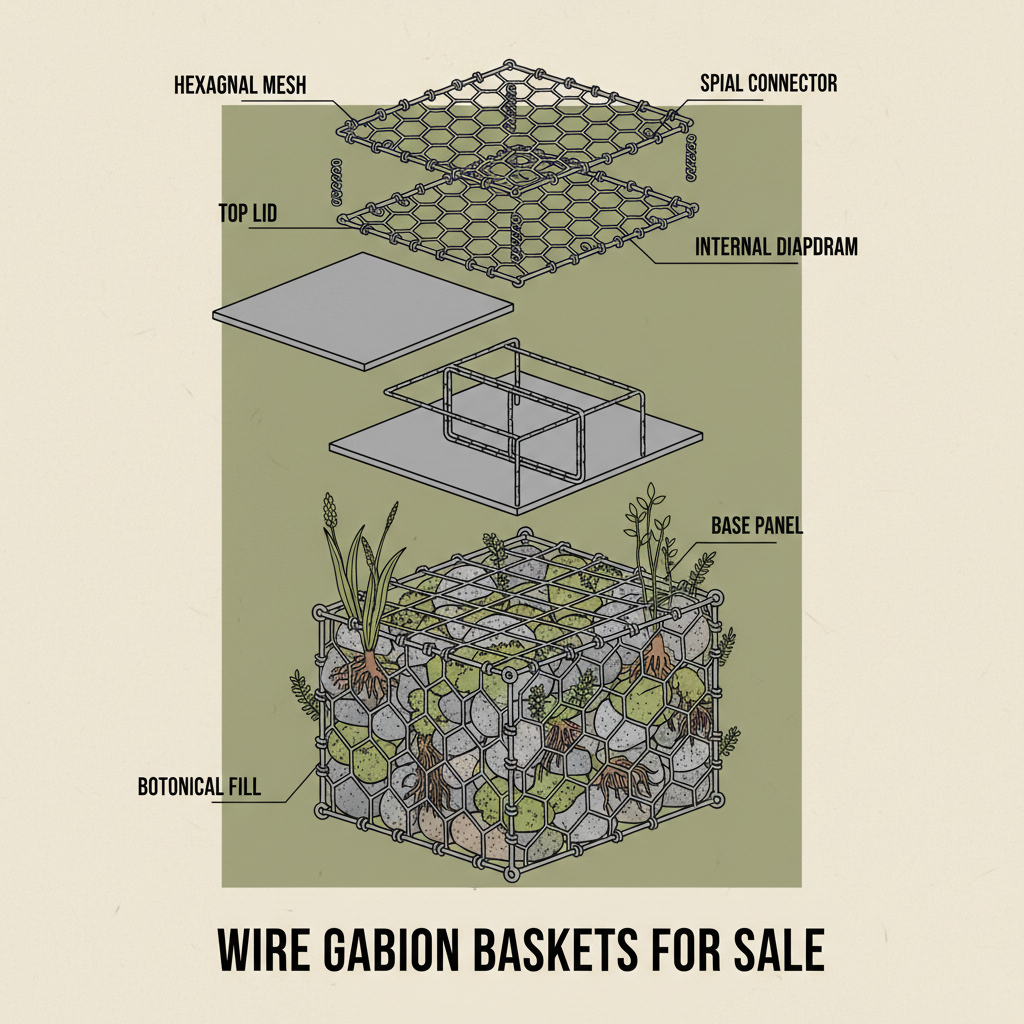
Material Breakdown: What's Inside a wire gabion baskets for sale
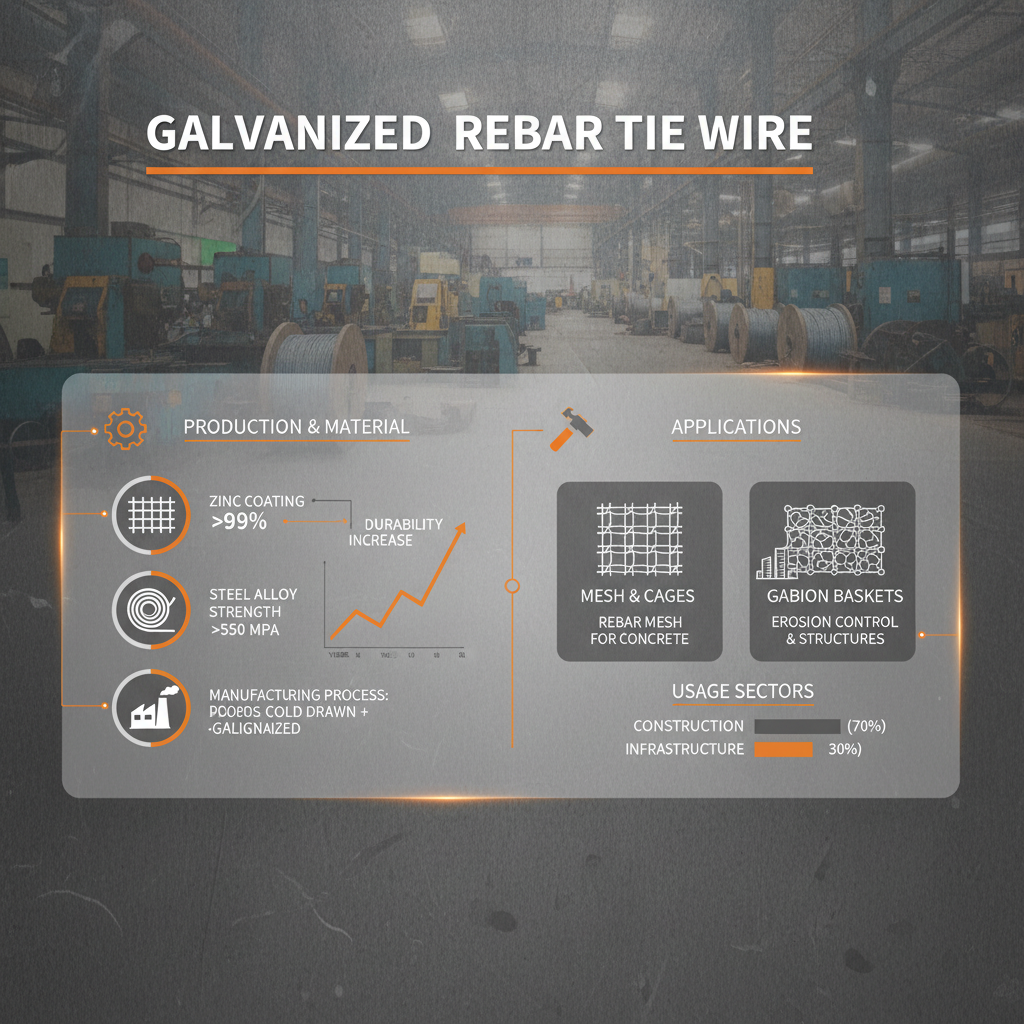
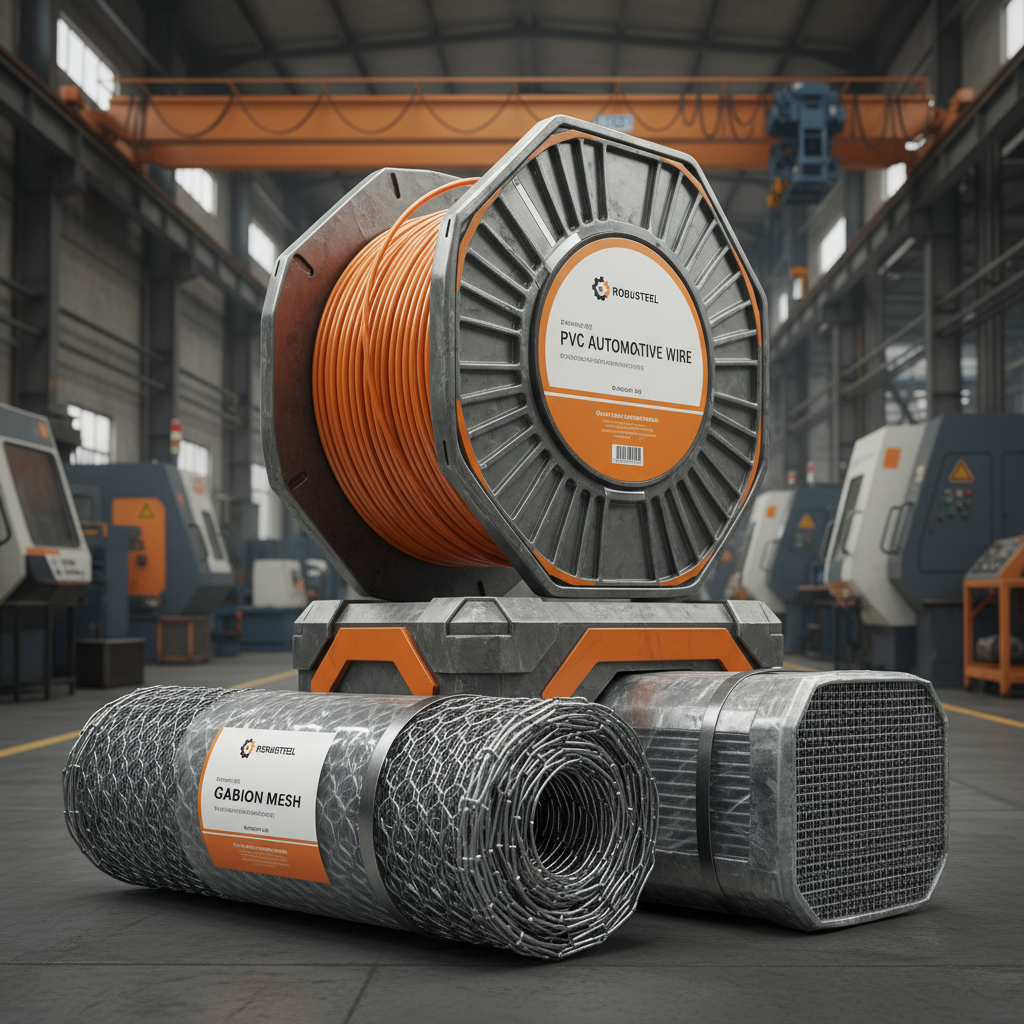
Okay, so you've got the wire mesh itself – usually galvanized steel, sometimes with a PVC coating. The smell of galvanized steel… it’s a specific smell, right? Always reminds me of being on-site. The coating adds corrosion resistance, which is crucial, especially near saltwater. It feels…slick, almost waxy to the touch, when new. Then you’ve got the fasteners – clips, rings, and sometimes even wire ties. Quality matters here. Cheap clips will rust through in no time.
Then there's the geotextile liner. It's like a fabric that goes inside the basket to prevent soil erosion. It feels… kinda rough, like burlap, but tougher. You really want a good quality geotextile, because that's the thing that's preventing the sediment from washing out from between the rocks.
And finally, the rocks themselves. Granite, limestone, basalt… depends on the location and availability. A good rock is angular, dense, and durable. You want something that can withstand the elements and won't crumble over time.
Real-World Testing: Beyond the Lab
To be honest, those lab tests are useful, but they don’t tell the whole story. You need to see how these things perform in the real world. I’ve seen gabion walls subjected to floods, earthquakes, and even deliberate vandalism.
We do a lot of field testing ourselves. We build small-scale models and monitor their performance over time. We look for signs of settlement, deformation, and corrosion. We also do pull tests to measure the tensile strength of the wire. It's not glamorous work, but it’s necessary.
And sometimes, you just have to trust your gut. If something doesn't feel right, it probably isn't. Years of experience on-site teaches you to spot potential problems.
Actual Use Cases vs. Expectations
People often think these are just for slopes, right? But they’re used for so much more. I've seen them used for architectural cladding, for creating privacy screens, even for building benches.
What’s surprising is how often people try to DIY this. They see it looks simple enough and think they can save some money. It rarely works out well. They underestimate the amount of labor involved, and they often end up with a wall that’s unstable and unsightly.
Advantages and Disadvantages: The Honest Truth
Okay, let's be real. The biggest advantage is cost. It’s usually cheaper than building a concrete retaining wall. It's also incredibly permeable, which means it doesn’t require extensive drainage systems. And it’s surprisingly flexible – it can conform to uneven terrain.
But it’s not perfect. It requires a lot of manual labor to fill the baskets. And it’s not always the most aesthetically pleasing option, unless you’re going for a rustic look. Also, if the rocks aren't properly selected, the wall can be prone to erosion. Later... Forget it, I won't mention it.
And one thing that bugs me: People forget about maintenance. Over time, the wire can corrode, and the rocks can shift. Regular inspections are crucial.
Customization Options and a Customer Story
You can customize these things quite a bit. Different wire gauges, different mesh sizes, different coatings. We had a customer last month, a small boss in Shenzhen who makes smart home devices, who insisted on changing the interface to , thinking it would make his product look more modern. The result was a complete mess – the rocks kept slipping through the gaps! He had to go back to the standard wire mesh.
We can also customize the size and shape of the baskets. We’ve done everything from tiny baskets for landscaping to massive structures for highway construction. It really comes down to what the client needs.
The most common request? Different colors. People want their gabion walls to blend in with the surrounding landscape. We can offer powder-coated baskets in a wide range of colors.
| Parameter |
Available Options |
Impact on Cost |
Typical Application |
| Wire Gauge |
2.0mm, 2.7mm, 3.0mm, 4.0mm |
Low to High |
Retaining Walls, Erosion Control |
| Mesh Size |
80x100mm, 100x120mm, 120x150mm |
Low to Medium |
Drainage, Slope Stabilization |
| Coating |
Galvanized, PVC Coated, Polyester Coated |
Medium to High |
Marine Environments, High Corrosion Areas |
| Basket Size |
Customizable Dimensions |
Low to Medium |
Architectural Features, Site Specific Needs |
| Wire Color |
RAL Color Chart |
Medium |
Aesthetic Requirements, Landscape Integration |
| Geotextile Liner |
Woven, Non-Woven, Different Weights |
Low |
Soil Containment, Preventing Erosion |
FAQS
That depends, really. With proper materials and installation, you're looking at 20-30 years, easily. But if you cut corners – cheap wire, bad rocks, poor drainage – you might be rebuilding it in 5. It's all about the details. Marine environments will corrode things faster, so a heavier coating is essential. And regular inspections are key to catching any problems early.
You need to calculate the volume of the basket, and then add about 5-10% for compaction. It's not rocket science, but you need to be accurate. The density of the rock also matters. Granite is heavier than limestone, so you'll need less of it to fill the same volume. Don't underestimate the weight – these things get heavy quickly.
Yes, but with caveats. The flexibility of the structure is actually an advantage in an earthquake, as it can absorb some of the energy. However, the foundation needs to be designed to withstand the seismic forces. You'll need to consult with a geotechnical engineer to ensure proper design and construction.
Angular, durable, and of consistent size. That’s the rule of thumb. Rounded river rocks just won’t interlock properly. Granite, limestone, and basalt are all good choices, depending on availability and cost. Avoid rocks that are prone to weathering or crumbling. You want something that will last.
Absolutely. The mass of the rocks effectively blocks sound waves. They're often used along highways and railways to reduce noise pollution. The higher and wider the wall, the better the soundproofing effect. You might also need to add a geotextile layer to improve sound absorption.
Galvanizing is a good start, but a PVC coating provides even better protection, especially in harsh environments. Make sure the coating is applied evenly and is free of defects. And inspect the wire regularly for any signs of corrosion. Early detection is key to preventing major problems.
Conclusion
So, yeah, wire gabion baskets for sale aren't glamorous, but they’re reliable, cost-effective, and surprisingly versatile. They're not a magic bullet – you still need to do your homework and get the design and installation right – but when done properly, they can provide a long-lasting and sustainable solution for a wide range of applications. They’ve stood the test of time.
Ultimately, whether this thing works or not, the worker will know the moment he tightens the screw. You can have all the engineering plans in the world, but if it doesn’t feel solid, something’s wrong. Don't underestimate the experience of the guys on the ground. They're the ones who make it happen.

 Phone:
 Email: