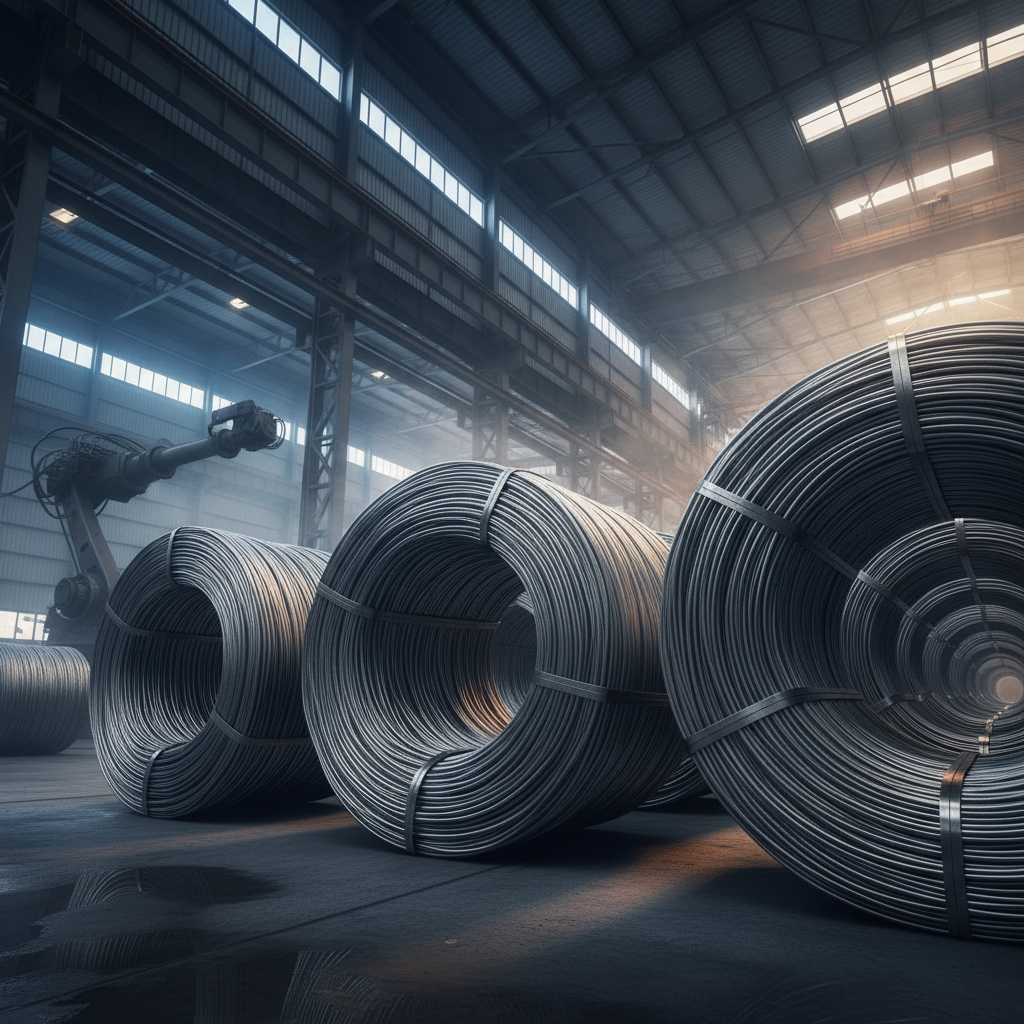


Finding the right high-tensile binding solutions is critical for industries relying on efficient waste management, agriculture, and recycling. When professionals look to buy baling wire, they are typically seeking a balance between mechanical strength and cost-efficiency to ensure that compressed bales remain secure during transport and storage. This guide examines the technical specifications and procurement factors essential for selecting industrial-grade tie wire.
The industrial binding sector is characterized by a diverse range of materials, from soft annealed steel to hot-dipped galvanized and PVC-coated options. The choice of material directly impacts the lifespan of the bale, especially in aquaculture or forestry environments where moisture and chemicals are prevalent. Understanding the relationship between wire gauge, tensile strength, and the specific compression force of baling machinery is the first step toward reducing breakage rates and operational downtime.
In the following sections, we will analyze the critical criteria for evaluating suppliers and choosing the correct specifications for different application scenarios. Readers will learn how to identify the most suitable coating for their environmental conditions and what quality certifications, such as ISO 9001, indicate about a manufacturer's production consistency. By the end of this analysis, procurement officers will have a clear framework for optimizing their binding material supply chain.
Fundamentals of Industrial Baling Tie Wire
Industrial binding wire serves as the primary containment mechanism for compressed materials. Unlike standard fencing or construction wire, baling-specific products must withstand sudden tension peaks during the tying process and maintain constant pressure over long durations. The core functionality relies on the material's elasticity and yield strength; if the wire is too brittle, it snaps under the pressure of the hydraulic ram, whereas if it is too soft, the bale expands, risking safety during transit. For a deeper technical understanding of these materials, referring to the buy baling wire knowledge base provides insight into the historical evolution of these tools. Modern production focuses on refining the drawing process to ensure diameter uniformity, which prevents "weak spots" in the coil. In the context of large-scale manufacturing, as seen with Anping Shengsen's operations in Hebei, the integration of hot-dipped galvanized lines ensures that the raw material meets the high-strength demands of global exports to over 40 countries, including Europe and the Americas.
Strategic Procurement Guide for Baling Materials
Procuring the correct binding wire requires a transition from simply looking at price per ton to evaluating the total cost of ownership. This involves analyzing the breakage rate, the speed of application, and the durability of the coating in specific operational environments.
Material Composition and Coating
The choice of coating determines the wire's resistance to oxidation. Galvanized coatings are standard for general recycling, while PVC coatings are essential for animal breeding and aquaculture due to their non-toxic and corrosion-resistant properties. Available colors like dark green, bright green, white, and black allow for easy categorization of waste streams or aesthetic integration into forestry parks.
| Coating Type | Primary Benefit | Recommended Environment | Risk Factor |
|---|---|---|---|
| Hot-Dipped Galvanized | High Zinc Layer | Outdoor Storage | Acidic Exposure |
| PVC Coated | Chemical Inertness | Aquaculture/Zoo | Extreme Heat |
| Annealed Steel | High Flexibility | Manual Tying | Rapid Oxidation |
| Bright Green PVC | Visibility/Protection | Forestry/Gardening | UV Degradation |
| Black PVC | Discretion/Durability | Industrial Waste | Surface Scratching |
| Electro-Galvanized | Smooth Finish | Indoor Processing | Lower Rust Resistance |
Tensile Strength Requirements
Tensile strength, measured in N/mm², dictates the maximum load a wire can support before failure. For heavy industrial bales, a range of 400-600N/mm² is typically required. If the strength is insufficient, the risk of bale bursting increases, which can lead to workplace accidents and product loss. Evaluating the tensile consistency across a 500kg coil is a key quality control marker.
Diameter and Gauge Selection
The core wire diameter must be matched to the machinery's tying head. Common specifications range from 0.4mm for light-duty applications to 3.0mm for heavy-duty structural binding. For example, PVC-coated wires often have a core diameter (e.g., 1.0mm) and a finished outer diameter (e.g., 1.4mm), which affects the total volume of the coil and the tension settings of the baler.
Application-Specific Use Cases
Different sectors demand different properties. In animal breeding and zoo enclosures, smoothness and coating integrity are prioritized to prevent injury to animals. In contrast, the construction mesh industry focuses on structural stability and fire prevention, where high-grade galvanized materials are used to support wall insulation works in large-scale urban projects.
Corrosion Resistance Standards
In coastal or high-humidity regions, standard steel fails quickly. Hot-dipped galvanization provides a thicker sacrificial layer of zinc compared to electro-galvanizing. For extreme conditions, PVC coating acts as a complete barrier against moisture. Buyers should verify if the manufacturer follows ISO 14001 environmental standards to ensure coating processes are sustainable.
Packaging and Logistics Efficiency
Packaging affects both the ease of loading into machinery and the protection of the wire during shipping. Options range from small coils of 50m to 200m for manual use, up to 500kg bulk coils for automated systems. Utilizing nylon woven or hessian woven outer packaging prevents the coils from unraveling and protects against moisture during sea freight.
Supplier Quality Verification
A reliable supplier should provide a clear quality management history. ISO 9001 certification is a baseline requirement for ensuring that the 260-ton daily output maintains the same tensile strength and diameter from the first coil to the last. Verification should include requests for mill test certificates and samples of the specific coating thickness required.
FAQ
What is the difference between galvanized and PVC-coated binding wire?
Galvanized wire is coated with zinc to prevent rust, making it ideal for general outdoor industrial use. PVC-coated wire has a plastic layer over the metal core, providing superior chemical resistance and a smoother surface, which is preferred for animal enclosures, aquaculture, and areas where corrosion is aggressive or safety is a priority.
How do I determine the correct wire diameter for my baling machine?
Consult your machinery manual for the recommended gauge. Generally, light waste requires 0.4mm to 1.0mm, while heavy agricultural or metal scrap bales require 2.0mm to 3.0mm. Ensure you distinguish between the core diameter and the finished diameter if using coated products to avoid jamming the tying mechanism.
What does a tensile strength of 400-600N/mm² mean in practice?
This measurement indicates the force the wire can withstand before breaking. A range of 400-600N/mm² is considered high-strength, ensuring that the wire can handle the immense pressure of a hydraulic press without snapping, which is critical for maintaining the integrity of high-density bales during shipping.
Can I customize the packaging for bulk orders?
Yes, most professional manufacturers allow customization based on equipment needs. This includes specifying coil weights (from 0.1kg to 500kg), lengths for small coils (50m to 200m), and the type of outer wrapping, such as nylon woven or hessian woven materials to suit specific logistical requirements.
How can I verify the quality of a new wire supplier?
Check for international certifications like ISO 9001 for quality management and ISO 14001 for environmental standards. Additionally, request a technical data sheet that specifies the tensile strength, coating thickness, and diameter tolerance. A supplier's history of exporting to regulated markets like Europe or Japan often indicates a higher level of compliance.
Which color PVC coating is best for forestry applications?
Dark green and bright green are the most common choices for forestry and agricultural parks as they blend with the environment. These coatings not only provide aesthetic integration but also protect the core steel from the humid and acidic conditions often found in forest soil and vegetation.
References and further reading
- ISO 9001:2015 Quality Management Systems Requirements
- ASTM A641 - Standard Specification for Zinc-Coated (Galvanized) Steel Wire
- Industrial Baling Standards for Agricultural Waste Management
Related Articles