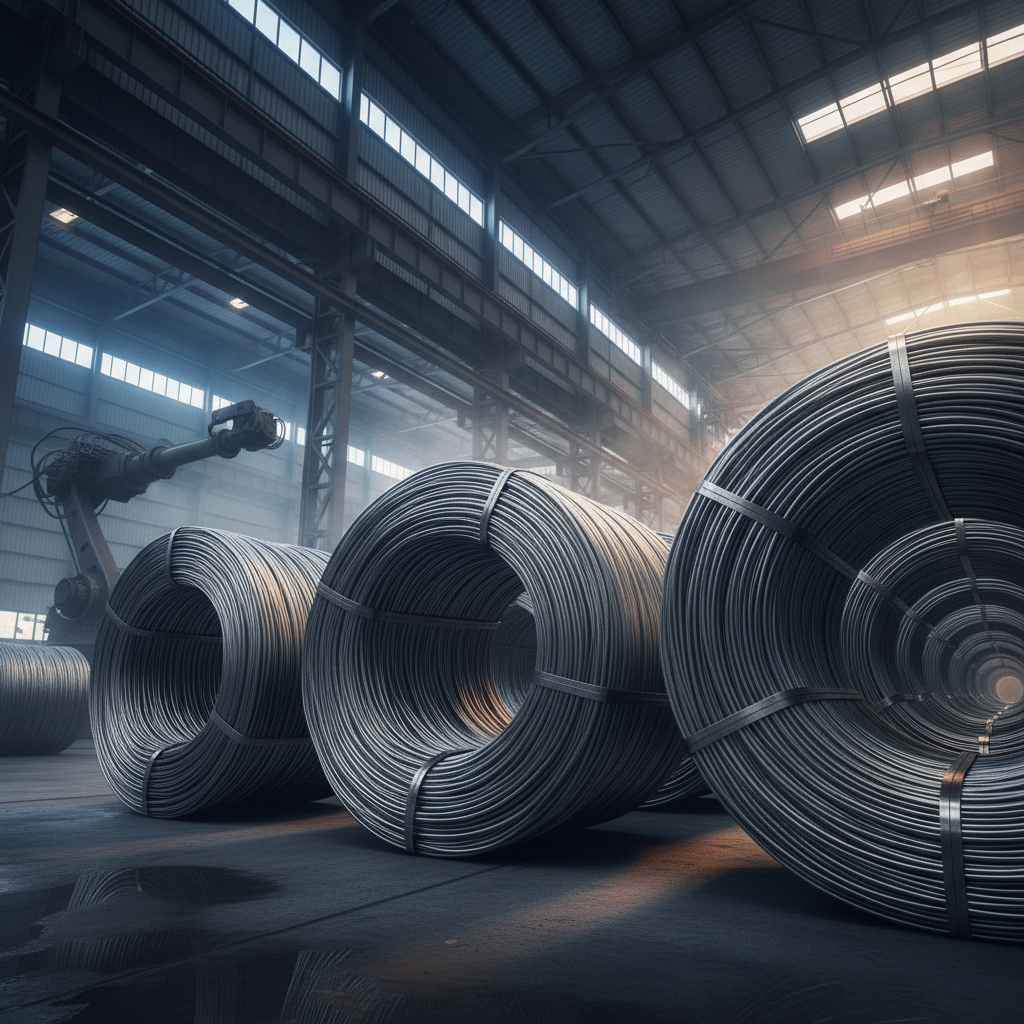
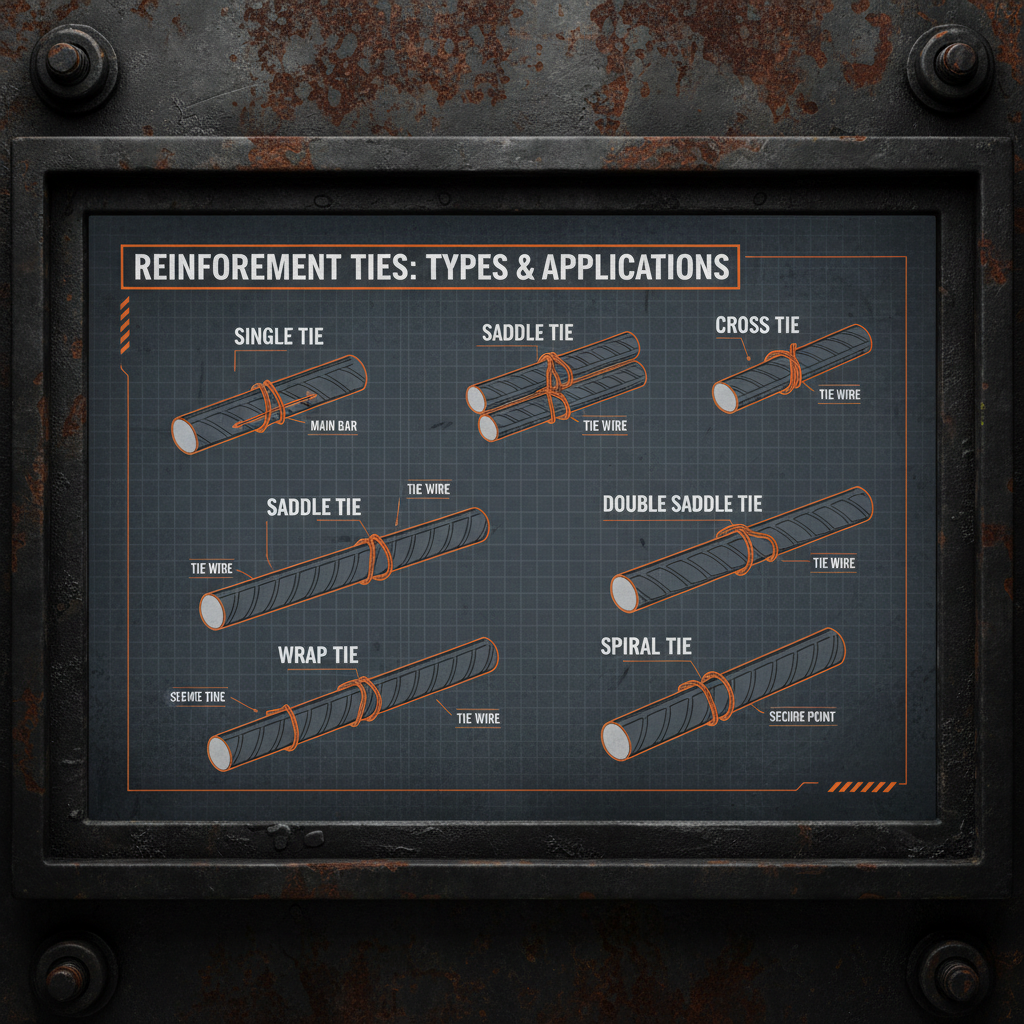
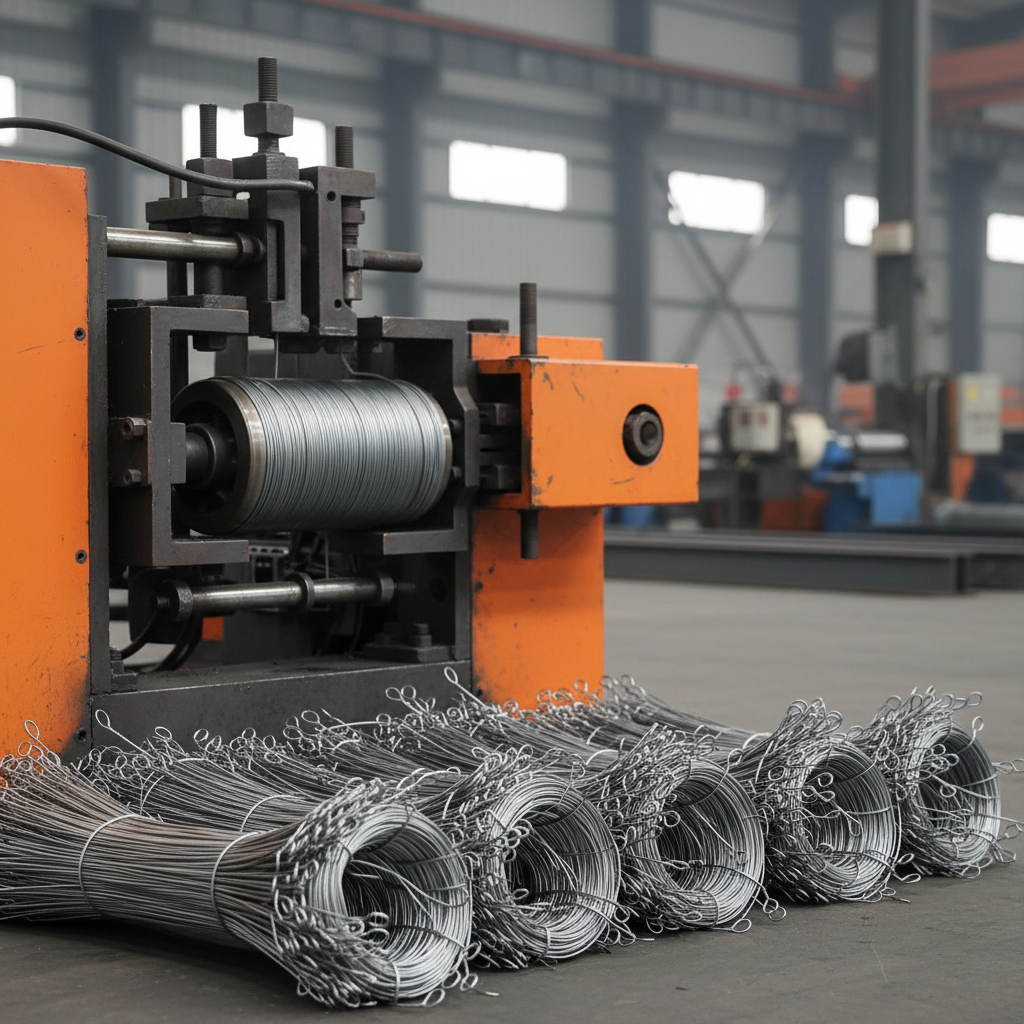
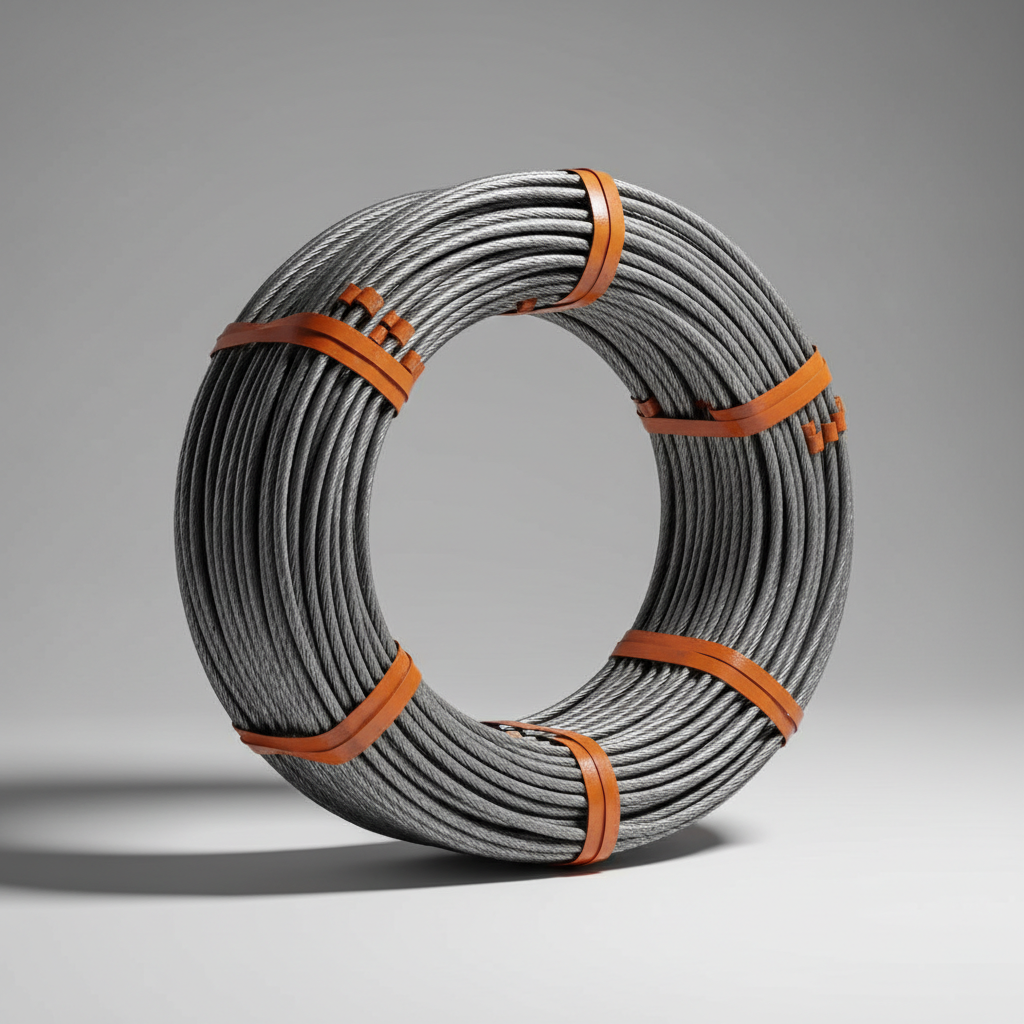
Stainless steel bailing wire is a versatile and robust fastening solution increasingly critical in a range of industries, from agriculture and waste management to construction and disaster relief. Its strength, corrosion resistance, and reusability make it a superior alternative to traditional materials like plastic or coated steel wire. Understanding the properties and applications of stainless steel bailing wire is vital for professionals seeking efficient, durable, and environmentally responsible solutions.
Globally, the demand for effective bundling and securing materials is constantly increasing, driven by logistical needs, resource recovery initiatives, and growing awareness of sustainability. Stainless steel bailing wire addresses this demand by offering a product with a longer lifespan and recyclability, reducing waste and minimizing environmental impact. Its ability to withstand harsh conditions also makes it invaluable in remote or challenging environments.
The adoption of stainless steel bailing wire isn’t simply a material upgrade; it represents a shift toward more resilient and responsible practices across multiple sectors. As businesses and organizations prioritize long-term cost-effectiveness and environmental stewardship, the role of this specialized wire will only continue to expand.
The Significance of Stainless Steel Bailing Wire
Stainless steel bailing wire plays a critical role in modern supply chains and resource management. Its ability to securely bundle and compress materials like recyclables, agricultural products, and industrial waste makes it essential for efficient transportation and storage. The demand for effective bundling solutions continues to grow, highlighting the increasing importance of this wire.
Beyond logistics, stainless steel bailing wire contributes to sustainability efforts. By enabling the efficient collection and processing of recyclable materials, it supports a circular economy and reduces landfill waste. Its durability also means fewer replacements, decreasing the overall environmental footprint compared to less robust alternatives.
Defining Stainless Steel Bailing Wire
Stainless steel bailing wire is a specialized type of wire crafted from stainless steel alloys, primarily designed for bundling and securing various materials. Unlike standard steel wire, it boasts exceptional resistance to corrosion, rust, and degradation, even when exposed to harsh environmental conditions or corrosive substances. This makes it ideal for both indoor and outdoor applications.
Its construction involves cold drawing stainless steel rods into the desired wire diameter, resulting in high tensile strength and elasticity. The specific alloy used can vary depending on the intended application, influencing factors like flexibility and resistance to specific chemicals. stainless steel bailing wire is thus a precision-engineered product tailored for demanding tasks.
This wire directly connects to modern industrial practices, providing a secure and reliable method for consolidating materials for shipping, storage, and processing. It also has significant humanitarian applications, such as securing tarpaulins in disaster relief efforts and supporting temporary shelter construction.
Core Characteristics and Composition
The defining characteristic of stainless steel bailing wire is its composition. Typically made from alloys containing iron, chromium (at least 10.5%), nickel, and other elements like molybdenum, manganese, and nitrogen, the chromium content forms a passive layer of chromium oxide on the surface, protecting the underlying metal from corrosion.
Different grades of stainless steel are used, with 304 and 316 being the most common for bailing wire applications. 304 offers excellent corrosion resistance in a wide range of environments, while 316 provides superior resistance to chlorides and other aggressive chemicals, making it suitable for marine or industrial settings. The choice of grade depends on the specific environmental factors.
Beyond corrosion resistance, stainless steel bailing wire exhibits high tensile strength, allowing it to withstand significant force without breaking. It’s also relatively ductile, meaning it can be bent and shaped without fracturing, facilitating ease of use in various bundling applications. These properties are crucial for maintaining the integrity of bundled materials during transport and storage.
Key Performance Attributes
Durability is a cornerstone of stainless steel bailing wire’s value. Unlike plastic or coated steel wires that can degrade over time, especially when exposed to UV radiation or harsh chemicals, stainless steel maintains its integrity for extended periods. This longevity translates to reduced replacement costs and minimized disruption to operations.
Another critical attribute is its reusability. Stainless steel bailing wire can often be unbundled and reused multiple times, providing significant cost savings and contributing to a more sustainable approach to resource management. This contrasts sharply with single-use plastic alternatives.
Comparison of Stainless Steel Bailing Wire Attributes
Diverse Global Applications
The applications of stainless steel bailing wire are incredibly diverse, spanning numerous industries worldwide. In the recycling sector, it’s used extensively to bundle cardboard, paper, plastics, and metals for efficient processing and transportation. This ensures that valuable materials are recovered and reused, minimizing landfill waste.
Agricultural operations utilize stainless steel bailing wire to secure bales of hay, straw, and other crops. Its strength and weather resistance are vital for protecting these materials during storage and transport, ensuring they remain usable for livestock feed or other purposes. In post-disaster relief operations, it serves as a crucial resource for securing tarpaulins and constructing temporary shelters.
Benefits and Long-Term Value Proposition
The advantages of using stainless steel bailing wire extend beyond its immediate functionality. From a cost perspective, its durability and reusability translate to lower long-term expenses compared to disposable alternatives. Reduced replacement frequency minimizes downtime and maintenance costs.
Furthermore, the environmental benefits are substantial. Stainless steel is a highly recyclable material, and using it supports a circular economy. The increased lifespan of the wire reduces waste generation, and its corrosion resistance eliminates the need for harmful coatings or treatments. This contributes to a more sustainable and responsible business model.
The inherent safety and reliability of stainless steel bailing wire also provide intangible benefits, instilling confidence in operations and minimizing risks associated with material failure.
Emerging Trends and Future Outlook
The future of stainless steel bailing wire is intertwined with advancements in materials science and sustainable practices. Ongoing research is focused on developing even more corrosion-resistant alloys and improving the wire’s tensile strength and ductility.
The integration of digital technologies, such as smart sensors embedded within the wire, could enable real-time monitoring of tension and potential failure points, further enhancing safety and reliability. Automated bailing and bundling systems are also gaining traction, optimizing efficiency and reducing labor costs.
As environmental regulations become stricter and the demand for sustainable solutions increases, the role of stainless steel bailing wire will become even more prominent. Its inherent recyclability and long lifespan align perfectly with the principles of a circular economy, positioning it as a key material for a more sustainable future.
Analysis of Factors Influencing Stainless Steel Bailing Wire Performance
| Alloy Composition |
Environmental Exposure |
Load Characteristics |
Maintenance Frequency |
| 304 Stainless Steel |
Mild Climate, Indoor Use |
Moderate Load, Consistent Weight |
Low (Occasional Inspection) |
| 316 Stainless Steel |
Coastal Environment, Outdoor Use |
Heavy Load, Variable Weight |
Medium (Regular Inspection) |
| 304L Stainless Steel |
Industrial Setting, Chemical Exposure |
Dynamic Load, Shock Absorption |
Medium-High (Frequent Inspection) |
| 316L Stainless Steel |
Marine Environment, Saltwater Exposure |
Extreme Load, High Stress |
High (Comprehensive Inspection) |
| Duplex Stainless Steel |
Highly Corrosive Environment |
High Tensile Requirements |
Medium (Preventive Maintenance) |
| Austenitic Stainless Steel |
General Purpose Applications |
Standard Load Capacity |
Low (Minimal Maintenance) |
FAQS
The primary difference lies in their corrosion resistance. 316 stainless steel contains molybdenum, which significantly enhances its resistance to chloride corrosion, making it ideal for marine environments or applications involving harsh chemicals. 304 offers excellent corrosion resistance in general environments but is less resistant to chlorides. Choosing the right alloy depends on the specific operating conditions.
Yes, a key benefit of stainless steel bailing wire is its reusability. Its durability and resistance to degradation allow it to be unbundled and reused several times, reducing waste and lowering long-term costs. However, the number of reuses will depend on the application, the severity of the loads applied, and the level of care taken during handling.
While “stainless” implies immunity to rust, it’s not entirely rust-proof. However, stainless steel is highly resistant to corrosion due to the formation of a passive chromium oxide layer. If this layer is damaged or exposed to extremely corrosive environments, surface rust can develop. Proper maintenance and choosing the correct alloy grade minimize this risk.
For heavy-duty applications requiring high tensile strength, a larger wire diameter is recommended. Typically, diameters ranging from 1.55mm to 2.5mm are used for bailing heavier materials. The specific diameter should be determined by the weight and type of material being bundled and the desired level of security. Consulting with a wire supplier is recommended.
Initially, stainless steel bailing wire is more expensive than plastic alternatives. However, considering its reusability, durability, and recyclability, the total cost of ownership is often lower. Plastic alternatives often require frequent replacement and contribute to landfill waste, increasing long-term costs and environmental impact.
Always wear appropriate safety gloves and eye protection when handling stainless steel bailing wire, as the ends can be sharp. Use wire cutters designed for stainless steel to avoid damaging the tools. Exercise caution when tensioning the wire, and ensure the bundling process is secure to prevent materials from shifting or falling.
Conclusion
In conclusion, stainless steel bailing wire offers a compelling combination of strength, durability, and sustainability. Its ability to securely bundle and compress materials, coupled with its corrosion resistance and reusability, makes it an invaluable asset across diverse industries, from recycling and agriculture to construction and disaster relief. Its long-term cost-effectiveness and positive environmental impact further solidify its position as a superior choice over traditional alternatives.
Looking ahead, continued innovation in alloy development and the integration of smart technologies will further enhance the performance and efficiency of stainless steel bailing wire. By embracing these advancements and prioritizing sustainable practices, businesses and organizations can leverage the full potential of this versatile material, contributing to a more resilient and responsible future. To explore our range of stainless steel bailing wire products and solutions, visit our website: www.wiremeshpro.com

 Phone:
 Email: