-
 Phone:
 -
 Email:
Hesco Bastion Barriers – Rapid Modular Flood & Blast Shield
Field Notes on Hesco Bastion: what matters in the real world
I’ve walked the yards in Hengshui—dust in the air, welders spitting sparks—and watched these defensive cells get stitched together. On paper it’s simple. In practice, the difference between a dependable barrier and an awkward steel box is all in the details. And yes, if you’re flood-fighting at 2 a.m. or hardening a perimeter, those details decide your sleep.
What is a Hesco Bastion in practice?
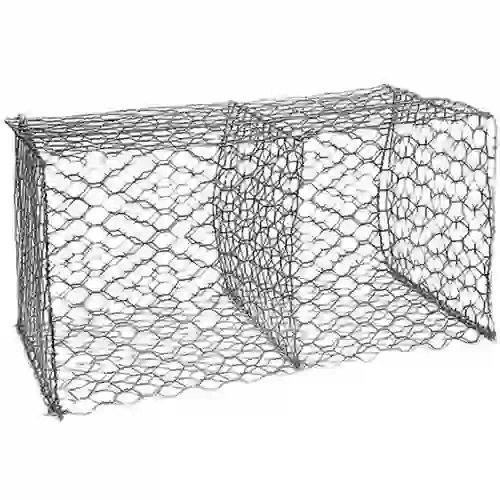
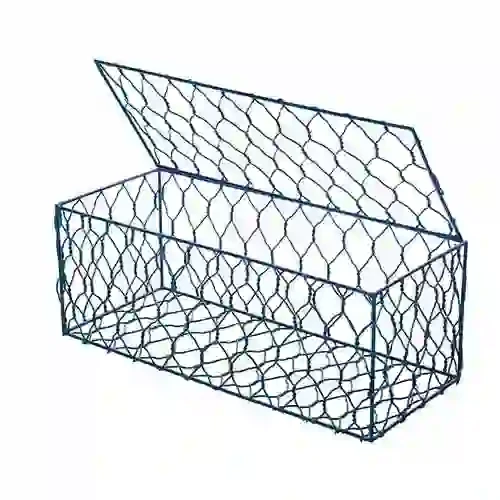
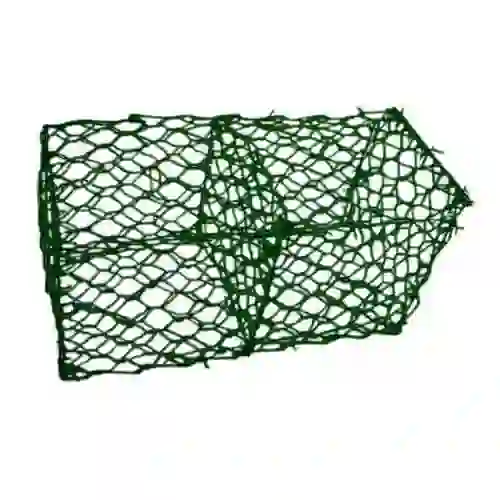
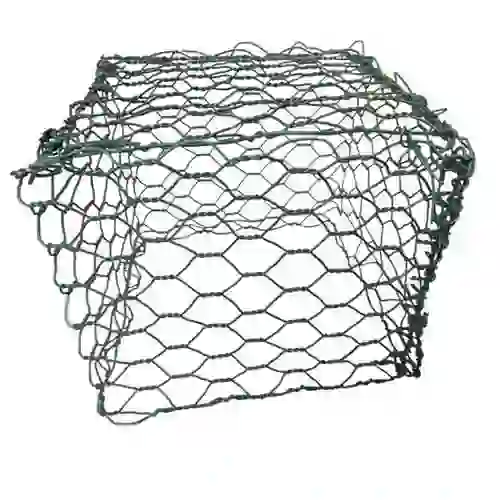
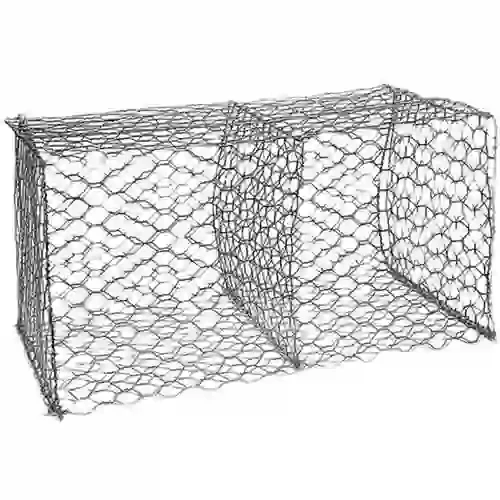
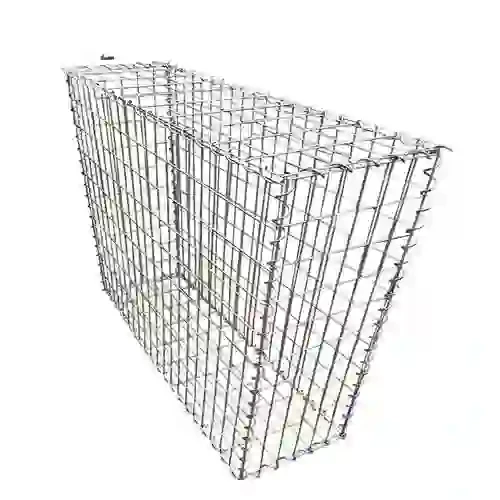
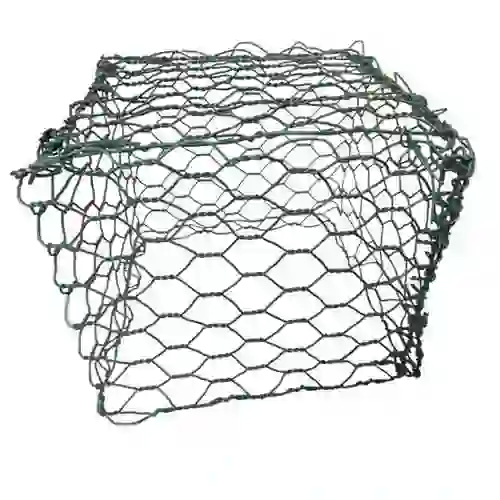
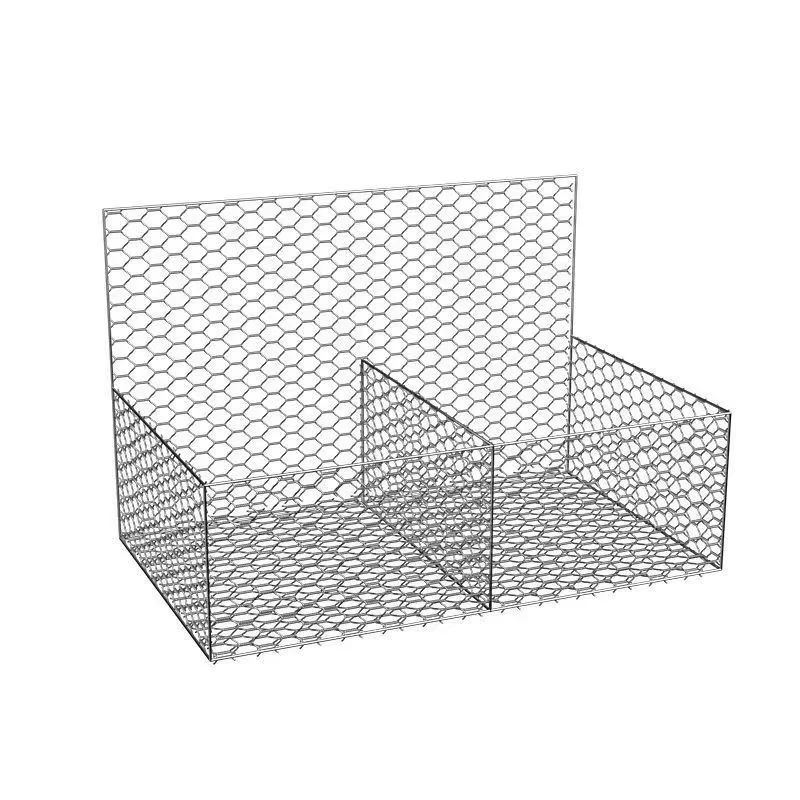
Modular defensive cells: welded steel mesh panels, hinged and pinned, with a UV-stabilized nonwoven geotextile liner. You deploy, fill with local material (sand, gravel, spoil), and you’re in business—blast mitigation, small-arms protection, or flood containment. It seems basic; actually, there’s a surprising amount of engineering behind the wire diameter, weld shear, and liner tear strength.
Quick specifications (typical)
| Module sizes | MIL1–MIL10 style; ≈ 1.37–10 m length, 0.6–1.37 m height, 1.0 m depth (real-world use may vary) |
| Mesh | Welded wire, ~75×75 mm aperture; wire Ø ≈ 4.0–5.0 mm; tensile ≈ 550–700 MPa |
| Coating | Zn-5%Al (Galfan) or hot-dip galvanized; optional powder topcoat for coastal glare control |
| Liner | Nonwoven polypropylene, UV-stabilized, ≈ 250–350 g/m²; stitched seams |
| Connectors | Spiral joints or helical pins; corrosion-matched |
| Origin | Northeast Corner Of Xiwangzhuang Village, Hengshui, Hebei, China |
| Service life | ≈ 5–25 years depending on fill, UV, salinity, abrasion |
Process & testing (the unglamorous parts that matter)
- Materials: low-carbon steel wire; Galfan coating to ASTM A856/A856M; PP liner with UV stabilizers.- Welding & forming: resistance-welded panels; aperture tolerance typically ±2–3 mm; spirals formed and deburred.
- Assembly: liner stitched and riveted to panels; flat-packed for containerization to cut freight.
- Tests: wire tensile (ASTM A370), coating mass and adhesion (ASTM A856); liner tensile/elongation (ISO 10319), UV retention (ASTM D4355); optional salt-spray (ASTM B117) for comparative corrosion checks.
- Design references: blast/fragmentation design per UFC 3-340-02; many buyers also ask for NATO/host-nation survivability notes, to be honest, and that’s fair.
Where Hesco Bastion gets used
- Military/Camp hardening: perimeter walls, sangars, ECPs, HESCO revetments.- Flood defense: rapid levee build-outs, riverbank reinforcement, scour control.
- Infrastructure: transformer yards, pipeline valve stations, data centers (temporary or semi-permanent shields).
- Civil works & events: temporary retaining, vehicle barriers; not pretty, but effective.
Advantages I actually see on site
- Speed: one team with a telehandler can place 200–400 m of wall per shift (terrain dependent).- Predictable geometry: straight lines and right angles make stacking and topping with capping beams easier.
- Repairability: swap a panel or re-line a cell; you don’t junk the whole run.
- Local fill: use what you’ve got—sand, gravel, even crushed demolition if graded.
Vendor snapshot (indicative)
| Vendor | Coating & wire | Certifications | Lead time | Notes |
| WireMeshPro (Hebei) | Galfan, 4–5 mm, weld shear tested | ISO 9001/14001 (typ.) | 2–4 weeks | Good liner stitching, tidy spirals |
| Tier-1 brand (import) | Premium Galfan + options | Extensive test library | Stock-dependent | Higher price, fast deployment kits |
| Generic OEM | Mixed galvanizing | Varies | 3–6 weeks | Check weld shear and liner GSM |
Customization
- Heights 0.6–2.1 m, double-stacking for berms.- Sand-tan or OD liners; low-glare mesh topcoat for coastal sites.
- Preassembled gates, corner kits, geogrid caps if you like neat finishes.
Case notes (short and honest)
- Sahel base: 1.37 m units, 2-high. Crew reported ≈ 40% faster than sandbags; no liner tears after 6 months of UV, which is saying something.- Midwestern floodwall: 1.0 m cells along 1.2 km. Overtop at one low spot, but panels held; county switched to thicker liner spec the next season. Many customers say the learning curve is basically one storm.
Buying checklist
- Ask for wire MTRs and coating standard (ASTM A856).- Liner datasheet: GSM, tensile (ISO 10319), UV retention (ASTM D4355).
- Weld shear test and a simple salt-spray comparison if you’re coastal.
- Reference to UFC 3-340-02 for your risk assumptions (blast/flyrock).
Citations:
- UFC 3-340-02: Structures to Resist the Effects of Accidental Explosions, U.S. DoD (with USACE/NAVFAC), current edition.
- ASTM A856/A856M: Standard Specification for Steel Wire, Zn-5% Al-Mischmetal Alloy-Coated (Galfan) for Mechanical Applications.
- ISO 10319: Geosynthetics — Wide-width tensile test, 2015.
- ASTM D4355: Deterioration of Geotextiles from Exposure to UV Light and Water (Xenon-Arc).
- ASTM B117: Standard Practice for Operating Salt Spray (Fog) Apparatus.
-
Quality Black Wire Clothes Hangers for Home and Retail UseNewsApr.16,2026
-
Premium Rose Gold Wire Hangers for Luxury Closet OrganizationNewsApr.09,2026
-
Elevate Your Closet with Stylish Rose Gold Metal Coat HangersNewsApr.07,2026
-
Optimize Your Business with Durable White Wire Clothes HangersNewsApr.04,2026
-
Comprehensive Guide to Buy Wire Clothes Hangers for Optimal Closet OrganizationNewsMar.31,2026
-
Find the Best Deals and Options to Buy Wire Hangers for All Your NeedsNewsMar.28,2026
-
Find the Best Deals to Buy Wire Coat Hangers for Your NeedsNewsMar.26,2026