-
 Phone:
 -
 Email:
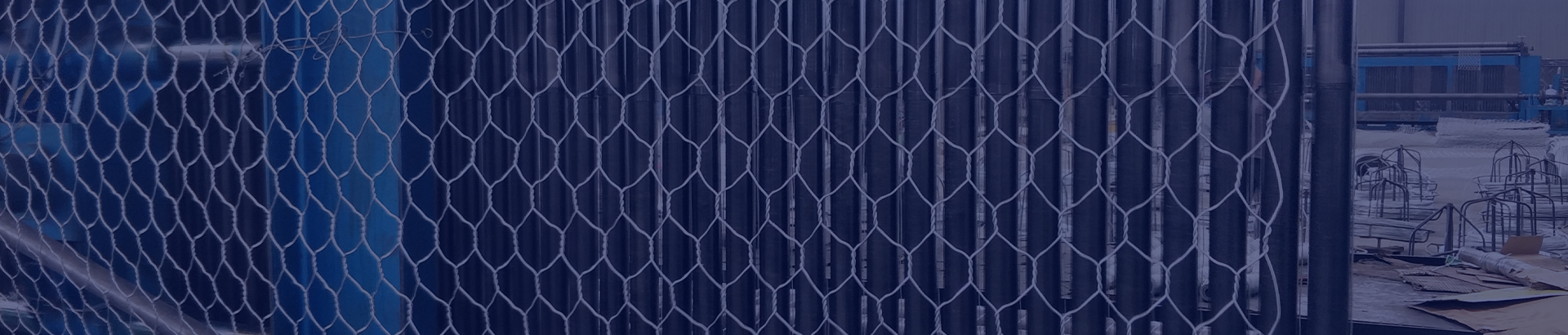
Wire Mesh Rock Retaining Wall | Galvanized, DPWH Ready
Field Notes on a Wire Mesh Rock Retaining Wall Done Right
If you’ve ever walked a riverbank after a storm and seen the slope still sitting tight, odds are you were looking at a Wire Mesh Rock Retaining Wall—the dependable workhorse also known as a gabion wall. I’ve watched this category quietly evolve over the past decade: better coatings, smarter assembly methods, and (surprisingly) a push for sustainability.
What’s trending
Two big shifts: Galfan-coated wire (Zn–Al alloy) for longer life, and faster on-site lacing systems that trim install time by 10–20%. There’s also a move toward locally sourced stone to cut embodied carbon, which clients appreciate—especially on public works.
Product snapshot (Gabion mesh)
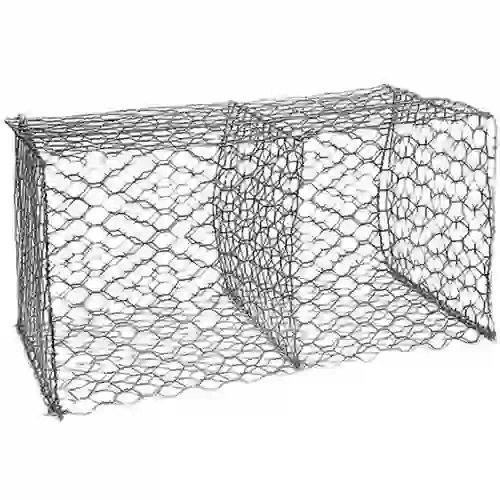
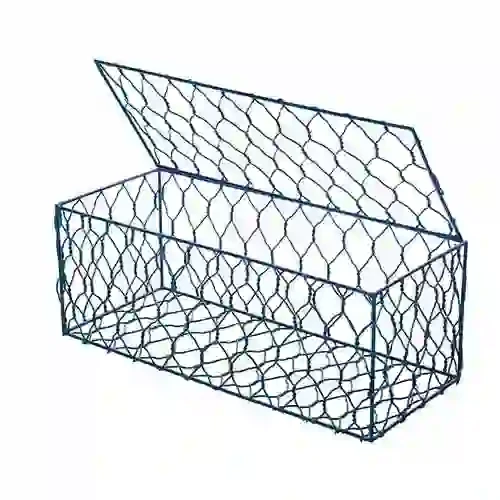
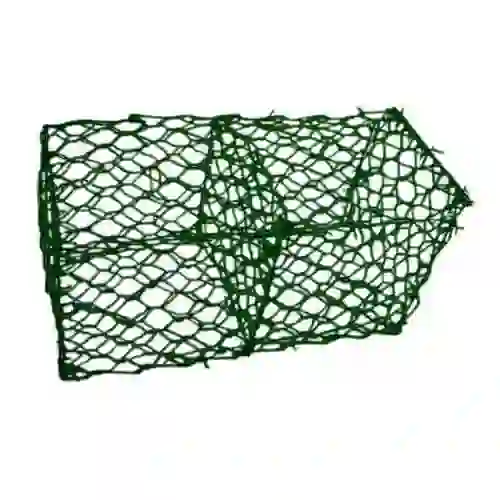
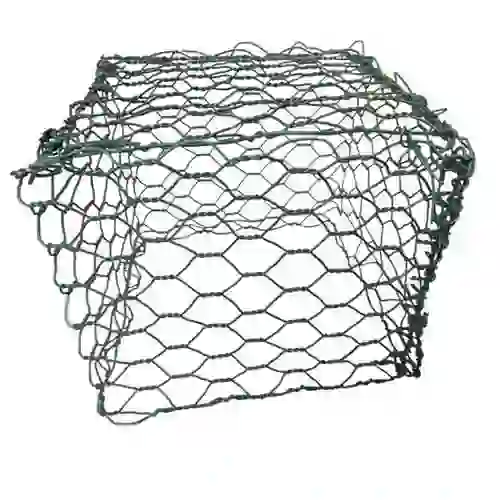
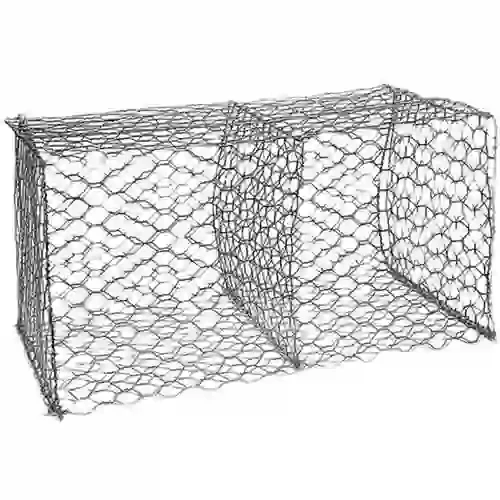
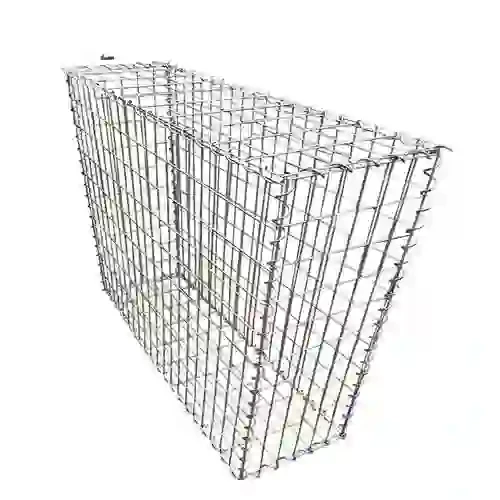
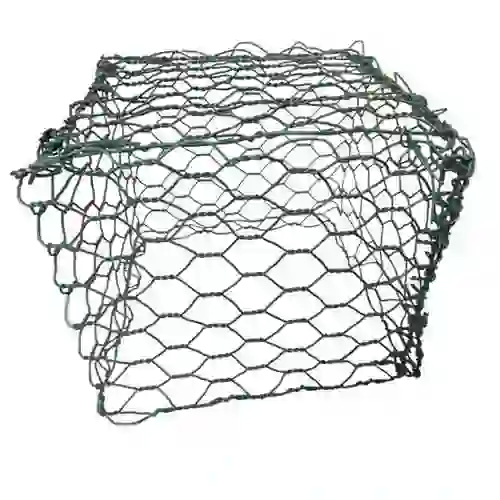
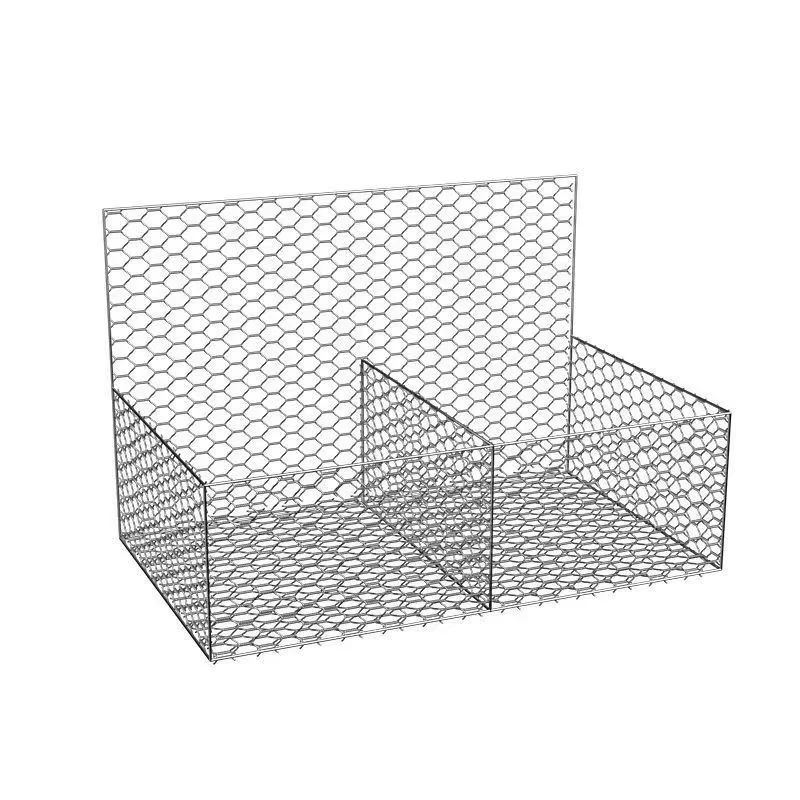
Origin: Northeast Corner Of Xiwangzhuang Village, Hengshui, Hebei, China. The line item is billed as “Innovative Gabion Mesh: Versati…”—a nod to versatility, I guess. In practice, it’s the classic double-twisted hexagonal mesh boxes for a Wire Mesh Rock Retaining Wall.
| Spec | Typical Value (≈, real-world use may vary) |
|---|---|
| Mesh type / aperture | Double-twist hex; 60×80, 80×100, 100×120 mm |
| Wire grades | Low-carbon steel (Q195/Q235); Galfan (5%–10% Al-Zn); optional PVC/PE coat |
| Coating mass | Zn ≥ 240 g/m² (standard), Galfan ≥ 255 g/m²; PVC ≈ 0.5–0.8 mm |
| Box sizes | 2×1×1 m; 3×1×1 m; custom on request |
| Tensile strength | 350–550 MPa (wire), per ASTM A975/EN 10223‑3 |
| Service life | 30–75 years depending on environment (C2–C4) and coating |
Where it shines
Highway cut slopes, rail embankments, river training, culvert inlets, coastal toe protection, mine tailings embankments, and even landscape tiers. Many customers say maintenance is basically “check the lacing after flood season.”
Why engineers pick it
- Permeable and flexible—dissipates energy, resists differential settlement.
- Bio-friendly—voids encourage vegetation (a quiet win for erosion control).
- Cost predictable—stone is local, labor is straightforward.
Process flow (how it’s built)
Materials: Q195/Q235 low-carbon steel wire → hot-dip zinc or Galfan → optional PVC/PE jacket. Methods: double-twist weaving, diaphragms every 1 m, selvedge wire heavy gauge. Testing: coating mass (EN 10244‑2), aperture tolerance (EN 10223‑3), tensile and elongation (ASTM A975 [1]), salt spray (ISO 9227 [3]). On site: foundation trim, geotextile, box assembly, pre-tension, lift-and-fill with well-graded stone (D50 ≈ 100–200 mm), lid stitch. QC punchlist and as-builts at handover.
Field data (typical)
Salt spray on Galfan + PVC: >3,000 h with no red rust [3]. Box shear resistance up to 500–800 kN/m (array-dependent). Install time: around 25–40 minutes per 2×1×1 m unit with pneumatic lacing—faster than manual spirals, to be honest.
Vendor snapshot
| Vendor | Coating | Lead Time | Certs | QC/Testing | Notes |
|---|---|---|---|---|---|
| WireMeshPro (Hebei) | Zn, Galfan, PVC-coated | ≈ 2–4 weeks | ISO 9001/14001 (claimed) | ASTM A975, EN 10223‑3, ISO 9227 | Custom apertures and diaphragms |
| Competitor A | Zn, PVC | 3–6 weeks | ISO 9001 | EN 10223‑3 | Good EU stock |
| Competitor B | Galfan | ≈ 4 weeks | CE (project-based) | ISO 9227 | Premium pricing |
Customization
Custom mesh apertures (e.g., 70×90 mm for odd rock sizes), reinforced edges, biodegradable geotextile liners, and pre-assembled “mattress” panels for river aprons. For a tall Wire Mesh Rock Retaining Wall, specify double diaphragms and heavier selvedge wire.
Case notes
County levee, 2023: 180 m of Wire Mesh Rock Retaining Wall using Galfan + PVC boxes. After two flood events, no observed deformation; vegetation colonized within six months. Contractor said switching to pneumatic clips saved “about a day and a half” on a small crew.
Standards and compliance
Designers typically call up ASTM A975 for gabions, EN 10223‑3 for hex mesh fabrication, and ISO 9227 for corrosion testing. Add project QA: mill certs, coating mass reports, aperture gauge logs, and a brief O&M note for inspections. Simple, effective.
Citations
- ASTM A975 – Standard Specification for Double-Twisted Hexagonal Mesh Gabions and Revet Mattresses. https://www.astm.org/a0975
- EN 10223-3 – Steel wire and wire products for fencing and netting: Hexagonal steel wire netting. https://standards.iteh.ai/catalog/standards/cen/
- ISO 9227 – Corrosion tests in artificial atmospheres: Salt spray tests. https://www.iso.org/standard/63543.html
- FHWA – Mechanically Stabilized Earth Walls and Reinforced Soil Slopes (NHI-07-092). https://www.fhwa.dot.gov/engineering/geotech/pubs/nhi07092/
-
Quality Black Wire Clothes Hangers for Home and Retail UseNewsApr.16,2026
-
Premium Rose Gold Wire Hangers for Luxury Closet OrganizationNewsApr.09,2026
-
Elevate Your Closet with Stylish Rose Gold Metal Coat HangersNewsApr.07,2026
-
Optimize Your Business with Durable White Wire Clothes HangersNewsApr.04,2026
-
Comprehensive Guide to Buy Wire Clothes Hangers for Optimal Closet OrganizationNewsMar.31,2026
-
Find the Best Deals and Options to Buy Wire Hangers for All Your NeedsNewsMar.28,2026
-
Find the Best Deals to Buy Wire Coat Hangers for Your NeedsNewsMar.26,2026