-
 Phone:
 -
 Email:
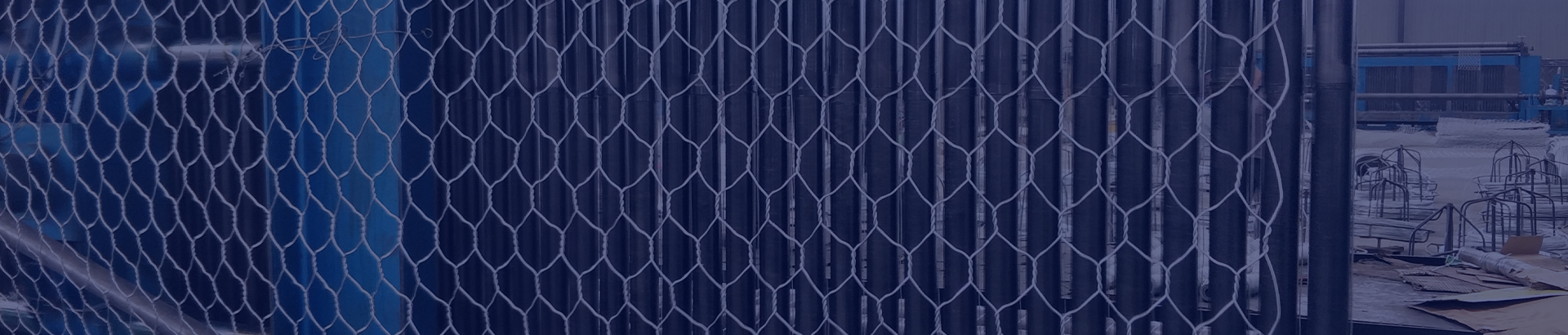
High-Strength Rock Mesh Retaining Walls for Erosion Control
Industry Trends in Geotechnical Engineering and Erosion Control
The global demand for resilient and sustainable infrastructure solutions is rapidly expanding, driven by urbanization, climate change impacts, and the need for cost-effective land management. In this evolving landscape, the role of engineered earth retention systems has become paramount. Specifically, the adoption of rock mesh retaining wall systems is seeing significant growth across various sectors. These systems, also known by terms such as rock netting DPWH (Department of Public Works and Highways, often referencing governmental infrastructure projects), rock wall with wire mesh, wire mesh baskets retaining walls, and wire mesh rock fence, offer a versatile and environmentally sensitive approach to slope stabilization, erosion control, and structural support.
Current industry trends emphasize solutions that are not only structurally sound but also offer long-term durability, minimal environmental footprint, and ease of installation. With increasing scrutiny on material sourcing and project life cycles, engineering firms and governmental agencies are increasingly specifying systems that integrate natural elements, provide effective drainage, and can adapt to dynamic site conditions. This shift underscores the value proposition of mesh-based retaining structures, which inherently combine these critical attributes, making them a preferred choice for modern geotechnical challenges.
Understanding the Rock Mesh Retaining Wall: Technical Parameters
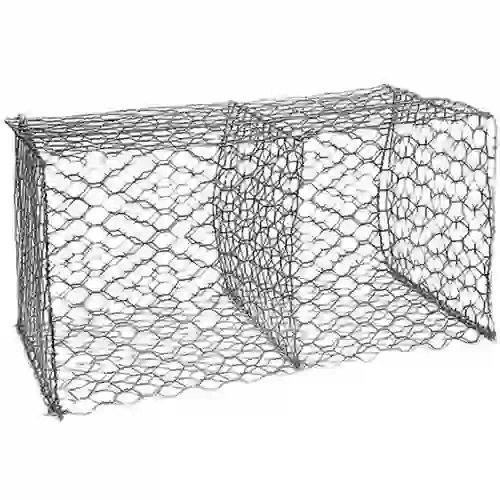
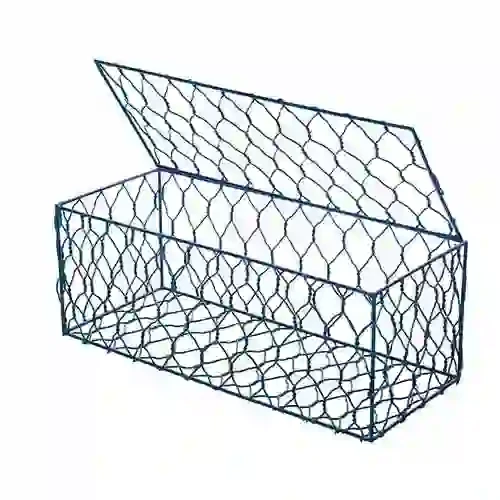
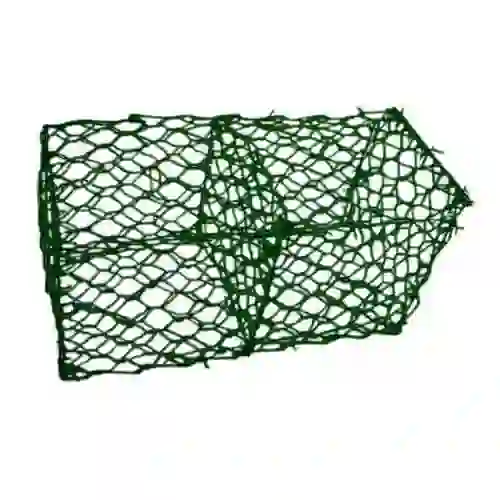
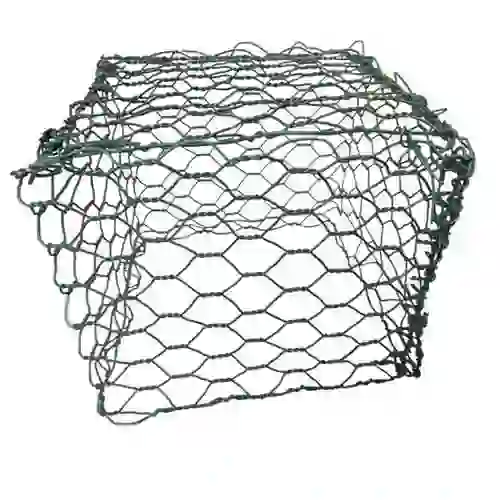
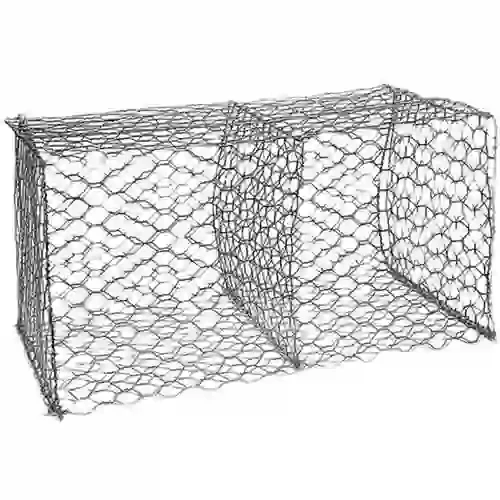
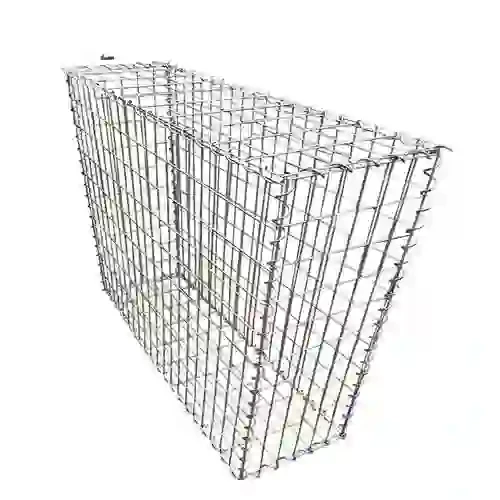
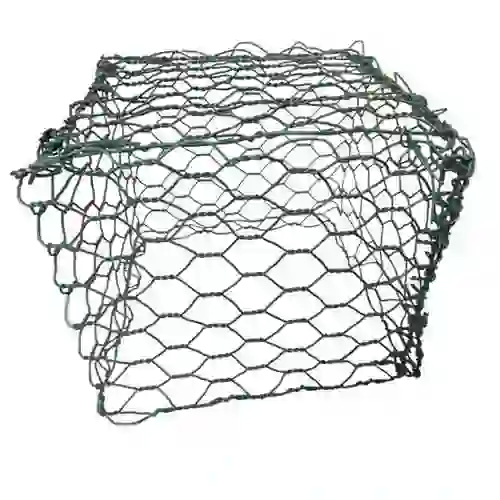
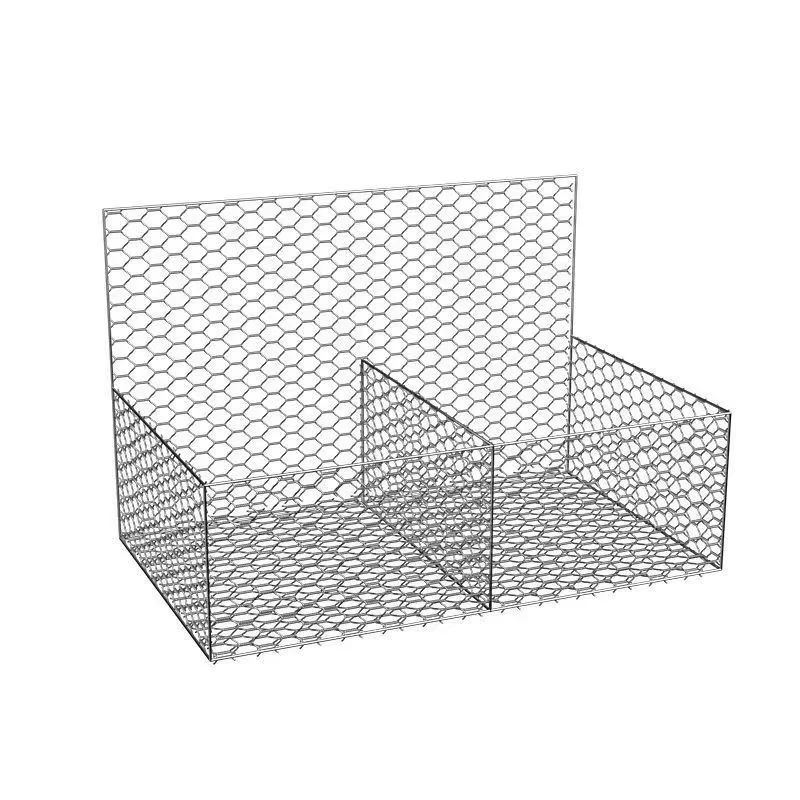
A rock mesh retaining wall fundamentally consists of wire mesh baskets (gabions) or rolls (rockfall netting) filled with local rock or stone. This modular construction creates a permeable, flexible, and robust structure capable of resisting hydrostatic pressures and accommodating differential settlement without compromising structural integrity. The design and performance of these systems are dictated by precise technical specifications, ensuring their suitability for diverse and demanding applications.
Key Product Specifications: Gabion Basket for Retaining Walls
| Parameter | Specification | Industry Standard (Typical) |
|---|---|---|
| Wire Material | Low Carbon Steel Wire (ASTM A641/A975) | EN 10223-3, ASTM A975 |
| Wire Diameter (Mesh) | 2.2 mm – 4.0 mm (0.087 - 0.157 in) | ± 0.06 mm Tolerance |
| Wire Diameter (Selvedge) | Typically 0.5-1.0 mm thicker than mesh wire | Ensures structural rigidity |
| Mesh Type | Double-Twisted Hexagonal Mesh | Prevents unraveling if wire is cut |
| Mesh Opening Size (HxW) | 60x80 mm, 80x100 mm, 100x120 mm (2.4x3.1 to 3.9x4.7 in) | Optimized for rock retention & flexibility |
| Corrosion Protection | Heavy Galvanization (Zinc coating > 240 g/m²) or Galfan (Zn-5%Al-MM) + PVC Coating (min. 0.5 mm thick) | EN 10244-2, ASTM A974 |
| Tensile Strength | Minimum 380-550 MPa for wire | ASTM A641, EN 10223-3 |
| Box Sizes (Standard L x W x H) | 2x1x1m, 3x1x1m, 4x1x1m, 2x1x0.5m, etc. | Custom sizes available |
These specifications are crucial for ensuring the long-term performance and stability of the retaining structure, particularly in challenging environmental conditions such as coastal areas, riverbanks, or regions prone to seismic activity. High-quality materials and rigorous adherence to international standards like ISO 9001 and ASTM ensure structural integrity and extended service life.
Manufacturing Process Flow for Wire Mesh Retaining Systems
The production of high-quality rock mesh retaining wall systems, such as gabion baskets or rockfall mesh, involves a series of precision-engineered steps. Unlike traditional heavy steel fabrication, the process focuses on wire drawing, coating, weaving, and assembly to create durable, flexible, and robust structures suitable for geotechnical applications. The typical process flow is as follows:
Step 1: Wire Rod Inspection & Drawing
High-tensile wire rod is inspected for material composition and defects. It's then cold-drawn to precise wire diameters (e.g., 2.2mm to 4.0mm).
Step 2: Corrosion Protection Application
The drawn wire undergoes hot-dip galvanization (heavy zinc coating) or Galfan (Zinc-5%Aluminum-Mischmetal alloy) coating for superior corrosion resistance. For aggressive environments, an additional PVC coating is applied.
Step 3: Double-Twisted Weaving
Coated wires are fed into specialized weaving machines that produce double-twisted hexagonal mesh. This ensures non-raveling properties, crucial for retaining wall integrity.
Step 4: Cutting, Edge Reinforcement & Assembly
The woven mesh is cut to size for gabion panels and diaphragms. Stronger selvedge wires are integrated along the edges for reinforcement. Panels are then pre-assembled into flat-pack units.
Step 5: Quality Control & Packaging
Each batch undergoes rigorous testing, including wire tensile strength, coating thickness, mesh opening accuracy, and overall dimension checks, adhering to ISO 9001 and relevant ASTM/EN standards. Products are then folded and packed for shipping.
Service Life & Target Industries: The service life of galvanized gabions typically ranges from 25-50 years, while PVC-coated variants can exceed 75 years, even in harsh environments. These robust solutions are widely utilized in target industries such as civil engineering, hydropower, transportation infrastructure (roads, railways), mining, petrochemical (for slope stability around facilities), and critically, water supply & drainage for river and canal bank protection. Their inherent corrosion resistance and ability to dissipate energy (e.g., from flowing water) make them ideal for these demanding sectors.
Application Scenarios for Rock Mesh Retaining Walls
The versatility of rock mesh retaining wall systems allows for their deployment in a multitude of critical engineering applications. Their adaptability to site-specific conditions and environmental factors makes them a preferred solution where both structural integrity and ecological integration are paramount.
- Riverbank and Channel Stabilization: Essential for preventing erosion and scour along waterways, gabion walls provide a flexible, permeable structure that dissipates hydraulic energy, maintains natural water flow, and supports riparian vegetation. This is a primary application for systems like the Riverbank Stabilization Structure.
- Road and Railway Embankment Protection: Used extensively to stabilize slopes adjacent to transportation corridors, preventing landslides, rockfalls, and erosion that could compromise safety and operational efficiency. The robust nature of a wire mesh rock fence makes it ideal for these demanding environments.
- Slope Reinforcement and Landslide Mitigation: In areas prone to slope instability, gabion walls or terraced gabion structures provide significant mass and structural support, effectively preventing shallow and deep-seated landslides. This is often seen in large-scale governmental projects like rock netting DPWH initiatives.
- Erosion Control in Urban and Rural Developments: From protecting foundations in construction sites to stabilizing agricultural terraces, these systems prevent soil loss and maintain landscape integrity.
- Architectural and Landscaping Features: Beyond their functional benefits, rock walls with wire mesh are increasingly used in modern landscaping for aesthetic retaining walls, sound barriers, and decorative elements, blending natural textures with engineered strength.
- Culvert Headwalls and Bridge Abutments: Providing durable and effective protection for critical infrastructure components, gabion structures offer a flexible alternative to rigid concrete.
These diverse applications underscore the adaptability and economic viability of mesh-based retaining solutions in addressing a broad spectrum of geotechnical challenges.
Technical Advantages of Rock Mesh Retaining Systems
The strategic deployment of a rock mesh retaining wall offers a compelling suite of technical and environmental advantages over traditional rigid retaining structures. These benefits contribute to enhanced project longevity, reduced lifetime costs, and superior performance in dynamic geotechnical environments.
- Flexibility and Adaptability: Unlike rigid concrete walls, gabion structures are inherently flexible. They can tolerate differential settlement without cracking or structural failure, making them ideal for unstable foundations or seismically active regions. This "give" in the structure helps absorb ground movement.
- Permeability and Drainage: The voids within the rock-filled mesh allow for excellent drainage, preventing the buildup of hydrostatic pressure behind the wall. This negates the need for complex, costly drainage systems, enhancing stability and reducing the risk of erosion. This passive drainage also contributes to energy saving by avoiding active pumping systems.
- Durability and Longevity: With high-quality galvanized and PVC-coated wires, these systems offer exceptional corrosion resistance, extending their service life significantly, even in aggressive environments (e.g., saltwater, industrial runoff). The robust double-twisted mesh ensures integrity even if individual wires are cut.
- Environmental Compatibility and Aesthetics: Gabion walls naturally integrate with the landscape, allowing for vegetation growth within the rock fill over time, which further strengthens the structure and enhances biodiversity. This natural aesthetic is often preferred in environmentally sensitive areas.
- Cost-Effectiveness: Utilizing locally sourced rock fill significantly reduces material transportation costs. The relatively simple construction process, which often does not require specialized skilled labor or heavy machinery, contributes to lower overall project costs and faster completion times.
- Energy Dissipation: In riverine or coastal applications, the permeable and rough surface of gabion structures effectively dissipates the energy of flowing water or waves, reducing scour and erosion more effectively than smooth, rigid surfaces. This is a form of passive energy saving by reducing destructive forces.
These combined advantages position mesh-based retaining systems as a leading choice for sustainable, resilient, and economically sound geotechnical engineering projects.
Vendor Comparison: Selecting the Right Rock Mesh Retaining Wall Supplier
Choosing the right supplier for rock mesh retaining wall systems is crucial for project success, impacting material quality, technical support, and overall cost-effectiveness. A thorough comparison of vendors should extend beyond initial price to encompass product reliability, adherence to standards, and after-sales service. Below is a comparative overview of typical vendor offerings:
Comparative Analysis of Wire Mesh Retaining Wall Suppliers
| Feature/Criteria | Our Offering (Example) | Typical Competitor A | Typical Competitor B |
|---|---|---|---|
| Wire Material & Coating | Heavy Galfan (Zn-5%Al-MM) + 0.5mm PVC coating; ASTM A975 compliant. | Heavy Galvanized only; ASTM A641 compliant. | Standard Galvanized + thin PVC (less than 0.5mm). |
| Mesh Type | Superior Double-Twisted Hexagonal; Non-raveling. | Standard Double-Twisted Hexagonal. | Welded Wire Mesh (less flexible, prone to single-point failure). |
| Design & Engineering Support | Full CAD drawings, structural analysis, on-site consultation. | Basic product specifications, limited design advice. | Product catalog only, no engineering support. |
| Certifications & Standards | ISO 9001, ASTM A975, EN 10223-3, ISO 14001. | ISO 9001. | No clear international certifications stated. |
| Customization Options | Extensive (mesh size, wire diameter, coatings, gabion dimensions). | Limited to standard dimensions. | Minimal. |
| Lead Time & Logistics | Optimized production, global logistics network, reliable delivery schedules. | Standard lead times, regional delivery. | Variable lead times, limited logistics. |
Our commitment to advanced materials, rigorous testing, and comprehensive technical support ensures that our products not only meet but often exceed industry benchmarks. This translates into greater project reliability, extended service life, and ultimately, a superior return on investment for our clients. We actively partner with leading consulting engineers and construction firms, providing solutions that align with the most stringent project requirements.
Customized Solutions for Complex Geotechnical Challenges
Recognizing that no two geotechnical projects are identical, we specialize in providing highly customized rock mesh retaining wall solutions. Standard gabion sizes and mesh configurations are suitable for many applications, but complex terrain, unique hydrological conditions, or specific aesthetic requirements often demand tailored designs. Our engineering team collaborates closely with clients from the conceptual phase through to implementation to ensure optimal performance and integration.
Customization options include:
- Varied Wire Diameters and Mesh Openings: To accommodate different rock sizes, site conditions, and structural demands (e.g., higher impact resistance).
- Specialized Corrosion Protection: Beyond standard galvanization and PVC, we can offer specific alloy coatings or multi-layer protection for extreme marine or chemical environments.
- Non-Standard Gabion Dimensions and Shapes: Custom lengths, widths, and heights, including trapezoidal or stepped designs for specific slope angles or architectural integration.
- Integrated Geotextile or Geomembrane Layers: For enhanced filtration, separation, or impermeable barriers within the gabion structure.
- Hybrid Systems: Combining gabion walls with other geotechnical elements such as soil nailing, reinforced earth, or bioengineering solutions for comprehensive slope stabilization.
Our approach emphasizes robust engineering analysis, including finite element modeling where necessary, to validate custom designs against specific load cases and environmental stressors. This commitment to bespoke solutions ensures maximum effectiveness and longevity for every project.
Application Case Studies: Proven Performance in Real-World Scenarios
Our extensive experience in geotechnical solutions is evidenced by numerous successful projects globally. The following case studies highlight the practical application and benefits of our rock mesh retaining wall systems.
Case Study 1: Major Riverbank Stabilization Project, Southeast Asia
- Challenge: A critical section of a major river, adjacent to a populated area, experienced severe erosion during monsoon seasons, threatening infrastructure and residential properties. Traditional rigid concrete solutions were deemed environmentally intrusive and economically prohibitive.
- Solution: We supplied thousands of custom-sized (3x1x1m and 2x1x0.5m) Galfan+PVC coated gabion baskets (wire diameter 2.7/3.7mm, mesh 80x100mm) for a stepped rock mesh retaining wall system. Local river stones were used as fill material.
- Outcome: The project successfully stabilized over 2 kilometers of riverbank. The gabion structure's flexibility accommodated ground settlement, while its permeability effectively managed hydrostatic pressure, preventing further erosion. The vegetated gabion faces blended naturally with the environment, enhancing local biodiversity. This solution, completed within a tight 8-month schedule, proved to be 30% more cost-effective than concrete alternatives, and has withstood multiple severe flood events over the past 10 years with zero structural failures.
Case Study 2: Mountain Road Slope Protection, European Alps
- Challenge: A steep mountain road segment was highly susceptible to rockfalls and shallow landslides, particularly during winter thaws and heavy rainfall, posing significant risks to traffic and requiring frequent maintenance.
- Solution: Our team designed and supplied specialized heavy-duty gabion retaining walls (4.0mm Galfan wire) combined with high-tensile steel wire mesh rockfall netting (also a form of wire mesh rock fence) for the upper slopes. The gabion walls provided basal support, while the netting secured loose rocks on the steeper sections.
- Outcome: The integrated solution drastically reduced incidents of rockfall and slope failure. The flexibility of the mesh systems allowed for natural ground movements without damage. The use of local stone as fill reduced transport emissions by 40% compared to importing pre-cast elements. The project has been in service for 15 years, requiring only minimal localized maintenance, demonstrating exceptional long-term stability in a challenging alpine environment.
Frequently Asked Questions (FAQ)
Q1: What is the typical service life of your rock mesh retaining wall systems?
A1: Our heavy galvanized gabions typically last 25-50 years. For more aggressive environments, our Galfan+PVC coated systems offer a service life exceeding 75 years, thanks to superior corrosion protection.
Q2: Can your gabion systems be customized for specific project dimensions or aesthetic requirements?
A2: Absolutely. We offer extensive customization in terms of wire diameter, mesh size, coating type, and gabion dimensions and shapes. Our engineering team can collaborate on bespoke designs to meet unique project specifications, including architectural integration.
Q3: How do gabion retaining walls handle drainage and hydrostatic pressure?
A3: The inherent permeability of rock-filled gabions allows water to drain freely through the structure. This prevents the buildup of hydrostatic pressure, which is a common cause of failure in rigid retaining walls. This natural drainage eliminates the need for complex internal drainage systems.
Q4: What environmental benefits do your rock mesh retaining walls offer?
A4: Gabion systems are environmentally friendly. They utilize local rock fill, reducing transportation emissions. Their permeable nature promotes natural drainage and can support vegetation growth, enhancing biodiversity and blending aesthetically with the natural landscape. They also dissipate energy, reducing environmental impact from erosion.
Project Fulfillment & Support
Lead Time & Logistics
We understand the critical nature of project timelines. Our streamlined manufacturing process and robust supply chain enable competitive lead times, typically ranging from 2 to 6 weeks depending on product customization and order volume. We operate a global logistics network, providing efficient and reliable delivery to project sites worldwide, including comprehensive documentation for international shipments.
Warranty & Quality Assurance
All our rock mesh retaining wall products are manufactured under strict ISO 9001 certified quality management systems. We provide a comprehensive warranty against manufacturing defects and material failures for periods up to 10 years, contingent on product type and coating specification. Our commitment to quality is reinforced by third-party testing certifications and adherence to international standards such as ASTM, EN, and relevant local specifications.
Customer Support & After-Sales Service
Our dedication to client success extends beyond product delivery. We offer extensive technical support, including design assistance, installation guidance, and on-site supervision if required. Our expert team is available to address any inquiries or challenges that may arise during the project lifecycle, ensuring optimal performance and client satisfaction. We provide detailed installation manuals and best-practice guidelines to facilitate seamless project execution.
Conclusion
The evolution of geotechnical engineering demands solutions that are robust, sustainable, and economically viable. The rock mesh retaining wall stands as a testament to these principles, offering unparalleled flexibility, drainage capabilities, durability, and environmental compatibility. As infrastructure development continues to accelerate and climate change presents new challenges, these versatile systems will play an increasingly vital role in protecting and enhancing our built and natural environments. Partnering with a reputable manufacturer committed to quality, customization, and comprehensive support ensures the success and longevity of these critical projects.
Authoritative References
- ASTM A975/A975M-11(2017), Standard Specification for Double-Twisted Hexagonal Mesh Gabions and Revet Mattresses (Metallic-Coated Steel Wire or Metallic-Coated Steel Wire With Poly(Vinyl Chloride) (PVC) Coating)
- EN 10223-3:2013, Steel wire and wire products for fencing and netting — Part 3: Hexagonal steel netting for civil engineering purposes
- Koerner, R. M. (2012). Designing with Geosynthetics (6th ed.). Pearson Prentice Hall. (Chapter on Gabions and Mechanically Stabilized Earth)
- US Department of Transportation, Federal Highway Administration. (2009). Gabion Walls and Mechanically Stabilized Earth Walls. FHWA-SA-09-025.
-
Quality Black Wire Clothes Hangers for Home and Retail UseNewsApr.16,2026
-
Premium Rose Gold Wire Hangers for Luxury Closet OrganizationNewsApr.09,2026
-
Elevate Your Closet with Stylish Rose Gold Metal Coat HangersNewsApr.07,2026
-
Optimize Your Business with Durable White Wire Clothes HangersNewsApr.04,2026
-
Comprehensive Guide to Buy Wire Clothes Hangers for Optimal Closet OrganizationNewsMar.31,2026
-
Find the Best Deals and Options to Buy Wire Hangers for All Your NeedsNewsMar.28,2026
-
Find the Best Deals to Buy Wire Coat Hangers for Your NeedsNewsMar.26,2026