-
 Phone:
 -
 Email:
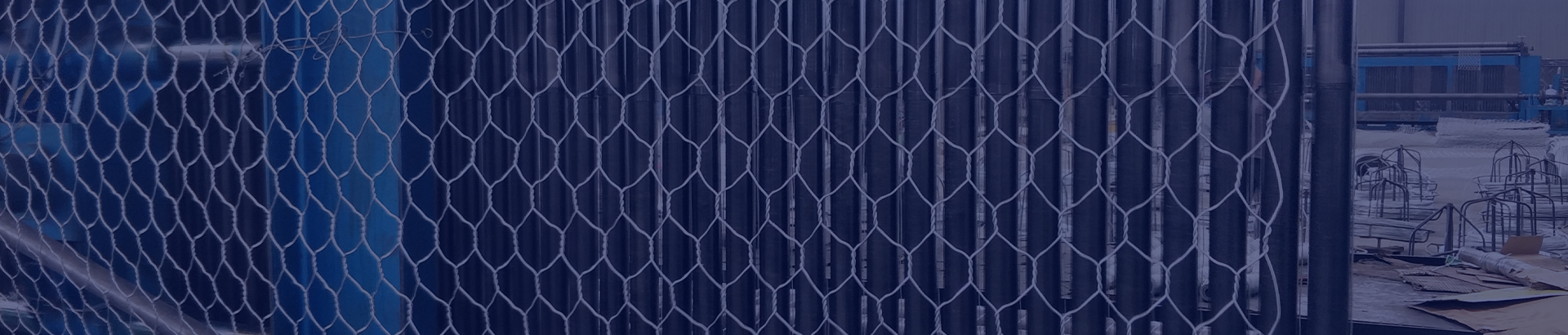
Wire Mesh Rock Retaining Walls: Durable Gabion Solutions
Industry Trends in Geotechnical Engineering Solutions
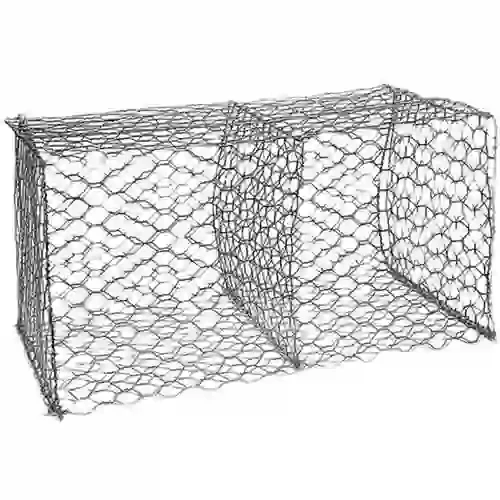
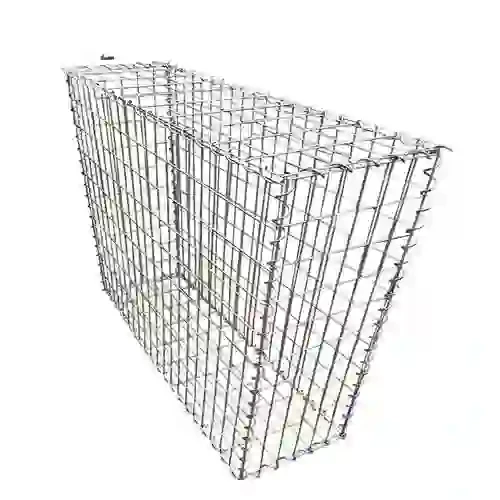
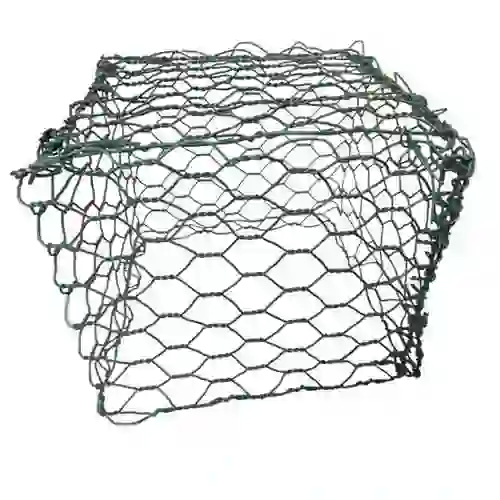
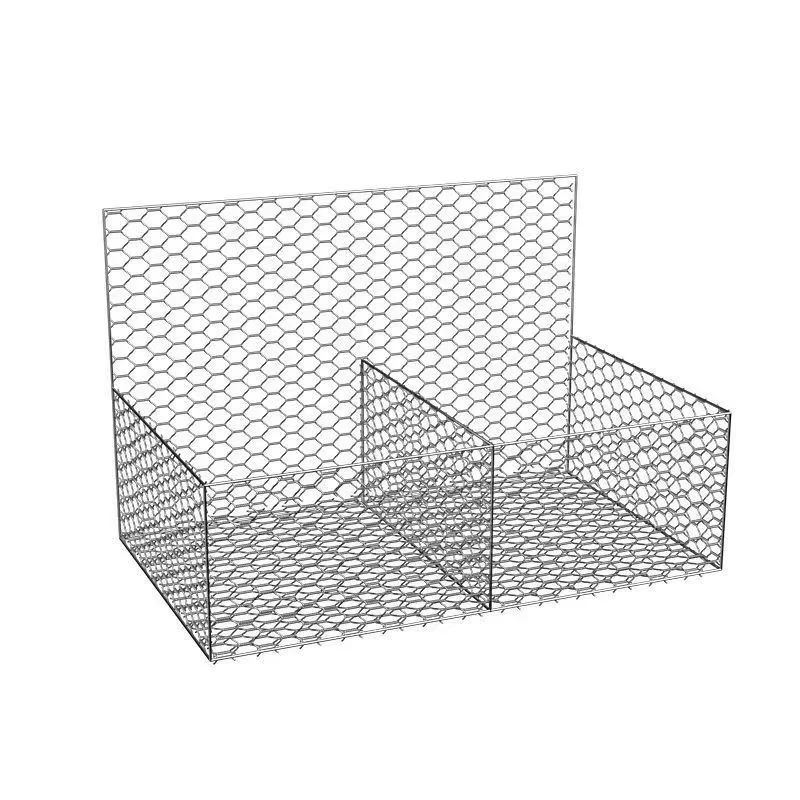
The modern landscape of civil engineering and environmental management increasingly demands resilient, sustainable, and adaptable solutions for earth retention and erosion control. Amidst evolving climate patterns and infrastructure development, the prominence of flexible structures has surged. Specifically, the wire mesh rock retaining wall, commonly known as a gabion retaining wall, has emerged as a cornerstone technology. This system, fundamentally a `rock mesh retaining wall`, addresses critical challenges from slope stabilization to hydraulic works, offering both structural integrity and environmental compatibility.
Global trends indicate a shift towards solutions that minimize environmental impact, optimize material usage, and provide long-term resilience against natural forces. Traditional rigid structures often fail due to differential settlement or hydrostatic pressure buildup. In contrast, the inherent flexibility and permeability of gabion structures offer superior performance in dynamic environments. This adaptability makes them highly favored in sectors requiring robust, yet environmentally sensitive, infrastructure, including major public works projects often referenced by `rock netting dpwh` standards in regions prioritizing cost-effective and durable solutions.
Innovations in material science, particularly advancements in corrosion-resistant coatings, have significantly extended the service life and expanded the applicability of these systems. Furthermore, the ease of construction using locally sourced rock fill contributes to reduced carbon footprints and promotes local economic engagement. The market is trending towards comprehensive solutions that combine the physical barrier with ecological benefits, positioning `wire mesh rock retaining wall` systems at the forefront of sustainable engineering practices.
Technical Specifications and Material Excellence
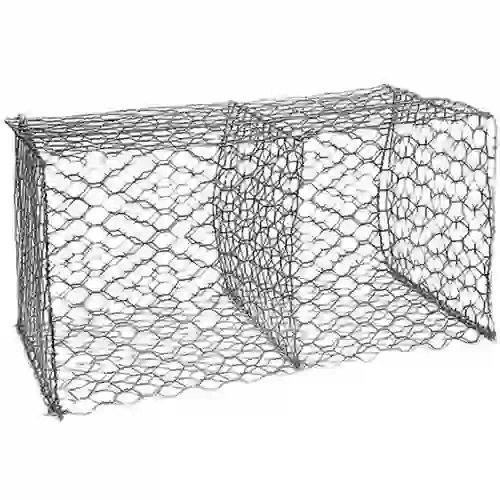
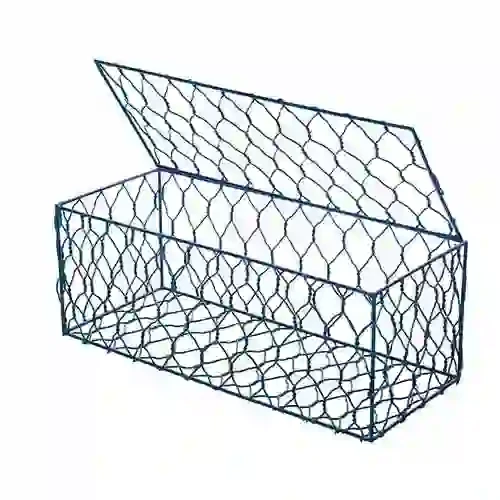
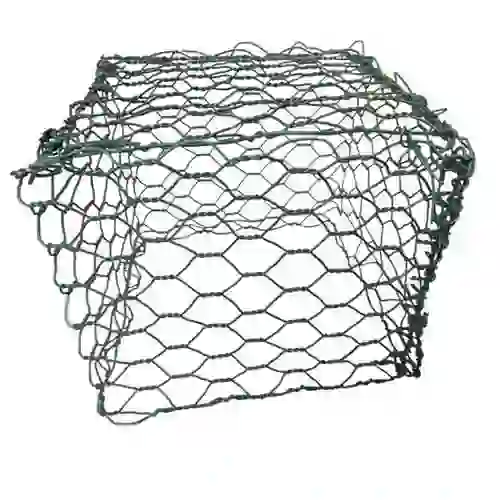
Our gabion mesh products, the foundational component of any wire mesh rock retaining wall, are engineered for maximum durability and performance. The primary material is high-quality low-carbon steel wire, meticulously selected for its tensile strength and ductility. We adhere strictly to international standards such as ASTM A975-11 for gabion wire mesh and basket fabrication, ensuring consistent mechanical properties across all our products.
Wire Specifications and Coating Options:
- Galvanized Wire: Manufactured from wire with a heavy zinc coating applied by a hot-dip galvanizing process, meeting or exceeding ASTM A641/A641M Class 3 specifications. This provides excellent initial corrosion resistance.
- Galfan (Zinc-5% Aluminum-Mischmetal Alloy) Wire: Offers superior corrosion protection compared to standard galvanization, typically lasting two to three times longer in aggressive environments. Conforms to ASTM A856/A856M and EN 10244-2 standards.
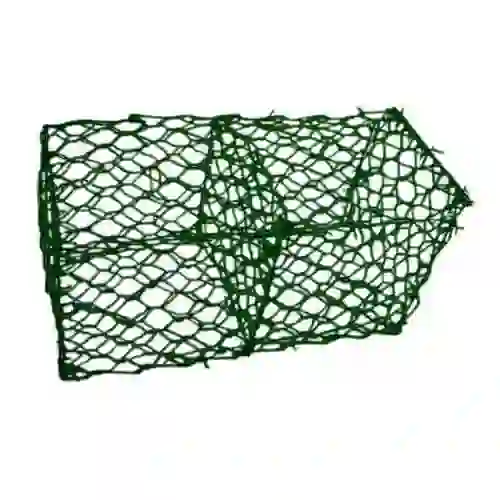
- PVC (Polyvinyl Chloride) Coated Wire: For extremely corrosive environments (e.g., marine or highly acidic soils), a PVC coating is applied over galvanized or Galfan wire. The PVC coating has a nominal thickness of 0.5mm (0.02 in.) and is UV-stabilized to prevent degradation. It resists abrasion, chemical attack, and environmental weathering.
Typical Gabion Mesh Product Specifications:
| Parameter | Specification Range | Standard Adherence |
|---|---|---|
| Wire Diameter (Mesh) | 2.0mm to 4.0mm | ASTM A641/A641M, EN 10218-2 |
| Wire Diameter (Selvedge) | 2.7mm to 4.5mm (typically thicker than mesh wire) | ASTM A641/A641M, EN 10218-2 |
| Mesh Opening Size (HxW) | 60x80mm, 80x100mm, 100x120mm, 120x150mm | ASTM A975, EN 10223-3 |
| Tensile Strength | 350-550 N/mm² (for steel wire) | ASTM A975, EN 10223-3 |
| Standard Box Dimensions (LxWxH) | 2x1x1m, 3x1x1m, 4x1x1m, 2x1x0.5m, etc. (customizable) | Industry Standard |
| Coating Thickness (Zinc) | Min. 245 g/m² (for 2.7mm wire) | ASTM A641/A641M Class 3 |
| Coating Thickness (PVC) | Min. 0.5mm nominal | ASTM A975 |
These specifications ensure that our gabion units provide exceptional strength, durability, and resistance to environmental degradation, forming a reliable `rock wall with wire mesh` capable of long-term service under challenging conditions.
The Advanced Manufacturing Process of Gabion Mesh
The production of high-quality gabion mesh for a wire mesh rock retaining wall involves a series of precision-engineered steps, ensuring the final product meets stringent performance criteria and extended service life demands for critical infrastructure projects. Our process is optimized for efficiency, material integrity, and environmental responsibility, targeting industries such as civil engineering, infrastructure development, and water management.
Process Flow Schematic Steps:
Step 1: Wire Drawing & Quality Check
High-carbon steel rods are drawn to precise wire diameters. Strict incoming material inspection ensures tensile strength and metallurgical composition meet ISO 9001 standards.
Step 2: Corrosion Protection (Galvanizing/Galfan)
The drawn wire undergoes hot-dip galvanization or Galfan coating processes. Coating thickness and adherence are continuously monitored as per ASTM A641/A641M and A856/A856M.
Step 3: PVC Coating (Optional)
For enhanced durability, galvanized or Galfan wires are extrusion-coated with a UV-stabilized PVC layer. Thickness and adhesion are verified against ASTM D412 and D2240.
Step 4: Weaving/Welding
Coated wires are fed into advanced double-twist weaving machines for gabion baskets or welded mesh machines. This ensures hexagonal mesh or rigid rectangular panels with superior strength.
Step 5: Cutting, Folding & Edge Reinforcement
Mesh panels are precisely cut to specified dimensions. Selvedge wires, typically thicker, are interwoven or welded to reinforce all mesh edges, providing structural integrity to the gabion unit.
Step 6: Final Inspection & Packaging
Each gabion unit undergoes a final quality control inspection for dimensions, mesh integrity, and coating quality. Units are then folded flat, bundled, and packaged for efficient transport.
Our rigorous manufacturing process, supported by continuous in-process testing and adherence to ISO 9001 quality management systems, ensures the delivery of gabion mesh products with an expected service life of 50 to 100+ years, depending on coating type and environmental conditions. This long service life translates directly into energy saving by reducing the need for frequent repairs or replacements compared to less durable alternatives. The superior corrosion resistance of our coated wires is a key factor in this longevity, making our `rock mesh retaining wall` systems a reliable choice for long-term infrastructure investment.
Target industries benefiting from our specialized gabion mesh include civil engineering (for highway and railway embankments), hydraulic engineering (for riverbank protection and scour control), mining (for slope stabilization), and environmental restoration (for wetland creation and erosion barriers).
Application Scenarios and Technical Advantages
The versatility of the wire mesh rock retaining wall makes it an indispensable solution across a multitude of challenging application scenarios, from large-scale public infrastructure to specialized environmental projects. Its inherent design addresses common geotechnical failures and offers unique advantages over traditional rigid structures.
Typical Application Scenarios:
- Slope Stabilization: Critical for preventing landslides and erosion on steep embankments alongside highways, railways, and construction sites. The modular nature allows for effective reinforcement of cut and fill slopes.
- River Training and Channel Lining: Used extensively to protect riverbanks from scour and erosion, guide water flow, and stabilize hydraulic structures such as weirs and culverts. This is a common application where `chicken wire rock fence` principles are scaled up for robust engineering.
- Road and Railway Embankments: Providing durable and flexible retaining walls to support elevated sections or to stabilize ground adjacent to transportation corridors, ensuring long-term operational safety.
- Bridge Abutment Protection: Safeguarding bridge foundations from water scour and lateral soil pressures, especially in fluvial environments.
- Noise Barriers and Architectural Features: Beyond purely structural roles, gabions can be integrated into landscape architecture for aesthetic purposes, creating green walls or sound-absorbing barriers due to their ability to incorporate vegetation.
- Coastal Protection: Employed in revetments and groynes to dissipate wave energy and protect shorelines from erosion, often meeting strict standards for `rock netting dpwh` in coastal defense projects.
Key Technical Advantages:
- Flexibility: Unlike rigid concrete structures, gabion walls can tolerate differential settlement without fracturing. This makes them ideal for unstable ground conditions or areas prone to seismic activity.
- Permeability: The void spaces within the rock fill allow for free drainage, preventing hydrostatic pressure buildup behind the wall. This eliminates the need for complex drainage systems, reducing both cost and potential for structural failure due to water pressure.
- Environmental Integration: The open matrix of a `rock wall with wire mesh` allows for natural vegetation growth over time, blending the structure seamlessly into the surrounding environment and promoting biodiversity. This also aids in further stabilization and erosion control.
- Cost-Effectiveness: Utilizing locally sourced rock fill significantly reduces transportation costs. The relatively simple construction process requires less specialized equipment and labor compared to concrete or masonry, contributing to overall project economy.
- Durability and Corrosion Resistance: With high-quality galvanized, Galfan, or PVC-coated wire, gabions offer exceptional resistance to corrosion, ensuring a long design life even in harsh environments.
- Speed of Construction: Gabion units can be rapidly assembled and filled, accelerating project timelines and minimizing disruption.
These combined attributes position gabion retaining walls as a preferred engineering solution for modern infrastructure, offering robust performance with a clear emphasis on sustainability and economic viability.
Vendor Comparison and Customized Solutions
Selecting the right supplier for your wire mesh rock retaining wall project is paramount to its success and longevity. While many vendors offer gabion products, discerning key differentiators in quality, engineering support, and customization capabilities can significantly impact project outcomes. Our commitment at Wiremeshpro centers on delivering not just products, but comprehensive, tailored solutions.
Key Factors for Vendor Comparison:
- Material Quality & Consistency: Ensure the vendor provides certified wire materials (e.g., ASTM A975-11 compliance for mesh, ASTM A641/A641M for galvanization). Inconsistent wire gauge or coating thickness can compromise structural integrity and service life.
- Manufacturing Precision: Look for vendors utilizing advanced weaving or welding equipment, which ensures uniform mesh openings and robust panel connections. Poor fabrication leads to weak points in the `rock mesh retaining wall`.
- Certifications & Standards: A reputable vendor will hold ISO 9001 certification for quality management and provide products adhering to relevant national and international standards (e.g., EN 10223-3 for gabion mesh).
- Engineering Support: Access to experienced geotechnical engineers for design assistance, calculation verification, and site-specific recommendations is invaluable. This is crucial for complex `rock netting dpwh` projects or critical infrastructure.
- Lead Times & Logistics: Evaluate the vendor's capacity to meet project schedules and their logistical capabilities for timely and efficient delivery, particularly for large-scale procurements.
- Customization Capabilities: The ability to adapt gabion dimensions, mesh types, wire gauges, and coating specifications to unique project requirements is a significant advantage.
Customized Solutions from Wiremeshpro:
At Wiremeshpro, we understand that no two projects are identical. Our engineering team specializes in providing bespoke gabion solutions to meet the precise demands of your site and application. Our customization capabilities include:
- Non-Standard Dimensions: Beyond typical 2x1x1m units, we can fabricate gabion baskets in a wide array of lengths, widths, and heights to optimize fill volume and structural design.
- Specialized Wire & Mesh Configurations: Offering specific wire diameters (e.g., extra heavy gauge for high-stress zones) and mesh opening sizes (e.g., smaller apertures for fine-grained fill or aesthetic purposes).
- Tailored Coating Systems: Recommending and applying the most suitable corrosion protection (e.g., Galfan + PVC) based on environmental exposure assessments, ensuring maximum service life for your `rock wall with wire mesh`.
- Design Optimization: Collaborating with your engineers to review geotechnical data and propose optimal gabion structure designs, including tiered walls, reinforced soil gabions, or combination structures.
- Technical Documentation: Providing comprehensive technical drawings, material certifications, and installation guidelines tailored to your project.
Our proactive approach to customization ensures that your project benefits from a solution that is not only robust and reliable but also perfectly aligned with its unique challenges and objectives, optimizing both performance and cost-efficiency.
Application Case Studies: Real-World Performance
The practical deployment of wire mesh rock retaining wall systems demonstrates their efficacy in addressing complex geotechnical and environmental challenges. Below are simulated case studies illustrating typical scenarios and the significant benefits realized through our gabion solutions.
Case Study 1: Highway Embankment Stabilization
- Challenge: A major highway section traversed a steep, erosion-prone slope, leading to recurrent minor landslides and necessitating frequent maintenance closures. Traditional concrete walls were deemed too rigid for the unstable subsoil and prohibitively expensive.
- Solution: A multi-tiered gabion retaining wall system, incorporating PVC-coated gabions for enhanced longevity in potentially corrosive soil, was designed and installed. The structure was filled with locally available quarried stone.
- Outcome: The flexible gabion structure successfully accommodated minor ground movements without cracking. Its permeability eliminated hydrostatic pressure behind the wall, preventing further instability. Post-construction, the slope stabilized completely, and maintenance requirements drastically reduced, demonstrating the cost-effectiveness and resilience of the `rock mesh retaining wall`.
Case Study 2: Riverbank Protection in an Urban Flood Zone
- Challenge: An urban river stretch experienced severe scour and erosion during seasonal floods, threatening riverside infrastructure and pedestrian areas. The need was for a durable, ecologically sensitive solution to protect the banks without disrupting the natural flow or aesthetics.
- Solution: A gabion mattress (revetment) system was installed along the riverbanks, extending above the anticipated flood levels, complemented by `chicken wire rock fence` style gabion baskets forming a low retaining wall. The gabions were specified with Galfan-coated wire for superior corrosion resistance against fluctuating water levels.
- Outcome: The gabion system effectively dissipated hydraulic energy during flood events, preventing further erosion. The porous nature allowed vegetation to establish within the gabion voids, integrating the structure into the natural riparian habitat and improving aesthetic appeal. This project exemplified sustainable civil engineering.
Case Study 3: Commercial Landscape Architecture and Terracing
- Challenge: A new commercial development required terraced landscaping on a sloped site to create usable outdoor spaces. The client sought an aesthetic yet functional solution that could be installed efficiently.
- Solution: A series of low-height gabion walls were constructed to form stepped terraces. The modular design of the `rock wall with wire mesh` allowed for flexible shaping and easy integration with planting schemes. Standard galvanized gabions were used, as environmental conditions were not excessively corrosive.
- Outcome: The gabion walls provided stable, attractive terraces that became key features of the landscape. The speed of installation minimized disruption to other construction activities. Over time, climbers and ground cover plants were introduced, further softening the appearance and enhancing the ecological value of the landscape, delivering an ideal balance of functionality and visual appeal.
These examples underscore the adaptability and proven performance of gabion systems in diverse engineering and environmental contexts, solidifying their reputation as a reliable and sustainable choice.
Trust and Reliability: Our Commitment to Excellence
Building an effective wire mesh rock retaining wall demands not only superior products but also unwavering trust in the supplier's expertise, experience, and commitment to quality. At Wiremeshpro, we uphold the highest standards to ensure our clients receive the most authoritative and trustworthy solutions in the industry.
Authoritativeness and Certifications:
- ISO 9001 Certified: Our manufacturing facilities and quality management systems are independently audited and certified to ISO 9001 standards, guaranteeing consistent product quality and operational excellence.
- ASTM & EN Compliance: All our gabion products are manufactured in strict adherence to international standards such as ASTM A975-11 (for gabion wire mesh and baskets) and relevant EN standards, ensuring material integrity and structural performance.
- Decades of Experience: With over 20 years in the wire mesh industry, Wiremeshpro has cultivated deep expertise in geotechnical solutions, serving a diverse portfolio of clients ranging from government agencies to major construction firms.
- Key Partnerships: We collaborate with leading geotechnical consultants and contractors to refine our products and ensure they meet the evolving demands of complex engineering projects.
Gabion Mesh vs. Traditional Retaining Walls: A Comparative Analysis
| Feature | Gabion Mesh Retaining Wall | Reinforced Concrete Wall | Segmental Block Wall |
|---|---|---|---|
| Flexibility | High; accommodates differential settlement without cracking. | Low; rigid structure prone to cracking from settlement. | Moderate; some flexibility, but can show uneven settlement. |
| Permeability | Excellent; free drainage, no hydrostatic pressure buildup. | Low; requires extensive drainage systems to prevent pressure. | Moderate; some drainage through joints, but often requires backfill drainage. |
| Environmental Impact | Low; uses local fill, allows vegetation growth, blends with landscape. | High; significant carbon footprint from cement production, unnatural appearance. | Moderate; manufactured blocks, limited ecological integration. |
| Construction Speed | Fast; simple assembly and filling process. | Slow; formwork, rebar, curing time required. | Moderate; block laying can be time-consuming. |
| Cost-Effectiveness | High; reduced material transport, less specialized labor, long service life. | Moderate to High; high material and labor costs, complex foundation. | Moderate; block costs can add up, specialized installation often required. |
| Maintenance | Low; highly durable, self-healing properties with vegetation. | Moderate to High; crack repairs, drainage system upkeep. | Moderate; joint maintenance, potential for block displacement. |
This comparison highlights the superior characteristics of gabion systems for many modern engineering applications, particularly when long-term performance, environmental harmony, and cost-efficiency are critical considerations.
Frequently Asked Questions (FAQ)
Q1: What is the expected service life of a wire mesh rock retaining wall?
A1: The service life varies based on the wire coating type and environmental conditions. Standard galvanized gabions typically last 20-30 years. Galfan-coated units can extend this to 50-70 years, while PVC-coated gabions are designed for 70-100+ years, even in aggressive environments like coastal areas or highly acidic soils.
Q2: Can gabion walls be vegetated?
A2: Yes, one of the key advantages of a `rock mesh retaining wall` is its ability to integrate with the environment. The voids within the rock fill provide an ideal medium for soil placement and vegetation growth, allowing the structure to soften visually and become part of the natural landscape over time. This also enhances stability and biodiversity.
Q3: What type of rock fill is recommended for gabions?
A3: The rock fill should be hard, durable, non-frost susceptible, and angular to sub-angular in shape. The size of the stones should be larger than the mesh opening to prevent them from falling out. Typically, stones ranging from 100mm to 250mm are suitable, but this can vary based on mesh size and structural design.
Q4: How do gabions handle seismic activity?
A4: Gabion structures are inherently flexible and can tolerate differential settlement and ground deformation without catastrophic failure, making them highly resilient to seismic activity. Unlike rigid concrete structures, their ability to deform and absorb energy is a significant advantage in earthquake-prone regions.
Q5: What are the main advantages over a `chicken wire rock fence`?
A5: While both use wire and rock, a `chicken wire rock fence` (often referring to lighter gauge, non-engineering-grade mesh) is typically for non-structural, temporary, or smaller-scale aesthetic purposes. Engineering-grade gabion mesh uses heavy-gauge, double-twist or welded mesh with robust selvedge wires and advanced corrosion coatings, designed for structural load-bearing and long-term erosion control in demanding applications. Gabions adhere to strict technical standards for stability and durability.
Logistics, Warranty, and Customer Support
At Wiremeshpro, our commitment extends beyond delivering high-quality gabion mesh. We ensure a seamless experience from inquiry to project completion, underpinned by transparent logistics, robust warranties, and dedicated customer support for your wire mesh rock retaining wall projects.
Lead Time and Fulfillment:
- Standard Orders: Typically, lead times for standard gabion mesh products range from 2-4 weeks, depending on order volume and current production schedules.
- Customized Solutions: For bespoke gabion designs or specialized coatings, lead times may extend to 4-6 weeks to accommodate engineering, material procurement, and specific manufacturing processes.
- Express Fulfillment: We offer expedited manufacturing and shipping options for urgent projects. Please contact our sales team to discuss specific requirements and feasibility.
- Global Logistics: With established partnerships with international freight forwarders, we ensure efficient and reliable delivery to project sites worldwide, handling all necessary documentation and customs procedures.
Warranty Commitments:
- Material & Workmanship: All our gabion mesh products are backed by a comprehensive warranty against manufacturing defects and material failures for a period of 5 years from the date of purchase.
- Corrosion Protection: We provide extended performance warranties for our coated wires:
- Galvanized: 10-year warranty against significant loss of zinc coating.
- Galfan: 25-year warranty against significant loss of alloy coating.
- PVC Coated: 30-year warranty against degradation or cracking of the PVC coating, provided it is installed and maintained as per our guidelines.
- Terms & Conditions: Detailed warranty terms are available upon request and are provided with every order, ensuring full transparency regarding coverage and claim procedures.
Dedicated Customer Support:
Our expert team is committed to providing unparalleled support throughout your project lifecycle:
- Technical Consultations: Our experienced engineers are available for pre-sale consultations, offering guidance on product selection, design optimization, and application best practices.
- Installation Guidance: We provide detailed installation manuals and, upon request, can offer on-site technical assistance for large or complex projects to ensure proper assembly and construction of your `rock wall with wire mesh`.
- After-Sales Service: Our support team is readily available to address any post-purchase inquiries, provide maintenance advice, or assist with warranty claims, ensuring your long-term satisfaction.
Partner with Wiremeshpro for reliable products and comprehensive support that safeguards your investment and contributes to the enduring success of your infrastructure projects.
Conclusion
The strategic deployment of wire mesh rock retaining wall systems represents a robust, sustainable, and economically advantageous solution for modern geotechnical challenges. From preventing erosion and stabilizing slopes to enhancing infrastructure resilience, gabion technology offers unparalleled flexibility, permeability, and environmental compatibility. As the demands on civil engineering evolve towards more sustainable and durable practices, our advanced gabion mesh products, backed by stringent quality control, extensive technical support, and comprehensive warranties, stand ready to meet the most exacting project requirements. Choosing a gabion solution is not merely selecting a construction material; it is investing in a long-term, eco-friendly, and highly adaptable engineering asset that continues to prove its value across diverse global landscapes.
References:
- ASTM International. (2011). ASTM A975-11: Standard Specification for Double-Twisted Hexagonal Mesh Gabions and Revet Mattresses (Metallic-Coated Steel Wire or Metallic-Coated and Poly(Vinyl Chloride) (PVC) Coated Steel Wire). West Conshohocken, PA: ASTM International.
- Maccaferri. (2018). Gabion Retaining Walls: Design and Construction Guidelines. Maccaferri Technical Manual.
- Department of Public Works and Highways (DPWH), Philippines. (2015). Standard Specifications for Highways, Bridges and Airports (Volume II, Latest Edition). DPWH. (General reference for public works standards, specific gabion sections may vary by revision).
- Federal Highway Administration (FHWA). (2009). Design and Construction of Mechanically Stabilized Earth Walls and Reinforced Soil Slopes – Volume I. FHWA-NHI-09-087.
- Institution of Civil Engineers (ICE). (2012). Manual of Geotechnical Engineering. Thomas Telford Publishing.
-
Quality Black Wire Clothes Hangers for Home and Retail UseNewsApr.16,2026
-
Premium Rose Gold Wire Hangers for Luxury Closet OrganizationNewsApr.09,2026
-
Elevate Your Closet with Stylish Rose Gold Metal Coat HangersNewsApr.07,2026
-
Optimize Your Business with Durable White Wire Clothes HangersNewsApr.04,2026
-
Comprehensive Guide to Buy Wire Clothes Hangers for Optimal Closet OrganizationNewsMar.31,2026
-
Find the Best Deals and Options to Buy Wire Hangers for All Your NeedsNewsMar.28,2026
-
Find the Best Deals to Buy Wire Coat Hangers for Your NeedsNewsMar.26,2026