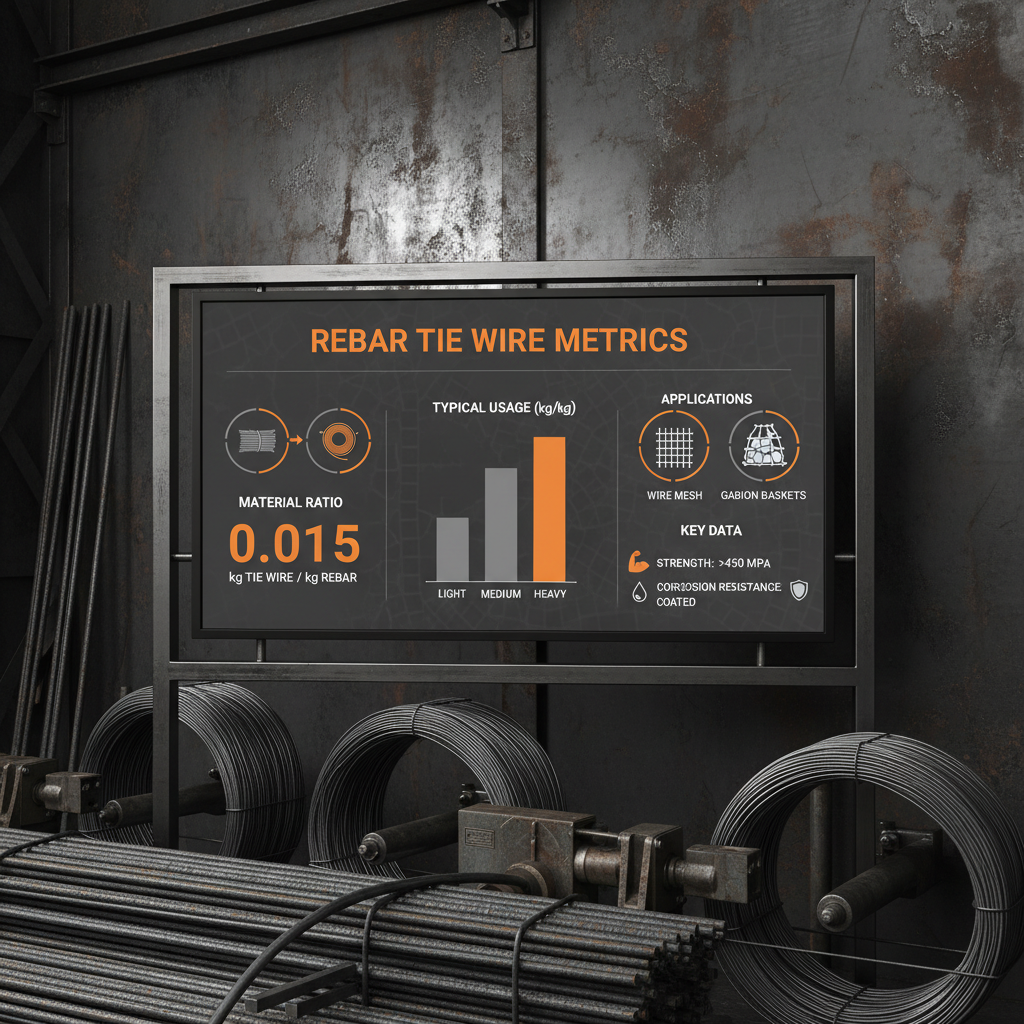
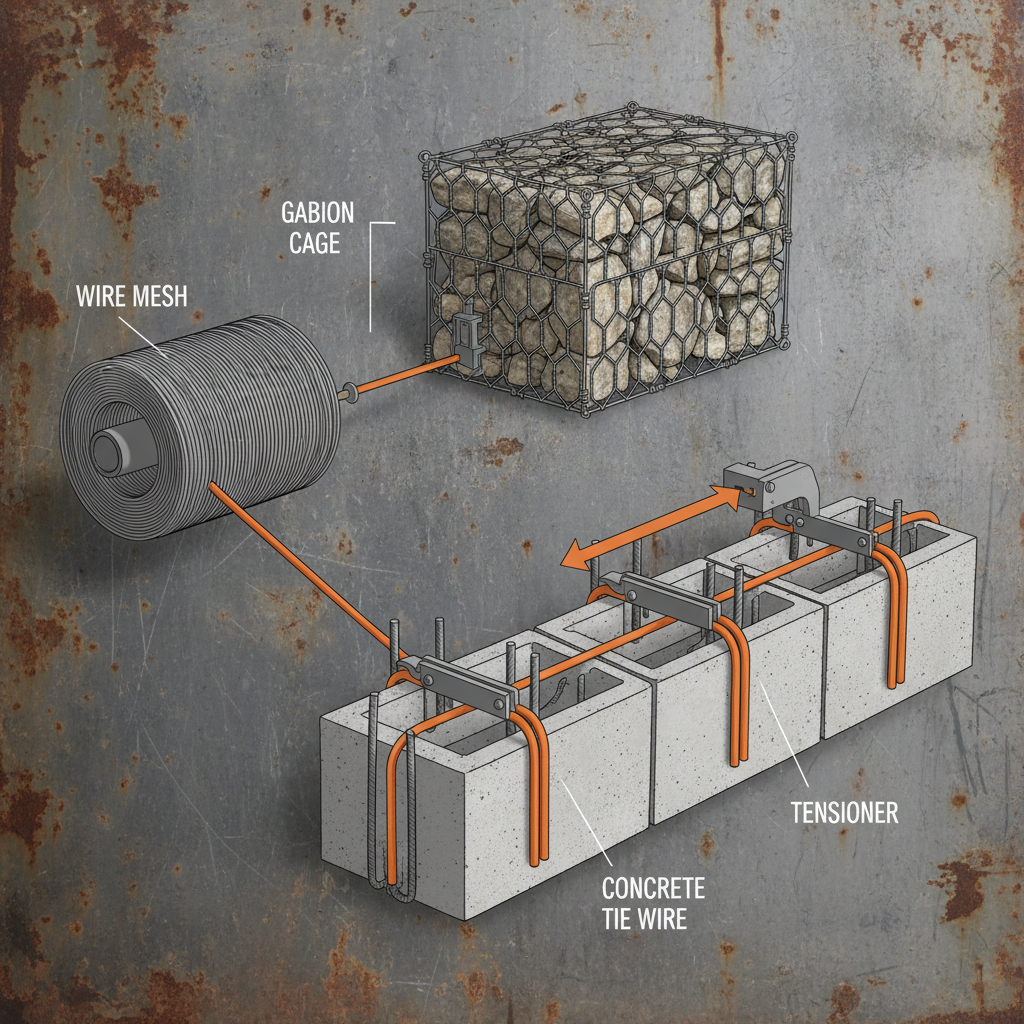
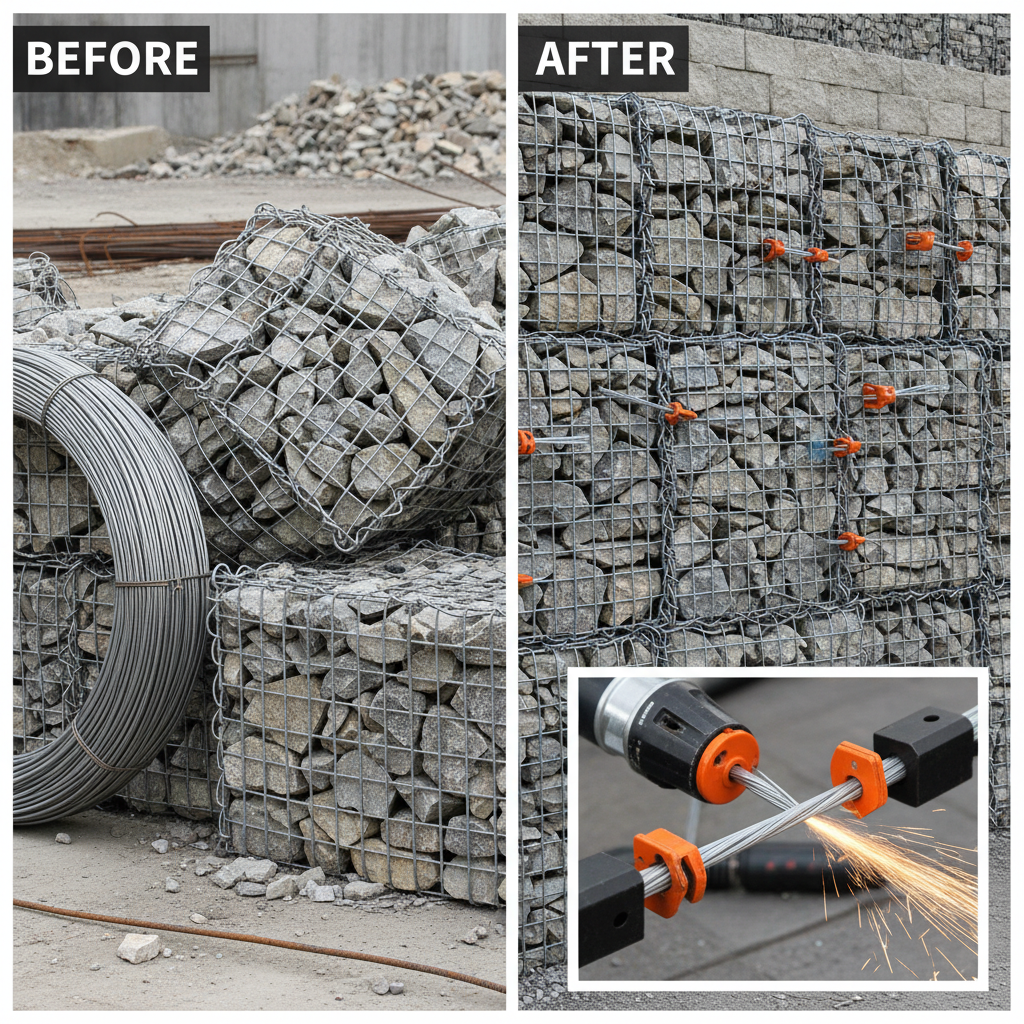
Tie wire per kg of rebar is a crucial, often overlooked, aspect of reinforced concrete construction. Globally, the demand for robust and reliable infrastructure is constantly increasing, driven by population growth and urbanization. Ensuring structural integrity requires meticulous attention to detail, and the quantity and quality of tie wire used to secure rebar play a significant role. Properly secured rebar provides the necessary tensile strength to concrete, preventing cracking and collapse.
The need for efficient and cost-effective construction methods is paramount, particularly in developing nations. Inefficient rebar tying leads to increased labor costs, project delays, and potentially compromised structural safety. Accurate calculation of tie wire per kg of rebar streamlines the construction process, optimizing resource allocation and minimizing waste. International standards bodies, like ISO, emphasize the importance of quality control throughout the construction process, including the securing of reinforcement.
Understanding tie wire per kg of rebar isn't just about construction; it's about building sustainable and resilient infrastructure that supports communities and economies worldwide. Accurate estimation and usage impact project budgets, timelines, and ultimately, the longevity and safety of buildings, bridges, and other critical structures. Effective management of this component contributes to responsible construction practices, reducing environmental impact and promoting safer working conditions.
The Importance of Tie Wire per Kg of Rebar
The quantity of tie wire needed per kilogram of rebar isn’t arbitrary; it's a critical calculation that directly impacts the structural integrity and cost-effectiveness of a concrete project. Inadequate tie wire results in unstable rebar cages, increasing the risk of concrete cracking during setting and long-term structural failure. This is particularly vital in high-stress applications like bridges, skyscrapers, and seismic zones.
Conversely, excessive tie wire represents unnecessary expense and waste. Optimizing the amount of tie wire used per kg of rebar through precise estimation and efficient tying techniques translates to significant cost savings and reduced material consumption, supporting more sustainable construction practices. Understanding this balance is fundamental for both contractors and structural engineers.
Defining Tie Wire per Kg of Rebar
Tie wire per kg of rebar refers to the amount of wire (typically annealed iron wire) required to securely fasten a given mass of reinforcing steel (rebar) together. This isn't a fixed ratio, as it depends heavily on the rebar diameter, spacing, and the complexity of the structural element being constructed. The goal is to create a rigid cage of rebar, preventing movement during concrete pouring and curing.
This metric is crucial for accurate material ordering and cost estimation in construction projects. Rather than simply ordering a bulk amount of tie wire, calculating the required amount per kg of rebar allows for precise budgeting and minimizes waste. It connects directly to labor costs, as efficient tying requires less time and fewer workers.
The definition extends beyond a simple weight ratio. It encompasses the quality of the tie wire itself – its tensile strength, ductility, and resistance to corrosion – all of which influence the long-term durability of the reinforced concrete structure. `tie wire per kg of rebar` is therefore a benchmark for both material efficiency and structural reliability.
Core Factors Influencing Tie Wire Requirements
Several key factors determine the optimal amount of tie wire per kg of rebar. First, the diameter of the rebar significantly impacts the required wire length and tying complexity. Larger diameter rebars necessitate more wire for secure fastening. Second, the spacing between rebars within the cage influences the number of ties needed to maintain structural integrity. Closer spacing demands more ties.
Third, the configuration of the rebar cage—whether it's a simple grid, a complex column tie, or a beam with numerous stirrups—directly affects the tying process and the wire consumption. More intricate designs require more ties and potentially specialized tying techniques. Fourth, the type of tie used (single wrap, double wrap, figure-eight tie) also influences wire usage; double wraps or figure-eight ties require more wire but offer greater security.
Finally, local building codes and industry best practices often dictate specific requirements for rebar tying, influencing the minimum acceptable tie wire per kg of rebar. Adherence to these standards is crucial for ensuring compliance and preventing structural issues.
Practical Applications and Industry Standards
The application of tie wire per kg of rebar principles is evident in various construction sectors. In high-rise building construction, precise rebar tying is essential for resisting wind loads and seismic forces. Bridge construction demands even higher standards, ensuring the long-term durability of critical infrastructure. Residential construction also benefits from optimized tie wire usage, improving the overall quality and longevity of homes and buildings.
Tie Wire Usage Comparison by Construction Type
Global Use Cases of Optimized Tie Wire Usage
In Japan, known for its stringent earthquake building codes, optimized tie wire usage is critical for ensuring the seismic resilience of infrastructure. Contractors employ precise tying techniques and high-quality tie wire to create robust rebar cages capable of withstanding powerful tremors. Similarly, in rapidly developing urban centers like Dubai and Shanghai, where skyscrapers dominate the skyline, accurate tie wire calculations contribute to the safe and efficient construction of these monumental structures.
Furthermore, in post-disaster reconstruction efforts, streamlined tie wire management helps expedite the building process while maintaining structural integrity. Pre-cut tie wire bundles and automated tying tools are increasingly used to improve efficiency. In remote locations where access to materials is limited, minimizing tie wire waste is particularly important. tie wire per kg of rebar optimization becomes a key logistical consideration.
Advantages of Accurate Tie Wire Management
Accurate tie wire management provides several significant advantages. First and foremost, it enhances structural integrity, reducing the risk of concrete cracking and failure. This directly translates to increased safety for building occupants and long-term infrastructure resilience. Second, it leads to substantial cost savings through reduced material waste and optimized labor utilization.
Third, efficient tie wire usage promotes sustainable construction practices by minimizing resource consumption and reducing environmental impact. Fourth, streamlined processes improve project timelines and reduce delays, allowing projects to be completed on schedule and within budget. Finally, adherence to industry standards and best practices builds trust and confidence among stakeholders, demonstrating a commitment to quality and safety.
Future Trends and Innovations in Rebar Tying
Several emerging trends are poised to revolutionize rebar tying. Automated tying machines, utilizing robotic technology, are gaining popularity, increasing efficiency and reducing labor costs. These machines can precisely apply ties, ensuring consistent quality and minimizing human error. Digital tools and software are also being developed to optimize tie wire calculations, taking into account complex rebar configurations and building codes.
Furthermore, research is underway to develop new tie wire materials with enhanced strength and corrosion resistance. Sustainable alternatives to traditional steel tie wire, such as biodegradable or recycled materials, are also being explored. The integration of Building Information Modeling (BIM) with rebar tying processes promises to further improve accuracy and streamline workflows, leading to more efficient and resilient construction projects.
Summary of Tie Wire Optimization Factors
| Rebar Diameter (mm) |
Rebar Spacing (mm) |
Tie Wire Gauge (mm) |
Estimated Tie Wire per kg of Rebar (grams) |
| 12 |
150 |
1.6 |
55 |
| 16 |
200 |
1.6 |
70 |
| 20 |
250 |
2.0 |
90 |
| 25 |
300 |
2.0 |
110 |
| 32 |
350 |
2.4 |
130 |
| 40 |
400 |
2.4 |
150 |
FAQS
The typical range for tie wire usage per kg of rebar varies between 50 to 150 grams, depending on the factors outlined above – rebar diameter, spacing, and complexity of the structure. Smaller diameter rebars with wider spacing will naturally require less tie wire, while larger diameter rebars densely packed will require significantly more. Accurate estimation is key to minimizing waste and maximizing efficiency.
The gauge (thickness) of the tie wire directly impacts the strength and durability of the rebar cage. Thinner gauge wire may be sufficient for smaller projects with low stress, but larger, more critical structures demand thicker gauge wire to ensure secure fastening and prevent movement during concrete setting and curing. Using the appropriate gauge is crucial for long-term structural integrity.
Automated rebar tying machines offer significant advantages, including increased speed, improved accuracy, and reduced labor costs. They consistently apply ties with the correct tension, ensuring a secure and reliable rebar cage. These machines also minimize worker fatigue and reduce the risk of repetitive strain injuries. They are particularly valuable for large-scale projects with tight deadlines.
While steel tie wire is the most common option, research is exploring eco-friendly alternatives. Biodegradable tie wires made from plant-based materials are being developed, although their strength and durability are still being evaluated. Recycled steel tie wire is another sustainable option, reducing the environmental impact of material production. The adoption of these alternatives is still limited but gaining momentum.
Proper training is paramount. Workers must be trained on correct tying techniques, the appropriate use of tools, and safety procedures. Inconsistent or poorly executed tying can compromise the structural integrity of the rebar cage. Training should cover different tying methods, quality control checks, and adherence to industry standards.
Accurate calculation requires considering rebar diameter, spacing, cage configuration, and tying method. Several online calculators and software tools can assist with this process. Alternatively, consulting with a structural engineer or experienced rebar fabricator can provide precise estimates. Accurate calculations minimize waste and ensure cost-effectiveness.
Conclusion
In conclusion, understanding and optimizing tie wire per kg of rebar is far more than a logistical detail; it’s a cornerstone of safe, efficient, and sustainable construction. From enhancing structural integrity and reducing costs to minimizing environmental impact, precise tie wire management delivers tangible benefits across the entire construction lifecycle. Ignoring this crucial element can lead to compromised structural performance, increased expenses, and potential safety hazards.
Looking ahead, the adoption of automated tying technologies, coupled with the development of sustainable tie wire alternatives and advanced digital planning tools, will revolutionize rebar tying processes. By embracing innovation and prioritizing accuracy, the construction industry can build more resilient, cost-effective, and environmentally responsible infrastructure for generations to come. For expert guidance and high-quality tie wire solutions, visit our website: www.wiremeshpro.com

 Phone:
 Email: