0%

Table of Contents

Cardboard bale wire, seemingly a simple agricultural tool, plays a surprisingly vital role in modern supply chains, disaster relief, and even innovative construction techniques. Its ability to securely bind large volumes of recyclable materials—primarily cardboard and paper—makes it essential for waste management and resource recovery on a global scale. Understanding its applications extends beyond the farm; it's a critical component of circular economy initiatives aiming to reduce landfill waste and promote sustainability.

The increasing global demand for packaging, driven by e-commerce and consumer goods, directly correlates to the need for efficient and cost-effective baling solutions. Cardboard bale wire isn't simply about compressing waste; it’s about enabling logistical efficiency, reducing transportation costs, and creating valuable secondary resources. This makes its quality and availability a factor in various industries.

From optimizing recycling processes in major metropolitan areas to providing a lifeline for post-disaster debris removal, cardboard bale wire offers a practical and scalable solution. Its relatively low cost and ease of use contribute to its widespread adoption, making it a fundamental, yet often overlooked, element of modern infrastructure.
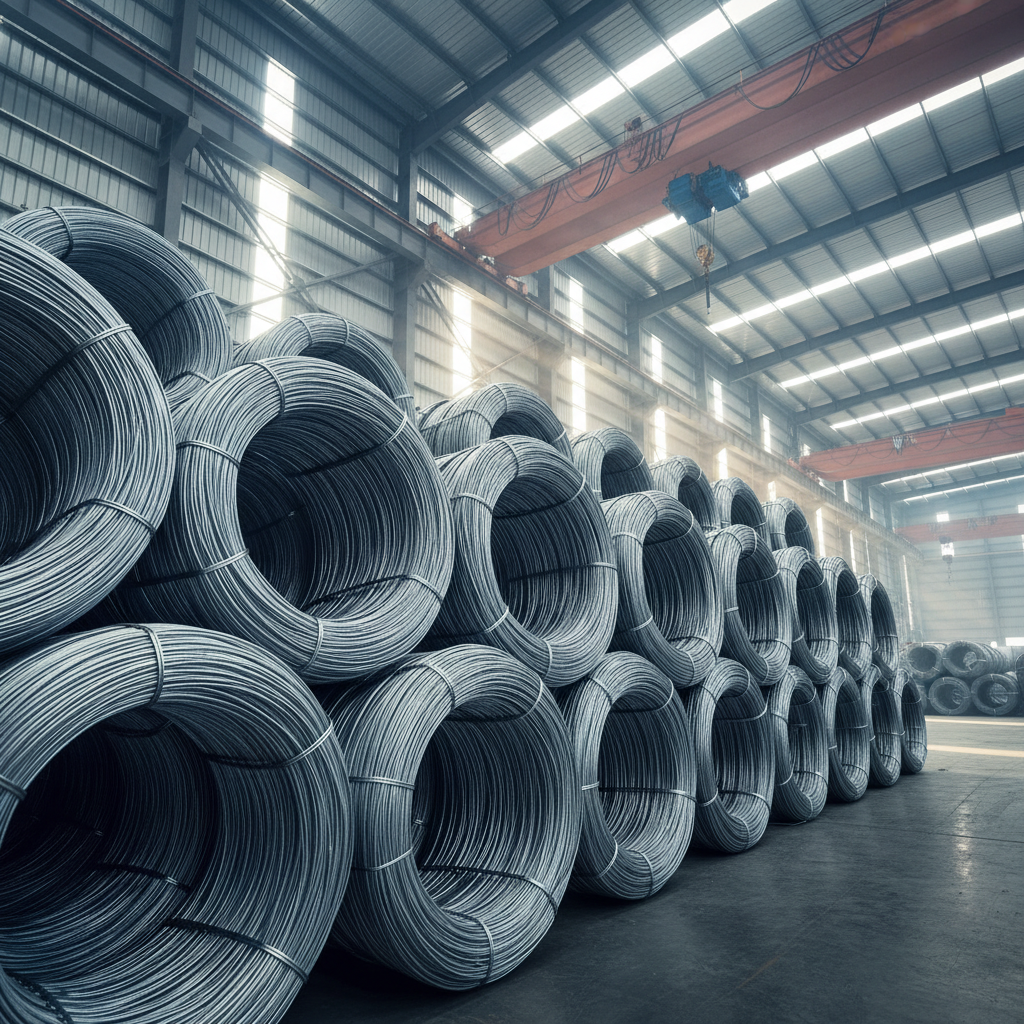
The Crucial Role of Cardboard Bale Wire in Modern Supply Chains and Recycling

The Significance of Cardboard Bale Wire

The Crucial Role of Cardboard Bale Wire in Modern Supply Chains and Recycling

Cardboard bale wire is more than just a binding material; it's an integral part of the global recycling infrastructure. Its strength and reliability ensure the safe and efficient compression of cardboard for transport and processing, directly impacting the viability of recycling programs. Without effective baling, the cost of handling and transporting recyclable cardboard would be prohibitive, hindering waste diversion efforts.

The demand for cardboard bale wire is directly tied to the growth of e-commerce and the increasing reliance on cardboard packaging. As businesses and consumers embrace sustainable practices, the need for robust and readily available baling solutions will only continue to rise. This positions cardboard bale wire as a crucial link in the closed-loop material economy.

Defining Cardboard Bale Wire

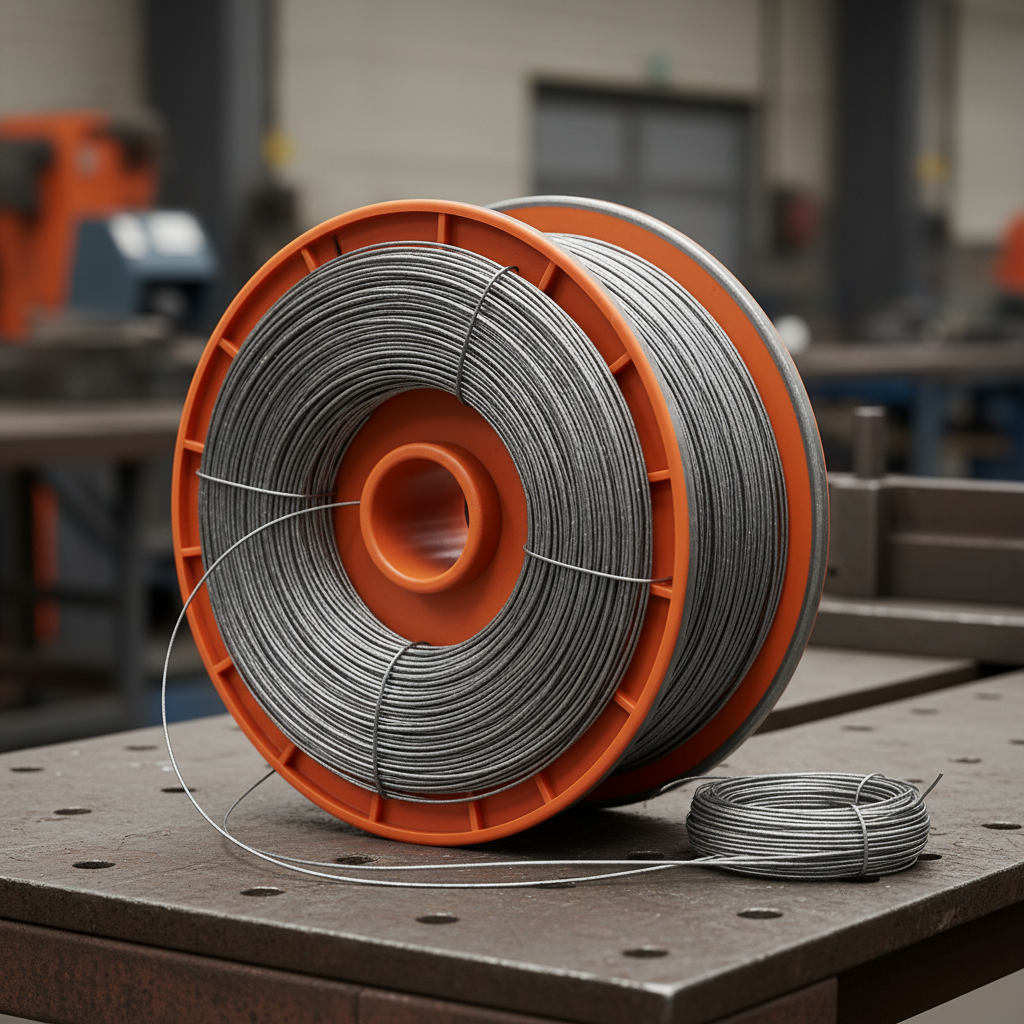
Cardboard bale wire typically refers to a low-carbon steel wire, often galvanized for corrosion resistance, specifically designed for use in baling presses. These presses compress cardboard and other recyclable materials into dense bales for efficient storage and transportation. The wire is applied horizontally and vertically around the bale, securing its shape and preventing it from expanding during handling.

While seemingly straightforward, the specific characteristics of cardboard bale wire—gauge (thickness), tensile strength, and coating—are critical for optimal performance. Choosing the right wire ensures a secure bale, minimizes wire breakage during the baling process, and reduces downtime for repairs and replacements. It's a specialized product tailored to the demands of high-volume recycling.

Its connection to modern industry and humanitarian efforts lies in its enabling role. In industrialized nations, it facilitates efficient waste management. In disaster relief scenarios, it can be repurposed or used to create temporary structures and secure debris piles, contributing to rapid recovery efforts.

Core Characteristics of Cardboard Bale Wire

The effectiveness of cardboard bale wire is deeply rooted in its core properties. First and foremost is its tensile strength - the ability to resist breaking under tension. A higher tensile strength translates to a more secure bale, reducing the risk of collapse during transportation. Furthermore, its ductility, or ability to deform under stress, is important, as it allows the wire to conform to the shape of the bale without snapping.

The gauge, or thickness, of the wire also plays a vital role. Thicker wire provides greater holding power but requires more energy to cut and process. The optimal gauge is a balance between security and efficiency. Galvanization or other protective coatings are crucial to prevent corrosion, particularly in humid environments, extending the lifespan of the wire and minimizing maintenance requirements.

Finally, consistency in wire diameter and material composition is paramount. Variations can lead to uneven tension, increased breakage, and ultimately, compromised bale integrity.

Key Factors Influencing Performance

The performance of cardboard bale wire isn’t just about the wire itself, but also the interplay of several contributing factors. The type of baling press used significantly impacts the stress placed on the wire. High-speed, high-compression presses require wire with higher tensile strength and greater ductility.

The type of cardboard being baled also matters. Wet or heavily contaminated cardboard requires more robust wire to maintain bale integrity. Proper baling technique—ensuring uniform bale density and correct wire placement—is essential for maximizing wire performance and minimizing waste.

Cardboard Bale Wire Performance Factors


Global Applications and Impact

Cardboard bale wire finds applications across diverse sectors globally. In North America and Europe, it’s primarily used in large-scale recycling facilities processing post-consumer cardboard from retail, manufacturing, and residential sources. In Asia, particularly in rapidly developing economies, it's essential for managing the growing volume of packaging materials generated by expanding industrial sectors.

In post-disaster relief operations, cardboard bale wire can be repurposed to secure debris piles and create temporary shelters. In remote industrial zones with limited infrastructure, it provides a reliable and cost-effective solution for managing waste cardboard generated by local businesses. Its lightweight nature also makes it easy to transport to even the most challenging locations.

Advantages and Long-Term Value

The advantages of utilizing cardboard bale wire are multifaceted. From a cost perspective, it remains one of the most economical solutions for baling large volumes of cardboard. Its simplicity and ease of use translate to reduced labor costs and minimal training requirements. The widespread availability of the wire and compatible baling equipment further contributes to its affordability.

From a sustainability standpoint, cardboard bale wire supports circular economy initiatives by enabling efficient cardboard recycling. By reducing landfill waste and promoting resource recovery, it contributes to a more environmentally responsible waste management system. The durability and reliability of high-quality wire minimize downtime and reduce the need for frequent replacements, offering long-term value and operational efficiency.

Future Trends and Innovations

The future of cardboard bale wire is likely to be shaped by advancements in materials science and automation. Research into alternative wire materials with enhanced tensile strength and corrosion resistance could lead to improved performance and longevity. Automated baling systems, incorporating sensors and data analytics, are optimizing wire usage and reducing waste.

Increasingly, sustainability is driving innovation. Developing biodegradable or fully recyclable wire alternatives is a key focus area, aligning with the broader trend toward closed-loop material systems. Furthermore, the integration of digital technologies, such as RFID tracking, could improve supply chain management and enhance traceability of cardboard bales.

Analysis of Cardboard Bale Wire Alternatives and Advancements

Alternative Material Cost Effectiveness (1-10) Environmental Impact (1-10) Performance Rating (1-10)
Polypropylene Strapping 8 3 7
Steel Strapping with Coatings 7 6 9
Biodegradable Polymer Wire (Prototype) 4 9 5
Aluminum Wire 5 7 8
High-Tensile Steel Alloy Wire 6 5 10
Smart Wire with Breakage Sensors 3 6 8

FAQS

What is the typical lifespan of cardboard bale wire in a standard recycling facility?

The lifespan of cardboard bale wire varies depending on several factors, including the wire gauge, coating type, and the volume/type of cardboard being baled. Typically, a well-maintained wire in a moderate-use recycling facility can last between 6 months to a year. Regularly inspecting for wear and tear, corrosion, and breakage is crucial for optimizing longevity. Using galvanized or coated wire can significantly extend its lifespan compared to uncoated options.

How does wire gauge affect the strength and cost of cardboard bale wire?

Wire gauge, measured in millimeters or inches, directly impacts both the strength and cost of cardboard bale wire. A thicker gauge (larger number) means the wire is stronger and can withstand higher tension, providing a more secure bale. However, thicker wire is also more expensive and requires more energy to cut, potentially increasing operational costs. Finding the right balance between strength and cost depends on the specific baling application and the density of the cardboard being processed.

Is galvanized cardboard bale wire resistant to all types of corrosion?

Galvanized cardboard bale wire offers excellent corrosion resistance compared to uncoated steel wire, but it's not entirely immune to all types of corrosion. Exposure to highly acidic or alkaline environments can still cause the zinc coating to degrade over time. In particularly harsh environments, consider using wires with alternative coatings, such as epoxy or a combination of zinc and polymer, to provide enhanced protection against corrosion.

What safety precautions should be taken when handling and cutting cardboard bale wire?

Handling and cutting cardboard bale wire requires strict adherence to safety precautions. Always wear appropriate personal protective equipment (PPE), including gloves, safety glasses, and sturdy footwear. Use dedicated wire cutting tools designed for the gauge of wire being used. Be aware of the potential for wire fragments to fly off during cutting. Never attempt to cut wire with dull or damaged tools. Properly dispose of wire scraps to prevent injuries.

Are there any eco-friendly alternatives to traditional steel cardboard bale wire?

While steel cardboard bale wire is currently the most widely used option, research is ongoing into eco-friendly alternatives. Biodegradable polymer wires are being developed, but they currently have limitations in terms of strength and cost. Another emerging trend is the use of recycled steel wire, which minimizes the environmental impact associated with raw material extraction. Further innovation is needed to develop fully sustainable and cost-competitive alternatives.

How can I determine the correct type of cardboard bale wire for my specific baling press?

Determining the correct cardboard bale wire type involves considering several factors specific to your baling press. Consult the baling press manufacturer’s recommendations for the appropriate wire gauge, tensile strength, and coating type. Assess the type and volume of cardboard you’re baling, as heavier or wetter cardboard requires stronger wire. Consider the operating environment – corrosive conditions may necessitate a more robust coating. If unsure, consult with a wire supplier specializing in baling solutions.

Conclusion

Cardboard bale wire, though often unseen, is an indispensable component of modern waste management and resource recovery. Its ability to securely compress cardboard for efficient transport and recycling underpins circular economy initiatives and contributes to a more sustainable future. Understanding its characteristics, applications, and future trends is crucial for optimizing operational efficiency, minimizing environmental impact, and promoting responsible waste handling practices.

Looking ahead, continued innovation in materials science and automation will likely shape the evolution of cardboard bale wire. The development of eco-friendly alternatives, coupled with advancements in baling technology, holds the potential to create a more sustainable and efficient system for managing cardboard waste globally. We encourage you to explore our range of high-quality cardboard bale wire products to find the perfect solution for your needs. Visit our website: www.wiremeshpro.com

David Miller

David Miller

David Miller is the Head of International Sales at Anping Shengsen Wire Mesh Products Co., Ltd. With over 15 years of experience in the metal products industry, David is responsible for expanding the company’s reach into new global markets, particularly in North and South America. He joined Shengsen in 2018,
Previous Comprehensive Guide to Steel Baling Wire Applications and Industry Trends
Next The Essential Role of Metal Baling Wire in Industry and Resource Management