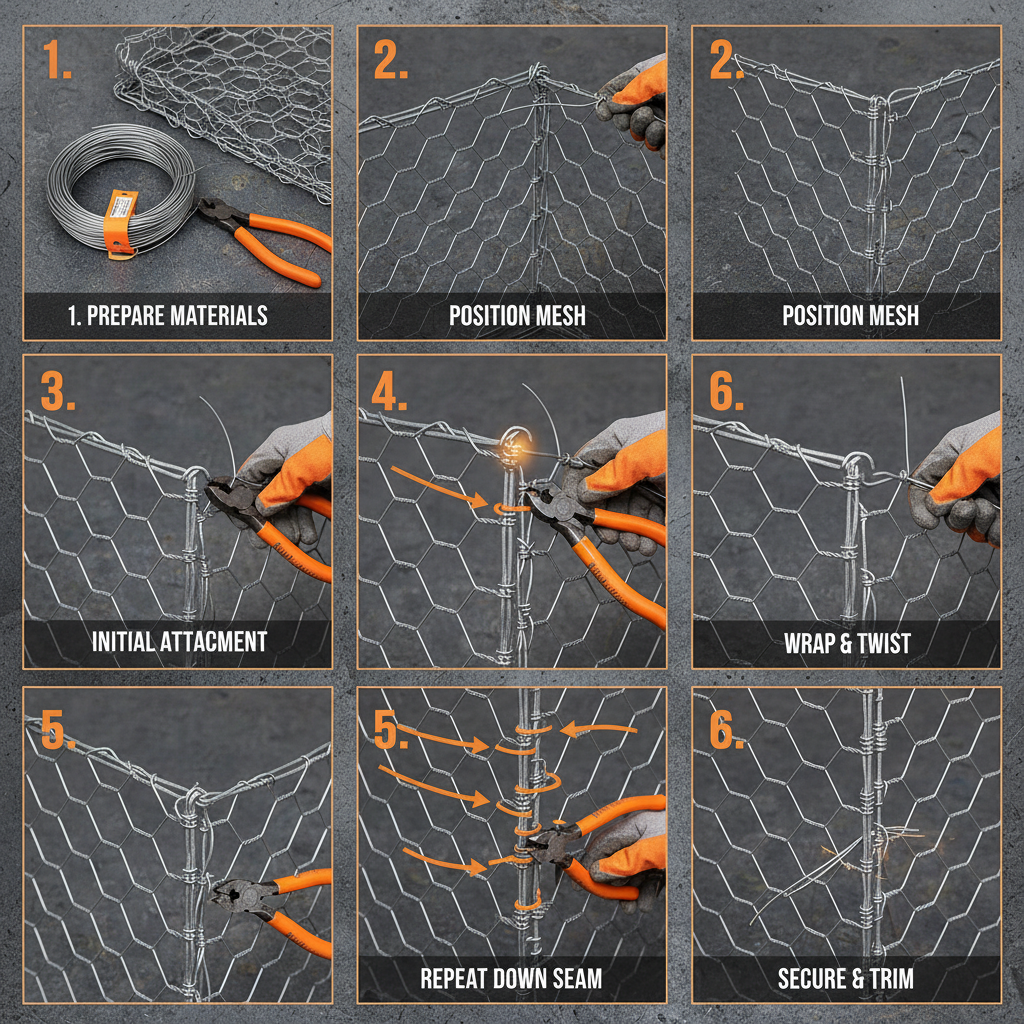
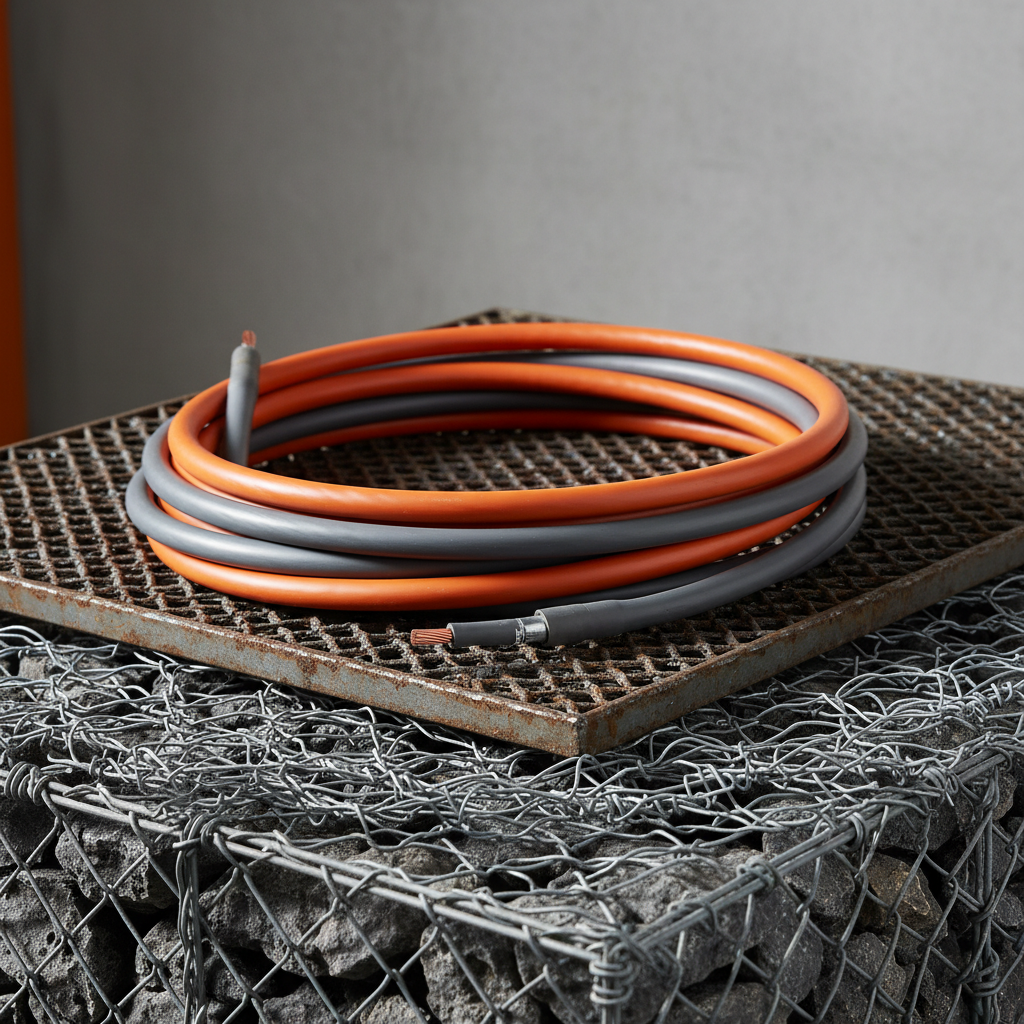
Reinforcing mesh tie wire plays a crucial, often unseen, role in modern construction and various industrial applications. Its primary function is to securely fasten reinforcing mesh – vital for concrete strengthening – ensuring structural integrity and longevity. This seemingly simple component is fundamental to the safety and durability of buildings, bridges, and other critical infrastructure worldwide. Understanding its properties, applications, and future trends is paramount for engineers, construction professionals, and anyone involved in the built environment.
The global demand for reinforcing mesh tie wire is directly correlated with infrastructure development, particularly in rapidly urbanizing regions. According to the UN, global urbanization is projected to reach 68% by 2050, driving a significant need for resilient and sustainable infrastructure. The increasing frequency of natural disasters, as highlighted by the World Bank’s reports on disaster risk management, further emphasizes the importance of robust construction techniques that rely on effective reinforcement solutions, making materials like reinforcing mesh tie wire essential.
A key challenge in many parts of the world is the need for cost-effective and efficient construction methods. Reinforcing mesh tie wire addresses this by streamlining the installation of reinforcement, reducing labor costs, and improving overall construction speed. Furthermore, advancements in materials science are continually enhancing the performance characteristics of these wires, leading to more reliable and durable structures. The proper application of reinforcing mesh tie wire directly translates to increased safety and reduced lifecycle costs for infrastructure projects.
Introduction to Reinforcing Mesh Tie Wire
Reinforcing mesh tie wire is much more than just a fastener; it’s a critical component in the broader context of structural engineering and material science. Its ability to efficiently and reliably connect reinforcing mesh to itself and other structural elements ensures the even distribution of stress throughout concrete structures, preventing cracking and increasing overall load-bearing capacity. The selection of the right type of reinforcing mesh tie wire directly impacts the lifespan and safety of these structures.
The evolution of reinforcing mesh tie wire has paralleled advancements in concrete technology and construction practices. From early, less durable materials to the high-strength, corrosion-resistant options available today, the industry continues to innovate to meet the demanding requirements of modern construction projects. Proper understanding and implementation of reinforcing mesh tie wire is therefore indispensable for maintaining the safety and longevity of buildings, roads, and other essential infrastructure.
Defining Reinforcing Mesh Tie Wire
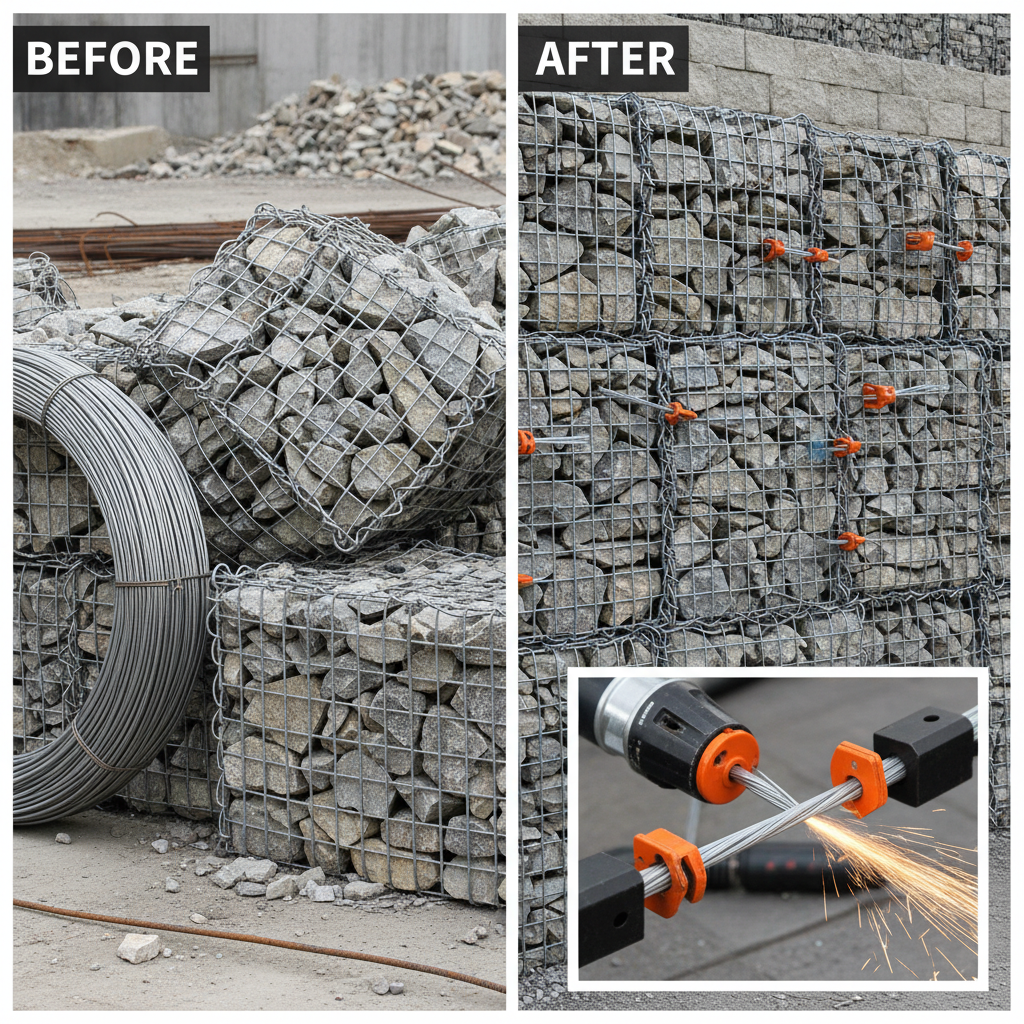
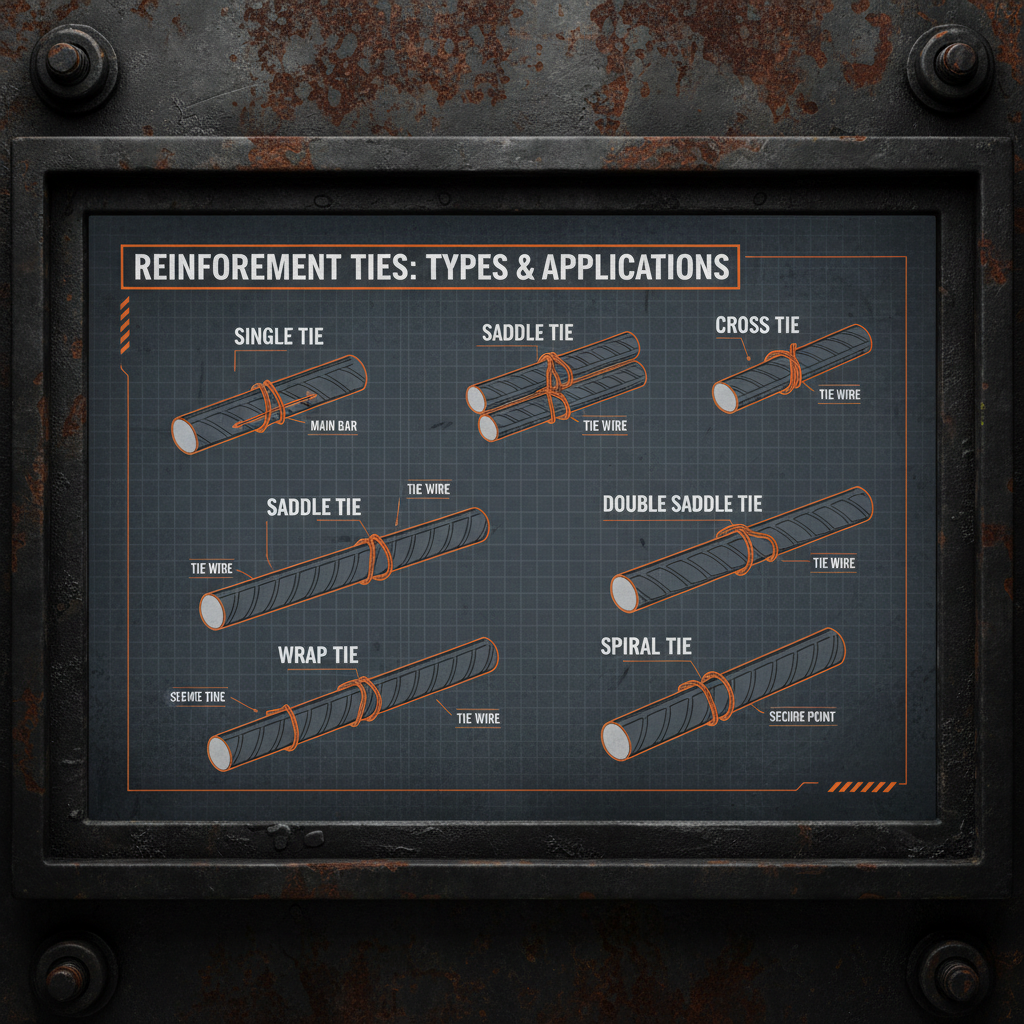
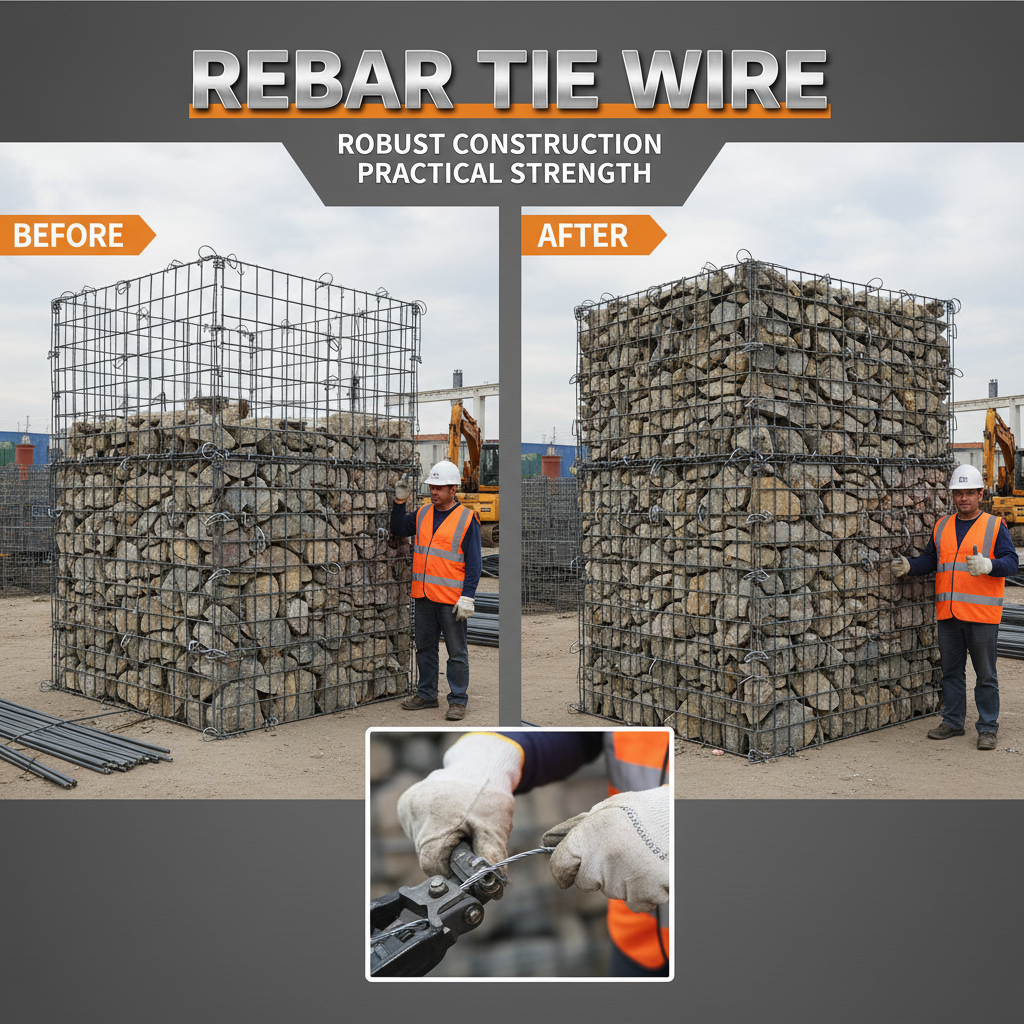
Reinforcing mesh tie wire refers to the galvanized or stainless steel wire used to fasten reinforcing mesh (rebar grids) together during concrete pouring. It’s a relatively small component, but fundamentally important for maintaining the integrity of the mesh structure before the concrete sets. Its primary purpose is to keep the rebar in precise positions, ensuring optimal stress distribution and preventing movement during the concrete curing process. Without it, the mesh could shift, compromising the structural integrity of the final concrete element.
This seemingly simple component bridges the gap between the reinforcing steel and the concrete matrix. It’s a connection point that’s absolutely crucial in ensuring the concrete and steel work cohesively as a composite material, significantly enhancing the structural performance. The selection of the appropriate gauge and material for the wire is essential, depending on the specific application and environmental conditions.
The use of reinforcing mesh tie wire is a standard practice in modern construction, addressing the inherent weakness of concrete in tension. By integrating the steel mesh and securely fastening it with tie wire, the combined structure gains the ability to withstand significant tensile forces, making it suitable for a wide range of building and infrastructure projects.
Core Properties of Reinforcing Mesh Tie Wire
The effectiveness of reinforcing mesh tie wire hinges on several key properties. First and foremost is its tensile strength, which determines its ability to withstand pulling forces without breaking. Higher tensile strength ensures a secure and lasting connection between the rebar. Equally important is its ductility, allowing it to bend and deform slightly without fracturing, accommodating minor movements during concrete pouring.
Corrosion resistance is another critical factor, especially in harsh environmental conditions. Galvanized steel wire provides good protection against rust, while stainless steel offers superior resistance, making it ideal for coastal areas or structures exposed to de-icing salts. The wire gauge (thickness) also plays a significant role; a thicker wire offers greater strength but can be more difficult to work with, requiring careful selection based on the specific project requirements.
Finally, the conformability of the wire is important – it needs to be easily bendable and malleable to securely tie the rebar without damaging the protective coating. This ensures optimal contact and a strong, lasting bond. The interplay of these properties defines the overall performance and reliability of reinforcing mesh tie wire in any given application.
Applications of Reinforcing Mesh Tie Wire
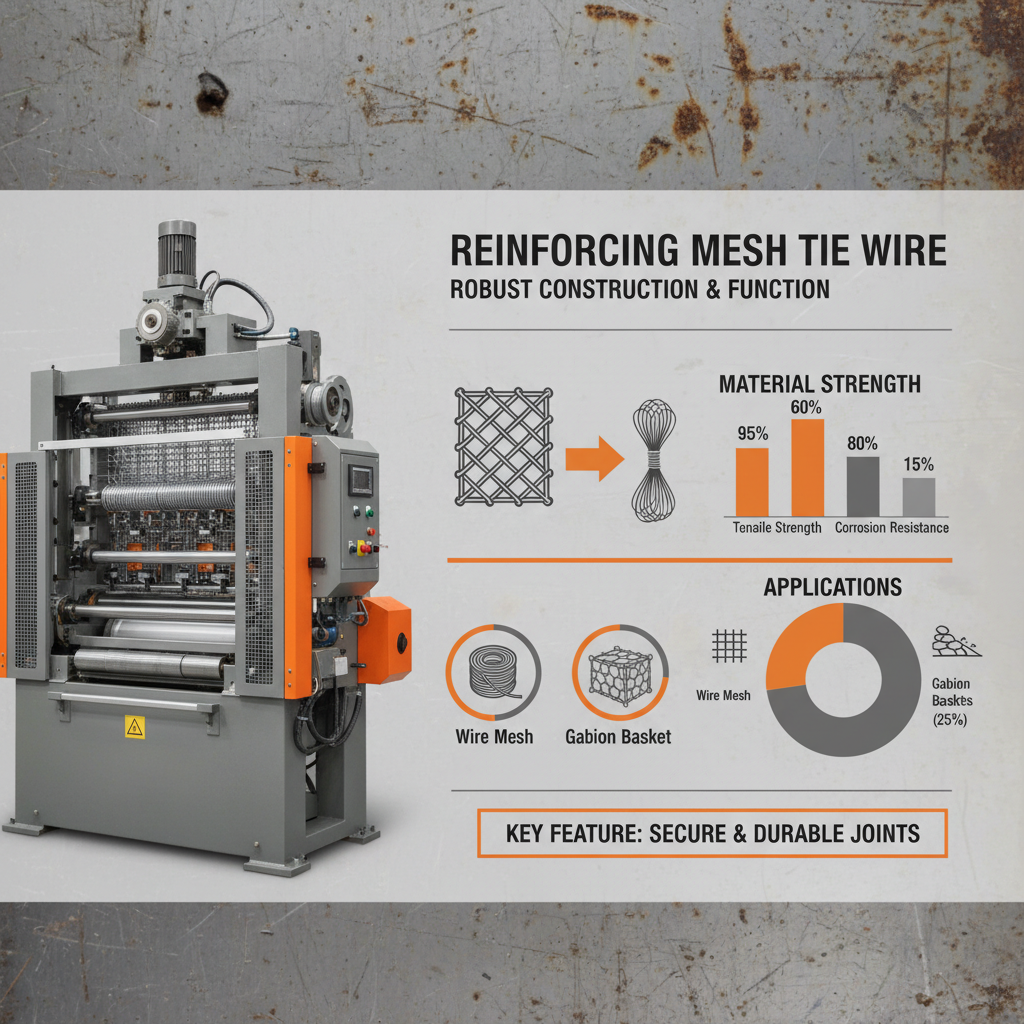
Reinforcing mesh tie wire finds extensive application in a wide array of construction projects. It’s indispensable in the construction of concrete slabs, foundations, walls, and columns, ensuring the proper positioning and integration of rebar within the concrete matrix. In road construction, it's used to reinforce concrete pavements, enhancing their durability and resistance to cracking.
Reinforcing Mesh Tie Wire Application Ratings
Global Implementation and Use Cases
The use of reinforcing mesh tie wire is globally ubiquitous, but implementation varies based on regional building codes and practices. In North America and Europe, stringent regulations dictate the specific types and application methods of tie wire, emphasizing high-quality materials and meticulous installation. In developing countries, where cost is often a primary concern, a wider range of wire gauges and materials may be used, sometimes compromising on long-term durability.
In post-disaster relief operations, reinforcing mesh tie wire plays a vital role in the rapid construction of temporary shelters and infrastructure. Its ease of use and relatively low cost make it an ideal solution for quickly stabilizing structures and providing safe living spaces. Similarly, in remote industrial zones, where access to skilled labor and specialized equipment is limited, the simplicity of tie wire application offers a significant advantage.
Advantages and Long-Term Value
The advantages of using high-quality reinforcing mesh tie wire extend beyond immediate structural integrity. Cost-efficiency is a significant benefit, as it reduces labor time and minimizes the risk of costly repairs or replacements due to inadequate reinforcement. Sustainability is also a growing consideration; using durable, corrosion-resistant wire extends the lifespan of structures, reducing the need for frequent rebuilding and minimizing waste.
However, the most significant long-term value lies in enhanced safety. Properly secured reinforcing mesh significantly reduces the risk of structural failure, protecting lives and property. This peace of mind, combined with the reduced lifecycle costs and environmental benefits, creates a compelling case for investing in high-quality reinforcing mesh tie wire.
Future Trends in Reinforcing Mesh Tie Wire
The future of reinforcing mesh tie wire is likely to be shaped by several key trends. Advancements in materials science are leading to the development of new alloys offering even greater strength, ductility, and corrosion resistance. The integration of digital technologies, such as automated tie-wire machines, is streamlining the installation process and improving accuracy.
Sustainability is driving the demand for eco-friendly alternatives, including recycled steel wire and biodegradable coatings. Furthermore, Building Information Modeling (BIM) is enabling more precise material estimation and optimized reinforcement layouts, reducing waste and improving overall efficiency. These innovations promise to make reinforcing mesh tie wire even more effective, sustainable, and cost-efficient in the years to come.
Summary of Challenges and Solutions in Reinforcing Mesh Tie Wire Application
| Challenge |
Impact on Reinforcing Mesh Tie Wire |
Potential Solution |
Implementation Cost (1-10) |
| Corrosion in Coastal Environments |
Reduced lifespan of tie wire, compromising rebar connection. |
Use of stainless steel tie wire or specialized coatings. |
8 |
| Labor-Intensive Installation |
Increased project costs and potential for inconsistent quality. |
Implementation of automated tie-wire machines. |
7 |
| Material Cost Fluctuations |
Unpredictable project budgets and potential for using inferior materials. |
Long-term supply contracts and strategic sourcing. |
5 |
| Inadequate Training of Installers |
Incorrect tie wire application leading to structural weaknesses. |
Comprehensive training programs and certification for installers. |
6 |
| Waste Generation |
Environmental impact and increased material costs. |
Implementation of lean construction principles and material optimization. |
4 |
| Lack of Standardization |
Inconsistencies in quality and performance across different projects. |
Adoption of industry-wide standards for tie wire specifications. |
5 |
FAQS
Reinforcing mesh tie wire securely fastens reinforcing mesh (rebar grids) together during concrete pouring, maintaining the mesh's precise position. This ensures optimal stress distribution within the concrete, preventing cracking and enhancing the load-bearing capacity of the structure. Without it, the mesh could shift, compromising structural integrity.
For coastal applications, stainless steel reinforcing mesh tie wire is highly recommended due to its superior corrosion resistance. While galvanized steel provides some protection, the harsh salt air environment can lead to rust and eventual failure. Stainless steel offers long-term durability and reliability in such corrosive conditions.
The gauge (thickness) of reinforcing mesh tie wire directly impacts its tensile strength. A thicker gauge offers greater strength and a more secure connection, but it can be harder to manipulate. Choosing the appropriate gauge depends on the size of the rebar, the expected loads, and the specific application requirements.
Yes, automated tie-wire machines are becoming increasingly popular, particularly on large-scale projects. These machines significantly reduce labor time, improve consistency, and minimize the risk of human error. While the initial investment is higher, the long-term cost savings and efficiency gains can be substantial.
Proper application involves ensuring that the tie wire is tightly secured around the intersection points of the rebar, avoiding any slack or looseness. Installers should be properly trained and certified, following established industry best practices and adhering to project specifications. Regular inspection is also crucial to verify the quality of the connections.
The environmental impact primarily stems from the energy-intensive production of steel. Sustainable alternatives include using recycled steel wire, exploring biodegradable coatings to reduce corrosion, and implementing lean construction principles to minimize waste. Choosing local suppliers can also reduce transportation emissions.
Conclusion
In conclusion, reinforcing mesh tie wire, while often overlooked, is an absolutely essential component of modern construction. Its role in ensuring the structural integrity, safety, and longevity of concrete structures cannot be overstated. From its fundamental properties – tensile strength, ductility, and corrosion resistance – to its diverse applications across various industries, the significance of this small but mighty fastener is undeniable.
Looking forward, continued innovation in materials science, automation, and sustainable practices will further enhance the performance and value of reinforcing mesh tie wire. By embracing these advancements and prioritizing quality and proper installation, we can build a more resilient, durable, and sustainable built environment for generations to come. To learn more about high-quality reinforcing mesh tie wire solutions, visit our website: www.wiremeshpro.com.

 Phone:
 Email: