-
 Phone:
 -
 Email:
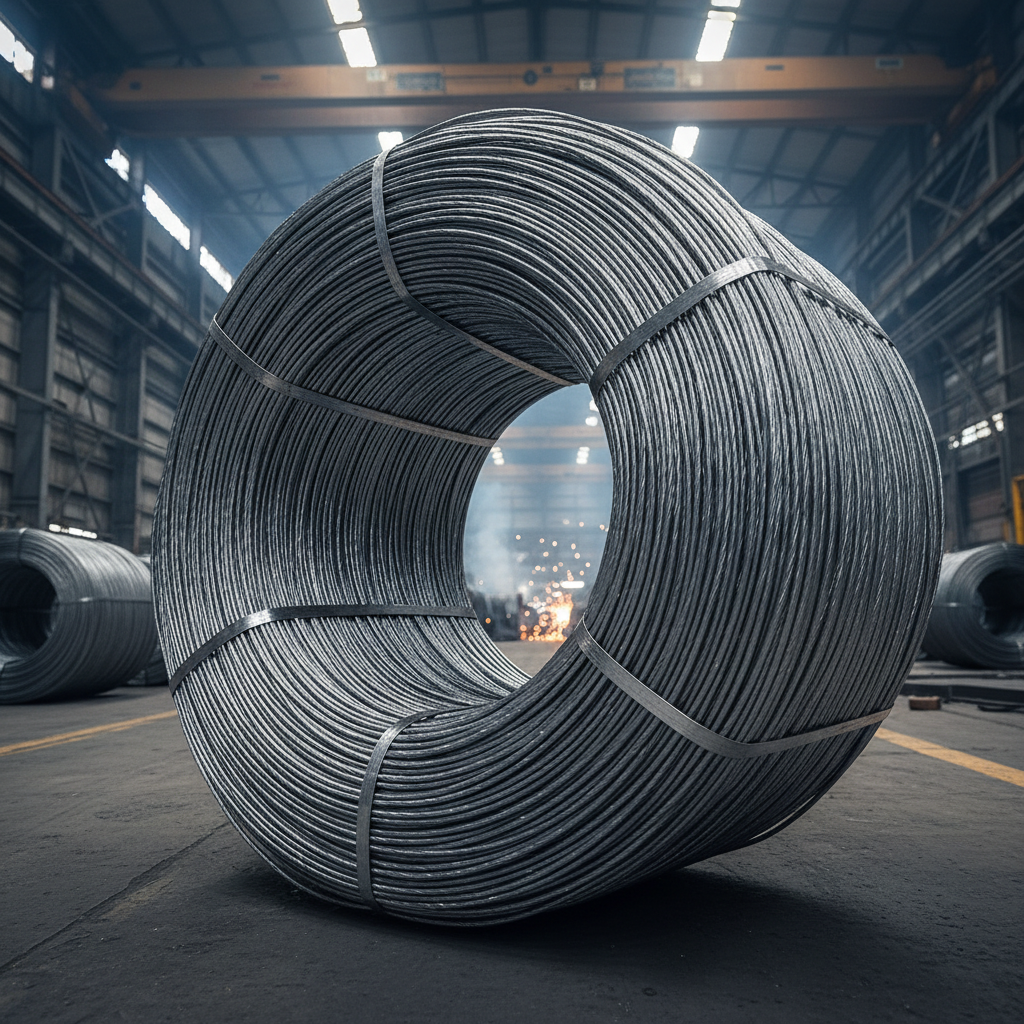
Metal baling wire plays a crucial, often unseen, role in modern industry and resource management. From recycling facilities processing vast quantities of scrap metal to agricultural operations bundling hay and straw, this seemingly simple product enables efficient handling and transportation of materials globally. Understanding its properties, applications, and evolving standards is essential for businesses seeking to optimize operations and minimize costs.
The global demand for metal baling wire is directly linked to industrial output and recycling rates, making it a key indicator of economic activity. Growing concerns about sustainability and resource scarcity are further driving the need for efficient material recovery systems, thus increasing the reliance on reliable baling solutions. A robust supply chain and knowledge of different wire types are paramount to meet these evolving demands.
Beyond industrial applications, metal baling wire is increasingly important in disaster relief and humanitarian aid, used in constructing temporary shelters and securing essential supplies. Its strength, durability, and relative affordability make it a practical solution in challenging environments, offering a critical component in rapid response efforts.
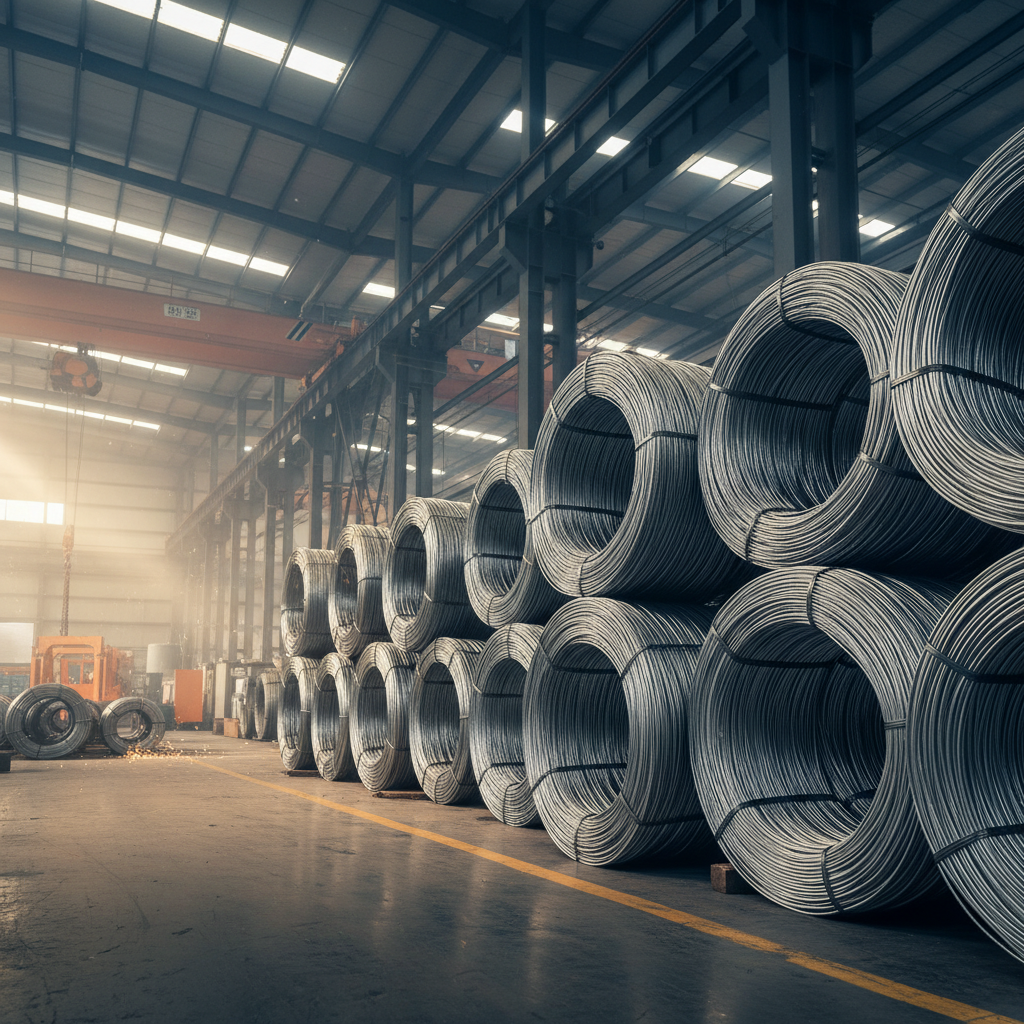
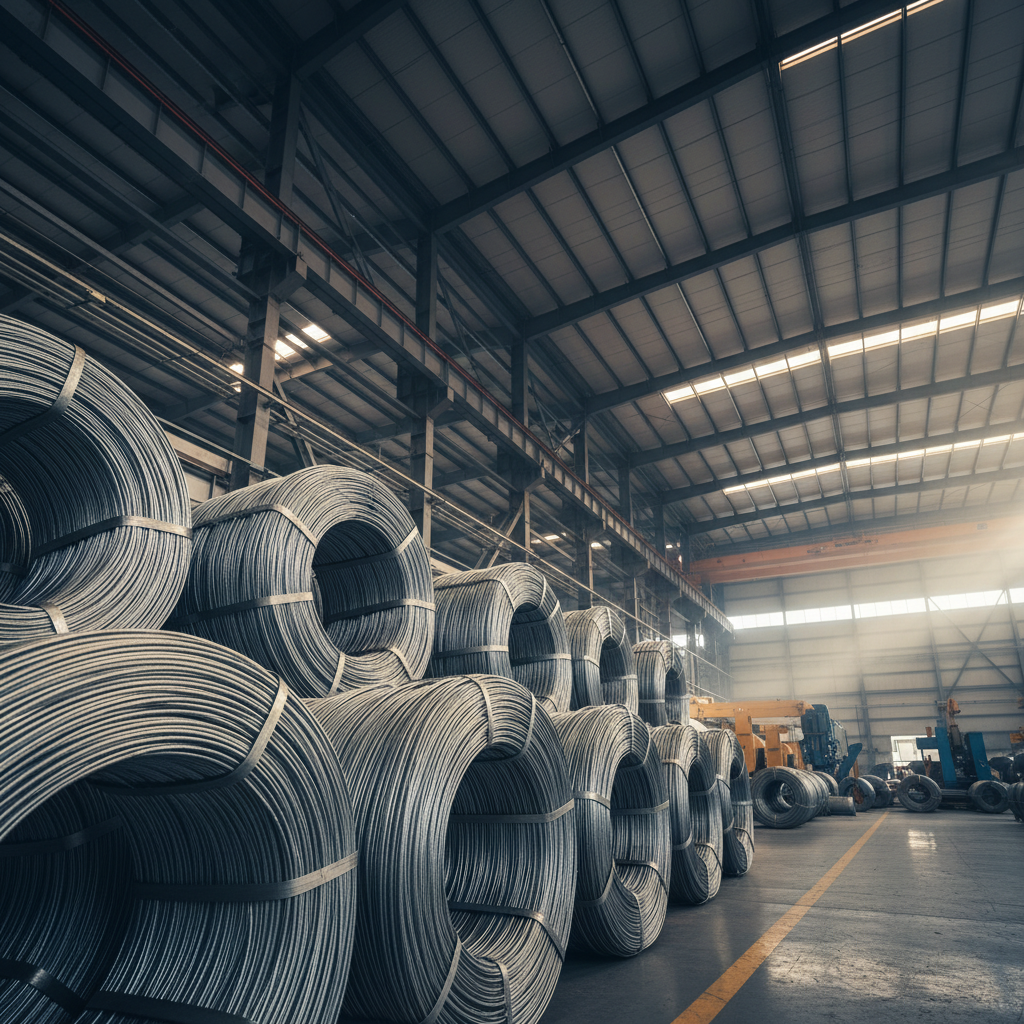
Metal baling wire is more than just a fastener; it's a crucial component in the circular economy, enabling the efficient collection, processing, and recycling of valuable metal resources. Without reliable baling solutions, the logistics of handling scrap metal would be significantly more complex and costly, hindering sustainability efforts.
Its applications extend beyond recycling to include diverse sectors like agriculture, waste management, and even temporary construction. The inherent strength and adaptability of metal baling wire make it a versatile solution for a wide range of bundling and securing needs across different industries, often representing a cost-effective alternative to more complex fastening systems.
For recycling aluminum cans, a wire gauge between 2.0 and 2.5mm is generally recommended. This provides sufficient strength to compress the cans effectively without being overly thick and costly. Galvanized steel wire offers good corrosion resistance, which is important for outdoor storage. Consider the capacity of your baler and the density you aim to achieve when making your final selection.
The coating significantly impacts the wire’s resistance to corrosion and, consequently, its lifespan. Galvanized coatings are the most common and provide a good balance of protection and cost-effectiveness. However, for highly corrosive environments (e.g., near saltwater), consider polymer coatings or higher zinc content galvanization for extended durability. Regularly inspect the wire for signs of rust or coating damage.
Yes, absolutely! Metal baling wire is itself a valuable recyclable material. Scrap metal yards will typically accept used wire, which can then be processed and re-melted for reuse. This contributes to a circular economy and reduces the demand for virgin steel. Removing any plastic or non-metal components prior to recycling is recommended.
Handling metal baling wire requires caution. Always wear appropriate gloves to protect your hands from sharp edges and potential cuts. Use wire cutters designed for the gauge of wire being used. Avoid unraveling coiled wire forcefully, as it can snap back with considerable force. Store wire in a safe, dry location to prevent corrosion and potential hazards.
For hay bales, a high-tensile galvanized wire between 2.8 and 3.5mm is often the best choice. It needs to withstand the weight and pressure of the bale, as well as exposure to the elements. Ensure the wire is compatible with your baling machine's tensioning system. Regular checks of wire tension are vital for secure bales that maintain their shape during transport and storage.
Single loop wire is pre-cut and bent into a loop, making it quick and easy to thread through baling machines. Double loop wire features two loops, which can increase efficiency by reducing the frequency of re-threading. The choice depends on your baling equipment and the volume of material being processed. Some balers are specifically designed for one type or the other.
Metal baling wire, though often overlooked, remains a cornerstone of modern material handling and resource recovery. Its properties – strength, durability, and cost-effectiveness – coupled with its versatility across diverse industries, solidify its enduring importance. From bolstering recycling efforts to supporting agricultural operations and providing crucial aid in disaster relief, the impact of metal baling wire is far-reaching.
As we move toward a more sustainable future, innovation in baling wire technology – lighter alloys, automated systems, and closed-loop recycling initiatives – will be crucial. Prioritizing quality, selecting the appropriate wire type for specific applications, and embracing responsible recycling practices will not only optimize operational efficiency but also contribute to a more circular and resilient economy. Visit our website at www.wiremeshpro.com to explore our comprehensive range of metal baling wire solutions and learn more.