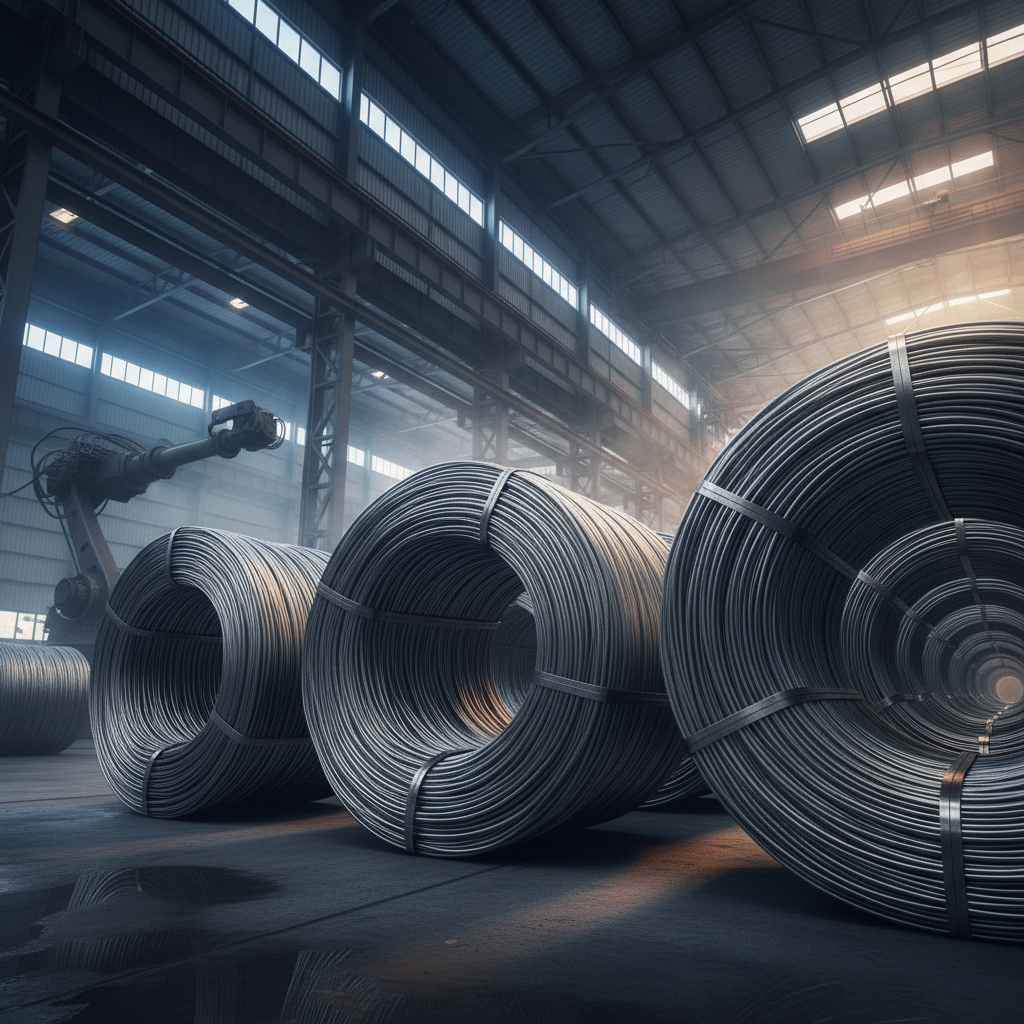
Steel baling wire is an essential component in numerous industries worldwide, facilitating the efficient and cost-effective compression and securing of materials. From recycling facilities managing scrap metal to agricultural operations bundling hay and straw, this versatile wire plays a crucial role in streamlining processes and reducing logistical challenges. Understanding its properties, applications, and future developments is vital for businesses and organizations seeking to optimize their operations and contribute to sustainable practices.
The global demand for steel baling wire is intrinsically linked to economic activity and material recycling rates. As industries generate increasing volumes of recyclable materials, the need for reliable and durable baling solutions grows accordingly. Furthermore, the wire's applications extend beyond industrial recycling, encompassing disaster relief efforts, material handling in warehouses, and even securing goods during transportation, highlighting its broad relevance in a rapidly changing world. Statistics from the World Steel Association indicate a consistent rise in global steel recycling, directly influencing the demand for supporting products like steel baling wire.
Addressing the challenges of material waste and efficient resource management, steel baling wire provides a practical and scalable solution. It allows for the compaction of loose materials into manageable bales, reducing volume and facilitating safe and efficient storage and transportation. This contributes to lower shipping costs, minimized waste disposal fees, and a more circular economy, making it an indispensable tool in modern logistics and sustainable resource management.
Introduction to Steel Baling Wire
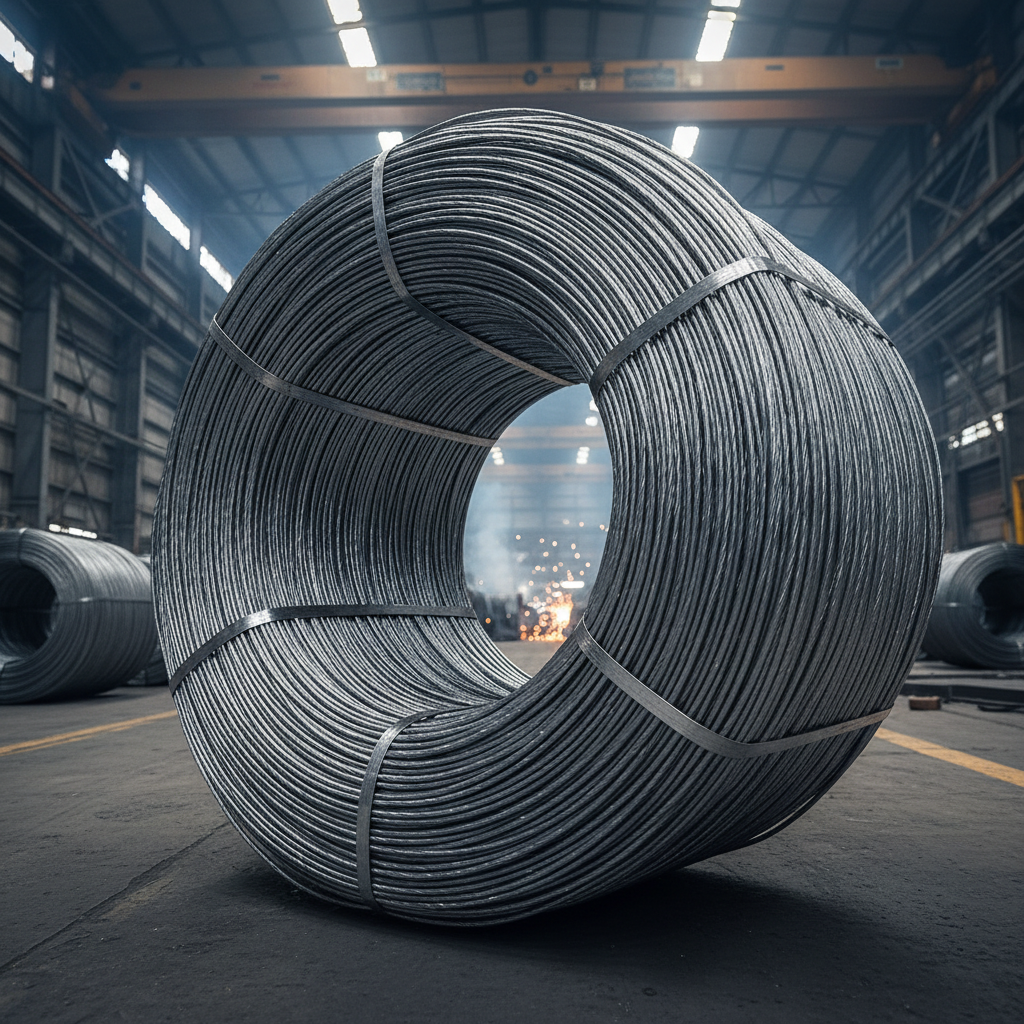
Steel baling wire is a high-strength wire specifically designed for securing and compacting a variety of materials into bales. These bales are then easily handled, stored, and transported. Its robust nature ensures the integrity of the bale throughout the entire supply chain, preventing shifting and damage. This is critical across numerous sectors, from paper mills needing to secure recycled paper to aluminum processors handling scrap metal.
The selection of the correct steel baling wire is paramount for optimal performance. Factors such as wire gauge, tensile strength, and coating influence the wire’s ability to withstand stress and resist corrosion. Selecting the appropriate steel baling wire ensures that bales remain securely bound, minimizing material loss and maintaining product quality.
Defining Steel Baling Wire
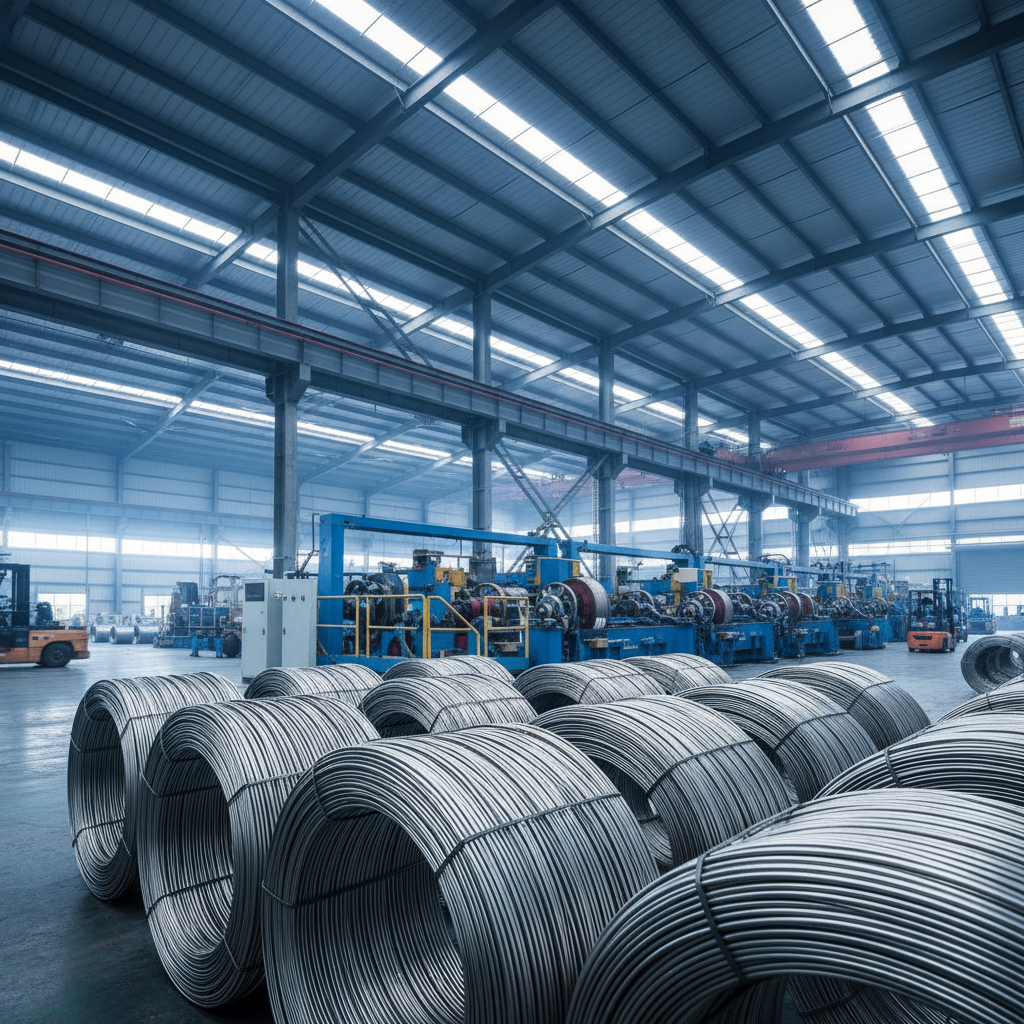
Steel baling wire is fundamentally a specialized type of wire created from carbon steel, known for its high tensile strength and ductility. It is typically produced through a drawing process, where steel rods are pulled through a series of dies to achieve the desired diameter. This process enhances the wire’s strength and ensures a consistent gauge. Different grades of steel are used, impacting the wire’s performance characteristics.
The primary purpose of steel baling wire is to bind together loose materials, such as recyclable paper, plastic, cardboard, textiles, and metal scrap, into dense, manageable bales. This compression reduces volume, streamlines transportation, and facilitates efficient recycling processes. The wire’s strength ensures that the bales remain intact during handling, storage, and transportation, preventing material spillage and maintaining safety.
Its connection to modern industry and humanitarian needs lies in its fundamental role in waste management and resource recovery. By enabling efficient compression of recyclable materials, it supports sustainable practices and reduces landfill waste. Furthermore, in disaster relief scenarios, steel baling wire can be repurposed for securing temporary shelters, reinforcing structures, and creating makeshift fencing, demonstrating its versatility beyond industrial applications.
Key Properties of Steel Baling Wire
Durability is a cornerstone of steel baling wire's effectiveness. High tensile strength prevents breakage during baling and transportation, even under significant stress. This directly impacts cost savings by reducing the frequency of wire replacements and minimizing material loss from compromised bales.
Corrosion resistance is another critical property. Many steel baling wires are coated with zinc or other protective materials to prevent rust and degradation, especially in humid or corrosive environments. This extends the wire’s lifespan and maintains its integrity, contributing to long-term cost efficiency.
Flexibility is also essential. The wire needs to be pliable enough to be easily manipulated around materials and securely tied without snapping or deforming. This ensures efficient baling operations and reduces worker strain. The proper combination of strength and flexibility is what sets high-quality steel baling wire apart.
Applications and Industries Utilizing Steel Baling Wire
The recycling industry is arguably the largest consumer of steel baling wire. Recycling facilities use it extensively to compress and secure materials like aluminum, steel, paper, cardboard, and plastics, preparing them for efficient transportation to processing plants. This process is vital for resource recovery and reducing landfill waste.
Agricultural operations utilize steel baling wire to compact hay, straw, and other agricultural products for storage and transport. Securely baled hay maintains its quality and prevents spoilage, making it ideal for livestock feed. The durability of the wire ensures the bales remain intact during handling and transportation.
Steel Baling Wire Usage by Industry
Advantages and Long-Term Value
Cost-effectiveness is a significant advantage of using steel baling wire. Compared to alternative baling materials, it offers a high strength-to-cost ratio, reducing overall operational expenses. The durability of the wire minimizes replacements, further enhancing its economic benefits.
Sustainability is another key benefit. Steel is a highly recyclable material, and using steel baling wire supports a circular economy. The efficient compaction of recyclable materials reduces transportation costs and landfill waste, contributing to environmentally responsible practices.
Global Applications & Use Cases
In North America and Europe, steel baling wire is widely employed in large-scale recycling facilities processing vast quantities of paper, plastics, and metals. These regions have well-established recycling infrastructures and stringent environmental regulations, driving demand for efficient baling solutions.
In developing countries, steel baling wire is crucial for managing growing volumes of waste and supporting emerging recycling industries. Often utilized in smaller, localized recycling operations, it provides an affordable and effective means of compressing materials for transport and processing. In post-disaster relief operations, it can be rapidly deployed to create temporary shelters and secure critical supplies.
Across Asia, particularly in countries with robust manufacturing sectors, steel baling wire is essential for handling scrap metal generated from industrial processes. It allows for efficient collection and processing of valuable metal resources, contributing to resource conservation and economic growth.
Future Trends & Innovations
The development of higher-strength steel alloys is a key trend in steel baling wire technology. These alloys offer increased tensile strength and durability, allowing for thinner wire gauges and reduced material usage. This leads to lower costs and a smaller environmental footprint.
Automated baling systems are becoming increasingly prevalent. These systems integrate with steel baling wire to streamline the baling process, improve efficiency, and reduce labor costs. Digital monitoring and control systems provide real-time data on wire usage and bale quality, optimizing performance and minimizing waste.
The growing emphasis on sustainability is driving demand for eco-friendly wire coatings. Manufacturers are exploring alternatives to traditional zinc coatings, focusing on materials that are less harmful to the environment and offer enhanced corrosion protection. This aligns with global efforts to promote a circular economy and reduce environmental impact.
Summary of Steel Baling Wire Innovation Trends
| Innovation Area |
Current Status |
Potential Impact |
Adoption Rate (1-10) |
| High-Strength Alloys |
Emerging, limited commercial availability |
Reduced wire usage, lower costs, enhanced bale integrity |
6 |
| Automated Baling Systems |
Increasingly common in large facilities |
Improved efficiency, reduced labor costs, consistent bale quality |
8 |
| Eco-Friendly Coatings |
Research and development phase |
Reduced environmental impact, improved sustainability |
5 |
| Smart Wire Sensors |
Conceptual stage, initial prototyping |
Real-time monitoring of wire tension, predictive maintenance, optimized baling |
3 |
| Biodegradable Wire Alternatives |
Early research, significant challenges in strength and durability |
Completely sustainable baling solution, minimal environmental impact |
2 |
| AI-Powered Baling Optimization |
Emerging, utilizing machine learning to optimize baling parameters |
Maximized bale density, reduced wire consumption, improved overall efficiency |
4 |
FAQS
The lifespan of steel baling wire in a recycling facility varies based on the type of material being baled, the baling machine used, and the environmental conditions. Generally, a well-maintained wire can last for several bales before needing replacement, averaging between 50-150 bales. Regularly checking for wear and tear, corrosion, and breakage is crucial for optimal performance and safety. Utilizing coated wire can significantly extend its lifespan.
For baling aluminum scrap, a wire gauge between 11 and 12.5 gauge is typically recommended. Aluminum is a relatively soft metal, so a heavier gauge wire isn't always necessary. However, selecting a wire with sufficient tensile strength is crucial to prevent breakage during compaction and transport. The specific gauge will also depend on the size and capacity of your baling machine.
Rust prevention is key to maximizing the lifespan of steel baling wire. Opting for galvanized or coated wire is the most effective solution, as the zinc coating provides a protective barrier against corrosion. Additionally, storing the wire in a dry, sheltered environment away from moisture and corrosive chemicals is essential. Regularly inspect the wire for signs of rust and address any issues promptly.
Handling steel baling wire requires caution due to its sharp edges and tensile strength. Always wear appropriate personal protective equipment (PPE), including gloves, safety glasses, and sturdy footwear. Avoid direct contact with the wire and use proper tools for cutting and handling. Ensure the baling machine is properly maintained and operated according to the manufacturer’s instructions to prevent accidents.
Steel baling wire is relatively environmentally friendly due to the inherent recyclability of steel. The efficient compression of materials it enables reduces transportation costs and landfill waste, contributing to a more sustainable waste management system. Furthermore, choosing coated wires with environmentally responsible coatings can further minimize its environmental impact. The steel itself can be recovered and recycled at the end of its lifespan.
Mild steel baling wire is more ductile and easier to work with, making it suitable for lower-density materials. However, high tensile steel baling wire provides significantly greater strength and durability, making it ideal for compressing denser, heavier materials like metal scrap. While more expensive, high tensile wire often requires less wire per bale, resulting in long-term cost savings and improved bale stability.
Conclusion
Steel baling wire remains an indispensable component in modern waste management, recycling, and industrial material handling. Its inherent strength, durability, and cost-effectiveness continue to make it the preferred choice for securing and compressing a wide range of materials. From enabling efficient resource recovery to supporting vital disaster relief efforts, its applications are diverse and impactful. The continuous development of higher-strength alloys, eco-friendly coatings, and automated baling systems promises to further enhance its performance and sustainability.
Looking ahead, embracing innovation in steel baling wire technology will be crucial for businesses and organizations seeking to optimize their operations and minimize their environmental footprint. Investing in high-quality wire, implementing best practices for handling and maintenance, and exploring emerging technologies will ensure that steel baling wire continues to play a vital role in creating a more sustainable and efficient future. Visit our website at www.wiremeshpro.com to learn more about our comprehensive range of steel baling wire products and solutions.

 Phone:
 Email: