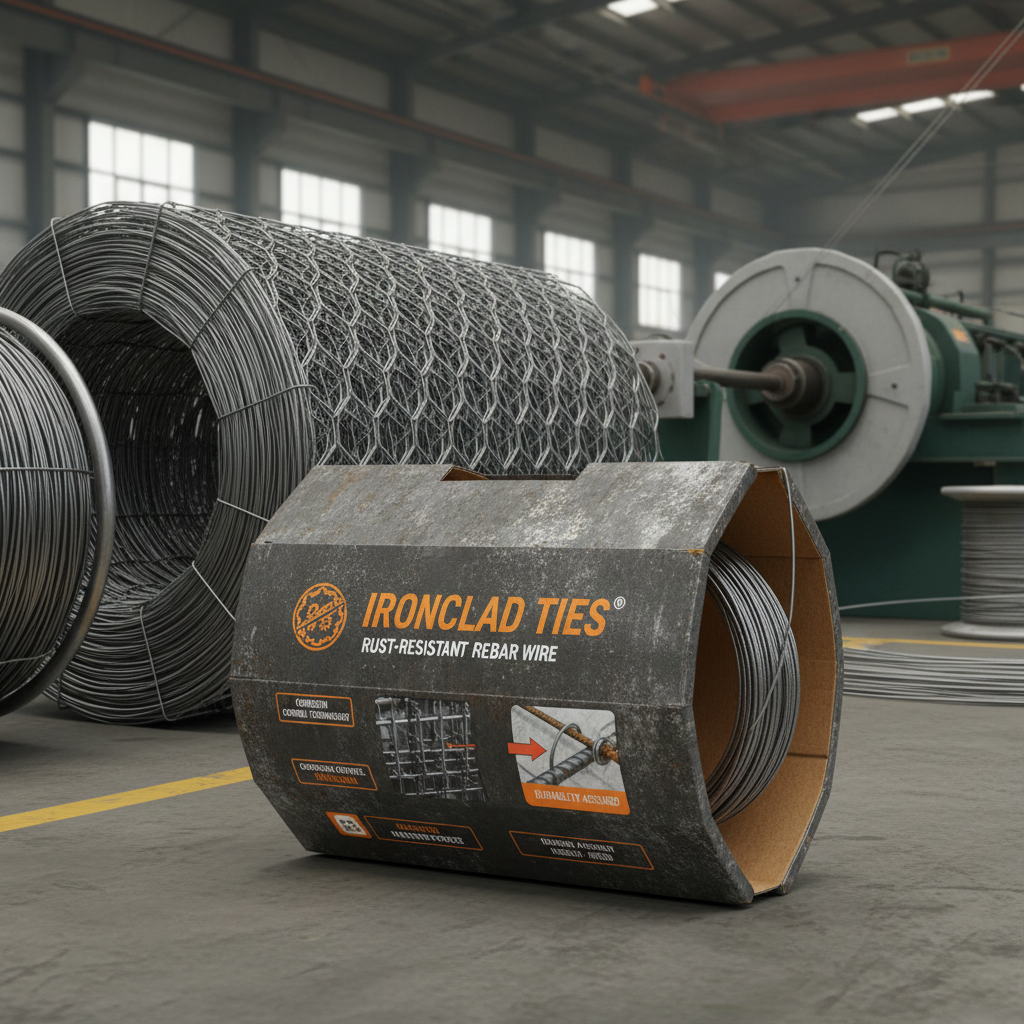
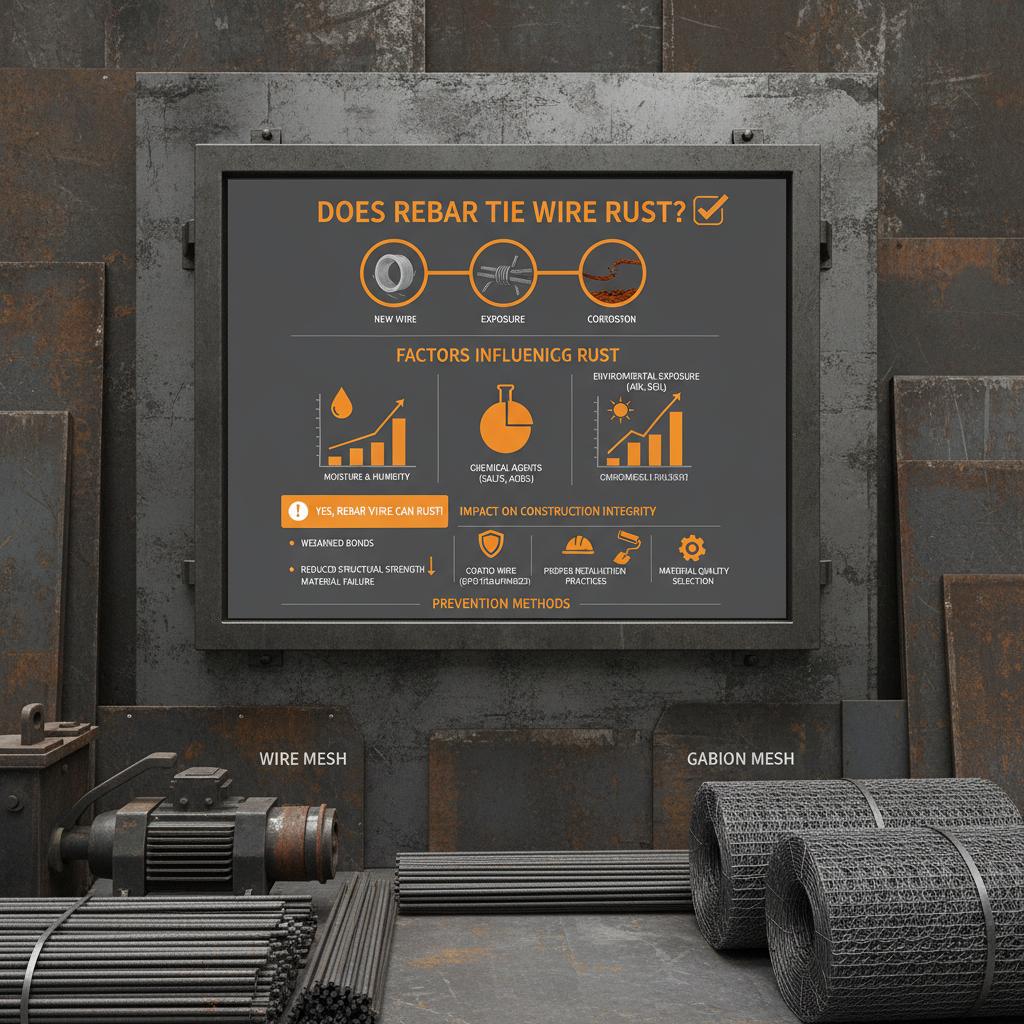
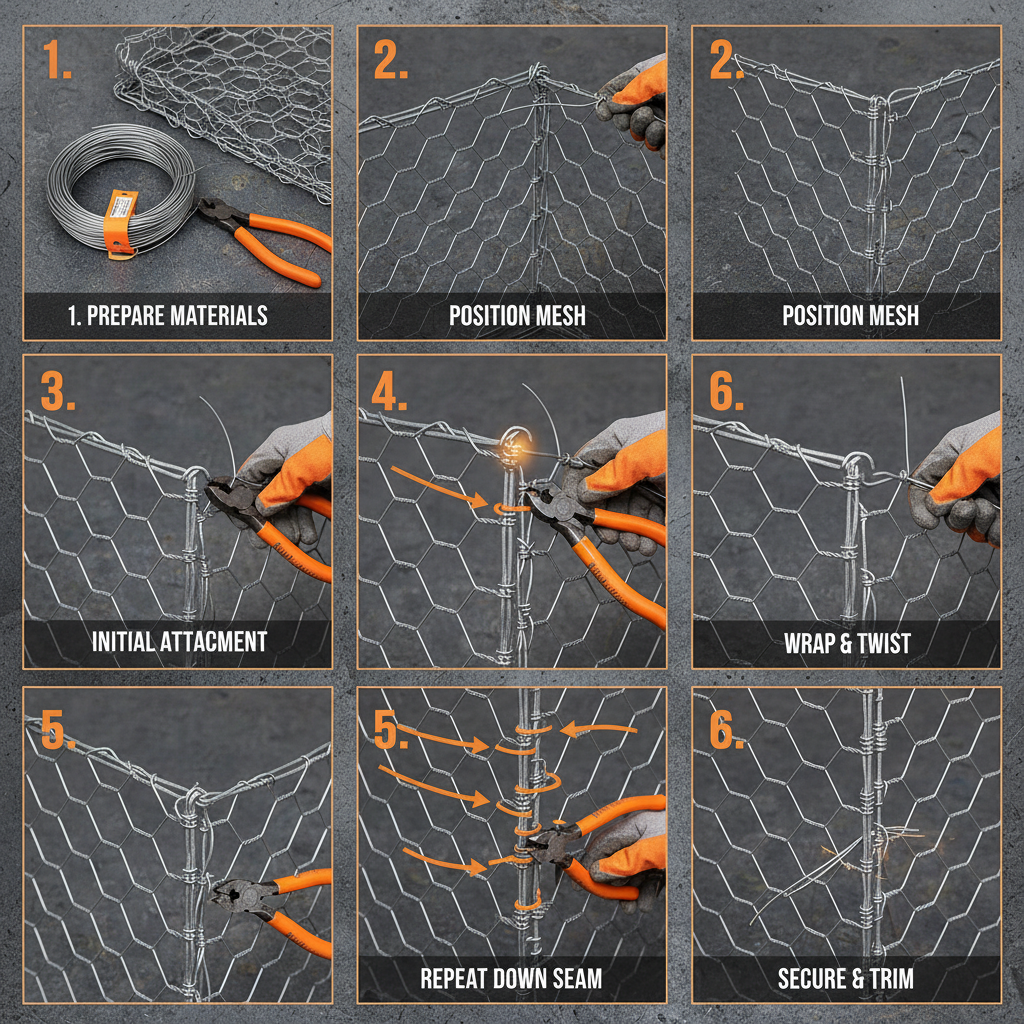
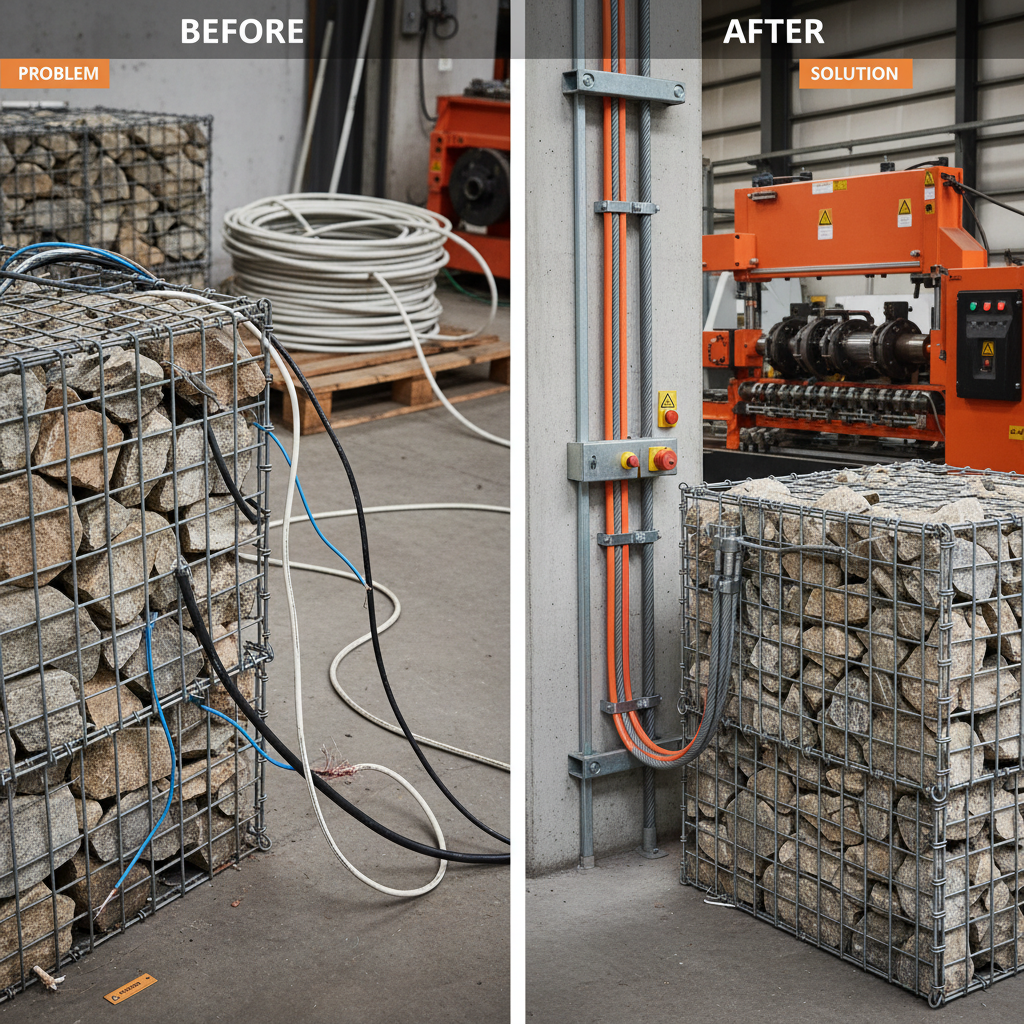
Let’s talk rebar tie wire. You wouldn't think something so small would cause so much headache, but I've seen entire projects slowed down because of rust issues with this stuff. It's a seemingly minor component, but it’s critical for the structural integrity of any reinforced concrete build. Honestly, after years on job sites, the biggest question I get isn't about the rebar itself, but whether or not that tie wire is going to hold up. It's about more than just avoiding a re-tie; it’s about safety and preventing costly delays.
The problem isn't the wire itself; it's the environment. Construction sites are brutal – exposed to the elements, salt air near coasts, even just humidity can accelerate corrosion. That’s where understanding if rebar tie wire rust is a real concern and what you can do about it becomes vital. We’re talking about potentially compromising the entire reinforcement cage, and nobody wants to deal with that fallout. It’s a constant calculation of cost versus risk, and a lot of foremen just assume it's "good enough" until it's not.
So, does rebar tie wire rust? Yes, absolutely. And it’s not a simple “yes” or “no” answer. It depends on the type of wire, the coating (if any), and the environmental conditions. Knowing the nuances makes a massive difference in how you specify materials and how long your project stays on schedule. I’ve seen too many projects where a quick saving on cheaper wire costs a fortune down the line in rework and delays.
The Importance of Addressing does rebar tie wire rust
Look, in construction, everything's interconnected. If the tie wire fails, the rebar cage can shift during pouring, leading to improper concrete cover and reduced structural capacity. That’s not something you discover after the fact. The cost of rectifying that – and the potential for catastrophic failure – is immense. I've seen projects held up for weeks while they had to manually re-tie entire sections.
It's not just big structures either. Even residential foundations are relying on properly secured rebar. Ignoring the potential for does rebar tie wire rust is a gamble that no conscientious contractor should take. It’s about building it right the first time, minimizing risk, and ensuring a safe and durable structure for years to come.
Defining Rebar Tie Wire and Corrosion
Rebar tie wire is typically made of low-carbon steel, designed to temporarily hold rebar in place during assembly before concrete is poured. Its job is to maintain the spacing and positioning of the reinforcement. It's not meant to be a permanent structural component. The problem arises when it’s exposed to moisture and oxygen – the classic recipe for rust.
Corrosion, in this case, is the electrochemical degradation of the steel. The iron in the wire reacts with oxygen, forming iron oxide (rust). This weakens the wire, reducing its tensile strength and making it brittle. A rusty tie wire can snap easily, even under minimal stress.
This seemingly small issue ties directly into modern building codes and safety regulations. Codes dictate proper rebar placement and securement, and corroded tie wire clearly violates those standards. It’s not just a material issue; it’s a compliance issue.
Key Factors Influencing does rebar tie wire rust
Several factors contribute to how quickly rebar tie wire will rust. First, the environment plays a huge role. Coastal areas with salt spray are particularly aggressive. Industrial zones with acidic pollutants also accelerate corrosion. Even inland, areas with high humidity or frequent rainfall are problematic.
Second, the wire’s composition and coating are critical. Standard carbon steel wire is highly susceptible to rust. Galvanized wire offers some protection, as the zinc coating acts as a barrier, but even that coating degrades over time. Epoxy-coated wire provides a more robust barrier, but it’s also more expensive. I've seen epoxy coatings damaged during handling, which defeats the purpose.
Finally, storage and handling matter. Leaving wire exposed to the elements before use, or stacking it directly on damp ground, will dramatically increase the rate of corrosion. Proper storage in a dry, covered area is essential. It’s a simple thing, but often overlooked on busy job sites.
Global Applications and Regional Considerations
Reinforced concrete is used everywhere – bridges, buildings, tunnels, dams, you name it. Therefore, the issue of does rebar tie wire rust is a global one. However, the severity varies significantly depending on the region.
In coastal regions like Florida or the Middle East, saltwater exposure is a major concern, necessitating the use of more corrosion-resistant tie wire. In colder climates with heavy snow and road salt, the tie wire is constantly exposed to corrosive elements. Even in seemingly benign environments, long-term exposure to humidity and temperature fluctuations can cause problems.
We've seen a significant increase in demand for corrosion-resistant tie wire in infrastructure projects worldwide, particularly in developing countries where durability and long-term maintenance are paramount. These are structures that need to last for decades, and cutting corners on something like tie wire can have devastating consequences.
Comparison of does rebar tie wire rust Resistance by Coating Type
Advantages of Corrosion-Resistant Tie Wire
Investing in corrosion-resistant tie wire, even if it means a higher upfront cost, pays off in the long run. The primary advantage is reduced risk of failure and the associated rework. It buys you peace of mind knowing that your rebar cage will remain secure throughout the construction process.
Beyond that, it minimizes delays and potential cost overruns. Rework is expensive – labor, materials, and downtime all add up quickly. Using a more durable tie wire means fewer interruptions and a smoother project flow.
Future Trends and Innovations in Rebar Tying
We’re starting to see some really interesting developments in rebar tying technology. Automated tying machines are becoming more common, improving speed and consistency. These machines can handle different types of tie wire, including corrosion-resistant options.
There's also research into new materials for tie wire, including high-strength polymers and more advanced metal alloys. The goal is to find materials that offer superior corrosion resistance and even greater strength. I’m also watching the development of biodegradable tie wire, which would minimize waste on job sites.
Digital monitoring systems are another emerging trend. Sensors embedded in the rebar cage can detect wire breakage or corrosion, providing early warning signs of potential problems. This allows for proactive maintenance and prevents catastrophic failures.
Mitigating Risks and Ensuring Long-Term Durability
The best approach to dealing with does rebar tie wire rust is a proactive one. Start with a thorough site assessment to identify potential corrosion risks. Specify the appropriate type of tie wire based on the environment and project requirements.
Implement proper storage and handling procedures to minimize exposure to the elements. Train your crew on the importance of using and protecting corrosion-resistant wire. Regular inspections can also help identify any early signs of corrosion.
Finally, document everything. Keep records of the type of tie wire used, storage conditions, and inspection results. This documentation can be invaluable in the event of a claim or dispute. Don’t underestimate the importance of good record-keeping.
Summary of Risk Mitigation Strategies for does rebar tie wire rust
| Risk Factor |
Mitigation Strategy |
Implementation Cost (1-10) |
Effectiveness (1-10) |
| Coastal Saltwater Exposure |
Use Stainless Steel or Epoxy-Coated Wire |
8 |
9 |
| High Humidity & Rainfall |
Galvanized or Plastic-Coated Wire, Covered Storage |
6 |
7 |
| Improper Storage |
Dedicated Dry Storage Area, Regular Inspections |
2 |
8 |
| Damaged Wire Coating |
Careful Handling, Crew Training, Regular Inspection |
3 |
6 |
| Lack of Documentation |
Detailed Records of Wire Type, Storage, Inspections |
1 |
7 |
| Insufficient Wire Strength |
Use Wire Meeting Relevant Standards, Consider Higher Tensile Strength |
5 |
7 |
FAQS
The most common error is underestimating the impact of the environment. Contractors frequently choose the cheapest wire without considering the long-term corrosion risks, especially in coastal or industrial areas. This seemingly small saving can lead to significant rework and delays down the line. It’s crucial to assess site conditions and select wire accordingly.
Visible rust is the obvious sign, but corrosion can start internally before it's visible. Look for wires that are brittle or easily snapped. If a wire breaks with minimal force, it's likely compromised. Inspect the wire regularly, especially after periods of wet weather or exposure to corrosive elements. A visual check during the rebar assembly process can save a lot of headaches.
Galvanized wire offers some protection, but it’s not a long-term solution in harsh environments. The zinc coating will eventually degrade, leaving the steel vulnerable to corrosion. For critical applications or in aggressive environments, epoxy-coated or stainless steel wire is a better choice. Consider the lifespan of the structure and the potential cost of failure when making your decision.
Store the wire in a dry, covered area, preferably indoors. Keep it off the ground and protect it from rain, snow, and direct sunlight. Avoid stacking it directly on damp surfaces. Proper storage significantly extends the wire’s lifespan and ensures it’s ready for use when needed. A small investment in storage can prevent a lot of problems.
Yes, to some extent. Epoxy-coated rebar, for example, can create a galvanic reaction with standard steel tie wire, accelerating corrosion. In such cases, it’s best to use tie wire that's compatible with the rebar coating, such as epoxy-coated or stainless steel tie wire, to prevent accelerated corrosion.
While corrosion-resistant wire typically has a higher upfront cost, it can save you money in the long run by reducing the risk of rework, delays, and potential structural failures. The cost of repairing or replacing compromised rebar cages can far outweigh the initial investment in better wire. It’s a matter of balancing initial cost with long-term durability and reliability.
Conclusion
Understanding if does rebar tie wire rust, and the factors that contribute to it, is crucial for any construction project. It's a deceptively simple component, but its integrity is vital to the overall structural performance and longevity of reinforced concrete structures. Choosing the right type of wire, implementing proper storage and handling procedures, and performing regular inspections are essential steps in mitigating risk and ensuring durability.
Don’t view rebar tie wire as a cost-cutting opportunity. It’s an investment in the long-term safety and reliability of your project. As new materials and technologies emerge, stay informed and adapt your practices accordingly. For expert advice and a comprehensive range of rebar tying solutions, visit our website at www.wiremeshpro.com.

 Phone:
 Email: