-
 Phone:
 -
 Email:
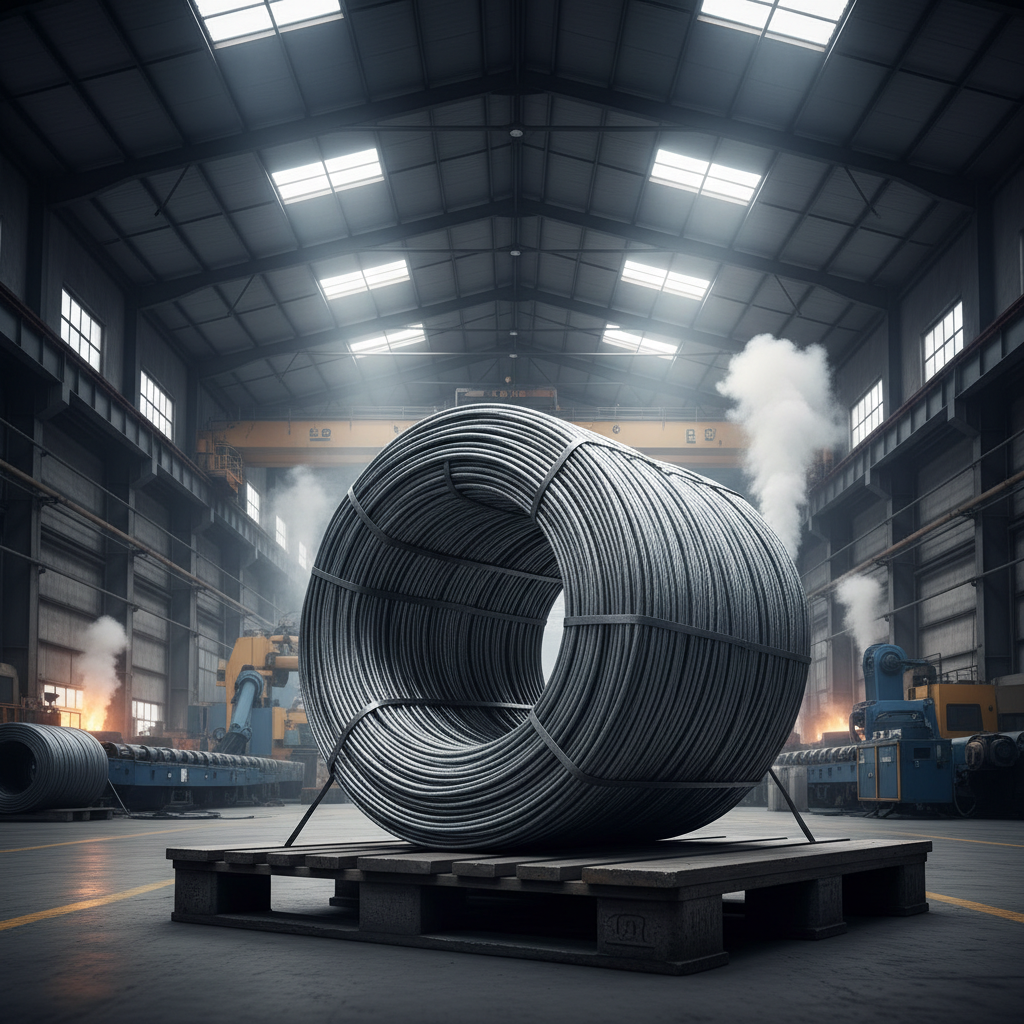
The global demand for efficient material handling and secure packaging is consistently rising, driving significant activity within the baling wire factory sector. These factories are crucial suppliers to industries ranging from agriculture and recycling to manufacturing and waste management. Understanding the processes, materials, and innovations within this industry is paramount for businesses seeking cost-effective and reliable solutions for compressing and securing their products. A robust baling wire factory ensures supply chain efficiency and minimizes operational costs for a diverse clientele.
The increasing emphasis on sustainable practices is also impacting the baling wire factory landscape. Demand for recyclable materials and environmentally friendly production methods are forcing manufacturers to adapt and innovate. This includes optimizing production processes to reduce waste, utilizing more sustainable raw materials, and developing biodegradable or easily recyclable wire options. The role of the baling wire factory is, therefore, evolving beyond simply providing a product to becoming a partner in sustainable supply chain management.
Furthermore, the rise of automation and digitalization within manufacturing is impacting the baling wire factory industry. Automated wire feeding, cutting, and tying systems are becoming increasingly prevalent, improving production efficiency and reducing labor costs. The integration of data analytics and predictive maintenance allows for optimized production schedules and minimized downtime, providing a competitive edge in the global market.
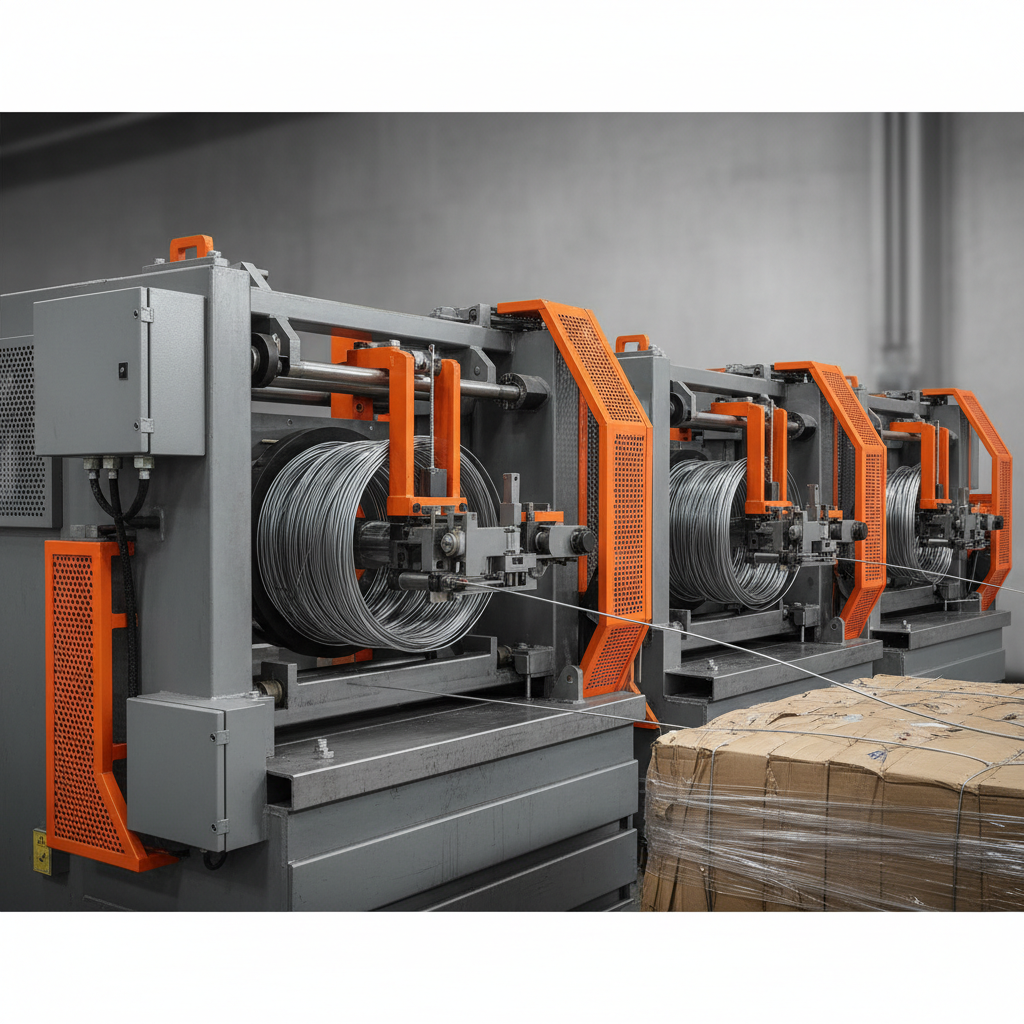
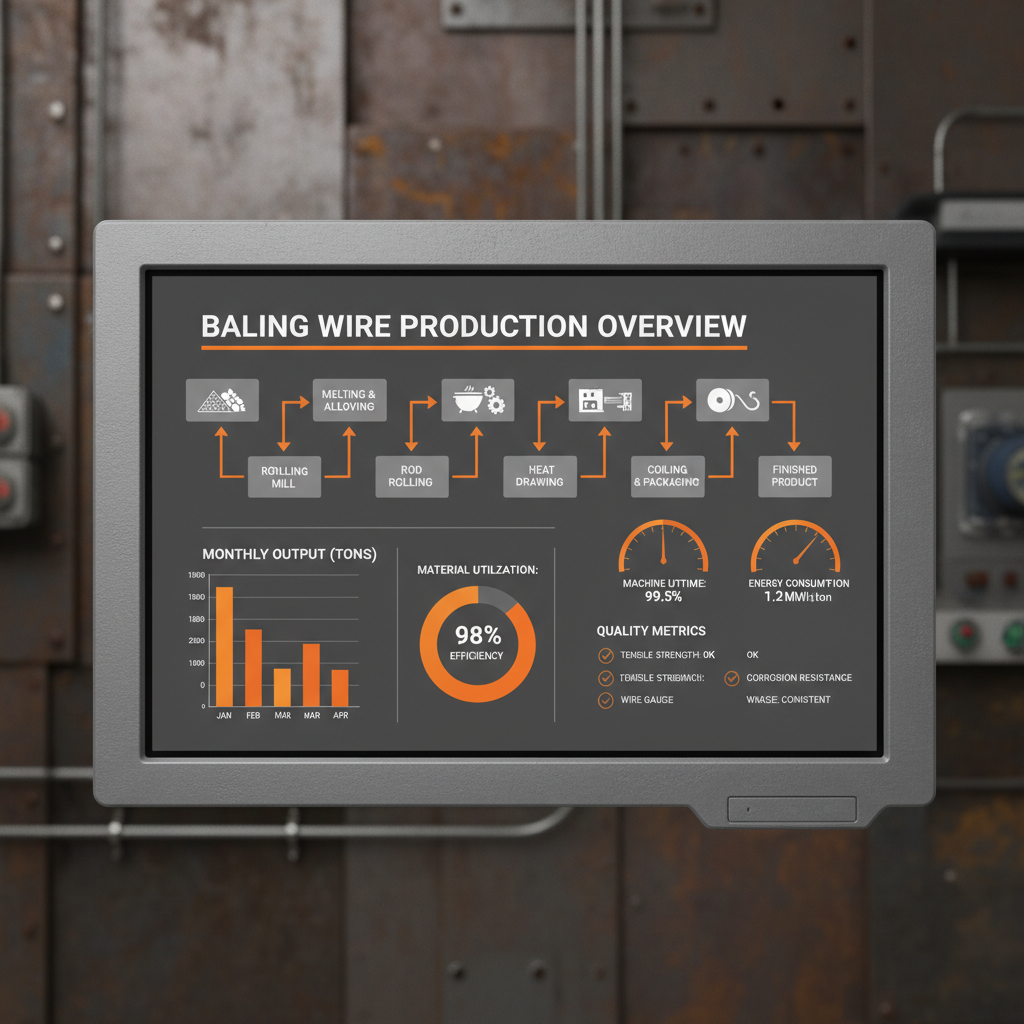
The baling wire factory plays a pivotal role in numerous industries, facilitating the efficient compression and securement of materials for transportation and storage. From agricultural products like hay and cotton to recyclable materials such as paper, plastic, and metals, these factories provide the essential components for effective waste management and resource recovery. The demand for high-quality baling wire is directly tied to the health and productivity of these sectors.
A dependable baling wire factory isn’t merely a supplier; it's a critical link in the supply chain, impacting logistics, cost efficiency, and environmental sustainability. Consistent wire quality ensures effective bale formation, minimizing transportation costs and maximizing material recovery rates. Moreover, the use of recyclable wire materials contributes to a circular economy and reduces the environmental footprint of the entire process.
Lead times for bulk orders of baling wire generally range from 2 to 6 weeks, depending on the order volume, wire specifications, and current factory production capacity. Factors influencing lead times include raw material availability and the complexity of any custom wire configurations. We strive to provide accurate and transparent lead time estimates at the time of order placement and maintain open communication throughout the production process.
We offer a variety of wire coatings to enhance corrosion resistance, including galvanized, zinc-aluminum, and epoxy coatings. Galvanized coatings provide a cost-effective solution for mild environments, while zinc-aluminum offers superior protection in more corrosive conditions. Epoxy coatings provide excellent resistance to chemicals and abrasion, making them ideal for specialized applications. The optimal coating depends on the intended environment and usage.
The minimum order quantity (MOQ) for custom baling wire specifications varies depending on the specific requirements, such as wire gauge, material, and coating. Typically, the MOQ is around 5,000 kilograms. However, we are willing to discuss smaller quantities for specialized applications and offer competitive pricing based on volume. Contact our sales team for a personalized quote.
Yes, we provide comprehensive quality control documentation and certifications to ensure our baling wire meets industry standards. This includes mill test certificates verifying the chemical composition and mechanical properties of the wire, as well as quality assurance reports detailing inspection results. We are committed to maintaining strict quality control throughout the entire production process and can provide documentation to support your specific requirements.
We offer a range of shipping options to meet your delivery needs, including ocean freight, air freight, and ground transportation. Shipping costs are calculated based on the order weight, destination, and chosen shipping method. We work with reputable logistics partners to ensure secure and timely delivery. We can provide you with a detailed shipping quote upon request.
You can request a custom quote by contacting our sales team through our website, email, or phone. Please provide details about your specific requirements, including the desired wire gauge, material, coating, quantity, and delivery destination. Our sales engineers will work with you to develop a tailored solution that meets your needs and budget.
In conclusion, the baling wire factory industry is a vital component of numerous global supply chains, facilitating efficient material handling, resource recovery, and waste management. A focus on quality, sustainability, and innovation is crucial for success in this evolving market. By embracing technological advancements and prioritizing customer needs, baling wire factories can continue to play a pivotal role in supporting economic growth and environmental responsibility.
Looking ahead, the integration of circular economy principles and the development of biodegradable wire alternatives will be key drivers of innovation. Investing in automation and AI-powered quality control systems will further enhance efficiency and reduce costs. We encourage you to explore the possibilities and partner with a reliable baling wire factory to optimize your operations and achieve your sustainability goals. Visit our website: www.wiremeshpro.com