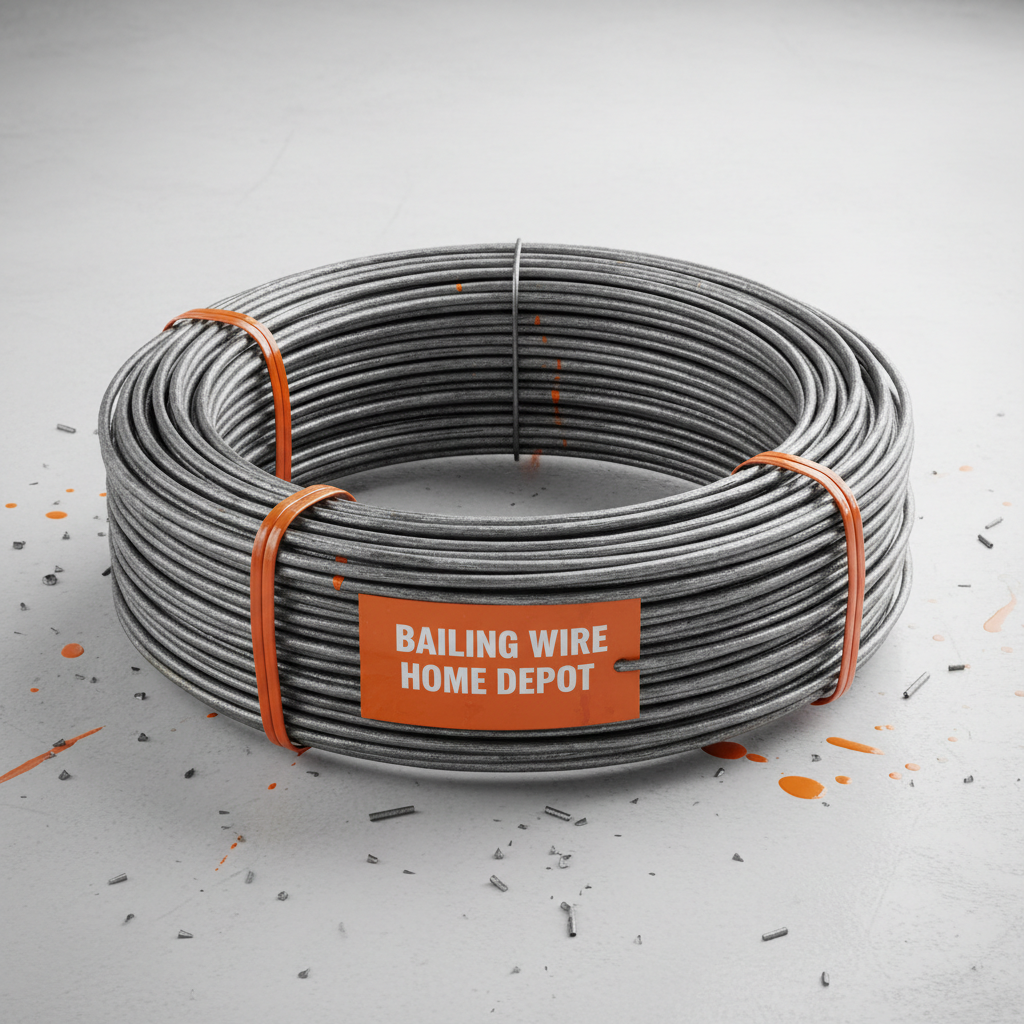
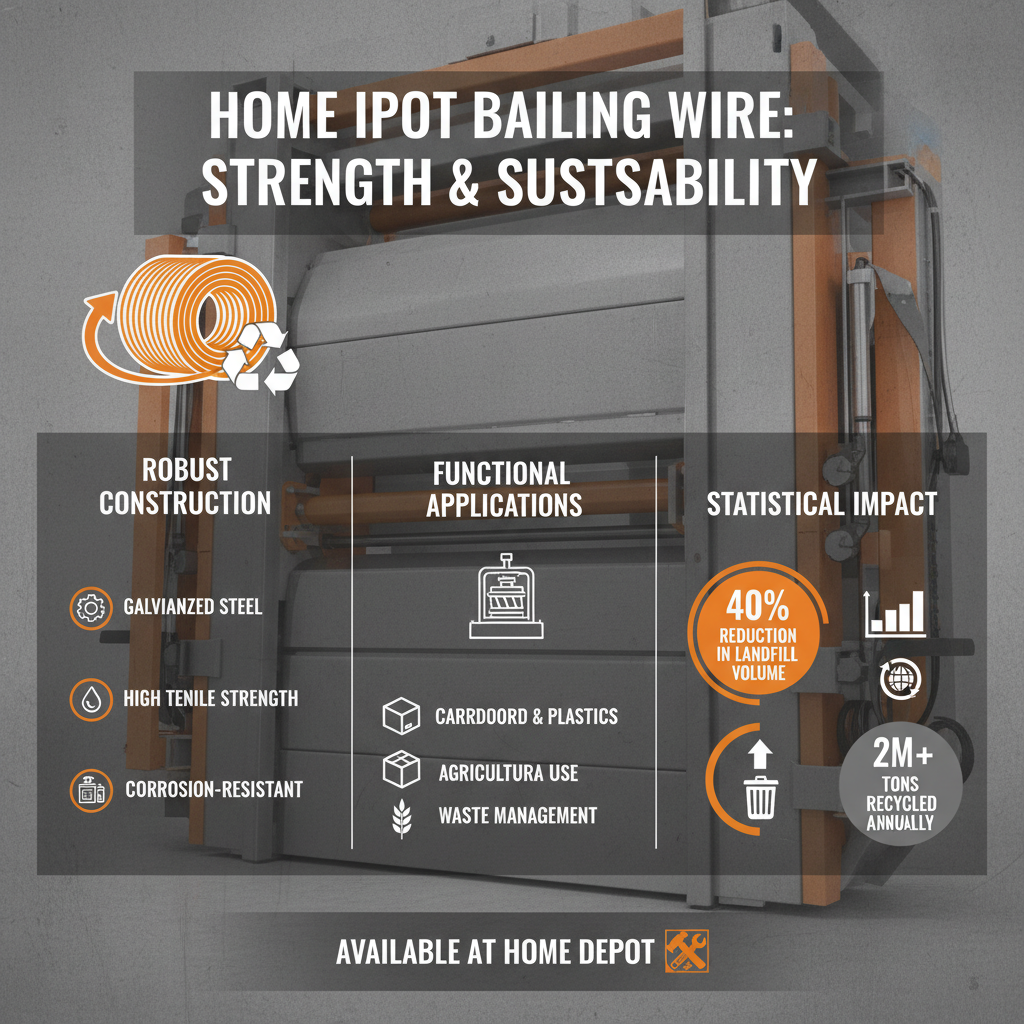
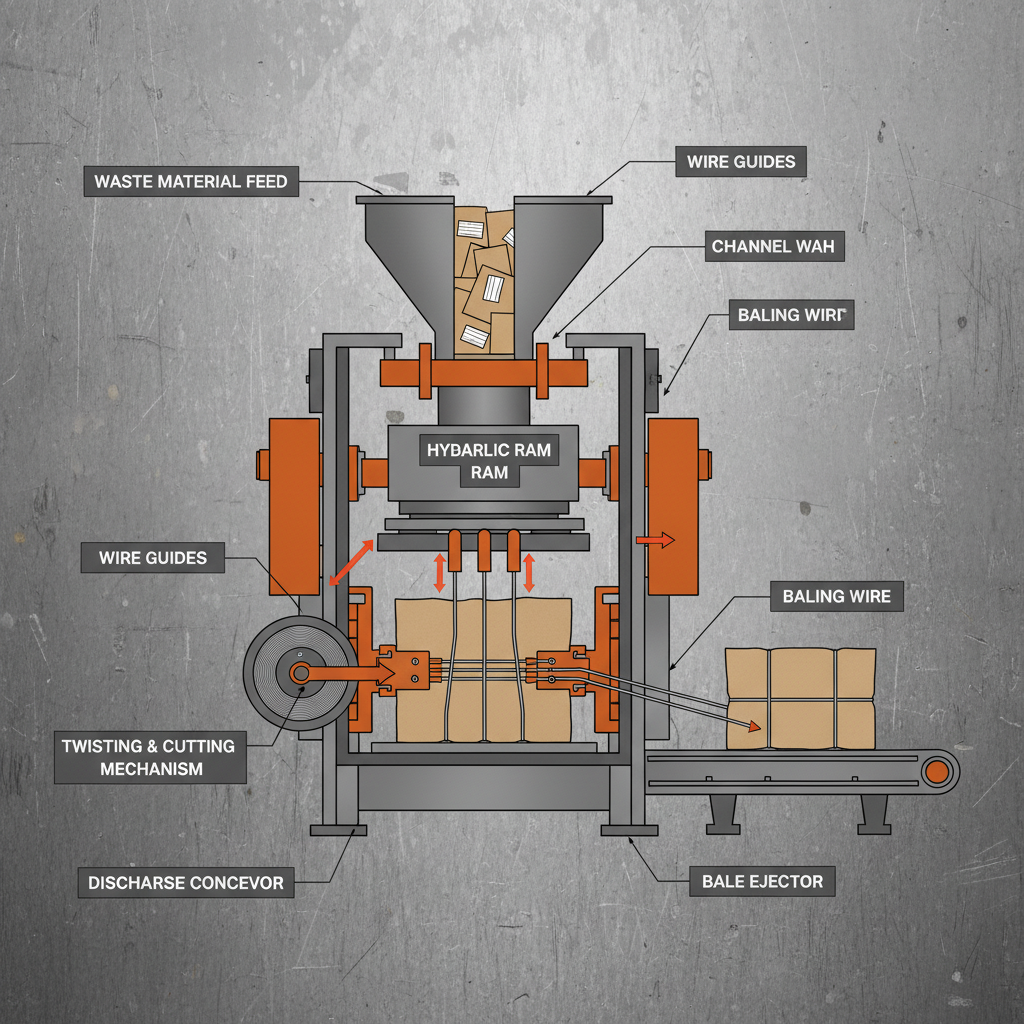
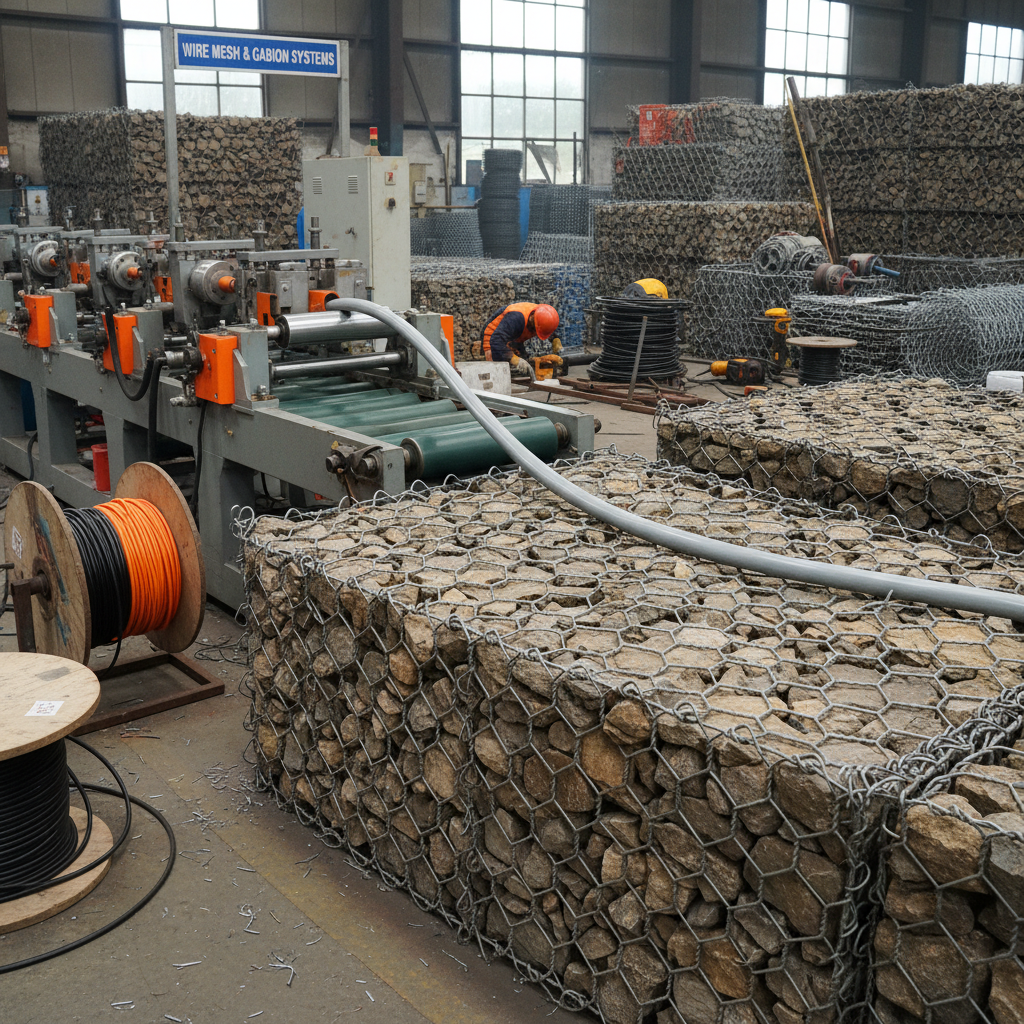
Bailing wire, often readily available at stores like bailing wire home depot, has evolved from a simple agricultural necessity to a versatile material with applications spanning construction, crafting, and emergency repairs. Its inherent strength, flexibility, and low cost make it a go-to solution for a multitude of binding and securing needs. Understanding the properties and uses of bailing wire is crucial for anyone involved in practical tasks, from farmers and ranchers to DIY enthusiasts and emergency responders.
The global demand for practical, affordable binding solutions fuels the continued relevance of bailing wire. While modern materials offer specialized performance, bailing wire maintains a significant market share due to its accessibility and ease of use. Statistics show a consistent need for reliable, cost-effective wire solutions across various industries and regions, particularly in developing countries where resource limitations are prevalent. This underscores the enduring importance of a material as fundamental as bailing wire.
The continued accessibility of bailing wire at retailers such as bailing wire home depot highlights its ongoing utility. Its simplicity belies a wide range of potential applications, making it a valuable tool in countless scenarios. This enduring practicality ensures its position as a staple material in a diverse array of fields.
The Enduring Utility of Bailing Wire
The longevity of bailing wire’s use speaks to its inherent practicality. Despite advancements in material science, it remains a favored choice for numerous applications, readily available at locations like bailing wire home depot. This persistence isn't simply due to low cost; it's a testament to its robust performance in diverse conditions.
From agricultural tasks to securing materials during transportation and temporary repairs, bailing wire's adaptability ensures its continuing relevance. Its ease of manipulation, requiring minimal tools, further enhances its appeal for quick and efficient solutions. This makes it indispensable in both professional settings and personal projects.
Defining Bailing Wire and Its Applications
Bailing wire is typically a low-carbon steel wire, characterized by its pliability and tensile strength. Originally designed for securing bales of hay and straw, its applications have expanded far beyond agriculture. Today, it's widely used in construction, landscaping, fencing, crafting, and a vast array of DIY projects. bailing wire home depot provides a consistent source for this essential material.
The wire's gauge, or thickness, determines its strength and suitability for specific tasks. Common gauges range from 9 to 16, with lower numbers indicating thicker, stronger wire. Different coatings, such as galvanized or vinyl-coated, offer varying degrees of corrosion resistance, extending the wire's lifespan in exposed environments.
Its widespread adoption is directly linked to its ability to provide a quick, economical, and readily available solution for binding, fastening, and reinforcing. The versatility of bailing wire makes it a fundamental tool across diverse sectors, ensuring continued demand and accessibility at retailers like bailing wire home depot.
Core Characteristics of Effective Bailing Wire
The effectiveness of bailing wire stems from a combination of key characteristics. Firstly, its malleability allows for easy bending and twisting, enabling secure connections without specialized tools. Secondly, its tensile strength ensures that it can withstand significant stress without breaking, crucial for securing heavy or bulky items.
Corrosion resistance is another vital attribute, particularly for outdoor applications. Galvanized bailing wire, widely available at retailers like bailing wire home depot, provides a protective zinc coating that significantly reduces rust and extends the wire's usable life. Furthermore, the relatively low cost of bailing wire makes it an economical choice for projects where permanent solutions are not required.
Finally, its ease of cutting, typically achievable with simple wire cutters, contributes to its user-friendliness. This combination of attributes – malleability, strength, corrosion resistance, affordability, and ease of cutting – makes bailing wire an exceptionally versatile and reliable material.
Versatility in Practical Implementations
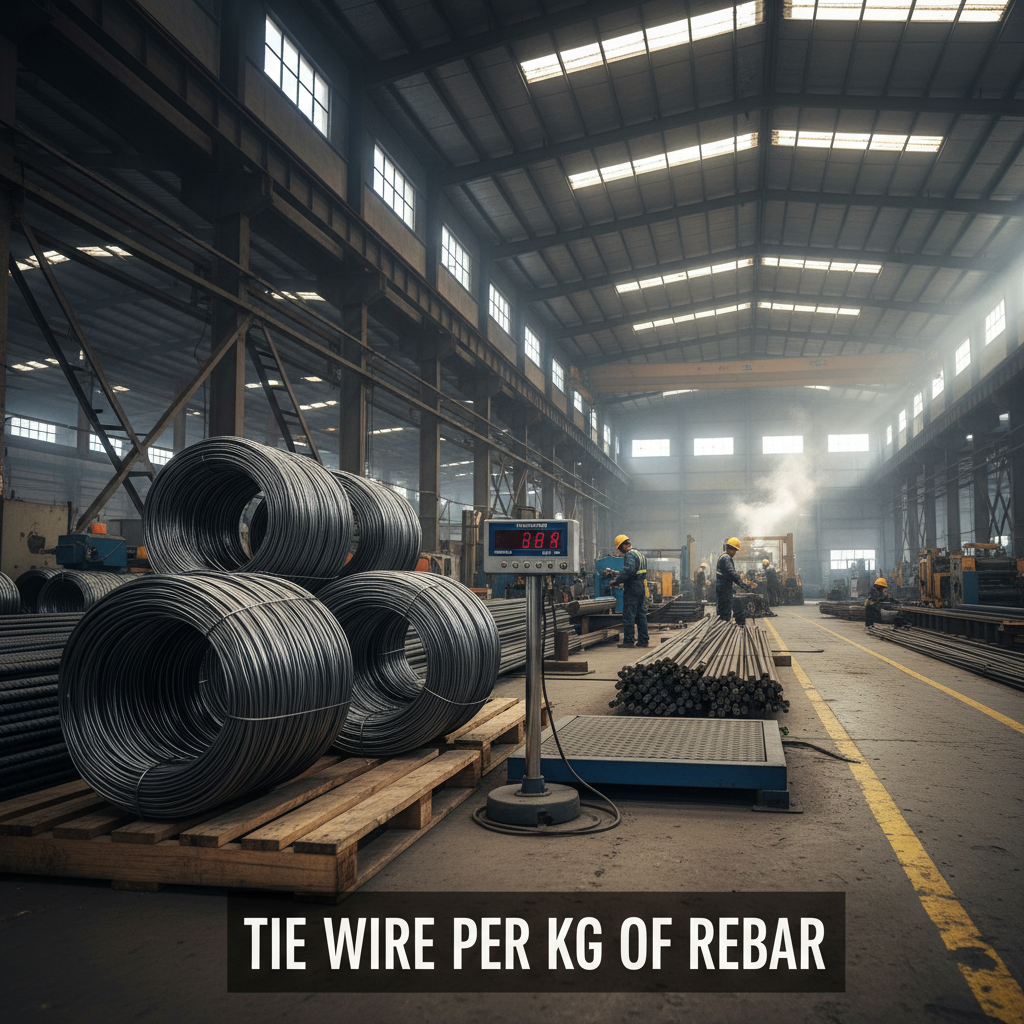
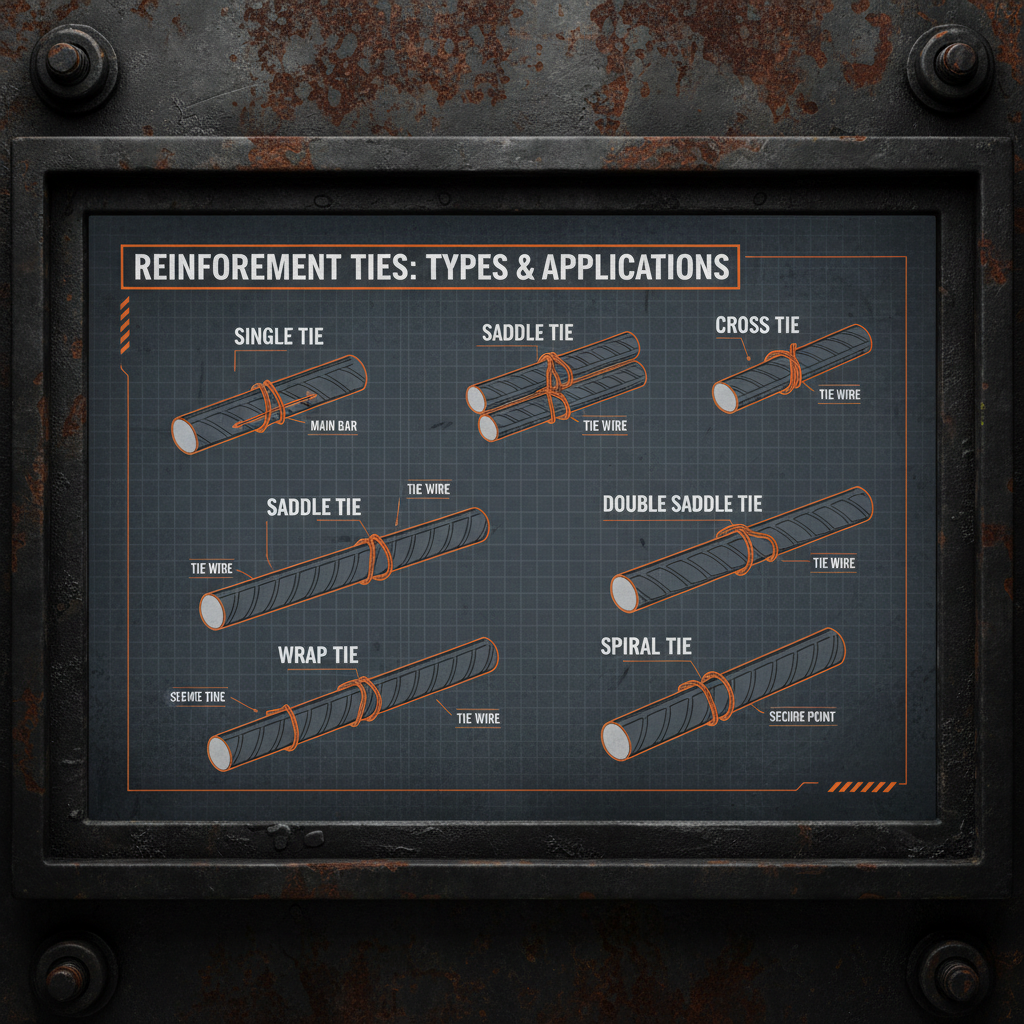
The applications of bailing wire are remarkably diverse. In agriculture, it’s essential for securing hay bales, repairing fences, and creating temporary structures. Within construction, it’s used for tying rebar, securing formwork, and bundling materials for transport. Even in creative endeavors, bailing wire finds a niche in sculpting, crafting, and creating unique artistic pieces.
Emergency situations often demand quick and resourceful solutions, and bailing wire consistently proves its worth. It’s used for makeshift repairs, securing tarps, and even creating splints. Its availability at stores like bailing wire home depot makes it a valuable addition to emergency preparedness kits.
Bailing Wire Home Depot Application Ratings
Global Use Cases and Industry Impact
Bailing wire finds applications across the globe, particularly in regions where cost-effectiveness and resourcefulness are paramount. In agricultural economies, it’s an indispensable tool for farmers and ranchers. Developing nations frequently rely on its affordability for various construction and repair projects. Availability at retailers like bailing wire home depot further facilitates its widespread use.
The construction industry worldwide utilizes bailing wire for tasks ranging from securing scaffolding to bundling rebar. Its versatility extends to disaster relief efforts, where it's used for temporary shelter construction and securing debris. Even in developed countries, bailing wire remains a popular choice for DIY projects and hobbyist applications.
Benefits and Long-Term Value Proposition
The primary benefit of bailing wire is its cost-effectiveness. Compared to specialized fasteners and binding materials, it offers a significantly more affordable solution. Its durability, particularly when galvanized, provides a long-term value proposition, reducing the need for frequent replacements. The ease of access through retailers such as bailing wire home depot contributes to its practicality.
Beyond the economic advantages, bailing wire fosters self-reliance and resourcefulness. Its simplicity allows individuals to tackle repairs and projects independently, without relying on specialized expertise. This empowers communities and individuals to address challenges efficiently and effectively, promoting a sense of self-sufficiency.
Furthermore, the relatively low environmental impact of steel production, compared to some synthetic materials, adds to its sustainability profile. Choosing bailing wire can represent a practical and environmentally conscious decision.
Future Trends and Innovation in Wire Solutions
While bailing wire remains a staple, innovations in wire technology are emerging. Research into high-strength, lightweight alloys could lead to more durable and efficient binding solutions. Sustainable materials, such as biodegradable polymers with wire-like properties, are also under development, offering eco-friendly alternatives.
The integration of smart technology, such as sensors embedded within the wire, could enable real-time monitoring of tension and stress, enhancing safety and reliability in critical applications. Furthermore, improvements in coating technologies will continue to enhance corrosion resistance and extend the lifespan of wire products.
Even with these advancements, the fundamental principles behind bailing wire – affordability, accessibility, and versatility – will likely remain relevant. Retailers like bailing wire home depot will continue to play a crucial role in providing this essential material to a diverse range of consumers.
Summary of Challenges and Potential Solutions for Bailing Wire Use
| Challenge |
Impact on Application |
Potential Solution |
Implementation Cost (1-10) |
| Corrosion in Outdoor Environments |
Reduced lifespan, structural weakening |
Utilize galvanized or vinyl-coated bailing wire |
3 |
| Sharp Edges & Potential for Injury |
Cuts, abrasions during handling |
Wear gloves and use wire cutters with protective grips |
1 |
| Limited Tensile Strength for Heavy Loads |
Wire breakage, structural failure |
Use thicker gauge bailing wire or combine multiple strands |
4 |
| Difficulty in Achieving Tight, Secure Bonds |
Loosening, shifting of materials |
Employ twisting tools and proper knotting techniques |
2 |
| Environmental Concerns (Steel Production) |
Carbon footprint, resource depletion |
Explore recycled steel options and sustainable alternatives |
6 |
| Inconsistent Quality Across Manufacturers |
Variable strength, durability |
Source from reputable suppliers like bailing wire home depot |
3 |
FAQS
For securing a heavy tarp, a lower gauge (thicker) bailing wire is recommended, typically 9 or 10 gauge. This provides sufficient tensile strength to withstand wind and the weight of the tarp. Utilizing galvanized bailing wire will also increase durability and resistance to weathering, making it ideal for outdoor applications. Retailers like bailing wire home depot typically stock a range of gauges to suit various needs.
To minimize rust, opt for galvanized or vinyl-coated bailing wire, which provides a protective barrier against moisture. If using standard bailing wire, applying a rust-inhibiting spray or coating can extend its lifespan. Regularly inspecting and cleaning the wire can also help prevent corrosion. You can find a variety of coated options at stores like bailing wire home depot.
While generally safe, caution is advised when using bailing wire around animals. Sharp ends can cause injury. Ensure all wire ends are properly bent or tucked away to prevent cuts or entanglement. Regularly inspect areas where animals have access to bailing wire to identify and address any potential hazards.
Essential tools include wire cutters for clean and efficient cutting, pliers for bending and twisting, and gloves to protect your hands from sharp edges. A wire twisting tool can also be helpful for creating secure connections. These tools are readily available at hardware stores, including bailing wire home depot.
Alternatives to bailing wire include plastic zip ties, rope, twine, and metal straps. Each alternative has its own strengths and weaknesses, depending on the specific application. Zip ties are convenient for temporary binding, while rope and twine are suitable for softer materials. Metal straps offer greater strength for heavy-duty applications.
No, bailing wire is not suitable for electrical grounding. It lacks the necessary conductivity and corrosion resistance required for safe electrical applications. Using bailing wire for grounding poses a serious safety hazard. Always use appropriately rated grounding wire and follow electrical codes.
Conclusion
Bailing wire, a deceptively simple material readily available from sources like bailing wire home depot, continues to be an invaluable resource across a remarkably diverse range of applications. Its enduring utility stems from its cost-effectiveness, versatility, and ease of use. From agricultural binding to emergency repairs and creative endeavors, bailing wire consistently delivers reliable performance.
Looking ahead, while innovations in materials science will undoubtedly introduce new solutions, the fundamental benefits of bailing wire – its affordability, accessibility, and adaptability – will likely ensure its continued relevance for years to come. By understanding its properties and limitations, and employing best practices for its use, individuals and industries can continue to leverage this essential material effectively and responsibly.

 Phone:
 Email: