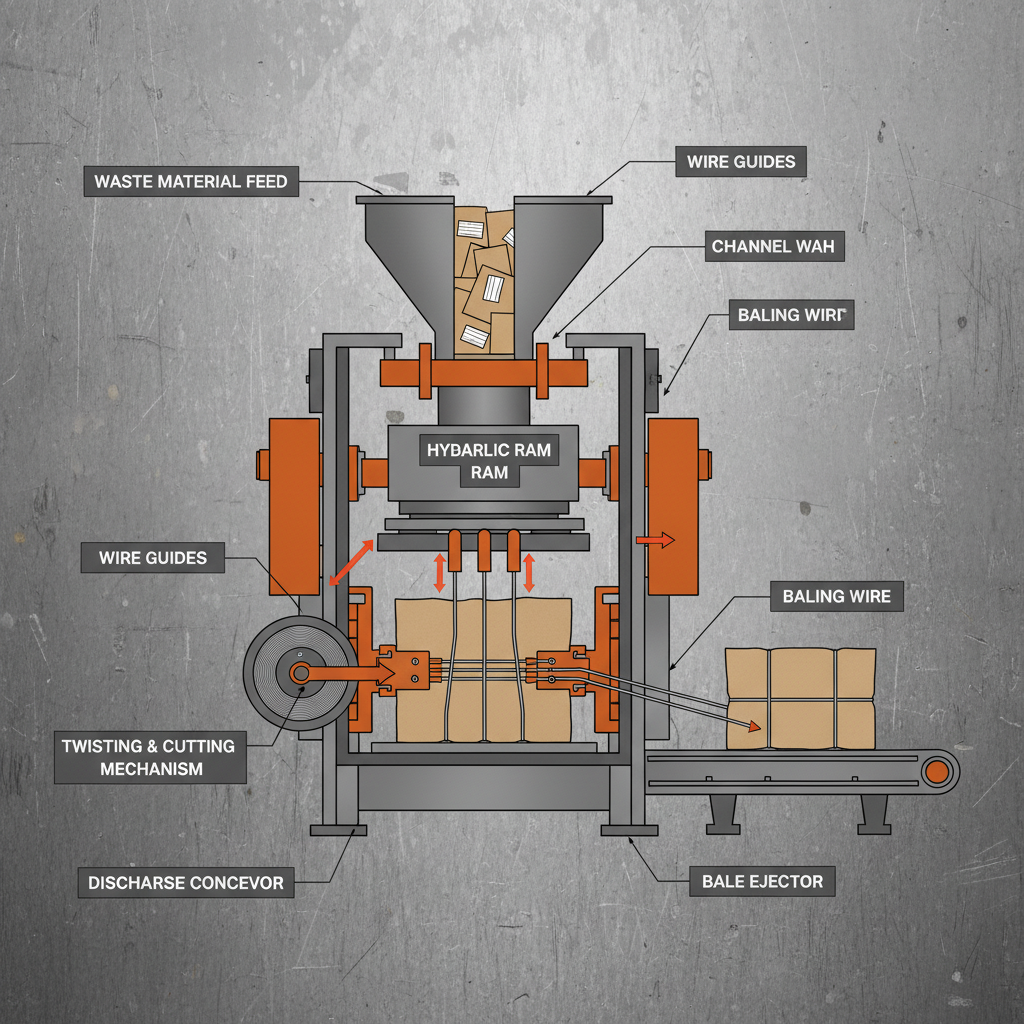
Bale wire, a seemingly simple material, plays a critical role in a surprisingly diverse range of industries and applications globally. From agriculture and packaging to construction and disaster relief, its strength, affordability, and versatility make it an indispensable component in countless processes. Understanding the properties and applications of bale wire is essential for optimizing efficiency, reducing costs, and ensuring the safety and reliability of numerous operations. This comprehensive guide will delve into the intricacies of bale wire, exploring its core characteristics, global impact, and future potential.
The global demand for bale wire is directly tied to the growth of key sectors like agriculture, recycling, and construction. As populations rise and resource management becomes increasingly crucial, the need for efficient binding and securing solutions will only intensify. According to reports from the United Nations, sustainable agriculture and waste management are paramount for achieving global food security and environmental sustainability, driving further demand for reliable materials like bale wire. Furthermore, the increasing frequency of natural disasters necessitates readily available and robust materials for emergency response and reconstruction.
Bale wire isn't just about holding things together; it's about enabling industries to function effectively. It’s a crucial enabler in waste management, allowing for compacting and transportation of recyclable materials. In agriculture, it secures vital harvests. And in emergency situations, it’s a foundational element for creating temporary shelters and reinforcing structures. This humble material serves as a backbone for efficiency and resilience worldwide.
Introduction: Global or Industry Context
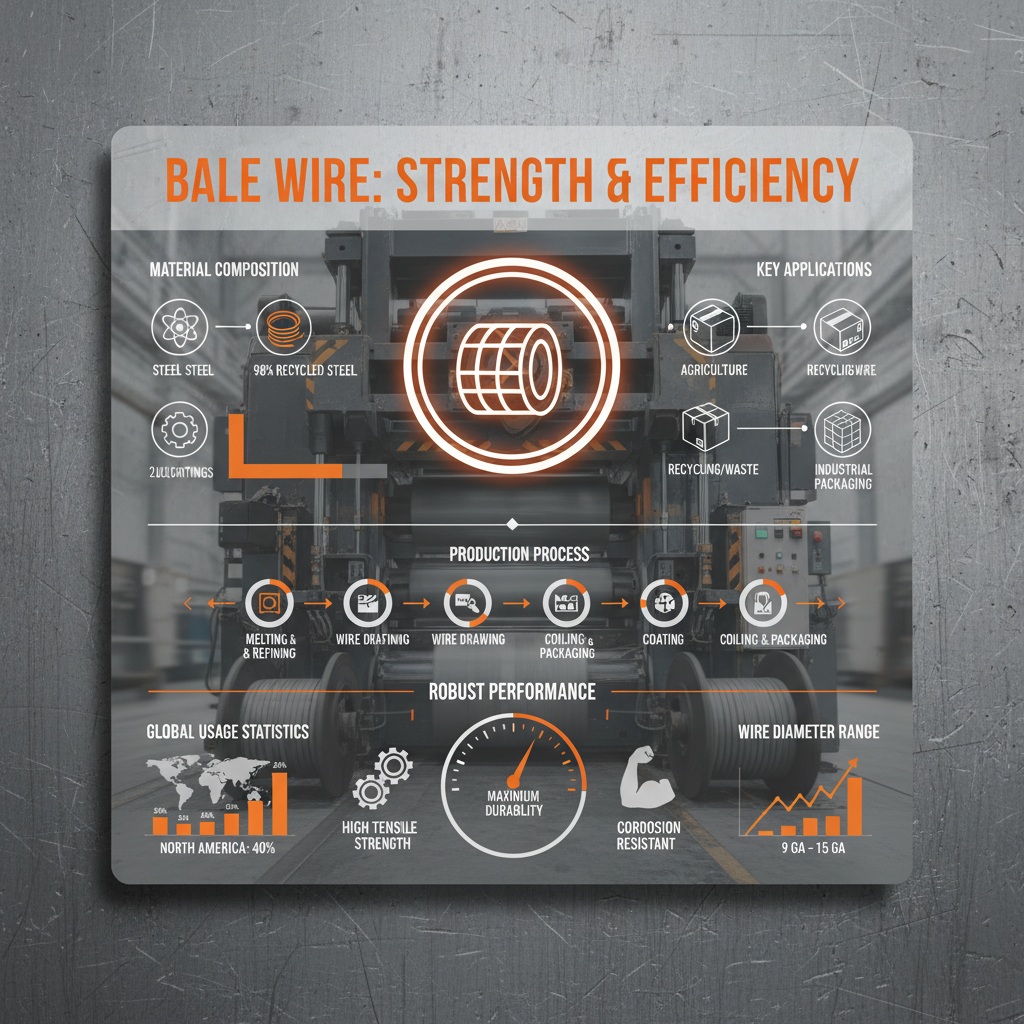
Bale wire is far more than just a component for agricultural baling. Its application extends into diverse sectors including waste management, construction, and even emergency response. The volume of bale wire produced and consumed globally correlates strongly with the health of these industries. For instance, the recycling industry’s reliance on bale wire to compact materials demonstrates its critical role in circular economy initiatives. Globally, approximately 1.5 million tons of bale wire are consumed annually, with the largest consumers being China, the United States, and countries within the European Union.
A key challenge within the bale wire industry lies in balancing cost-effectiveness with environmental responsibility. Traditional steel bale wire, while strong and affordable, raises concerns about resource depletion and potential corrosion. Finding sustainable alternatives and optimizing manufacturing processes are crucial for mitigating these impacts. Furthermore, ensuring consistent quality and adherence to international standards remains a paramount concern, particularly for applications involving structural integrity or safety-critical functions. The ISO 9001 certification is widely adopted to ensure product quality.
Definition & Meaning
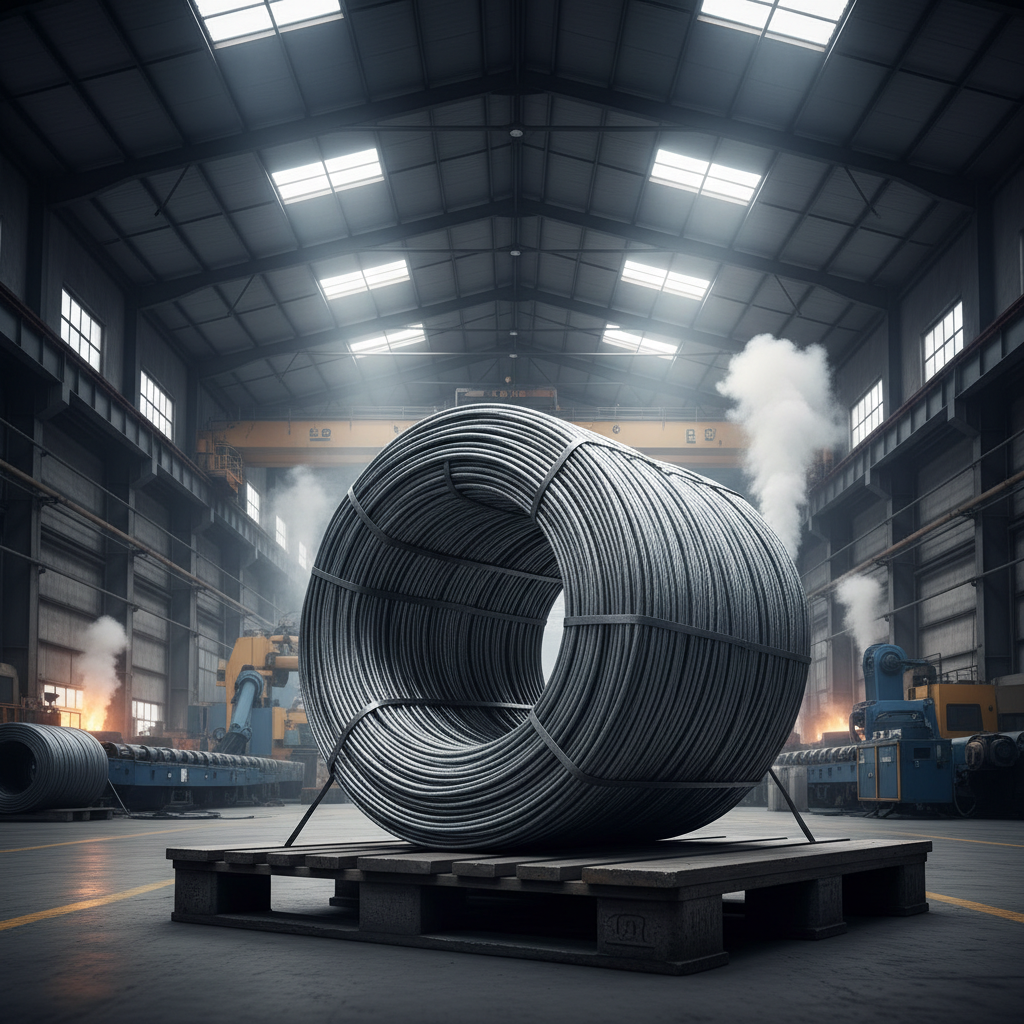
Bale wire is a type of heavy-gauge wire, typically made of steel, used to bind and secure materials into compact bales. Originally developed for agricultural purposes – specifically, bundling hay, straw, and cotton – it’s now used across a vast spectrum of applications. The term "bale" itself refers to a tightly compressed package of materials, and the wire's primary function is to maintain that compression during storage and transportation. Common gauges range from 12 to 16, depending on the strength required.
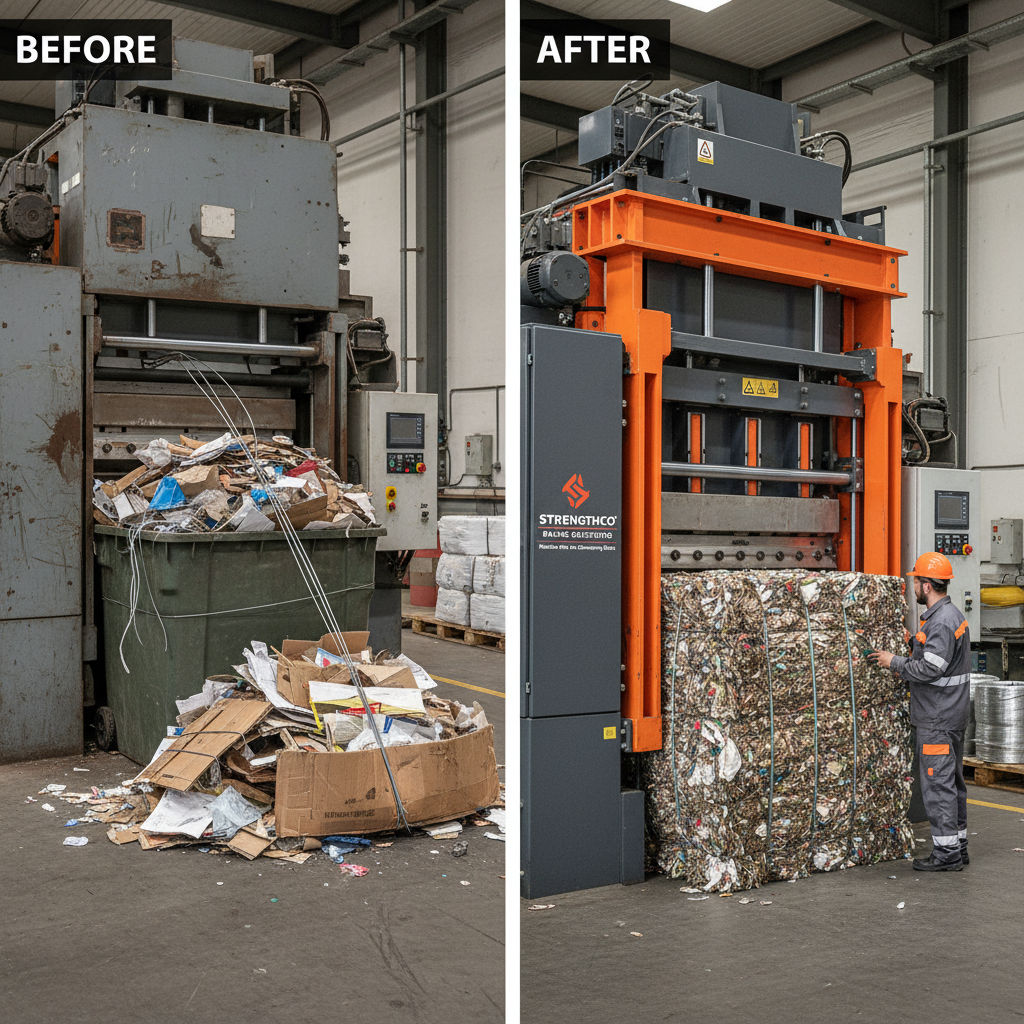
The connection to modern industry stems from the universal need for efficient material handling and containment. Beyond agriculture, bale wire serves as a crucial element in recycling facilities, where it compresses waste paper, plastic, and metal for easier processing. It also finds application in construction for securing rebar and other building materials, as well as in disaster relief efforts for creating temporary shelters and stabilizing debris. Essentially, bale wire provides a simple yet highly effective method for consolidating and securing bulk materials.
Its historical roots lie in the agrarian revolution, evolving alongside farming techniques. Initially crafted by hand, its production became automated with industrial advancements, increasing its availability and lowering its cost. This affordability, coupled with its durability, has solidified its position as a cornerstone material in countless logistical and industrial chains.
Key Factors or Core Components
Tensile Strength: This is arguably the most crucial factor. Bale wire needs to withstand significant force to maintain the integrity of the bale during handling and transportation. Higher tensile strength equates to greater reliability and reduced risk of breakage. Different alloys and wire diameters contribute to varying tensile strengths.
Corrosion Resistance: Exposure to the elements – particularly moisture and humidity – can lead to corrosion, weakening the wire and compromising its effectiveness. Galvanized steel bale wire offers enhanced corrosion resistance compared to standard steel, making it suitable for outdoor applications or environments prone to moisture.
Ductility & Malleability: While strength is essential, bale wire also needs a degree of flexibility to allow for easy bending and tying without snapping. This balance between strength and ductility ensures efficient application and reduces the likelihood of wire breakage during the baling process.
Cost-Effectiveness: Bale wire is valued for its affordability, making it an attractive solution for businesses operating on tight budgets. The cost per foot or per pound is a significant consideration, especially for large-scale operations.
Consistent Diameter: Maintaining a consistent wire diameter is vital for ensuring reliable performance in automatic baling machines and manual tying applications. Variations in diameter can lead to inconsistencies in bale tightness and increased risk of breakage.
Weldability (for certain applications): In some applications, such as construction or metalworking, the bale wire may need to be welded to other components. Therefore, weldability is an important factor to consider.
Global Applications & Use Cases
The most well-known application of bale wire remains in agriculture, securing hay, straw, and silage bales for storage and transport. This is particularly prominent in regions with extensive farming operations, such as the Midwestern United States, Argentina, and parts of Europe. However, its versatility extends far beyond the farm. Recycling facilities worldwide rely heavily on bale wire to compact and bundle recyclable materials like paper, cardboard, plastic, and aluminum.
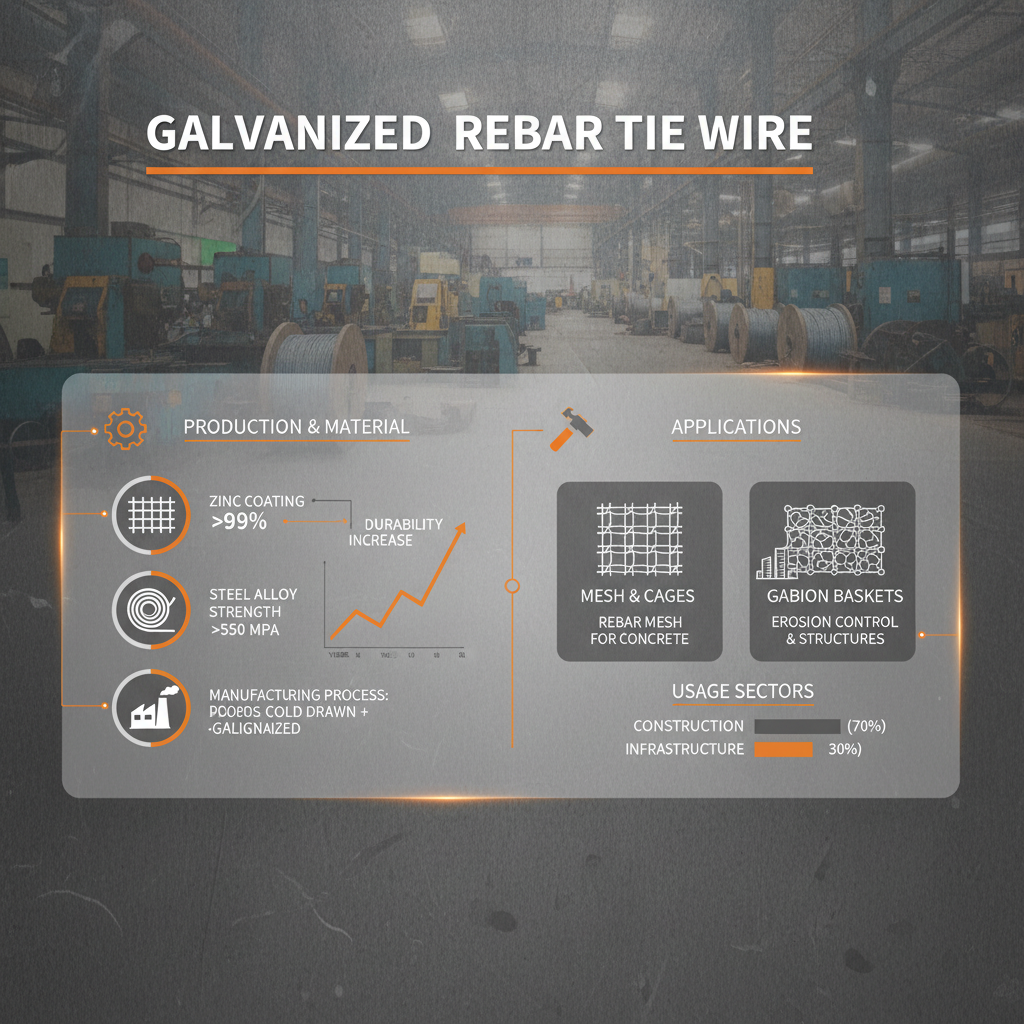
In construction, bale wire is utilized to tie rebar together, reinforcing concrete structures. This is common practice in regions undergoing rapid urbanization and infrastructure development, like China, India, and Southeast Asia. Moreover, in post-disaster relief operations, bale wire serves as a quick and readily available material for constructing temporary shelters, reinforcing damaged buildings, and securing debris. Organizations such as the Red Cross and FEMA often include bale wire in their emergency response kits.
Furthermore, bale wire is increasingly used in the packaging industry for securing goods during shipping and transportation. Its robust nature ensures that products remain safely contained, reducing the risk of damage during transit. This application is particularly valuable in regions with extensive export activities, such as Germany, Japan, and South Korea.
Bale Wire Application Ratings
Advantages & Long-Term Value
The primary advantage of bale wire lies in its cost-effectiveness. Compared to alternative binding materials like plastic strapping or high-tensile steel bands, bale wire offers a significantly lower price point, making it an attractive option for businesses looking to minimize operational expenses. This affordability doesn't come at the expense of strength; properly selected bale wire can provide exceptional holding power.
From a sustainability perspective, steel bale wire is 100% recyclable, contributing to a circular economy and reducing landfill waste. This contrasts with plastic alternatives, which often pose environmental challenges. Furthermore, the longevity of steel – even when exposed to harsh conditions – ensures a long service life, minimizing the need for frequent replacements. The reliable performance of bale wire enhances operational safety by securely containing materials and reducing the risk of accidents.
Future Trends & Innovations
Innovation in bale wire is leaning toward more sustainable and efficient materials. Research is focusing on developing high-strength, lightweight alloys that require less material while maintaining superior performance. Biodegradable coatings are also being explored to further minimize environmental impact. Automation in baling processes is driving demand for bale wire with precise dimensional tolerances and consistent properties, ensuring seamless integration into automated machinery.
The integration of digital technologies, such as sensors embedded within bales, is emerging as a potential trend. These sensors could monitor bale density, moisture content, and other critical parameters, providing valuable data for optimizing storage and transportation. Furthermore, advancements in recycling technologies are driving demand for bale wire optimized for specific material types, enhancing the efficiency of the recycling process.
Challenges & Solutions
One significant challenge is the potential for corrosion, particularly in humid environments. While galvanized steel offers improved corrosion resistance, it’s not a complete solution. Exploring alternative coatings and alloy compositions with enhanced corrosion protection remains a priority. Another challenge lies in the potential for wire breakage during the baling process, leading to downtime and material loss. Implementing robust quality control measures and optimizing baling machine settings can mitigate this risk.
Furthermore, the manual handling of bale wire can be physically demanding and pose a safety risk to workers. Automated baling systems can significantly reduce manual handling, improving worker safety and efficiency. Embracing digital solutions, such as predictive maintenance programs, can also help identify potential issues before they lead to equipment failures or material loss. Investing in research and development to create more durable and environmentally friendly bale wire solutions is also crucial.
Addressing these challenges requires a collaborative effort between bale wire manufacturers, baling machine manufacturers, and end-users. By sharing knowledge and investing in innovation, the industry can overcome these obstacles and unlock the full potential of this versatile material.
Analysis of Bale Wire Performance Indicators
| Bale Wire Type |
Tensile Strength (MPa) |
Corrosion Resistance (Rating 1-10) |
Cost per Kg ($) |
| Standard Carbon Steel |
800-1000 |
4 |
0.80 |
| Galvanized Steel |
750-950 |
7 |
1.20 |
| High-Tensile Alloy Steel |
1100-1300 |
6 |
1.50 |
| Stainless Steel (304) |
500-700 |
9 |
3.00 |
| Polymer Coated Steel |
700-900 |
8 |
1.40 |
| High-Carbon Steel (Hardened) |
1200-1400 |
5 |
1.30 |
FAQS
The lifespan of bale wire in agriculture depends heavily on environmental factors and usage. Typically, galvanized steel bale wire can last several seasons (3-5 years) if protected from prolonged exposure to harsh weather. However, exposure to saltwater, acidic soil, or consistent moisture can significantly reduce its lifespan. Regular inspection and replacement are crucial for maintaining bale integrity and preventing losses.
While completely replacing steel is challenging due to its strength and cost-effectiveness, bio-based polymers are emerging as potential alternatives, particularly for lighter-duty applications. Another avenue is focusing on increasing the recycled content in steel bale wire production and improving recyclability at end-of-life. Companies are also exploring biodegradable coatings to reduce the environmental impact of galvanized steel.
For cardboard compaction, a gauge of 12 to 14 is generally recommended. This provides sufficient strength to securely bind the cardboard bales without being overly rigid or difficult to work with. The specific gauge may vary depending on the size and density of the bales and the type of baling machine used. Consulting with a recycling equipment supplier is always advisable.
Rust prevention involves several strategies. Choosing galvanized steel offers a basic level of protection. For longer-term prevention, applying a protective coating, such as oil or a rust inhibitor, can significantly extend the wire's lifespan. Storing the wire in a dry, sheltered environment is also crucial. Regular inspections and prompt replacement of rusted wire are essential for maintaining performance.
Bale wire can have sharp edges, so wearing gloves is essential to prevent cuts. Safety glasses are also recommended to protect your eyes from wire fragments. When cutting bale wire, use appropriate tools designed for the task and avoid creating flying debris. Be mindful of the tension in the wire and avoid sudden releases that could cause injury.
Single-loop bale wire features a simple loop at each end for easy tying, commonly used for manual baling applications. Double-loop bale wire has two loops at each end, offering greater strength and security. This makes it ideal for automatic baling machines where consistent tension and loop integrity are crucial. Double-loop wire also minimizes the risk of wire breakage during the baling process.
Conclusion
In conclusion, bale wire remains a foundational material in a surprisingly diverse range of industries, from agriculture and recycling to construction and disaster relief. Its affordability, strength, and recyclability make it an invaluable resource for efficient material handling and secure binding. Understanding its core properties, applications, and emerging trends is crucial for optimizing processes and promoting sustainability.
Looking ahead, innovation in bale wire will likely focus on developing more sustainable materials, enhancing corrosion resistance, and integrating digital technologies for improved monitoring and performance. By embracing these advancements, we can unlock the full potential of this versatile material and ensure its continued relevance in a rapidly evolving world. For a comprehensive selection of bale wire products and solutions, visit our website: www.wiremeshpro.com.

 Phone:
 Email: