The humble bale of wire, often overlooked, plays a surprisingly critical role in a vast spectrum of global activities. From securing infrastructure and agricultural practices to offering rapid deployment solutions in disaster relief, its versatility is undeniable. Understanding the properties, applications, and future of the bale of wire is increasingly important in a world demanding efficient, cost-effective, and adaptable materials.
Globally, the demand for wire products – and consequently, bales of wire – is intrinsically linked to economic development, infrastructure projects, and agricultural output. According to the World Steel Association, global steel production, the primary component of most wire, continues to grow, exceeding 1.8 billion tonnes in 2022. This underlines the persistent need for wire in construction, manufacturing, and various other sectors.
The bale of wire provides a foundational building block, directly or indirectly addressing numerous global challenges. Its readily available nature, coupled with its strength and malleability, makes it a practical solution across diverse environments and needs, particularly where more sophisticated materials are unavailable or impractical.
The Significance of the Bale of Wire
The bale of wire, in its seemingly simple form, represents a foundational component in countless industries and applications. Its importance stems from its ability to provide foundational support and secure connections. This makes it an essential item for both large-scale infrastructure projects and smaller, localized operations.
The impact of the bale of wire extends beyond purely structural applications. It's a material frequently employed in agricultural fencing, crafting robust boundaries for livestock and crops, therefore indirectly contributing to food security. It represents a readily available and affordable resource in many parts of the world, making it invaluable for communities with limited access to advanced materials.
Defining the Bale of Wire
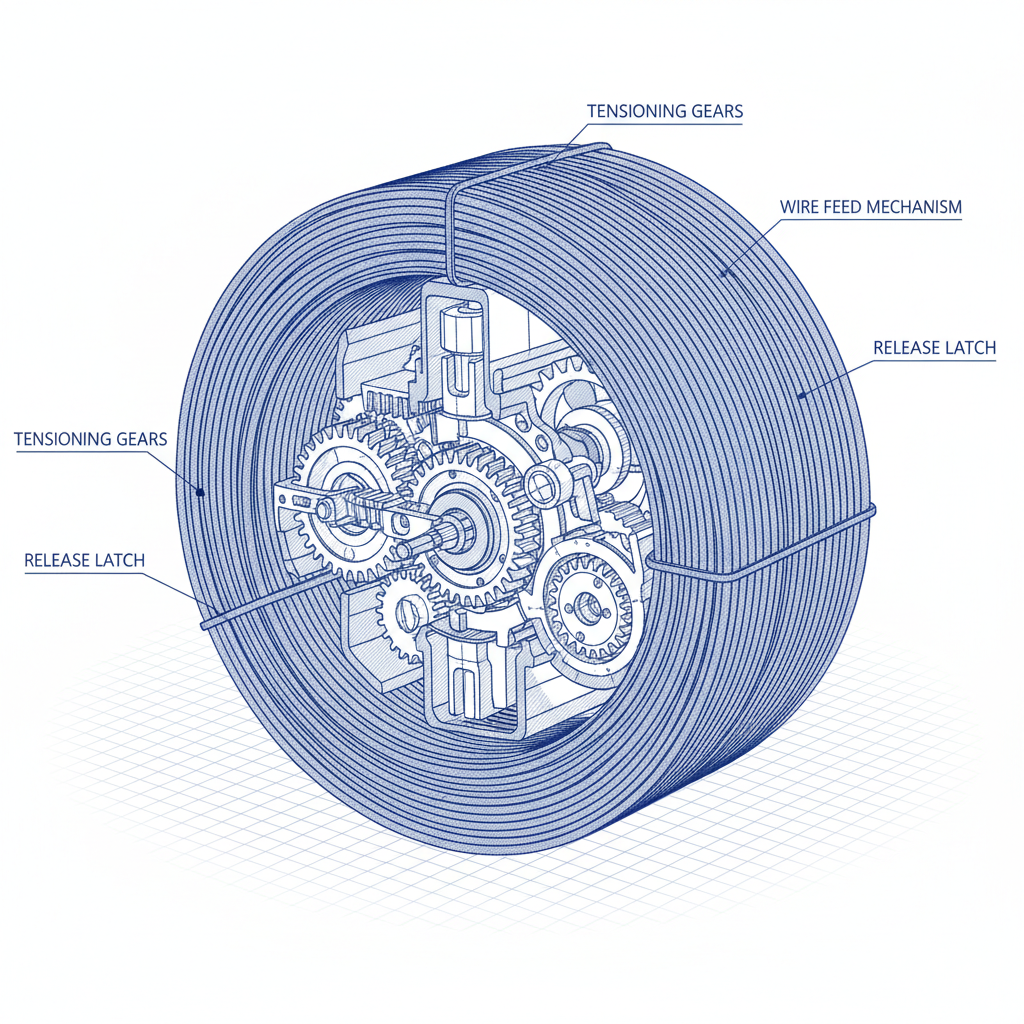
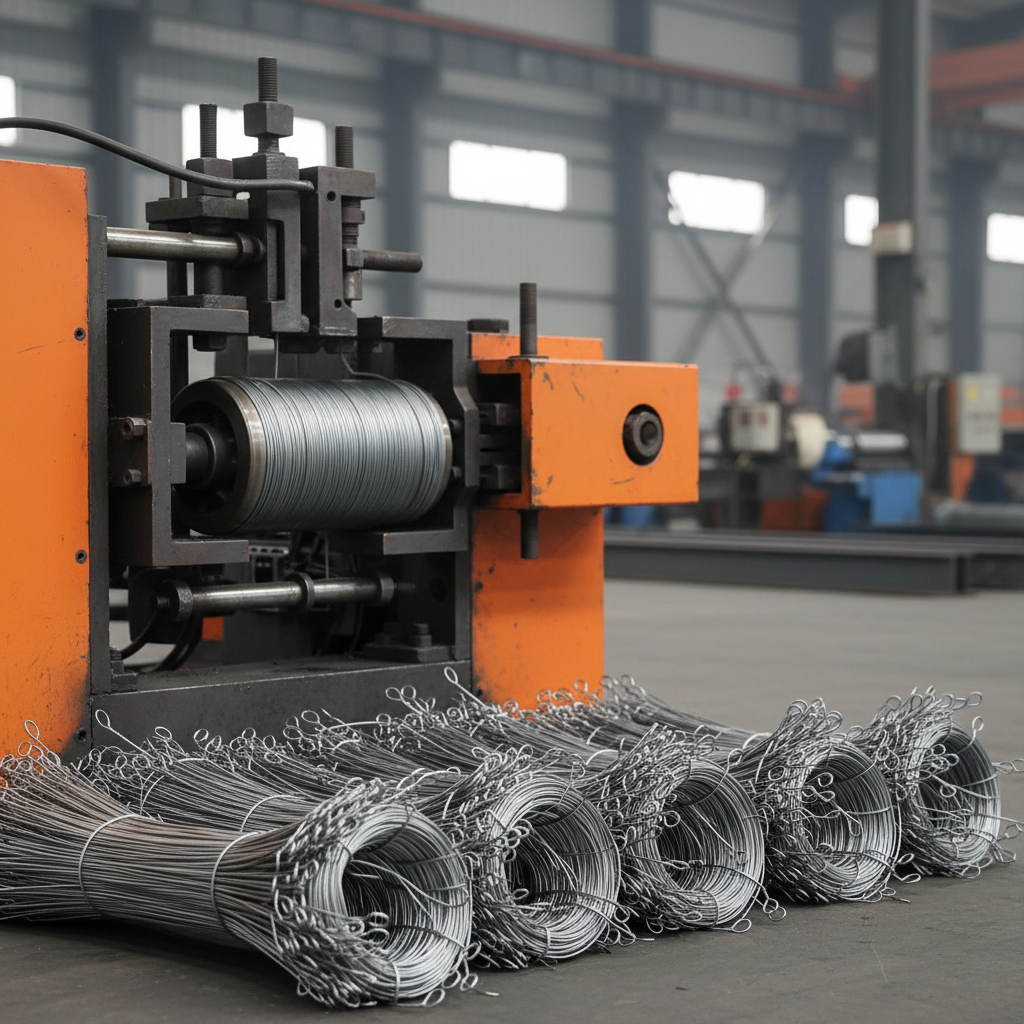
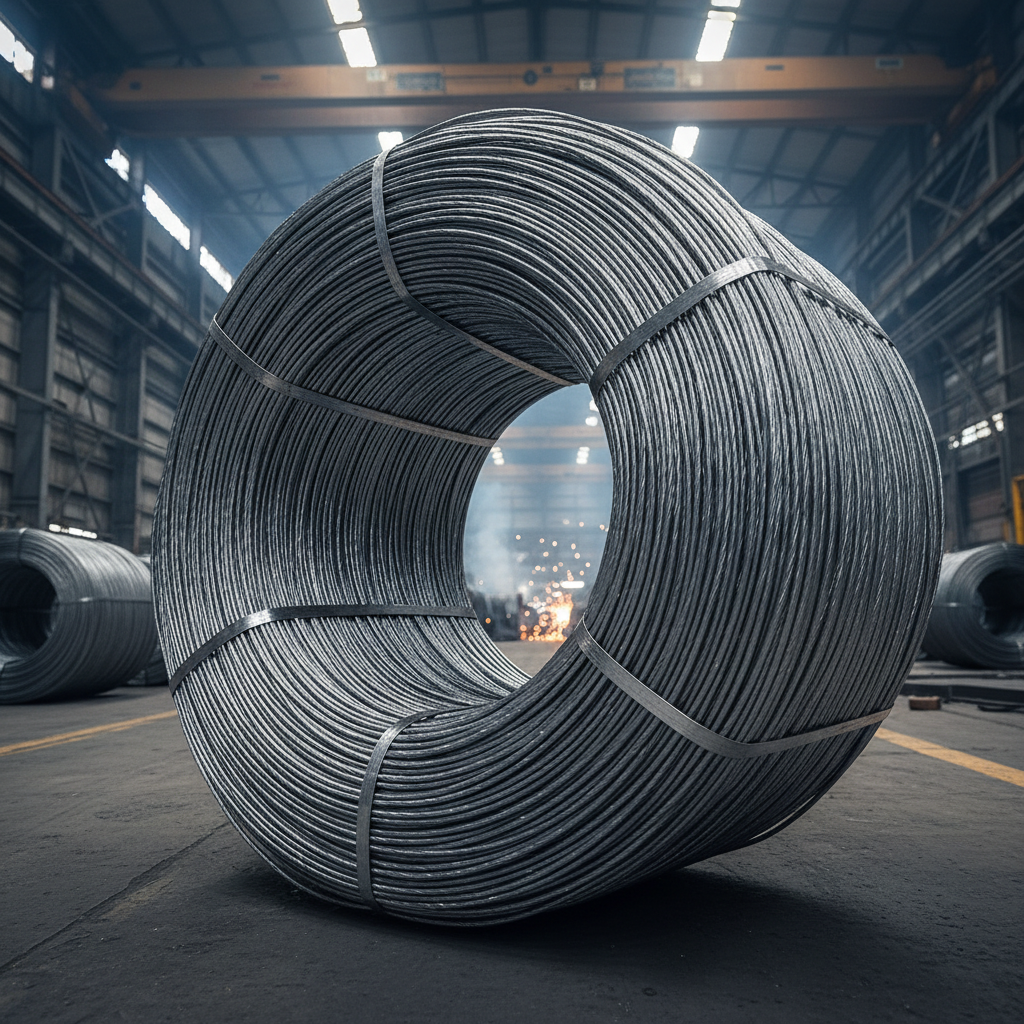
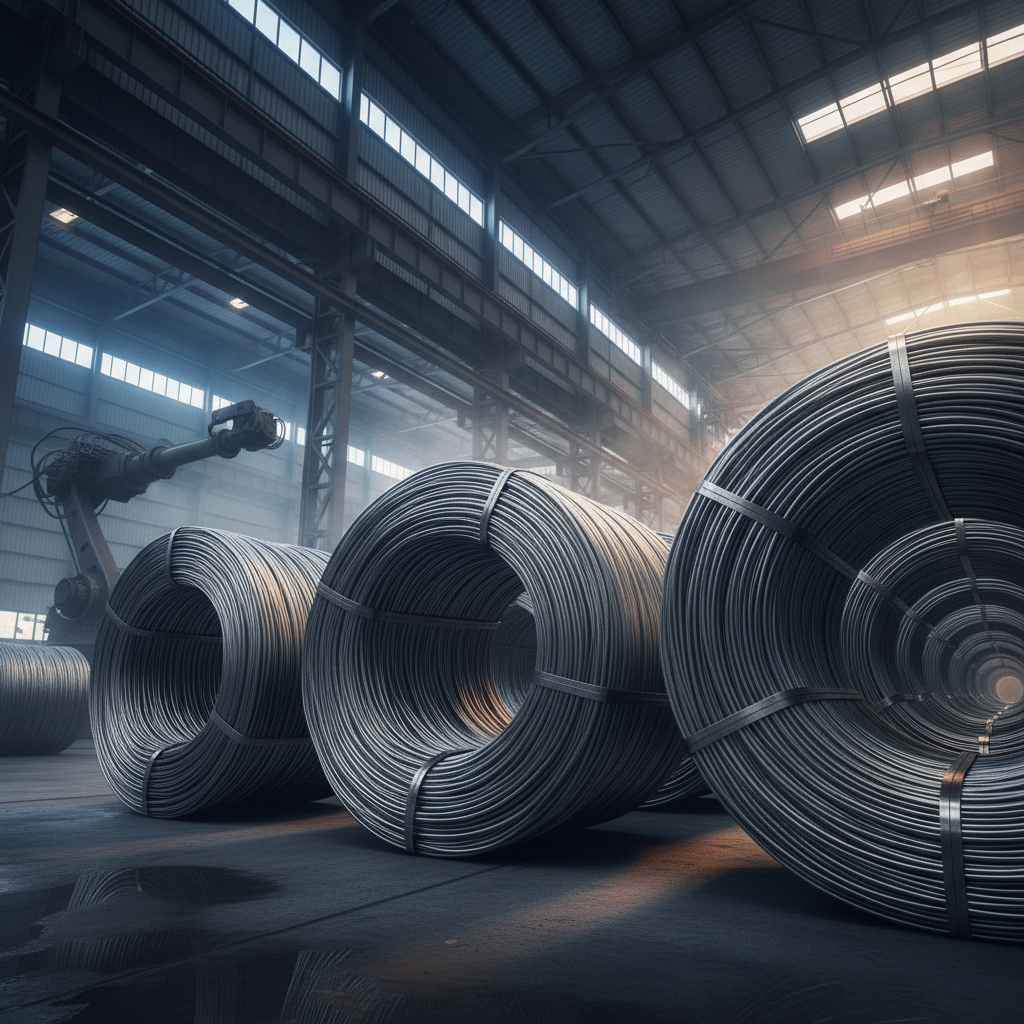
A bale of wire typically refers to a tightly compressed and bound coil of wire, often galvanized steel, though other materials like iron, aluminum, or stainless steel are also used. The wire is coiled and secured using steel straps or wire, creating a dense package for efficient storage and transportation. The weight of a bale can vary significantly, ranging from 50 to 1000 kilograms or more, depending on the wire gauge and length.
Its connection to modern industry is profound. The bale of wire serves as a primary raw material for a multitude of manufacturing processes, including fence production, cable construction, nail and staple fabrication, and even artistic wirework. Its versatility makes it a linchpin in many supply chains.
In humanitarian contexts, the bale of wire offers a readily available resource for emergency shelter construction, temporary repairs, and securing vital supplies. Its robustness and adaptability make it suitable for challenging environments, providing a practical solution where immediate assistance is required.
Core Characteristics of a Bale of Wire
One of the key characteristics of a high-quality bale of wire is its tensile strength, or the amount of stress it can withstand before breaking. This directly relates to the wire’s gauge (thickness) and the material it's made from. Higher tensile strength translates to a more durable and reliable product, capable of handling greater loads and resisting deformation.
Another crucial aspect is its corrosion resistance. Galvanization, the process of coating steel wire with a protective layer of zinc, significantly enhances its resistance to rust and environmental degradation. This is especially important for outdoor applications where the wire is exposed to moisture, salt, and other corrosive elements.
The malleability of the wire is also a critical factor. A good bale of wire should be easily bent and shaped without fracturing, enabling it to be used for a wide variety of applications, from intricate weaving to securing heavy objects. This adaptability is what makes a bale of wire so valuable.
Key Factors Influencing Bale of Wire Quality
The quality of a bale of wire is significantly influenced by the steelmaking process and the subsequent wire drawing operations. Utilizing high-quality steel billets and employing precise drawing techniques ensures a consistent gauge, tensile strength, and surface finish. Variations in these factors can lead to inconsistent performance and reduced lifespan.
Furthermore, the galvanization process plays a crucial role. The thickness and uniformity of the zinc coating directly impact the wire's corrosion resistance. Poorly applied galvanization can result in premature rust and failure, particularly in harsh environments.
Bale of Wire Quality Assessment
Global Applications and Industry Uses
The agricultural sector is a major consumer of bales of wire, utilizing it extensively for fencing to protect crops and contain livestock. In Australia, for instance, vast stretches of farmland rely on wire fencing for efficient land management.
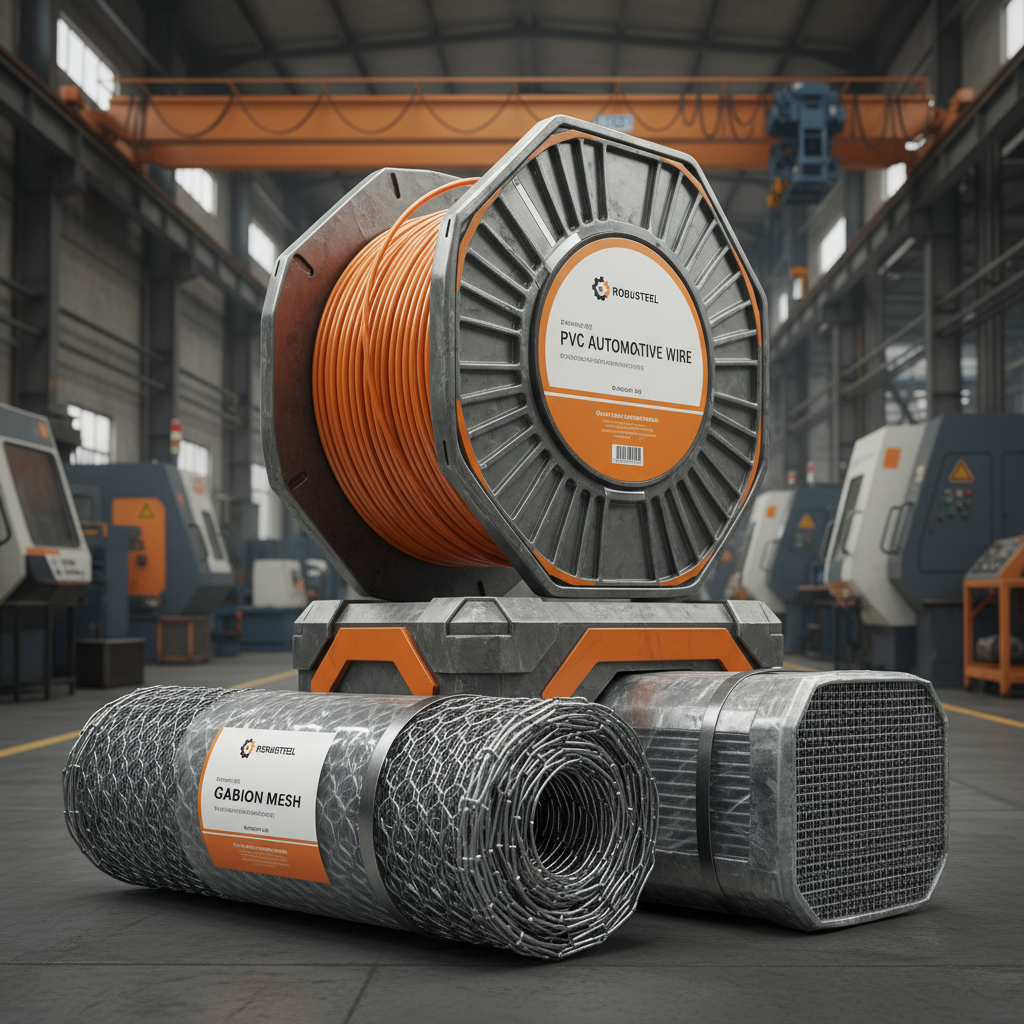
Construction relies heavily on the bale of wire for reinforcing concrete, creating mesh for plastering, and securing formwork. In rapidly developing nations like India, the increasing construction boom drives significant demand for wire bales.
The Advantages and Long-Term Value Proposition
The cost-effectiveness of the bale of wire is a significant advantage. Compared to more specialized materials, it offers a remarkably affordable solution for a wide range of applications. This affordability makes it accessible to businesses and individuals with varying budgets, especially in developing countries.
Beyond cost, a bale of wire also boasts a substantial long-term value proposition. The durability and corrosion resistance of quality wire ensure a prolonged lifespan, reducing the need for frequent replacements and lowering overall maintenance costs. This makes it a sustainable and reliable choice for numerous applications.
The societal impact is also noteworthy. By providing affordable and readily available materials, bales of wire contribute to community resilience, enabling people to build, repair, and protect their livelihoods.
Future Trends and Innovation in Wire Technology
One emerging trend is the development of high-tensile, lightweight wire alloys that offer increased strength and reduced weight, improving efficiency and reducing material consumption. These advancements cater to industries seeking optimized performance and sustainability.
The integration of smart technologies is also gaining traction. Researchers are exploring the incorporation of sensors into wire structures for monitoring stress, corrosion, and other critical parameters, paving the way for predictive maintenance and enhanced safety.
Furthermore, eco-friendly manufacturing processes are becoming increasingly important. Utilizing recycled steel and minimizing energy consumption during production are key steps towards a more sustainable wire industry.
Summary of Key Challenges & Solutions Related to Bale of Wire Usage
| Challenge Area |
Impact on Bale of Wire |
Proposed Solution |
Implementation Feasibility (1-10) |
| Corrosion in Coastal Regions |
Reduced wire lifespan, increased replacement costs |
Utilize thicker galvanization or specialized corrosion-resistant alloys |
8 |
| Inconsistent Wire Gauge |
Weakened structural integrity, potential for failure |
Implement stricter quality control measures during manufacturing |
9 |
| Environmental Impact of Production |
High energy consumption, waste generation |
Adopt recycled steel and implement energy-efficient processes |
7 |
| Transportation Costs |
Increased overall project expenses, logistical challenges |
Optimize bale size and weight for efficient transport |
6 |
| Lack of Traceability |
Difficulty in identifying the source and quality of the wire |
Implement a tracking system using unique identifiers |
5 |
| Worker Safety during Handling |
Risk of cuts and injuries during uncoiling and manipulation |
Provide appropriate safety gear and training |
10 |
FAQS
Galvanized steel wire is coated with zinc to provide corrosion resistance, making it suitable for many outdoor applications. Stainless steel wire offers superior corrosion resistance, especially in harsh environments, but it comes at a higher cost. The choice depends on the specific application and budget constraints. Galvanized is often sufficient for general fencing and construction, while stainless steel is preferred for marine environments or applications requiring exceptional durability.
Bales of wire should be stored in a dry, well-ventilated area, protected from direct sunlight and moisture. Ideally, they should be elevated off the ground to prevent contact with damp surfaces. Covering the bales with a waterproof tarp or storing them indoors is recommended. Regular inspection for signs of rust or damage is also crucial to maintain the wire's quality.
The lifespan of a bale of wire used for agricultural fencing varies depending on the environment, the quality of the wire (particularly the galvanization), and maintenance practices. In relatively mild climates with regular maintenance, a galvanized wire fence can last 15-20 years or more. In more corrosive environments, such as coastal areas, the lifespan may be reduced to 10-15 years. Proper tensioning and repair of any breaks are crucial for maximizing longevity.
Wire gauge refers to the thickness of the wire, with lower numbers indicating thicker wire. Thicker wire (lower gauge) provides greater tensile strength and is suitable for applications requiring high load-bearing capacity, such as heavy-duty fencing or structural support. Thinner wire (higher gauge) is more flexible and is often used for tying, crafting, or applications where strength is less critical. Selecting the appropriate gauge is essential for ensuring the wire’s performance.
While galvanized steel is widely used, exploring alternatives is gaining momentum. Some manufacturers are offering wire bales made from recycled steel, reducing the environmental impact. Additionally, research is being conducted on bio-based coatings as replacements for galvanization, offering a more sustainable corrosion protection solution. However, these alternatives often come with a higher price point.
Handling bales of wire requires caution. Always wear gloves to protect your hands from cuts and abrasions. Use appropriate tools for cutting and bending the wire, and avoid using excessive force. Be mindful of the weight of the bale to prevent strains or injuries. Secure the bale properly during transport to prevent it from shifting or falling. Safety glasses are also recommended to protect your eyes from flying wire fragments.
Conclusion
In conclusion, the bale of wire remains a cornerstone material across diverse industries and applications. Its cost-effectiveness, versatility, and inherent strength make it a practical and reliable solution for numerous challenges, from agricultural fencing and construction to disaster relief and innovative manufacturing. Understanding the characteristics, quality factors, and emerging trends related to the bale of wire is crucial for optimizing its use and maximizing its long-term value.
Looking ahead, continued innovation in materials science and manufacturing processes will further enhance the performance and sustainability of wire products. By embracing recycled materials, developing eco-friendly coatings, and integrating smart technologies, we can unlock the full potential of the bale of wire and ensure its continued relevance in a rapidly evolving world. Visit our website at WireMeshPro to learn more about our quality bales of wire.

 Phone:
 Email: