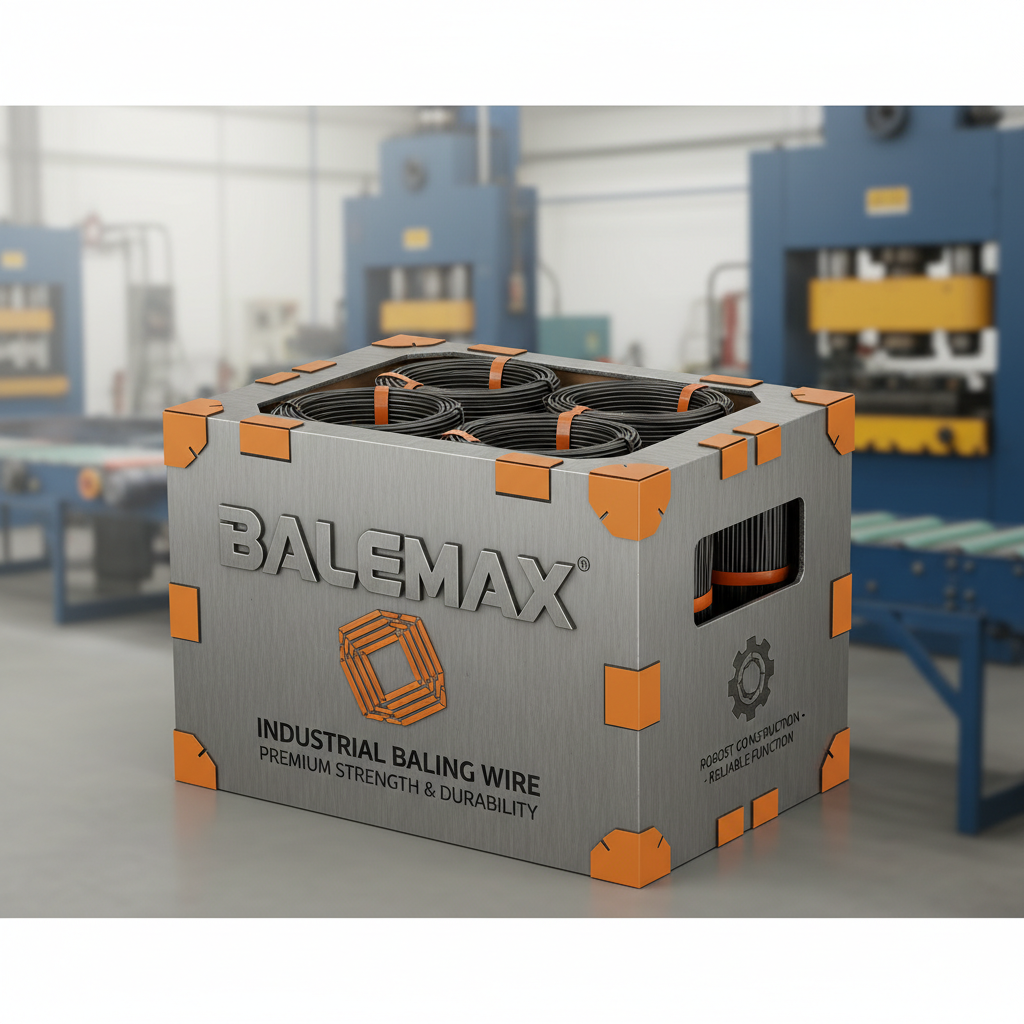
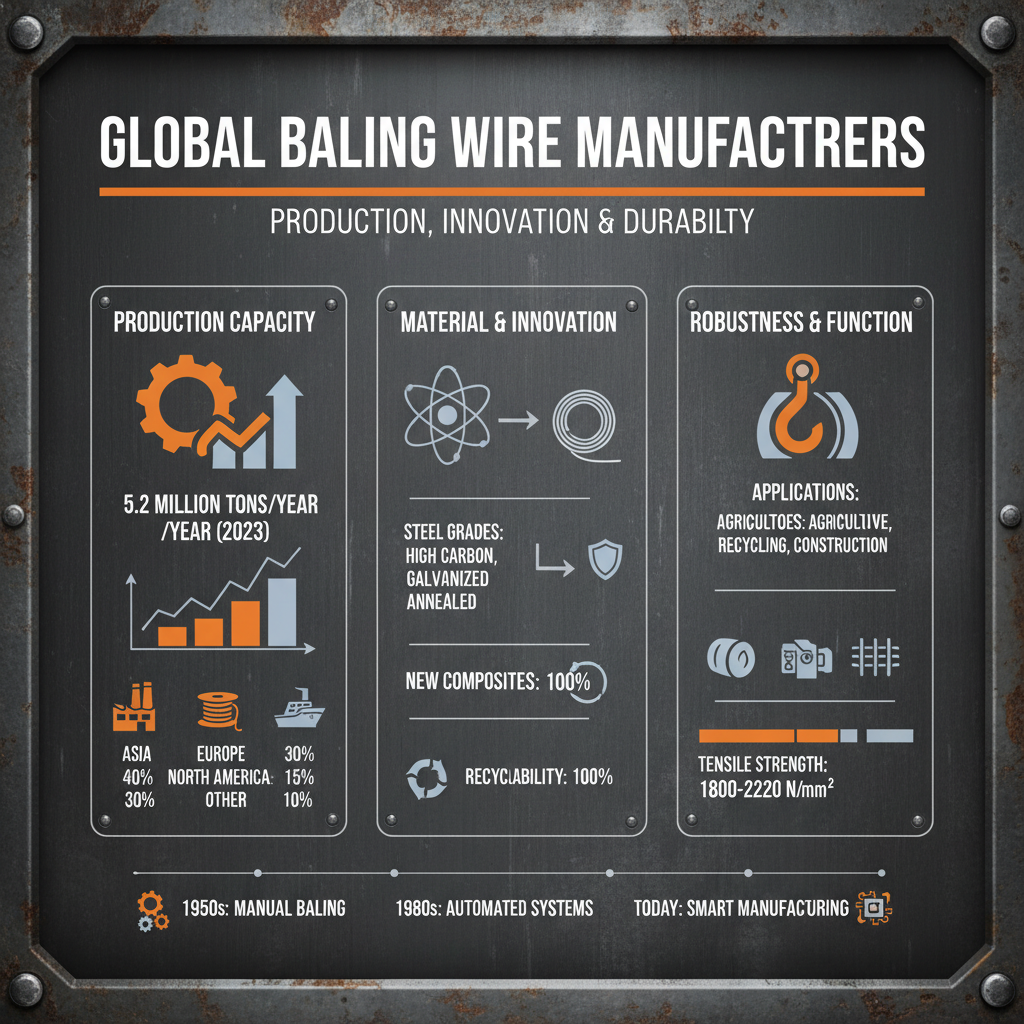
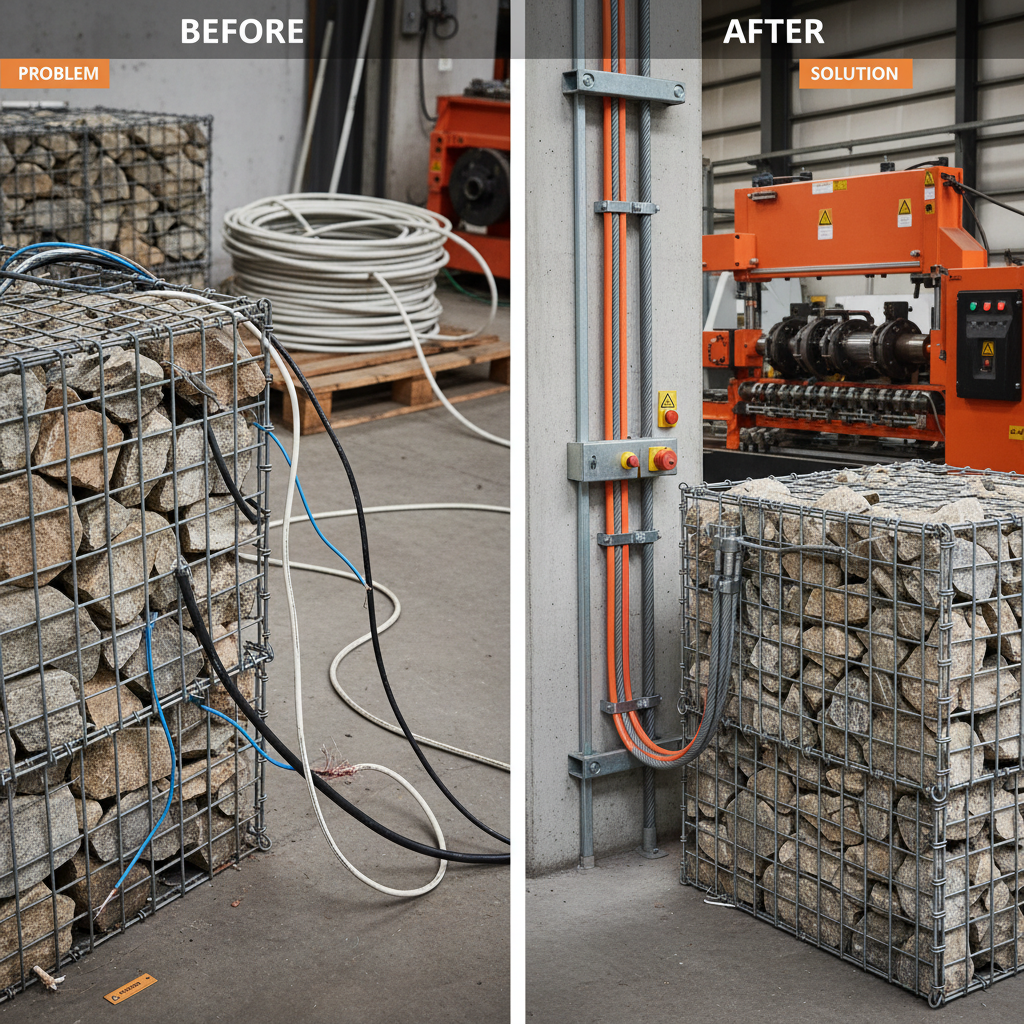
Baling wire manufacturers play a critical, yet often unseen, role in a vast array of industries globally. From agricultural operations needing to compact hay and cotton, to recycling facilities processing materials for reuse, and even disaster relief efforts requiring secure bundling of essential supplies, the demand for high-quality baling wire is consistently strong. Understanding the intricacies of this industry – the materials used, the manufacturing processes, and the factors influencing wire performance – is essential for businesses seeking reliable and cost-effective solutions for their material handling needs. The global baling wire market is influenced by factors like commodity pricing, industrial output, and increasingly, sustainable practices.
The importance of reliable baling wire extends beyond mere convenience; it’s directly linked to operational efficiency and safety. Improperly secured bales can lead to material loss, workplace hazards, and increased labor costs. Consequently, choosing a reputable baling wire manufacturers is paramount. These manufacturers not only supply the physical product but also often provide expertise in selecting the appropriate wire gauge, tensile strength, and coating for specific applications.
Furthermore, the evolution of the baling wire industry reflects a broader trend towards sustainability. Manufacturers are increasingly focused on developing eco-friendly materials and reducing their carbon footprint, responding to growing demand for environmentally responsible products. This commitment to innovation ensures that baling wire solutions remain aligned with modern industrial standards and contribute to a more circular economy.
The Significance of Baling Wire Manufacturers
The success of many industries fundamentally relies on efficient and reliable material handling processes. Baling wire manufacturers are central to this, providing the critical component for compacting and securing a diverse range of materials. Their expertise extends beyond simply producing wire; it encompasses understanding the unique demands of different applications and tailoring solutions to meet those needs.
Without quality baling wire, businesses face increased operational costs due to material waste, potential safety hazards, and decreased productivity. A competent baling wire manufacturers invests in research and development, quality control measures, and customer support, ensuring consistently high-performing products and a strong return on investment for their clients.
Defining Baling Wire Manufacturers and Their Role
Baling wire manufacturers are companies specializing in the production of wire specifically designed for use in baling machines. These machines compress materials like recyclable paper, plastic, aluminum, textiles, and agricultural byproducts into dense, manageable bales. The wire serves as the essential binding agent, holding the bale’s shape during transportation and storage. These manufacturers handle the entire process, from sourcing raw materials to coating and packaging the finished product.
Their role extends beyond simple production; they provide specialized knowledge to clients regarding wire gauge, tensile strength, and coating options best suited to their specific materials and baling equipment. The connection to modern industry is strong, underpinning resource recovery and efficient logistics. Furthermore, in humanitarian contexts, baling wire facilitates the secure packaging of emergency supplies for rapid deployment.
Modern baling wire manufacturers are increasingly focused on producing sustainable products, utilizing recycled materials and exploring biodegradable coating options. This commitment demonstrates a responsiveness to growing environmental concerns and a desire to contribute to a circular economy.
Key Characteristics of Quality Baling Wire
Several characteristics define high-quality baling wire, and discerning manufacturers prioritize these. Durability is paramount; the wire must withstand the stresses of compression, handling, and transportation without breaking or losing its tension. Tensile strength, measured in pounds per square inch (PSI), is a crucial indicator of this durability, influencing the wire’s ability to hold a bale together securely.
Corrosion resistance is another key factor, especially for bales stored outdoors or in humid environments. Coatings like galvanized zinc or epoxy provide a protective barrier against rust and degradation, extending the wire’s lifespan and maintaining bale integrity. Furthermore, consistency in diameter and coating thickness is vital for optimal baling machine performance, minimizing downtime and maximizing efficiency.
Finally, the wire’s ductility—its ability to be bent and formed without breaking—is important for ensuring smooth feeding through baling equipment. Reputable baling wire manufacturers meticulously control these factors to deliver a product that consistently meets or exceeds industry standards.
Performance Metrics for Baling Wire Manufacturers
Evaluating the performance of baling wire manufacturers requires looking beyond just the price per ton. Key metrics include tensile strength consistency, measured through rigorous testing of wire samples from each production batch. This ensures the wire consistently meets specified PSI requirements.
Coating uniformity is another vital metric, assessed by measuring coating thickness across the wire’s surface. This impacts corrosion resistance and overall longevity. Manufacturers should also demonstrate a low breakage rate during baling operations, indicating the wire’s ability to withstand stress and strain.
Baling Wire Manufacturer Performance Comparison
Global Applications of Baling Wire
Baling wire’s applications are widespread and diverse. In agriculture, it’s indispensable for compacting hay bales, cotton modules, and silage, facilitating efficient storage and transportation. Recycling facilities rely heavily on it to compress materials like paper, cardboard, plastic, and aluminum for shipment to processing plants.
Industries like textiles and forestry also utilize baling wire to manage waste and byproducts. In post-disaster relief operations, it plays a crucial role in securing emergency supplies and creating temporary shelters. From remote industrial zones in developing nations to large-scale processing plants in developed economies, the need for reliable baling wire remains constant.
Advantages of Partnering with Leading Manufacturers
Choosing a leading baling wire manufacturers offers numerous advantages. Access to a wider range of wire gauges and coatings allows for customized solutions tailored to specific material types and baling equipment. Expert technical support ensures optimal wire selection and baling process efficiency.
Reliable supply chains and consistent product quality minimize downtime and disruptions. Furthermore, a commitment to innovation and sustainable practices ensures access to the latest advancements in baling wire technology. These manufacturers typically offer competitive pricing and long-term cost savings through reduced waste and increased productivity.
Finally, partnerships often include services like on-site assessments and customized wire delivery schedules, further streamlining operations and enhancing overall efficiency.
Future Trends and Challenges for Baling Wire Manufacturers
The future of baling wire manufacturing is shaped by several emerging trends. A growing emphasis on sustainability is driving demand for recycled wire materials and biodegradable coatings. Automation in baling processes will necessitate wires with even greater tensile strength and durability to withstand increased compression forces.
Digitalization, including the integration of sensors and data analytics, will enable manufacturers to monitor wire performance in real-time and optimize production processes. However, challenges remain, including fluctuating raw material prices and the need to address the environmental impact of wire production and disposal.
Meeting these challenges requires ongoing investment in research and development, a commitment to circular economy principles, and a proactive approach to adapting to evolving industry demands.
Summary of Key Trends and Challenges Facing Baling Wire Manufacturers
| Trend/Challenge |
Impact on Manufacturers |
Mitigation Strategy |
Priority (1-5, 5=Highest) |
| Sustainability Demands |
Increased pressure to use recycled materials and reduce carbon footprint. |
Invest in recycled wire sourcing and eco-friendly coatings. |
5 |
| Raw Material Price Volatility |
Fluctuating steel and zinc prices impact profitability. |
Diversify sourcing and explore long-term contracts. |
4 |
| Automation in Baling Processes |
Requires higher-strength wires to withstand increased forces. |
Develop wires with enhanced tensile strength and ductility. |
3 |
| Environmental Regulations |
Stricter regulations regarding waste disposal and emissions. |
Implement sustainable manufacturing practices and waste management systems. |
4 |
| Digital Transformation |
Need to integrate data analytics for process optimization. |
Invest in sensor technology and data analytics platforms. |
2 |
| Competition from Low-Cost Producers |
Pressure to lower prices while maintaining quality. |
Focus on innovation, customer service, and niche markets. |
3 |
FAQS
The lifespan of baling wire in agriculture depends heavily on environmental conditions and the type of crop being baled. Generally, galvanized steel wire can last several seasons with proper storage, resisting rust and corrosion. However, exposure to harsh weather, acidic soil, or corrosive plant materials can significantly reduce its longevity. Regularly inspecting bales and replacing damaged wire is crucial for maintaining bale integrity and preventing losses.
Wire gauge, measured in millimeters or inches, directly correlates with the wire's thickness and strength. A lower gauge number indicates a thicker, stronger wire. While thicker wire offers greater holding power and durability, it also comes at a higher cost per ton. Choosing the appropriate gauge depends on the density and weight of the materials being baled. A reputable baling wire manufacturers can advise on the optimal gauge for specific applications.
Environmental considerations are increasingly important. Look for wires with high recycled content, minimizing the demand for virgin materials. Coatings should be environmentally friendly, avoiding harmful chemicals. Proper disposal and recycling of used baling wire are also essential. Some manufacturers offer take-back programs to facilitate responsible recycling. Considering these factors reduces the environmental footprint of your baling operations.
Common coatings include galvanized zinc, epoxy, and polypropylene. Galvanized zinc provides excellent corrosion resistance at a relatively low cost. Epoxy coatings offer superior protection against rust and abrasion, particularly in harsh environments. Polypropylene coatings add a layer of plastic over the zinc, further enhancing corrosion resistance and reducing wear on baling equipment. The best coating depends on the specific application and environmental conditions.
Always consult your baling machine’s manual for recommended wire specifications. Factors like wire diameter, tensile strength, and coating type can impact machine performance. Using incompatible wire can lead to jams, damage to equipment, and reduced baling efficiency. Working with a knowledgeable baling wire manufacturers can ensure you select a wire perfectly suited for your machine model.
Baling wire can have sharp ends, so wearing gloves and eye protection is essential. Be cautious when cutting or handling wire to avoid injury. Store wire properly to prevent tangling and accidental exposure to sharp edges. Always follow the safety guidelines provided by your baling machine manufacturer and the baling wire supplier. Proper training for personnel handling baling wire is also crucial.
Conclusion
In conclusion, the role of baling wire manufacturers extends far beyond simply producing a commodity. They are crucial facilitators of efficient material handling, resource recovery, and sustainable practices across a diverse range of industries. Understanding the key characteristics of quality baling wire – durability, tensile strength, corrosion resistance, and compatibility – is paramount for optimizing operational efficiency and minimizing costs.
Looking ahead, the baling wire industry will continue to evolve in response to growing demands for sustainability, automation, and digitalization. By embracing innovation and prioritizing customer needs, leading manufacturers will remain at the forefront of this critical industry, providing essential solutions for a more efficient and environmentally responsible future. Visit our website at www.wiremeshpro.com to learn more about our comprehensive range of baling wire products and services.

 Phone:
 Email: