Baling wire cost is a surprisingly crucial factor across numerous industries, ranging from agriculture and waste management to recycling and even disaster relief. Understanding the nuances of this cost – factoring in material, gauge, tensile strength, and supplier – directly impacts operational efficiency and profitability. The global market for baling wire is substantial, with consistent demand driven by the ever-increasing need for effective material compaction and resource recovery. Accurate assessment of baling wire cost is therefore essential for sound business planning and budget allocation.
Fluctuations in raw material prices, particularly steel, significantly influence baling wire cost. Geopolitical events, trade tariffs, and supply chain disruptions can all create volatility. Businesses must stay informed about these trends to mitigate risk and negotiate favorable pricing. Furthermore, the increasing focus on sustainability and the circular economy is driving demand for recycled baling wire options, impacting cost structures and material sourcing strategies. Ignoring these economic factors can lead to unexpected expenses and compromised operational budgets.
Ultimately, optimizing baling wire cost involves a delicate balance between price, quality, and performance. Selecting the appropriate wire gauge and material for the specific application is critical. Investing in efficient baling equipment and implementing best practices for wire handling can also minimize waste and reduce overall expenditure. For organizations seeking cost-effective solutions, exploring different suppliers and leveraging bulk purchasing options is often beneficial. baling wire cost optimization is a continuous process requiring diligence and adaptability.
The Significance of Baling Wire Cost
The significance of baling wire cost extends far beyond simply the price per foot. It directly influences the overall efficiency of operations reliant on material compaction, such as recycling facilities and agricultural businesses. Unforeseen increases in baling wire cost can erode profit margins and necessitate adjustments to pricing strategies.
Effective management of baling wire cost requires a holistic approach that considers not only the initial purchase price but also factors like wire breakage rates, baling machine maintenance, and labor costs associated with wire changes. By optimizing these elements, businesses can achieve substantial cost savings and improve their competitive advantage.
Defining Baling Wire Cost
Baling wire cost encompasses all expenses associated with acquiring and utilizing wire for compressing materials into manageable bales. This includes the base price of the wire itself (influenced by material type, gauge, and coating), shipping costs, handling fees, and any applicable taxes. However, a complete understanding of the cost must also consider hidden factors.
These hidden costs include the labor involved in threading the wire through baling machines, the downtime experienced during wire breaks, and the potential for damage to equipment caused by improper wire handling. Furthermore, the cost of disposing of used baling wire (often requiring specialized recycling processes) should be factored into the overall expense.
Ultimately, baling wire cost is not merely a line item in a budget; it is a component of a larger operational cost picture, impacting efficiency and profitability in industries reliant on effective material compaction.
Key Determinants of Baling Wire Cost
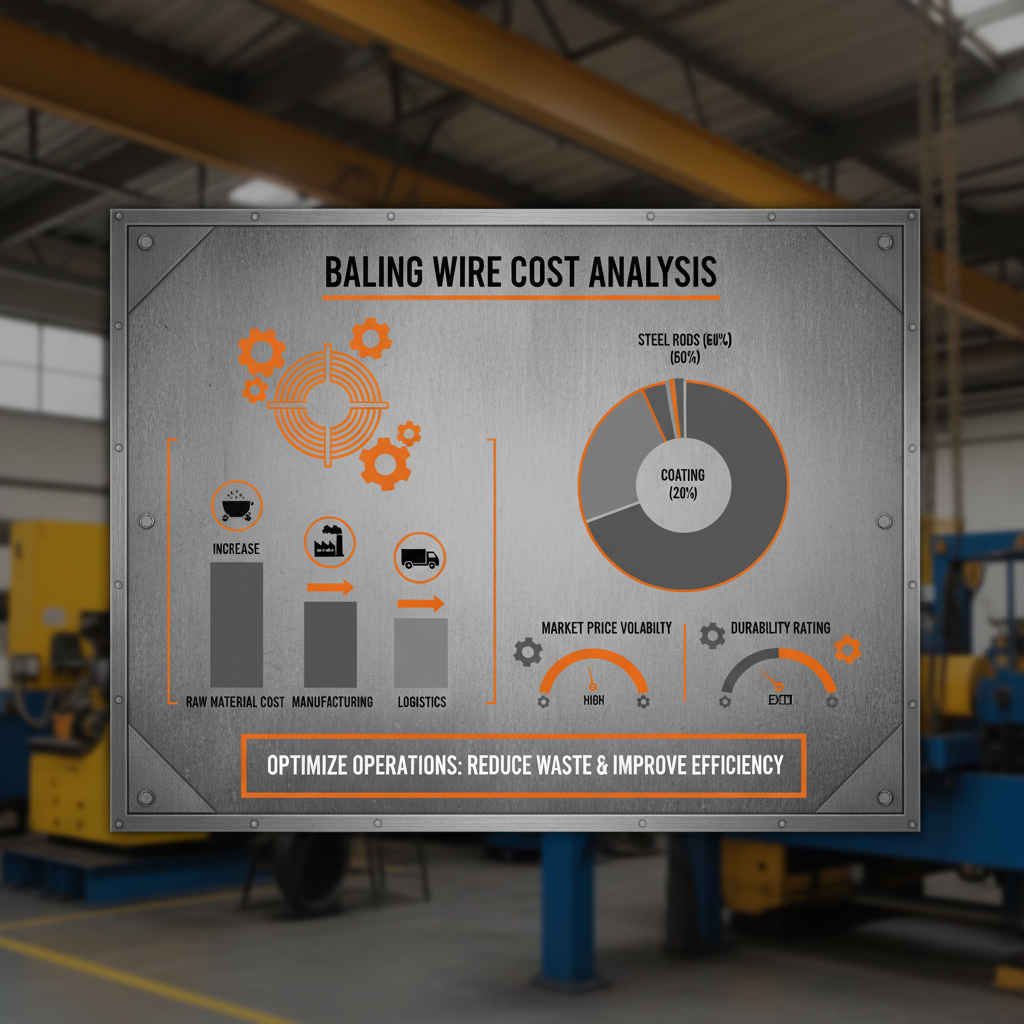
Several factors play a crucial role in determining baling wire cost. The primary determinant is the type of material used – high-tensile steel wire is the most common, but stainless steel and coated wires are also available, each with varying price points. Wire gauge (thickness) also significantly impacts cost; thicker wires are stronger but more expensive.
Market conditions, including steel prices and supply chain dynamics, exert considerable influence on baling wire cost. Geopolitical events, trade tariffs, and fluctuations in currency exchange rates can all contribute to price volatility. Supplier location and purchasing volume also affect cost, with bulk purchases typically qualifying for discounts.
Finally, the coating applied to the wire (if any) influences both cost and performance. Coatings like galvanized zinc provide corrosion resistance, extending the wire's lifespan, but add to the initial purchase price. Selecting the appropriate coating for the specific application is essential for optimizing long-term value.
Global Applications & Cost Variations
Baling wire is utilized globally across a diverse range of industries. In agriculture, it secures hay and silage bales, while in recycling facilities, it compacts materials like paper, plastic, and aluminum. Waste management companies rely heavily on baling wire for efficient waste processing, and the packaging industry utilizes it for securing various products during transit.
Baling wire cost varies considerably by region, influenced by factors such as local material prices, transportation costs, and import duties. Developed economies often experience higher costs due to stricter quality control standards and higher labor rates. In contrast, emerging markets may offer lower prices but potentially compromise on wire quality.
In post-disaster relief operations, readily available and affordable baling wire plays a vital role in creating temporary shelters and securing essential supplies. The specific requirements and cost considerations in these emergency situations differ significantly from typical industrial applications.
Baling Wire Cost Comparison by Method
Advantages of Optimized Baling Wire Cost
Optimizing baling wire cost yields a multitude of benefits. Reduced expenditure on wire directly translates to increased profitability for businesses. Lower material costs can enable competitive pricing and attract more customers.
Furthermore, using high-quality baling wire with appropriate tensile strength minimizes breakage, reducing downtime and labor costs associated with frequent wire changes. This also improves the efficiency of baling operations and maximizes throughput. A commitment to cost optimization demonstrates financial responsibility and strengthens a company's bottom line.
Future Trends Impacting Baling Wire Cost
The future of baling wire cost is likely to be shaped by several emerging trends. Increasing demand for recycled materials is driving innovation in baling wire manufacturing, with a growing emphasis on using recycled steel and developing more sustainable production processes.
Technological advancements in baling equipment are also influencing wire consumption, with more efficient machines requiring less wire to achieve the same compaction levels. Automation and robotics in waste management and recycling facilities will further optimize wire usage and reduce labor costs.
The push for a circular economy, where materials are continuously reused and recycled, will continue to drive demand for high-quality, durable baling wire that can withstand multiple recycling cycles.
Challenges & Cost-Saving Strategies
Despite the potential for cost optimization, several challenges remain. Volatility in steel prices, supply chain disruptions, and increasing regulatory pressures can all impact baling wire cost. Maintaining consistent wire quality and ensuring compatibility with existing baling equipment are also critical concerns.
To mitigate these challenges, businesses can implement several cost-saving strategies. Negotiating favorable contracts with suppliers, exploring bulk purchasing options, and implementing efficient wire handling procedures are all effective approaches. Regular maintenance of baling equipment to prevent wire breakage and optimize performance is also essential.
Investing in employee training to ensure proper wire threading and handling techniques can further reduce waste and minimize downtime. baling wire cost management is an ongoing process that requires continuous monitoring and adaptation.
Summary of Baling Wire Cost Optimization Strategies
| Strategy Category |
Implementation Effort (1-5) |
Potential Cost Savings (1-5) |
Long-Term Impact (1-5) |
| Supplier Negotiation |
3 |
4 |
4 |
| Bulk Purchasing |
2 |
3 |
3 |
| Wire Handling Training |
3 |
2 |
4 |
| Equipment Maintenance |
4 |
3 |
5 |
| Recycled Wire Sourcing |
2 |
3 |
4 |
| Inventory Management |
2 |
2 |
3 |
FAQS
Several factors drive baling wire cost, including the type and gauge of the wire, steel market prices, supplier location and terms, shipping costs, and any applicable import duties. Demand and seasonal fluctuations also play a role. Monitoring these elements is key to effective cost management.
You can reduce baling wire cost by negotiating with suppliers for better pricing, exploring bulk purchasing discounts, implementing efficient wire handling procedures to minimize waste, investing in regular baling equipment maintenance, and potentially sourcing recycled baling wire options. Employee training on proper wire threading can also help.
Galvanized baling wire is coated with zinc to provide corrosion resistance, making it suitable for wet or corrosive environments. Non-galvanized wire is typically less expensive but is more susceptible to rust. The choice depends on the application and the expected exposure to the elements.
Thicker wire gauges offer greater tensile strength and are less prone to breakage, resulting in more reliable baling performance. However, thicker wire is also more expensive. Selecting the appropriate gauge for the specific material being baled is crucial for balancing cost and performance.
Yes, recycled baling wire can be a viable cost-saving option, often priced lower than virgin steel wire. However, it's important to ensure the recycled wire meets the required quality and strength standards for your specific application. Reputable suppliers will provide certification of material properties.
Baling wire should be stored in a dry, sheltered location to prevent corrosion. Ideally, it should be kept indoors or covered with a waterproof tarp. Avoid storing wire directly on the ground, and ensure it is protected from moisture and exposure to harsh chemicals.
Conclusion
In conclusion, understanding baling wire cost is critical for businesses across numerous industries. It’s not simply a matter of acquiring the cheapest wire; it’s about considering the total cost of ownership – including material, handling, maintenance, and downtime. Optimizing baling wire cost requires a strategic approach encompassing supplier negotiations, efficient handling practices, and a commitment to using the appropriate wire gauge and material for each application.
Looking ahead, the increasing focus on sustainability and the circular economy will continue to drive innovation in baling wire manufacturing and consumption. By embracing new technologies, adopting cost-saving strategies, and prioritizing long-term value, businesses can minimize their expenditure on baling wire and maximize their operational efficiency. For further information and competitive pricing, visit our website: www.wiremeshpro.com.

 Phone:
 Email: