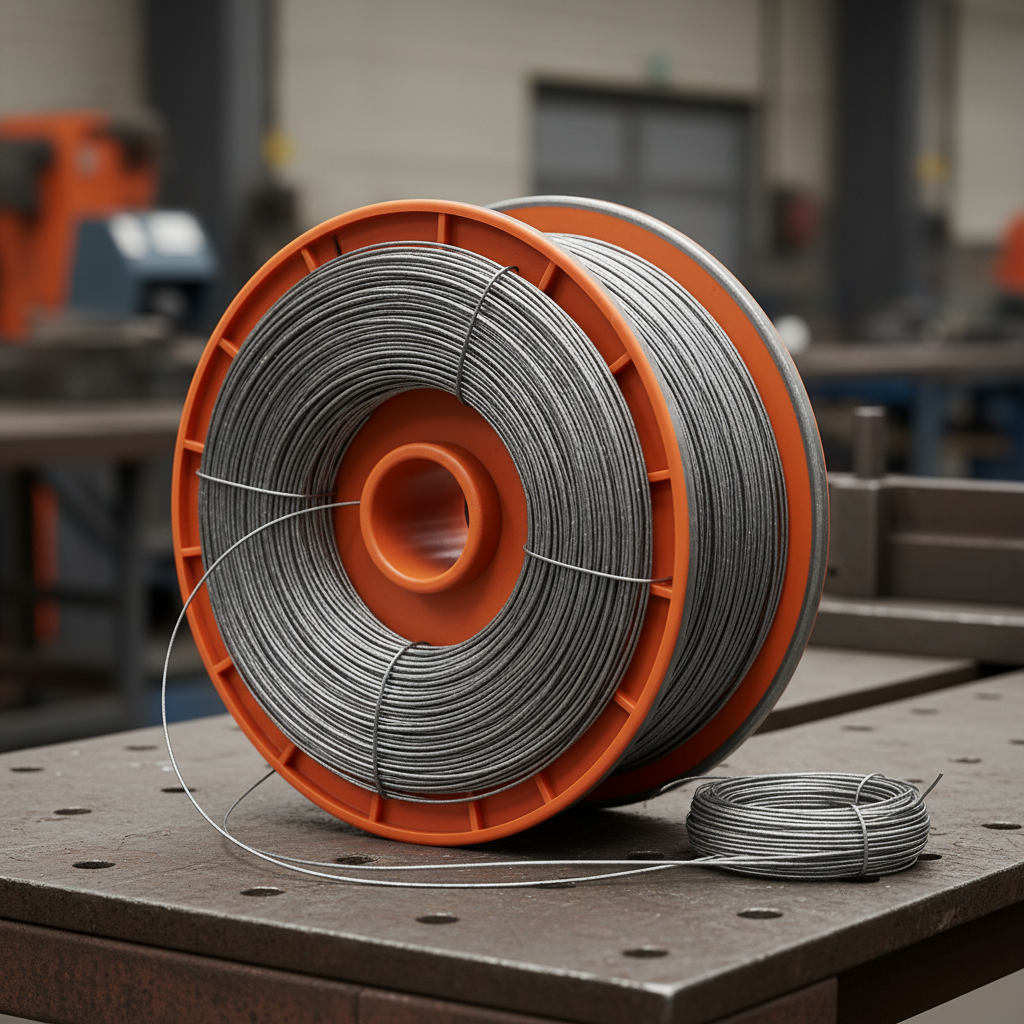
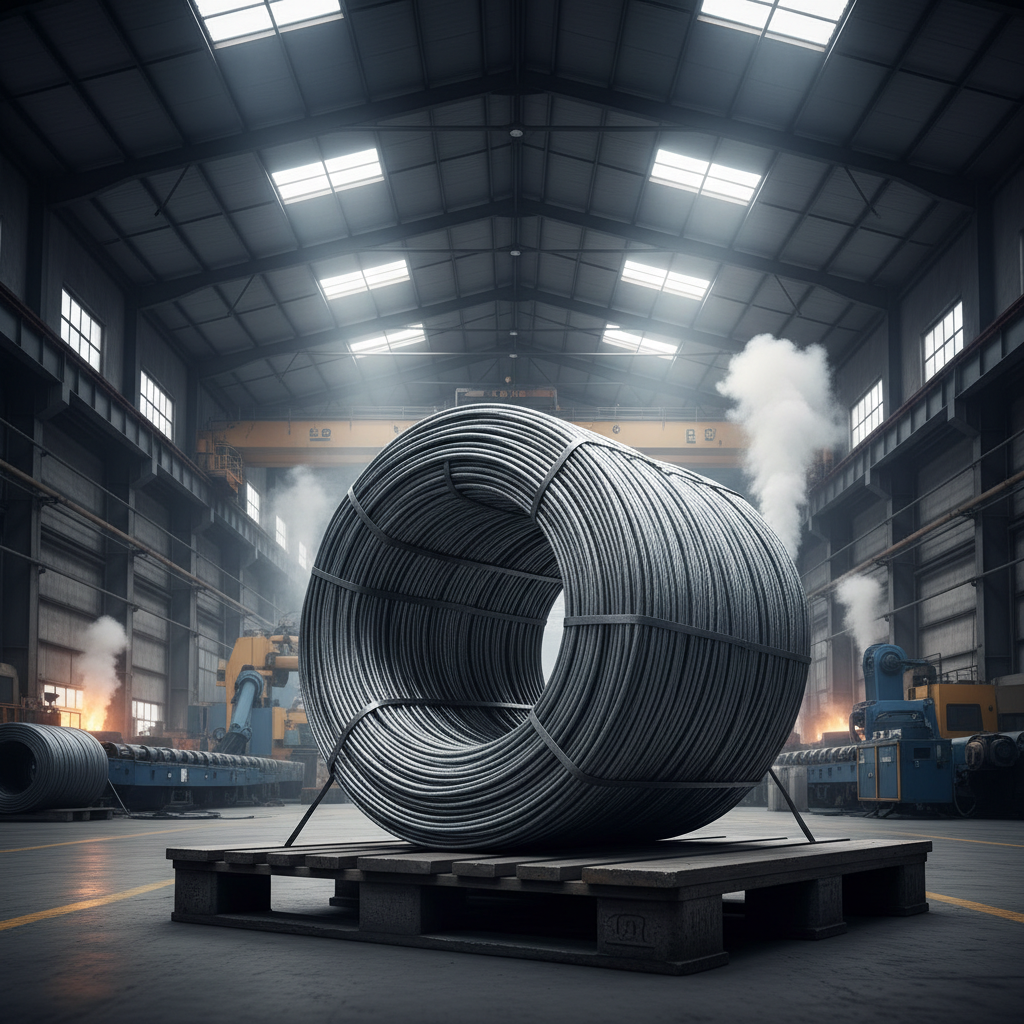
Baling wire suppliers play a crucial, often unseen, role in a multitude of industries globally. From agriculture and waste management to recycling and industrial packaging, the reliable supply of high-quality baling wire is fundamental to efficient operations and cost-effective material handling. Understanding the intricacies of this supply chain – including material quality, pricing fluctuations, and logistical considerations – is becoming increasingly important for businesses seeking to optimize their processes and maintain competitive advantages. These suppliers are not just providing a product; they are providing a critical component of streamlined workflows.
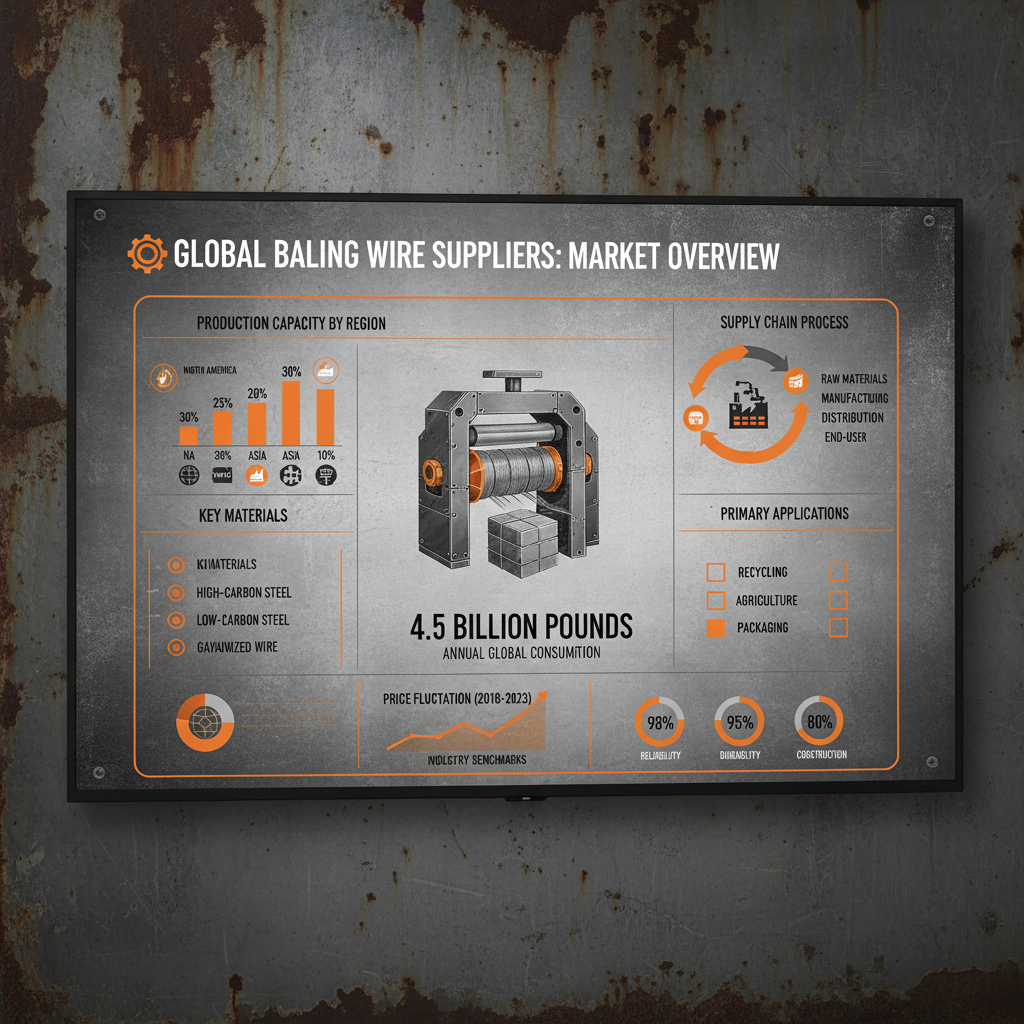
The global demand for baling wire is directly tied to economic activity, particularly in sectors that generate significant volumes of recyclable materials or require compressed product forms. Increasing environmental awareness and stricter recycling regulations worldwide are driving this demand, requiring baling wire suppliers to adapt to evolving industry needs and sustainability goals. According to the World Bank, global waste generation is projected to increase by 70% by 2050, further emphasizing the importance of robust and reliable baling solutions. Effective baling wire suppliers are essential partners in the circular economy.
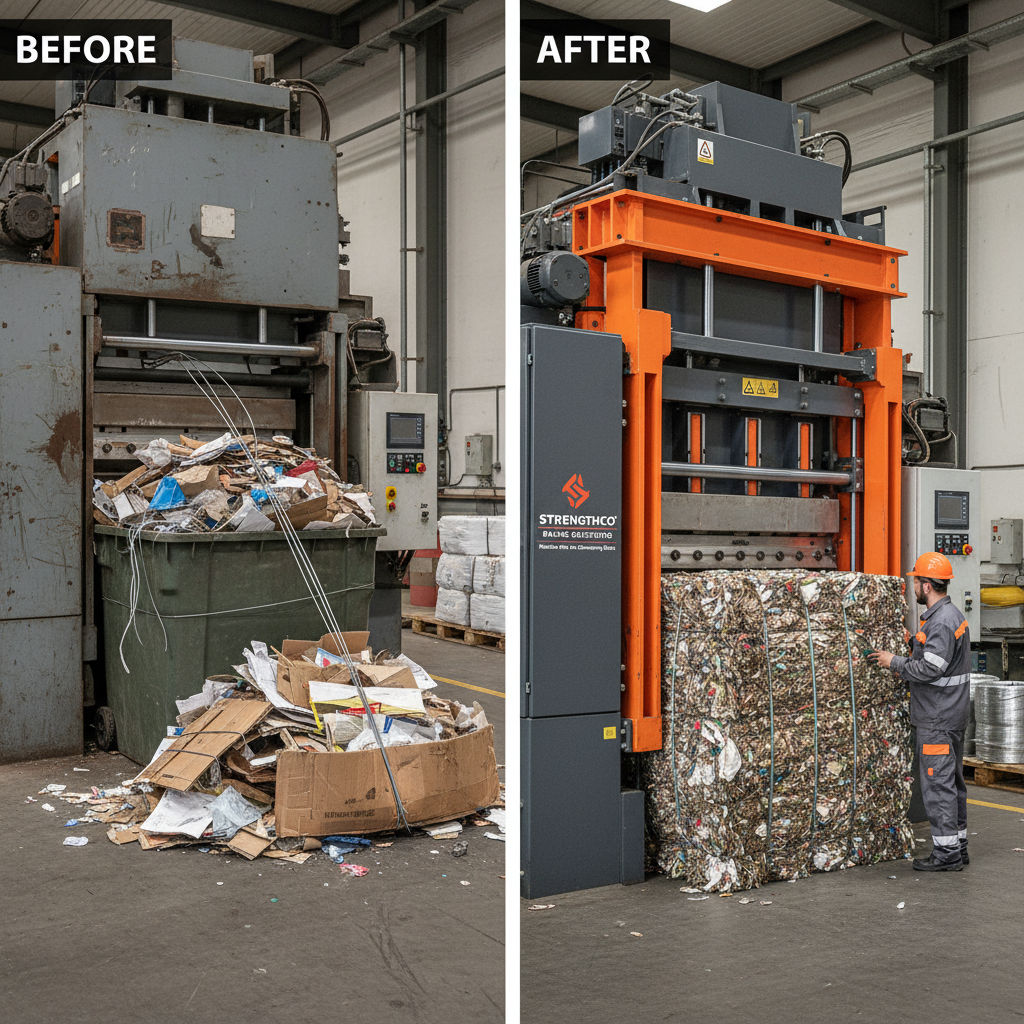
The accessibility and quality of baling wire from dedicated baling wire suppliers is critical for both large-scale industrial applications and smaller operations. Properly baled materials reduce storage space, lower transportation costs, and simplify handling processes, ultimately enhancing overall efficiency. Moreover, a secure bale ensures product integrity and worker safety, making the selection of a trusted supplier paramount for operational success.
The Core Importance of Baling Wire Suppliers
Effective baling wire suppliers aren't simply vendors; they are strategic partners in maintaining operational efficiency. Their expertise extends beyond simply providing the wire itself, often encompassing advice on optimal wire gauge, tensile strength, and baling techniques tailored to specific materials and equipment. This collaborative approach results in tighter, more stable bales, reducing waste and maximizing logistical benefits.
The quality and consistency of baling wire directly impact the value of recovered materials. A reliable baling wire supplier ensures that bales meet industry standards for weight and density, maximizing their market value and minimizing rejection rates at recycling facilities. This translates to improved profitability and a more sustainable supply chain for businesses.
Defining Baling Wire Suppliers and Their Role
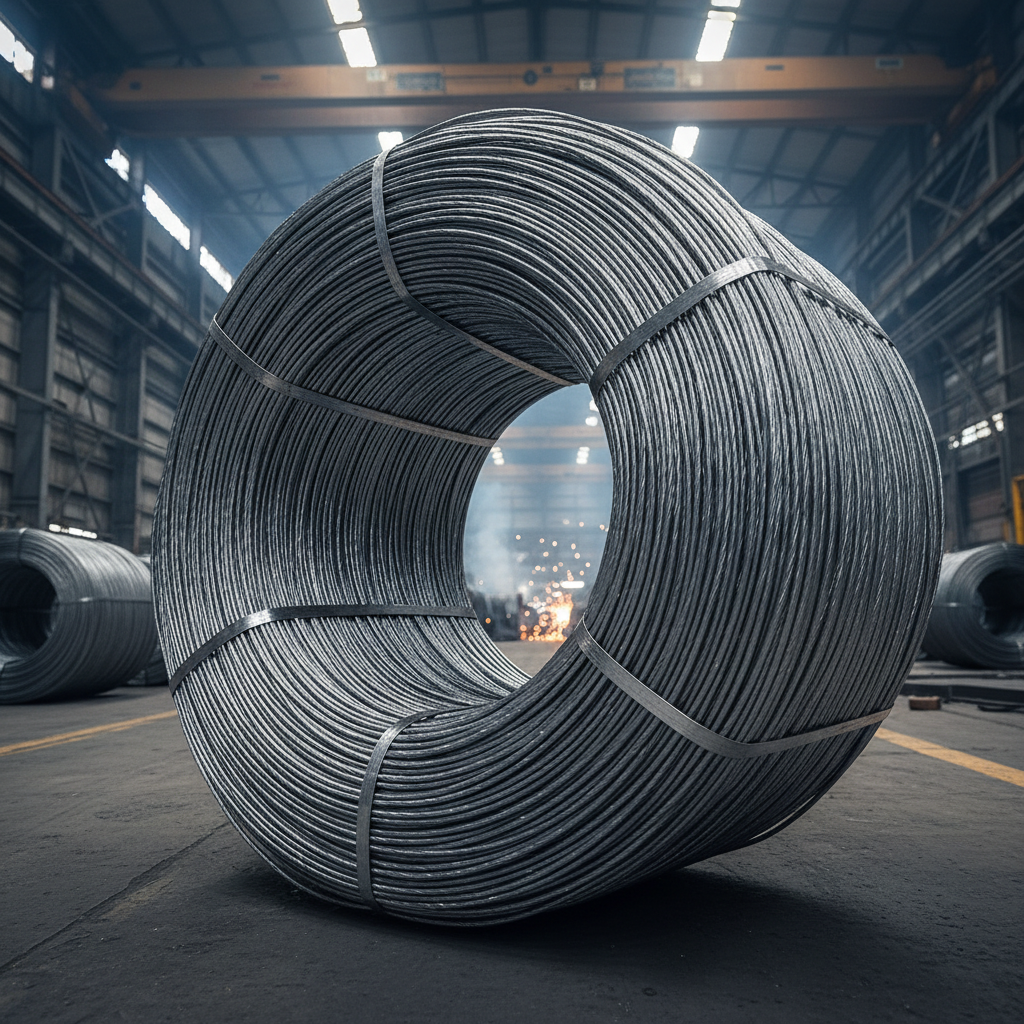
Baling wire suppliers specialize in the distribution of high-tensile wire used to compress and secure a wide range of materials into manageable bales. These materials commonly include recyclable paper, cardboard, plastics, textiles, and aluminum. These suppliers source wire from manufacturers, often offering a variety of wire types (e.g., black annealed, galvanized, coated) and gauges to suit different applications.
Their role extends beyond mere distribution. Many baling wire suppliers provide value-added services such as custom wire cutting, spooling, and logistical support, ensuring timely delivery to their customers' facilities. They often maintain substantial inventory levels to meet fluctuating demand and offer technical expertise to assist clients in selecting the most appropriate wire for their specific needs.
In essence, baling wire suppliers act as a critical link between wire manufacturers and end-users, facilitating the efficient and cost-effective compression and handling of materials crucial to modern industry and waste management practices. They're integral to the success of recycling programs and material recovery facilities (MRFs).
Key Characteristics of Reliable Suppliers
Reliable baling wire suppliers demonstrate several key characteristics. First and foremost, is a consistent commitment to quality control, ensuring that their products meet rigorous industry standards for tensile strength, ductility, and corrosion resistance. This involves thorough inspection and testing procedures.
Secondly, a robust supply chain is crucial. The best baling wire suppliers maintain strong relationships with multiple manufacturers, mitigating the risk of supply disruptions and ensuring consistent availability, even during periods of high demand. Thirdly, responsiveness and excellent customer service are hallmarks of a dependable supplier. This includes prompt quote delivery, technical support, and efficient order processing.
Finally, competitive pricing and transparent billing practices are essential. While price shouldn’t be the sole determining factor, a reliable supplier will offer fair and consistent pricing, clearly outlining all costs and avoiding hidden fees.
Global Applications and Industry Impact
The applications of baling wire are remarkably diverse and span numerous industries. In the recycling sector, it’s indispensable for compressing materials like cardboard, paper, and plastics, preparing them for efficient transport to processing facilities. Agriculture utilizes baling wire to compress hay, straw, and other agricultural products for storage and transportation.
The waste management industry relies heavily on baling wire to condense municipal solid waste, reducing landfill volume and maximizing efficiency. Manufacturing plants use baling wire to compress scrap metal, textiles, and other byproducts for recycling or disposal. These processes are essential for a sustainable economy.
Baling Wire Supplier Performance Metrics
Advantages and Long-Term Value Proposition
Partnering with a reliable baling wire supplier delivers significant tangible benefits. Reduced waste disposal costs, increased revenue from recycled materials, and streamlined logistics contribute directly to improved profitability. The use of high-quality wire minimizes bale breakage and material loss during transport, safeguarding value.
Beyond financial gains, utilizing reputable baling wire suppliers promotes sustainability by supporting efficient recycling processes and reducing landfill waste. It also enhances workplace safety by ensuring secure bale formation, minimizing the risk of accidents.
Emerging Trends and Innovation in Baling Wire
The baling wire industry is experiencing innovation driven by sustainability concerns and technological advancements. There's growing demand for eco-friendly wire options, such as recycled content wire or biodegradable coatings, reducing the environmental impact of baling operations. Manufacturers are also developing higher-tensile wires that require less material per bale, further minimizing waste.
Automation is playing an increasingly important role, with some suppliers offering integrated baling systems that automatically adjust wire tension and cutting parameters for optimal bale formation. Digital tracking and inventory management solutions provide real-time visibility into wire usage and reordering needs, enhancing efficiency and reducing downtime.
Challenges and Solutions for Baling Wire Procurement
One common challenge is fluctuating wire prices, influenced by raw material costs and global market conditions. To mitigate this, businesses can explore long-term contracts with baling wire suppliers to lock in favorable pricing. Another challenge is ensuring consistent wire quality, which can be addressed through rigorous supplier vetting and quality control procedures.
Supply chain disruptions, particularly during periods of high demand or geopolitical instability, can also pose a risk. Maintaining relationships with multiple suppliers and diversifying sourcing options are crucial strategies for mitigating this risk. Finally, improper wire usage or equipment maintenance can lead to bale failures; regular training and preventative maintenance are essential.
Key Factors in Evaluating Baling Wire Suppliers
| Supplier Reputation |
Product Quality & Consistency |
Pricing & Contract Flexibility |
Logistics & Delivery Reliability |
| Industry recognition and customer testimonials |
Adherence to ISO standards and independent testing reports |
Competitive pricing with options for fixed-rate contracts |
On-time delivery rates and geographic coverage |
| Length of time in business and financial stability |
Consistent tensile strength and corrosion resistance |
Volume discounts and payment terms |
Ability to handle urgent or custom orders |
| Positive online reviews and case studies |
Minimal variations in wire diameter and coating thickness |
Transparency in pricing and no hidden fees |
Tracking capabilities and proactive communication |
| Strong ethical and environmental practices |
Compliance with relevant industry regulations |
Ability to adjust pricing based on market fluctuations |
Responsive customer support for logistical issues |
| Commitment to continuous improvement and innovation |
Consistent performance in challenging environments |
Options for customized wire lengths and spooling |
Inventory management solutions and just-in-time delivery |
| Willingness to provide technical support and training |
Proven track record of minimizing bale failures |
Clear and concise contract terms |
Efficient handling of returns or defective products |
FAQS
The ideal wire gauge for baling cardboard typically ranges from 11 to 14 gauge, depending on the baler model and the density required. Lighter gauges are suitable for lower-density cardboard, while heavier gauges provide greater strength and stability for denser bales. Consulting with your baler manufacturer and a reputable baling wire supplier is essential to determine the optimal gauge for your specific needs. Choosing the correct gauge maximizes efficiency and minimizes waste.
The frequency of wire replacement depends on several factors, including the type of material being baled, the baler's operating conditions, and the quality of the wire. Generally, it's advisable to inspect the wire regularly for signs of wear, corrosion, or breakage. Replacing the wire proactively prevents downtime and ensures safe and efficient operation. A good rule of thumb is to replace the wire after each bale cycle or when any visible damage is detected.
Black annealed wire is soft and pliable, making it easy to work with, but it lacks corrosion resistance. Galvanized wire, on the other hand, is coated with a layer of zinc, providing excellent protection against rust and corrosion, especially important in humid or outdoor environments. The choice depends on the application; galvanized wire is generally preferred for long-term durability and outdoor use, while black annealed wire may be suitable for indoor, dry applications where corrosion is not a concern.
No, using the wrong type of wire can damage your baler and void its warranty. Balers are designed to work with specific types of high-tensile baling wire that meet certain strength and ductility requirements. Using non-recommended wire can cause breakage, jams, and even safety hazards. Always consult your baler manufacturer's specifications and use wire supplied by a reputable baling wire supplier.
Coated baling wire offers enhanced corrosion resistance and a smoother surface, reducing friction and wear on baler components. This can extend the lifespan of the wire and the baler itself, minimizing maintenance costs. Coatings can also provide improved aesthetics and resistance to specific chemicals or environmental factors. The increased durability often justifies the slightly higher upfront cost.
To secure the best price, compare quotes from multiple baling wire suppliers, considering not only the per-unit cost but also shipping fees, minimum order quantities, and payment terms. Negotiate volume discounts and explore long-term contracts to lock in favorable rates. Also, consider the overall value proposition, including wire quality, reliability, and customer support.
Conclusion
In conclusion, the selection of reliable baling wire suppliers is a critical component of efficient waste management, recycling operations, and industrial material handling. By prioritizing quality, consistency, and competitive pricing, businesses can optimize their processes, reduce costs, and contribute to a more sustainable future. The impact extends beyond mere cost savings; it strengthens supply chains and promotes environmental responsibility.
Looking ahead, the demand for sustainable and innovative baling solutions will continue to grow. Staying informed about emerging trends, such as recycled content wire and automated baling systems, and partnering with forward-thinking baling wire suppliers will be essential for remaining competitive in a rapidly evolving landscape. Visit our website at www.wiremeshpro.com to learn more about our products and services.

 Phone:
 Email: