0%

Table of Contents

Stainless steel baling wire is a crucial component in numerous industrial processes globally, offering a robust and reliable solution for compressing and securing recyclable materials. Its resistance to corrosion, high tensile strength, and recyclability make it an ideal choice for applications ranging from waste management to agricultural bundling. Understanding its properties and applications is vital for optimizing efficiency and sustainability in various sectors.

The increasing global focus on resource recovery and waste reduction drives the demand for efficient baling solutions. Stainless steel baling wire plays a key role in enabling effective compaction of materials like aluminum, paper, plastics, and textiles, making them easier to transport and process for recycling. This directly impacts environmental sustainability and the circular economy.

Beyond recycling, stainless steel baling wire also finds essential applications in agriculture, packaging, and even disaster relief efforts. Its durability ensures the secure containment of goods, minimizing waste and contributing to overall cost savings. The material's longevity and resistance to harsh environments further enhance its value proposition across diverse industries.
Comprehensive Guide to Stainless Steel Baling Wire Applications and Benefits

The Importance of Stainless Steel Baling Wire

Comprehensive Guide to Stainless Steel Baling Wire Applications and Benefits

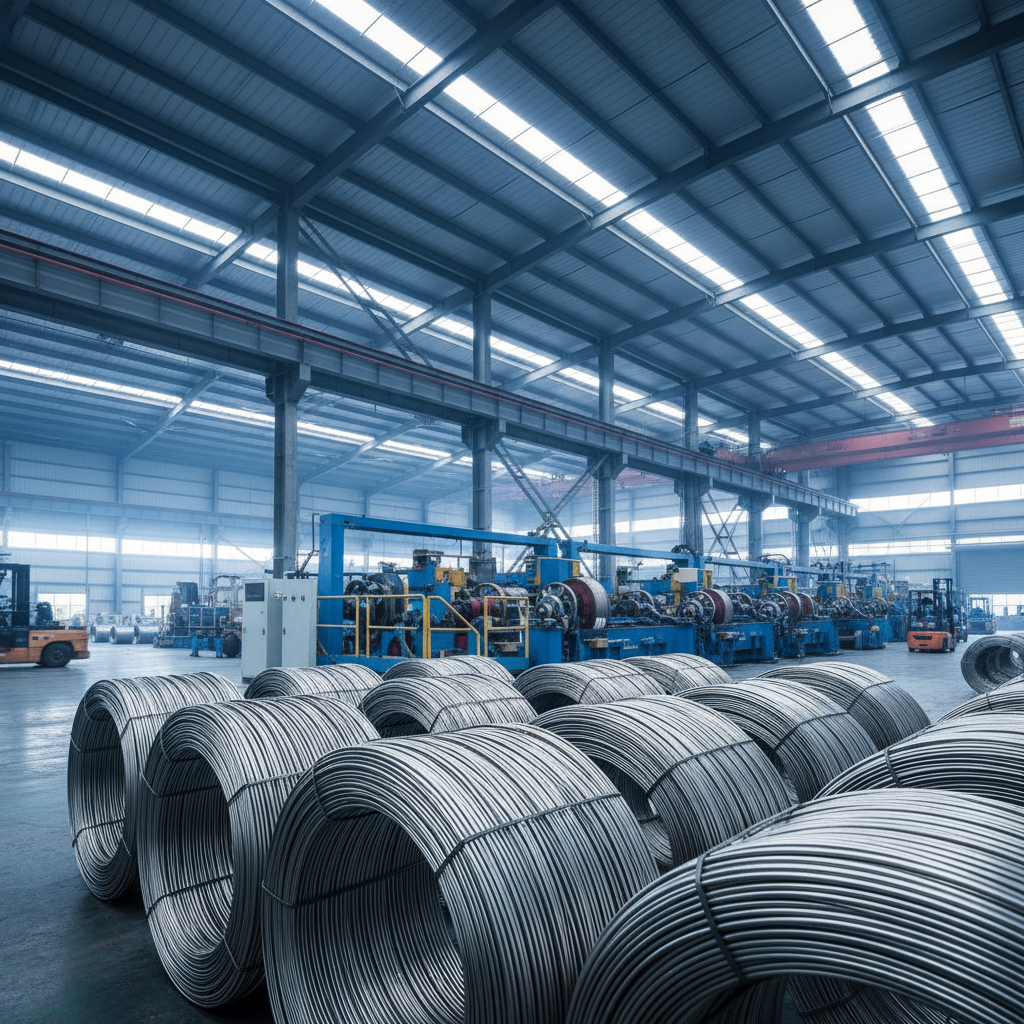
Stainless steel baling wire is essential for efficient waste management and resource recovery operations. It allows for the creation of dense, stable bales of recyclable materials, reducing transportation costs and maximizing storage space. This is particularly vital in urban areas and industrial facilities where waste volume is high. stainless steel baling wire provides a sustainable solution for handling increasing amounts of waste.

The use of stainless steel in these applications is not merely about strength; it's about durability and preventing contamination. Unlike carbon steel, stainless steel doesn't rust, ensuring that the baled materials remain clean and retain their value for recycling. This reduces the need for sorting and reprocessing, further optimizing the recycling process.

Defining Stainless Steel Baling Wire

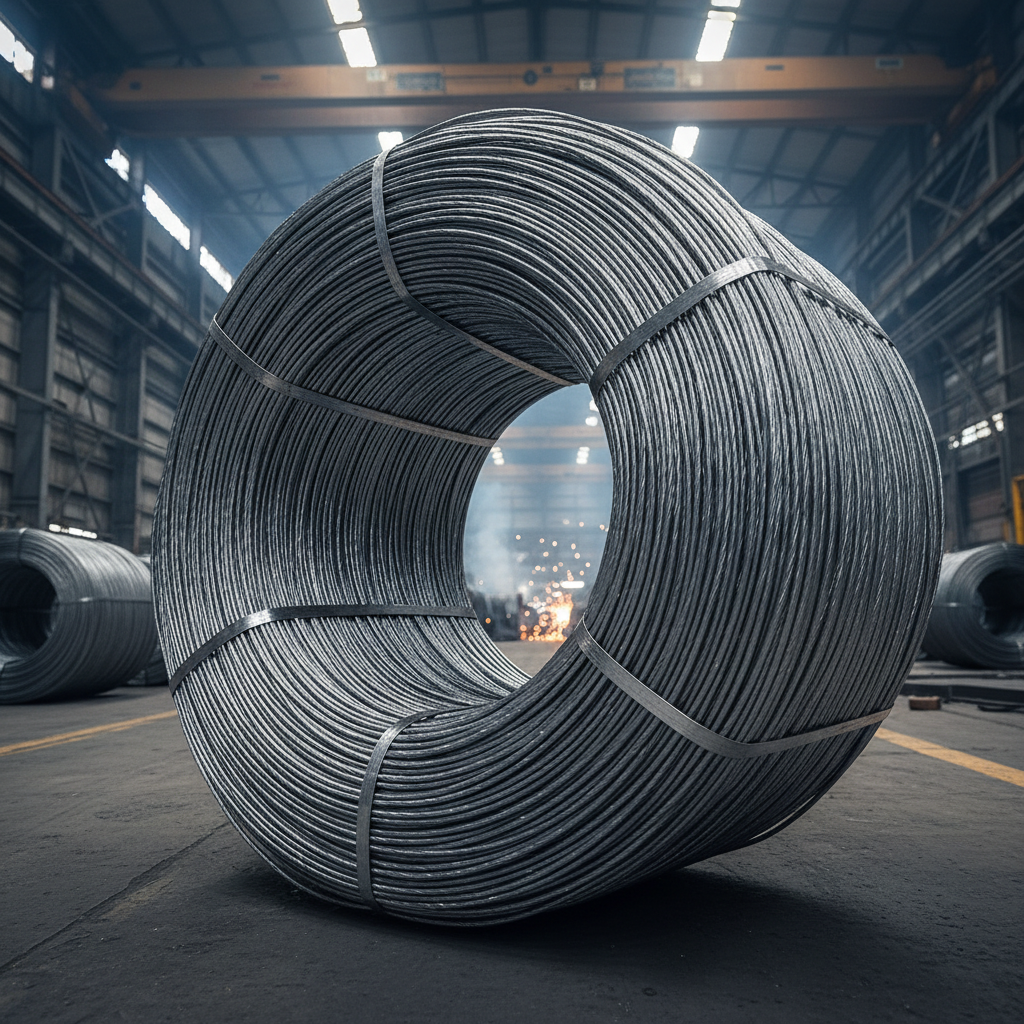
Stainless steel baling wire is a specialized wire product manufactured from various grades of stainless steel alloys, primarily 304 and 316. These alloys are chosen for their exceptional corrosion resistance, high tensile strength, and ability to withstand the stresses involved in baling operations. The wire is typically produced through a cold-drawing process to achieve consistent diameter and mechanical properties.

It differs significantly from traditional carbon steel baling wire, which is prone to rust and degradation, especially in humid or corrosive environments. This difference impacts not only the longevity of the bales but also the quality of the recycled materials they contain.

In modern industry and humanitarian contexts, stainless steel baling wire plays a crucial role in facilitating responsible waste management and material recovery, contributing to a more sustainable and circular economy. Its adaptability to various baling machine types makes it a versatile solution for diverse recycling needs.

Core Properties of Stainless Steel Baling Wire

The defining characteristic of stainless steel baling wire is its exceptional corrosion resistance. This property stems from the chromium content in the alloy, which forms a passive layer on the surface, protecting it from rust and environmental damage. This ensures long-term performance even in challenging conditions.

High tensile strength is another critical property. Stainless steel baling wire must be able to withstand significant tension during the baling process without breaking or deforming. This ensures the bales remain securely compressed during handling and transportation. The wire's strength contributes directly to operational safety.

Finally, the ductility of stainless steel baling wire allows it to be easily formed and manipulated during the baling process. This ensures proper wrapping and secure binding of the materials, preventing shifting and maintaining bale integrity. stainless steel baling wire delivers consistent performance across a variety of applications.

Key Factors Influencing Performance

The grade of stainless steel used significantly impacts performance. 304 stainless steel is commonly used for general-purpose baling applications, offering a good balance of corrosion resistance and cost-effectiveness. However, 316 stainless steel provides superior corrosion resistance in harsh environments, such as coastal areas or facilities handling corrosive materials.

Wire diameter is another crucial factor. Thicker wire provides greater strength and security, but may require more energy to process. Selecting the appropriate diameter depends on the type of material being baled, the baling machine’s specifications, and the desired bale density.

Stainless Steel Baling Wire Performance Metrics


Global Applications and Industry Impact

Stainless steel baling wire is extensively used in the recycling industry for baling aluminum cans, plastic bottles, paper, cardboard, and other recyclable materials. It’s critical for optimizing logistics and reducing waste volume for efficient processing.

In the agricultural sector, it secures bales of hay, straw, and cotton, facilitating storage and transportation. This is particularly important in regions with significant agricultural output.

Advantages and Long-Term Value Proposition

The primary advantage of stainless steel baling wire is its extended lifespan compared to carbon steel alternatives. This translates to reduced replacement costs and minimized downtime for baling operations. The lower frequency of wire changes improves overall efficiency.

Furthermore, the superior corrosion resistance maintains the integrity of the bales, preventing contamination and maximizing the value of the recycled materials. This contributes to a more sustainable and circular economy. Investing in stainless steel baling wire is an investment in long-term operational efficiency and environmental responsibility.

From a safety perspective, the reliable strength and consistent performance of stainless steel wire minimize the risk of bale failures during handling and transport, protecting workers and preventing material loss.

Future Trends and Innovations in Baling Wire Technology

Research is focused on developing even more durable and corrosion-resistant stainless steel alloys for baling wire applications. This includes exploring new alloy compositions and surface treatments to enhance performance in harsh environments.

Automation and smart baling systems are also driving innovation. These systems optimize wire usage and bale density, further improving efficiency and reducing waste. Integration with data analytics allows for predictive maintenance and optimized baling schedules.

Sustainability remains a key driver, with increasing demand for recyclable and biodegradable baling wire alternatives. While stainless steel is already recyclable, ongoing efforts are focused on minimizing the environmental impact of its production and end-of-life management.

FAQS

What is the lifespan of stainless steel baling wire compared to carbon steel?

Stainless steel baling wire generally lasts 2-3 times longer than carbon steel wire, primarily due to its superior corrosion resistance. Carbon steel readily rusts, weakening the wire and increasing the risk of breakage. Stainless steel’s passive chromium oxide layer protects it from environmental degradation, ensuring a longer service life and reducing replacement frequency. This translates to significant cost savings over time, despite the higher initial investment.

Is stainless steel baling wire suitable for use with corrosive materials?

Yes, stainless steel baling wire is specifically well-suited for use with corrosive materials. Grades like 316 stainless steel offer exceptional resistance to chlorides and other corrosive agents, making them ideal for baling scrap metal, waste from chemical processing, and materials exposed to saltwater environments. Choosing the appropriate grade is crucial for maximizing performance in these applications.

What wire diameter should I choose for baling aluminum cans?

The optimal wire diameter for baling aluminum cans typically ranges from 1.55mm to 2.0mm. This provides sufficient strength to securely compress the cans without excessive wire usage. The specific diameter may vary depending on the baling machine’s specifications and the desired bale density. Consult your baling machine manufacturer for recommendations.

How does the quality of stainless steel baling wire affect the recycling process?

Higher-quality stainless steel baling wire ensures the creation of tight, stable bales that minimize contamination of the recycled materials. A broken or corroded wire can compromise bale integrity, leading to material spillage and reducing the value of the recycled commodity. Using a reliable, corrosion-resistant wire helps maintain the purity of the recycled stream.

Is stainless steel baling wire environmentally friendly?

Stainless steel is a highly recyclable material, making stainless steel baling wire an environmentally responsible choice. Recycling stainless steel requires significantly less energy than producing it from virgin materials. Moreover, its durability and longevity reduce the need for frequent replacements, minimizing waste. While production does have an environmental footprint, the recyclability and long life cycle mitigate this impact.

Where can I purchase high-quality stainless steel baling wire?

High-quality stainless steel baling wire can be purchased from reputable wire manufacturers and distributors. Ensure the supplier offers certified materials and can provide specifications regarding alloy composition, tensile strength, and corrosion resistance. WireMeshPro is a trusted source for premium stainless steel baling wire.

Conclusion

Stainless steel baling wire stands as a critical component in modern waste management, resource recovery, and various industrial applications. Its superior corrosion resistance, high tensile strength, and recyclability contribute to efficient operations, reduced costs, and a more sustainable future. By choosing the right grade and diameter for specific needs, businesses can maximize the long-term value of this essential material.

Looking ahead, continued innovation in alloy development and automation will further enhance the performance and sustainability of stainless steel baling wire. Embracing these advancements and prioritizing quality will be key to optimizing baling processes and promoting a circular economy. Visit our website at www.wiremeshpro.com to learn more about our range of stainless steel baling wire solutions.

Michael Brown

Michael Brown

Michael Brown is the R&D Engineer at Anping Shengsen Wire Mesh Products Co., Ltd. He's dedicated to developing innovative metal product solutions, focusing on enhancing performance and cost-effectiveness. Michael was instrumental in the development of the new raw material for construction mesh mentioned in the company's history. He works closely
Previous The Versatile Applications and Significance of Baling Wire Lowes in Modern Industries
Next Comprehensive Guide to Steel Baling Wire Applications and Industry Trends