-
 Phone:
 -
 Email:
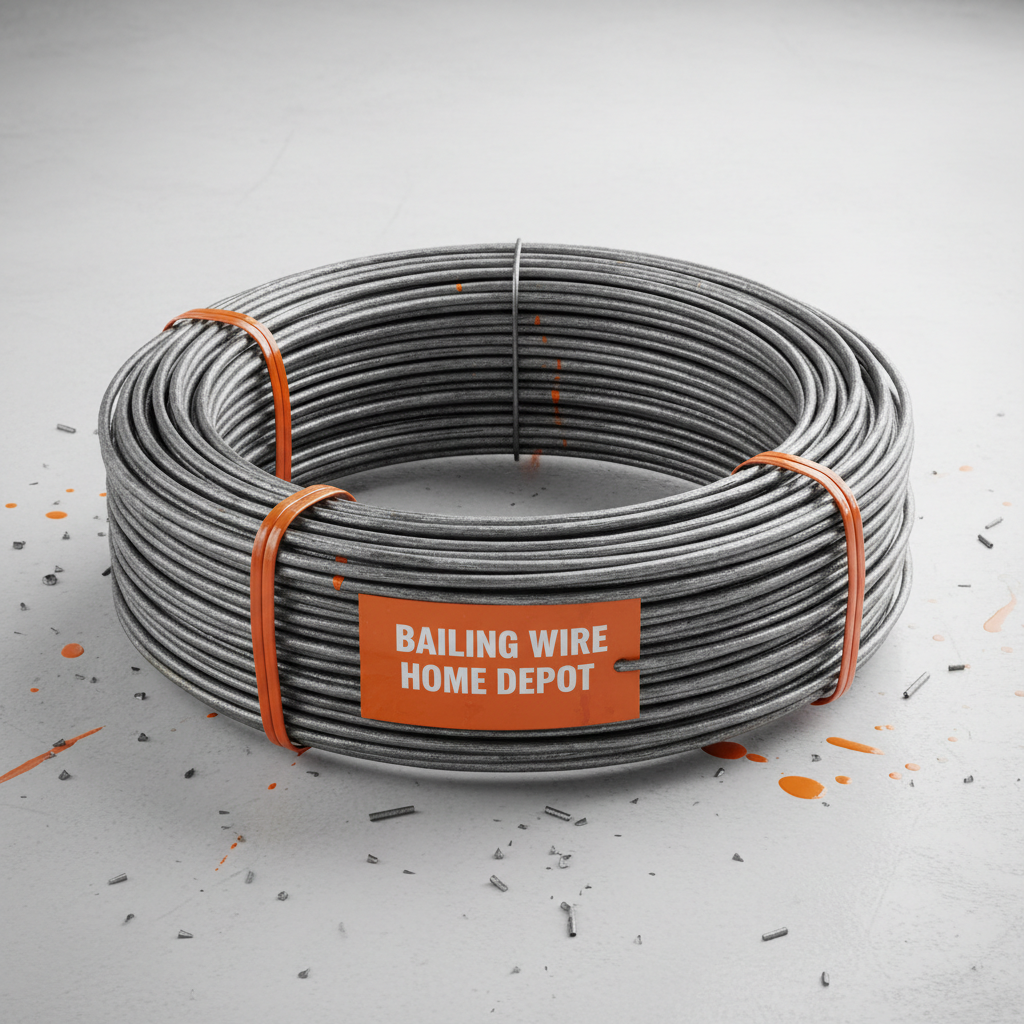
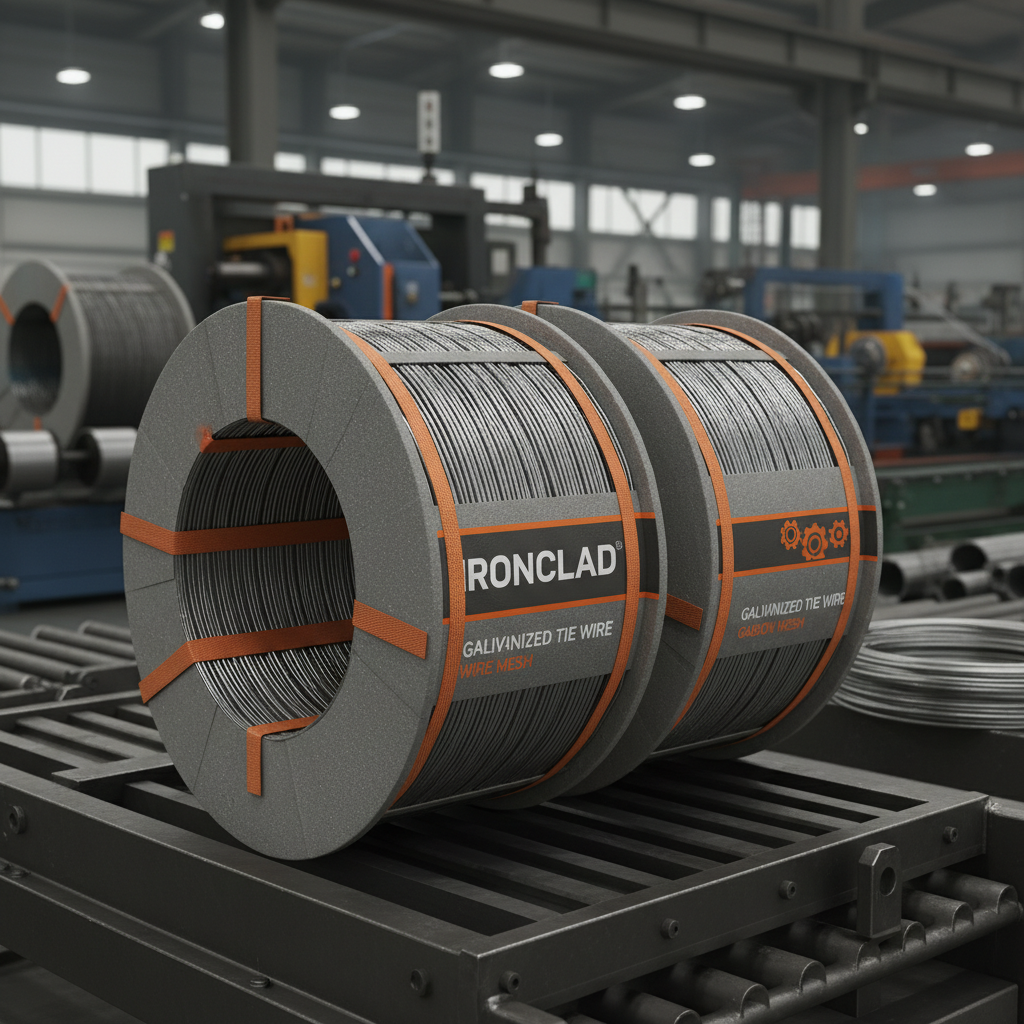
Tie wire for sale is a critical component in numerous industries, from construction and manufacturing to agriculture and disaster relief. Its seemingly simple function – securely binding materials together – underpins complex projects and ensures structural integrity. Understanding the nuances of tie wire, including its varying gauges, materials, and applications, is paramount for professionals seeking efficiency, safety, and cost-effectiveness. This guide provides a comprehensive overview of tie wire for sale, exploring its core attributes, global impact, and future trends.
The global demand for tie wire for sale is steadily increasing, driven by infrastructure development in emerging economies and a growing emphasis on resilient construction practices. According to the UN, global construction spending is projected to reach \$18 trillion by 2030, creating a substantial need for binding materials like tie wire. However, ensuring consistent quality and ethical sourcing of this material presents ongoing challenges. Exploring durable and sustainable options is crucial for meeting this demand responsibly. You can find quality tie wire for sale to meet your project needs.
Tie wire isn’t just a construction material; it’s an enabling technology. It’s instrumental in the rapid deployment of temporary structures, the reinforcement of concrete, and the creation of secure fencing. In humanitarian crises, tie wire is frequently used to build emergency shelters and reinforce damaged infrastructure. Its versatility and affordability make it an invaluable resource, especially in situations where time and resources are limited.
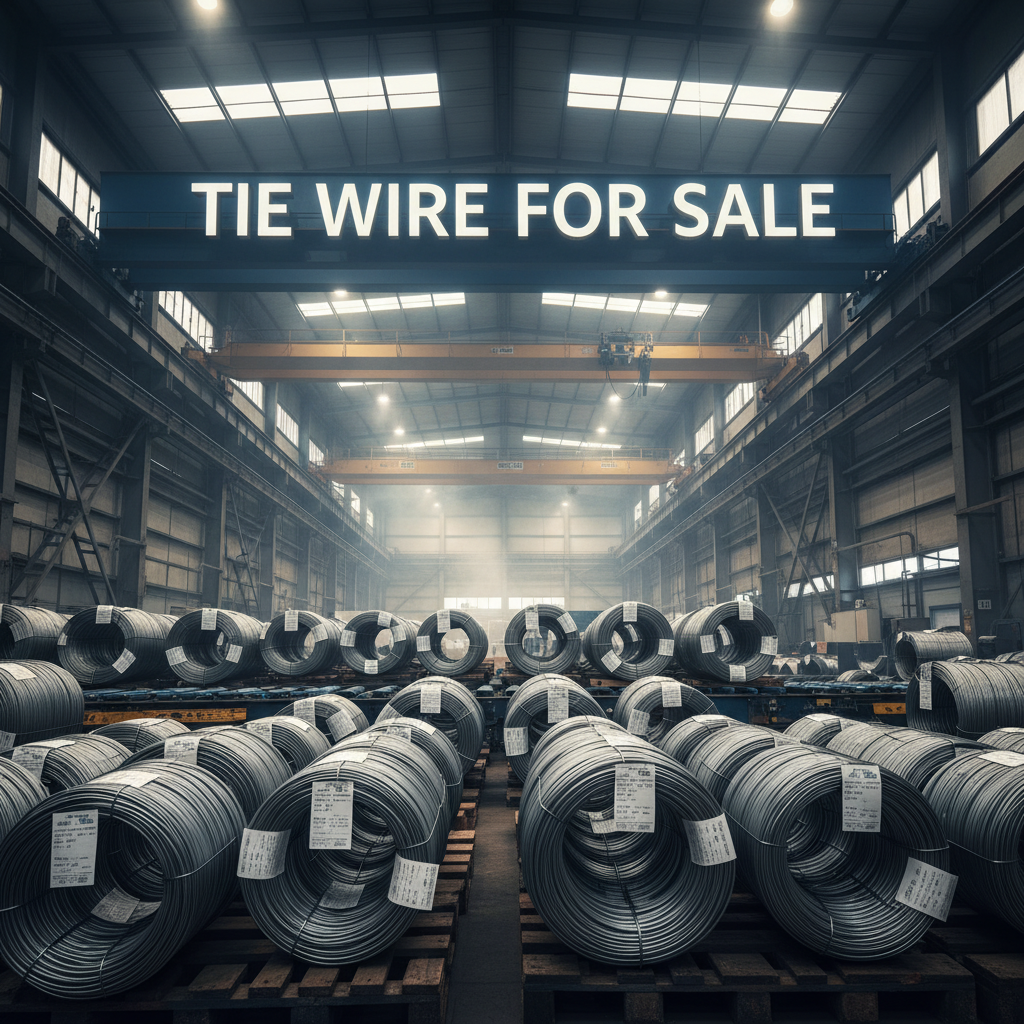
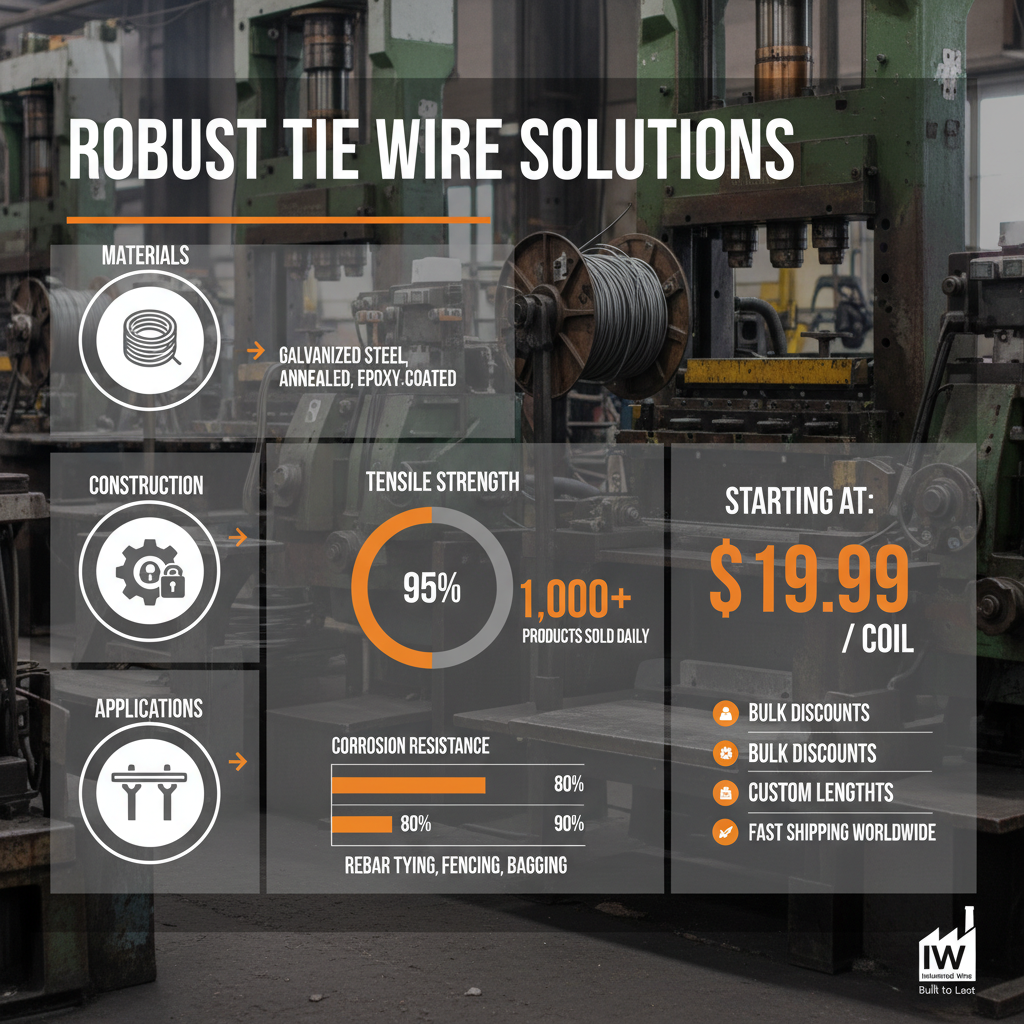
The importance of tie wire for sale extends far beyond simple fastening. Its role in infrastructure projects, particularly in rapidly developing nations, is undeniable. Increased urbanization and demand for housing, coupled with the need for resilient infrastructure in disaster-prone regions, drive the demand for robust binding solutions. Tie wire for sale serves as a fundamental building block in these scenarios.
The availability of reliable and affordable tie wire directly impacts the pace and cost of construction. Global trade statistics show a consistent increase in the import and export of wire products used for binding, indicating a growing reliance on this material across continents. This trend underscores the necessity for a stable supply chain and consistent quality control.
The appropriate gauge depends on the rebar size and project specifications. Generally, 16-gauge tie wire is suitable for #3- #6 rebar, while 14-gauge is recommended for larger sizes. Always consult local building codes and engineering guidelines. Using the correct gauge ensures adequate binding strength and structural integrity, particularly for critical load-bearing elements. Ensure you purchase your supplies from a trusted source like those offering tie wire for sale.
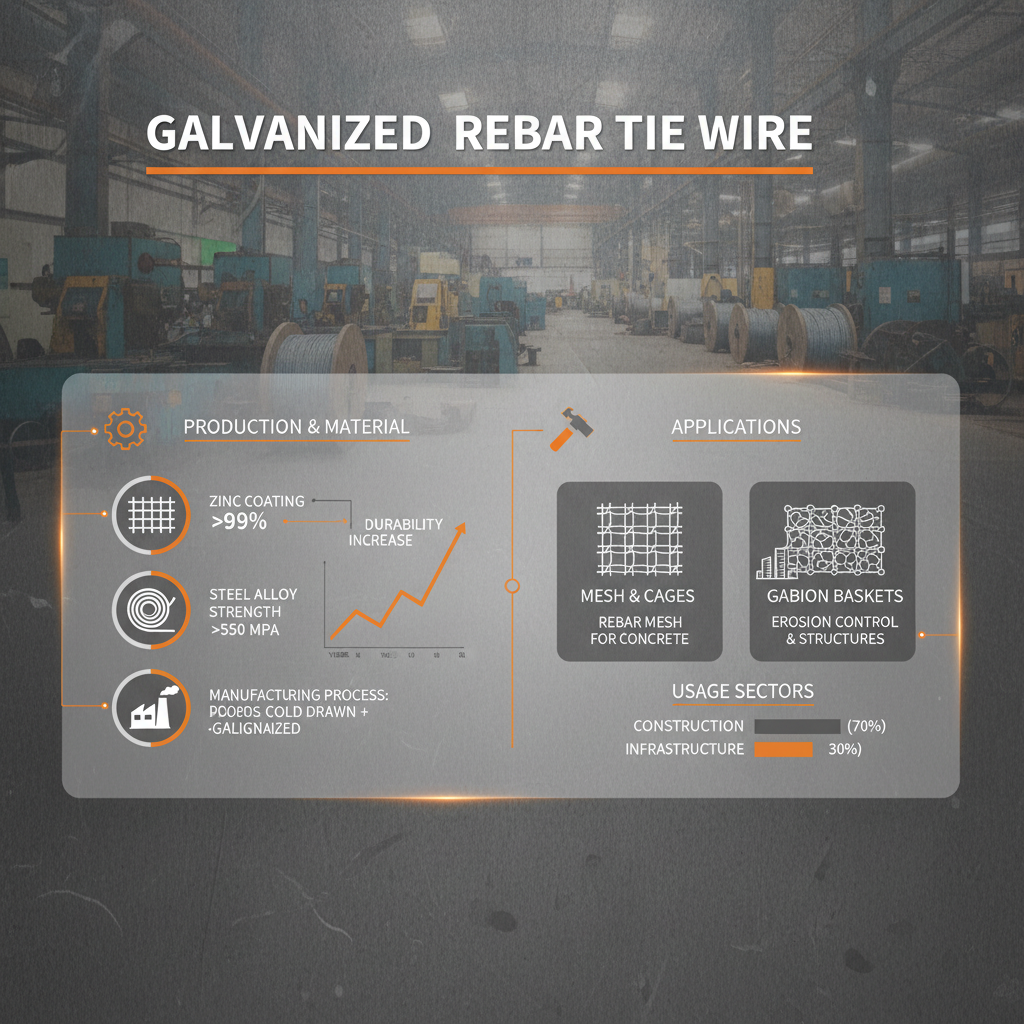
Coastal environments are highly corrosive. To prevent rust, use galvanized or stainless steel tie wire. Galvanization provides a zinc coating that protects the underlying steel. Stainless steel offers superior corrosion resistance but comes at a higher cost. Applying a protective coating after installation can further enhance durability. Regular inspections are vital to identify and address any signs of corrosion promptly.
Steel tie wire is largely recyclable, making it a more sustainable option than many other fastening materials. Choosing recycled steel tie wire further reduces its environmental impact. While the manufacturing process does require energy, steel recycling is well-established, minimizing waste. Additionally, the long lifespan of properly maintained tie wire reduces the need for frequent replacements.
Automated tie wire tools, such as rebar tying machines, automate the process of binding rebar, significantly increasing speed and reducing labor costs. These tools are especially beneficial for large-scale construction projects. While the initial investment is higher than manual tying, the long-term savings in labor and improved efficiency often make them worthwhile. These tools are readily compatible with various sizes of tie wire for sale.
The tensile strength of tie wire varies depending on the material and gauge. Low-carbon steel tie wire typically has a tensile strength of around 400-450 MPa (Megapascals). High-tensile steel tie wire can reach 600 MPa or higher. Always check the manufacturer's specifications for the exact tensile strength of the wire you are using to ensure it meets the project's requirements.
Store tie wire in a dry, well-ventilated area, protected from moisture and direct sunlight. Keep it covered to prevent dust and debris from accumulating. For long-term storage, consider using a desiccant to absorb any residual moisture. Proper storage helps maintain the wire’s integrity and prevents premature corrosion, ensuring its effectiveness when needed.
Tie wire for sale remains an essential material across diverse industries, underpinning construction, agriculture, and disaster relief efforts worldwide. Its affordability, versatility, and recyclability contribute to its enduring relevance. Understanding the nuances of tie wire selection, proper application techniques, and emerging technologies is crucial for maximizing its benefits.
Looking ahead, continued innovation in materials and automation will further enhance the efficiency and sustainability of tie wire applications. By prioritizing quality, responsible sourcing, and best practices, we can ensure that tie wire continues to play a vital role in building a more resilient and sustainable future. Visit our website at www.wiremeshpro.com to explore our range of high-quality tie wire options.