-
 Phone:
 -
 Email:
Types of ties in reinforcement are critical components in modern construction, ensuring the structural integrity and longevity of concrete structures. From simple wire ties to sophisticated rebar fastening systems, the method used to secure reinforcing steel significantly impacts the overall performance and safety of buildings, bridges, and other infrastructure. Understanding the nuances of these different tying techniques is paramount for engineers, contractors, and anyone involved in the construction process.
Globally, the demand for robust and durable infrastructure is ever-increasing, driven by population growth, urbanization, and the need for resilient buildings capable of withstanding natural disasters. The United Nations estimates that over half the world’s population currently lives in urban areas, a figure projected to rise to 68% by 2050. This rapid urbanization necessitates efficient and reliable construction methods, making the proper implementation of types of ties in reinforcement increasingly vital.
The effective use of types of ties in reinforcement directly addresses challenges related to structural safety, construction efficiency, and long-term maintenance costs. Choosing the correct tying method can reduce construction time, minimize material waste, and enhance the resistance of structures to seismic activity, corrosion, and other forms of degradation. Proper reinforcement detailing – a critical aspect relying heavily on effective ties – helps meet ISO standards for quality and safety in construction.
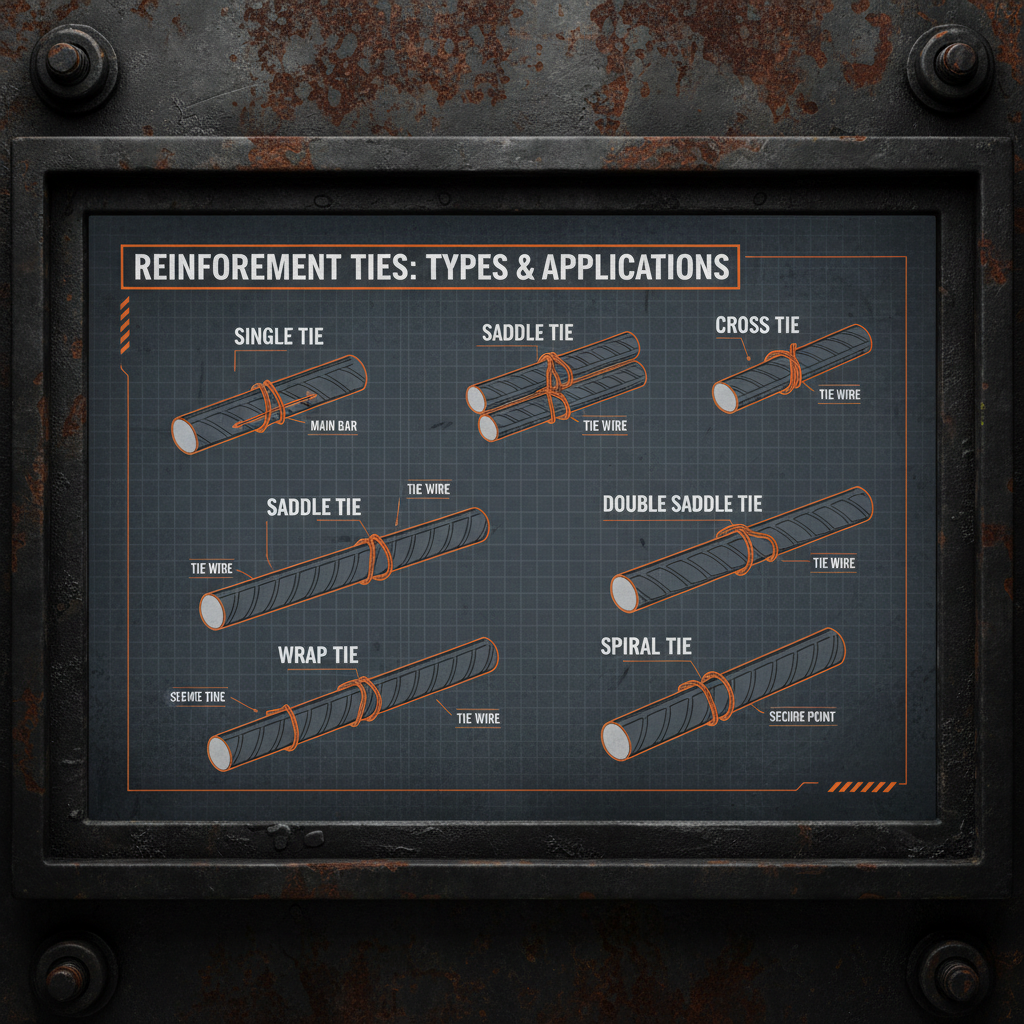
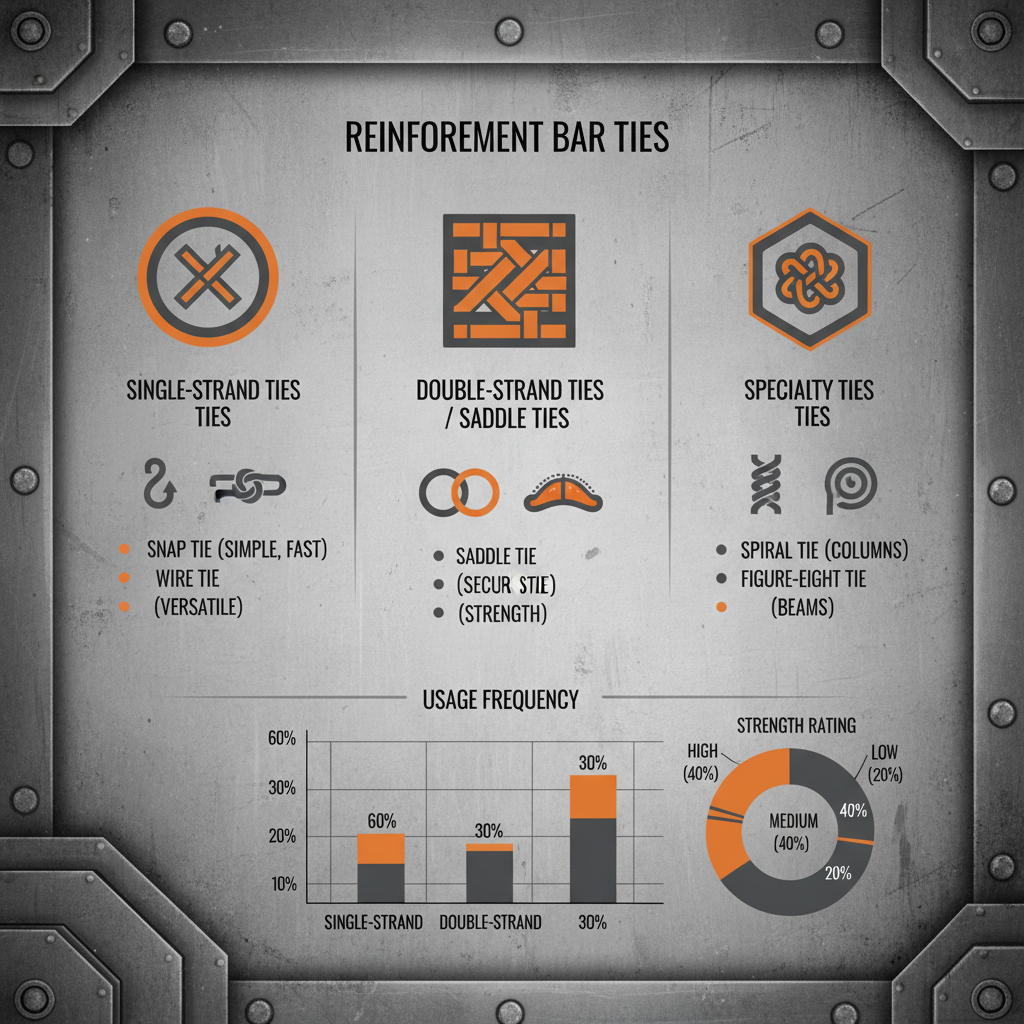
The fundamental role of types of ties in reinforcement is to hold reinforcing bars (rebar) in their correct position within concrete forms during pouring and curing. This prevents displacement, ensures adequate concrete cover, and maintains the designed structural capacity. Without proper tying, rebar can shift, leading to reduced strength, cracking, and ultimately, structural failure.
Different project requirements—such as the size of the rebar, the complexity of the reinforcement cage, and environmental conditions—dictate the most appropriate tying method. Choosing the right ties involves considering factors like tensile strength, corrosion resistance, ease of application, and cost-effectiveness. types of ties in reinforcement offer a wide range of solutions to address these diverse needs.
Manual wire tying relies on skilled labor and can be slower and less consistent. Automatic tying uses machines to significantly increase speed and ensure uniform tie tension. While manual tying has lower upfront costs, automatic tying can lead to long-term savings through reduced labor and improved efficiency. Selecting the best method depends on project scale and budget. Understanding types of ties in reinforcement are important for this consideration.
Plastic zip ties offer convenience and corrosion resistance but generally have lower tensile strength than steel wire ties. They are suitable for temporary applications or in environments where corrosion is a major concern. While wire ties provide stronger, more permanent connections, plastic ties are a viable alternative for certain non-critical applications and offer quicker installation.
In corrosive environments, prioritize materials resistant to degradation. Stainless steel tie wire, plastic zip ties (specifically those made from UV-resistant polymers), and pre-fabricated clips with protective coatings are all good options. It's crucial to assess the specific corrosive agents present (e.g., saltwater, chemicals) and select a tie material accordingly. Choosing the right types of ties in reinforcement for such environments is paramount.
Yes, various building codes and standards, such as ACI 318 (American Concrete Institute) and Eurocode 2, specify requirements for reinforcement detailing, which implicitly cover the proper use of ties. These codes typically don't mandate specific tie types but emphasize the need for adequate tie strength and spacing to ensure structural integrity. Proper adherence to these standards will help guide the choice of types of ties in reinforcement.
While automatic tying equipment has a higher initial cost, it can generate significant long-term savings by reducing labor requirements, increasing tying speed, and minimizing material waste. The return on investment depends on project size and duration, but for large-scale projects, the benefits typically outweigh the costs. It’s essential to consider the cost of labor and potential project delays when evaluating the economic feasibility.
Quality control is critical. Regularly inspect tie placement and tension to ensure they meet specifications. Provide adequate training to personnel responsible for tying. Consider using automated systems to improve consistency and reduce the risk of human error. Documentation of tying procedures and inspections is essential for maintaining a reliable record of the reinforcement process.
In conclusion, types of ties in reinforcement are foundational to the safety, durability, and efficiency of concrete structures worldwide. From traditional manual methods to cutting-edge automated systems, a diverse range of tying solutions exists to meet the evolving demands of the construction industry. Selecting the appropriate tying method requires careful consideration of factors such as cost, scalability, corrosion resistance, and project-specific requirements.
Looking ahead, the integration of digital technologies and the development of sustainable materials will continue to shape the future of reinforcement tying. By embracing innovation and prioritizing quality control, we can ensure the long-term reliability and resilience of our built environment. For expert advice and a comprehensive selection of tying solutions, visit our website: www.wiremeshpro.com