Loop tie wire, a deceptively simple yet critically important component in various industries, plays a vital role in securing, bundling, and supporting a wide range of materials. From construction and agriculture to packaging and DIY projects, its versatility and cost-effectiveness make it an indispensable tool. Understanding its properties, applications, and future developments is crucial for professionals and individuals alike seeking efficient and reliable binding solutions.
Globally, the demand for reliable binding materials is consistently high, driven by expanding infrastructure projects, increasing agricultural output, and the growth of manufacturing sectors. The need for solutions that are not only strong and durable but also adaptable to diverse environments and applications has led to continuous innovation in loop tie wire technology. This is especially important in regions facing rapid urbanization or recovering from natural disasters, where rapid deployment and cost-effective solutions are paramount.
The simple design of loop tie wire belies its significant impact. It's a testament to how fundamental materials, when properly engineered, can address complex challenges across diverse fields. As industries continue to prioritize efficiency and sustainability, the role of loop tie wire and its evolving applications will only become more pronounced.
The Significance of Loop Tie Wire
Loop tie wire isn't just about holding things together; it's about enabling efficiency, reducing waste, and ensuring safety across numerous sectors. Its adaptable nature allows for streamlined processes in everything from securing produce for transport to reinforcing structures in construction. The economic benefits alone, stemming from reduced labor costs and material optimization, are substantial.
Consider the impact in agriculture: using loop tie wire to secure plants to supports increases yield and protects crops from weather damage. Similarly, in packaging, it offers a secure and cost-effective alternative to more complex fastening systems. This widespread utility underscores its importance as a fundamental component of modern supply chains and operational efficiency.
Defining Loop Tie Wire
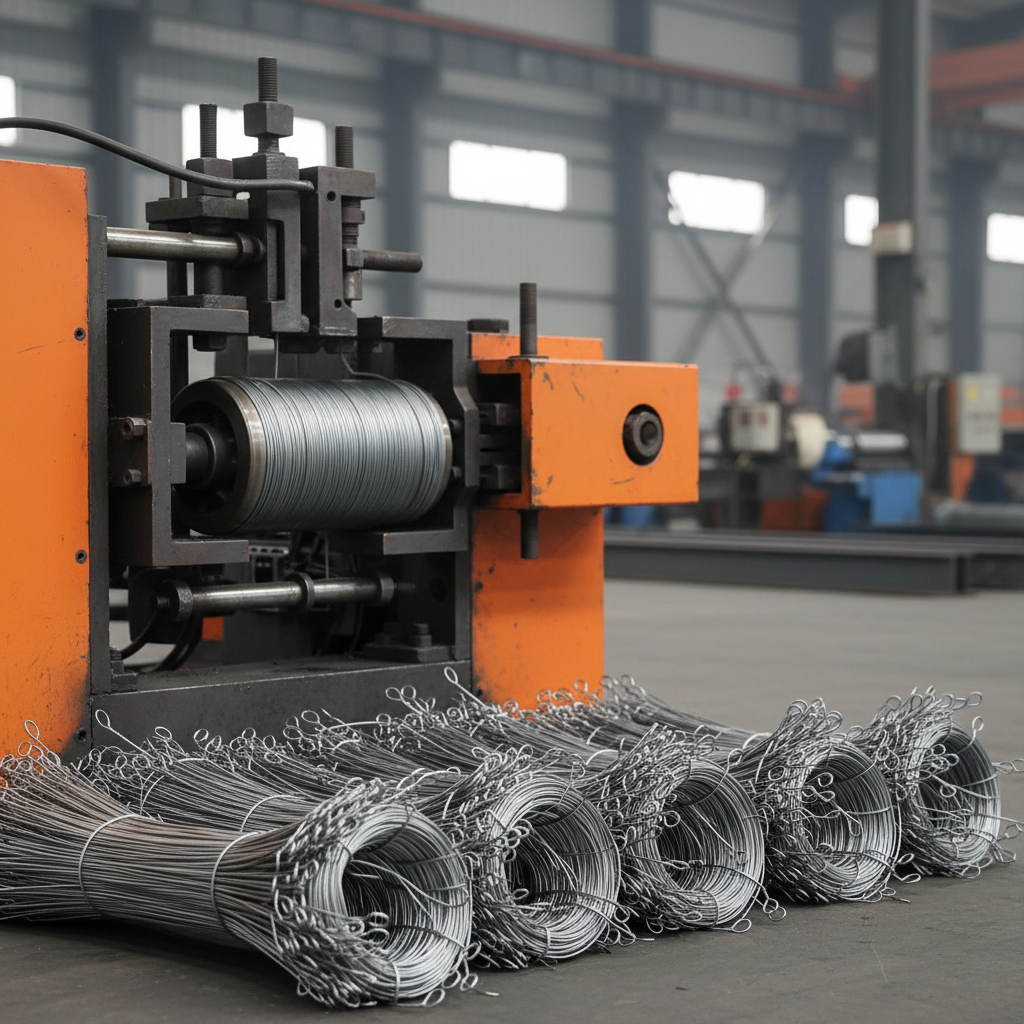
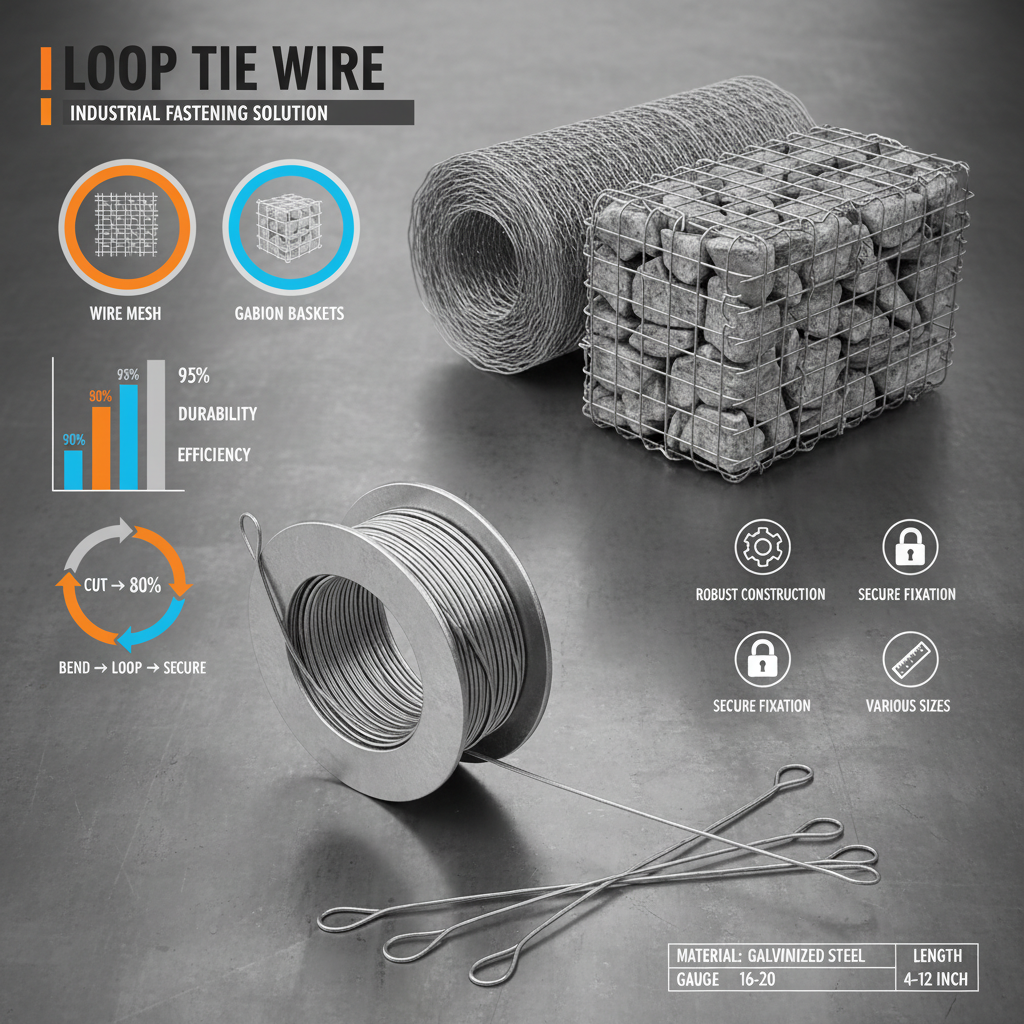
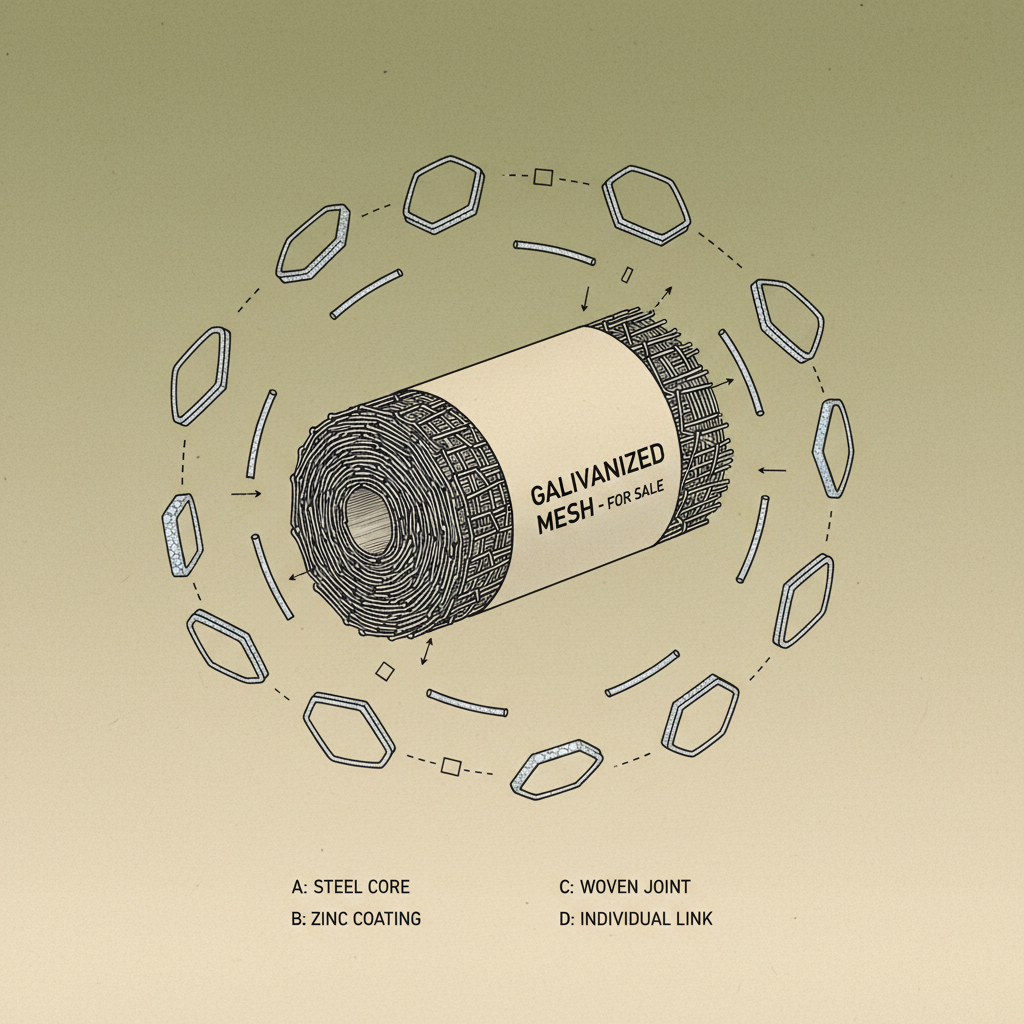
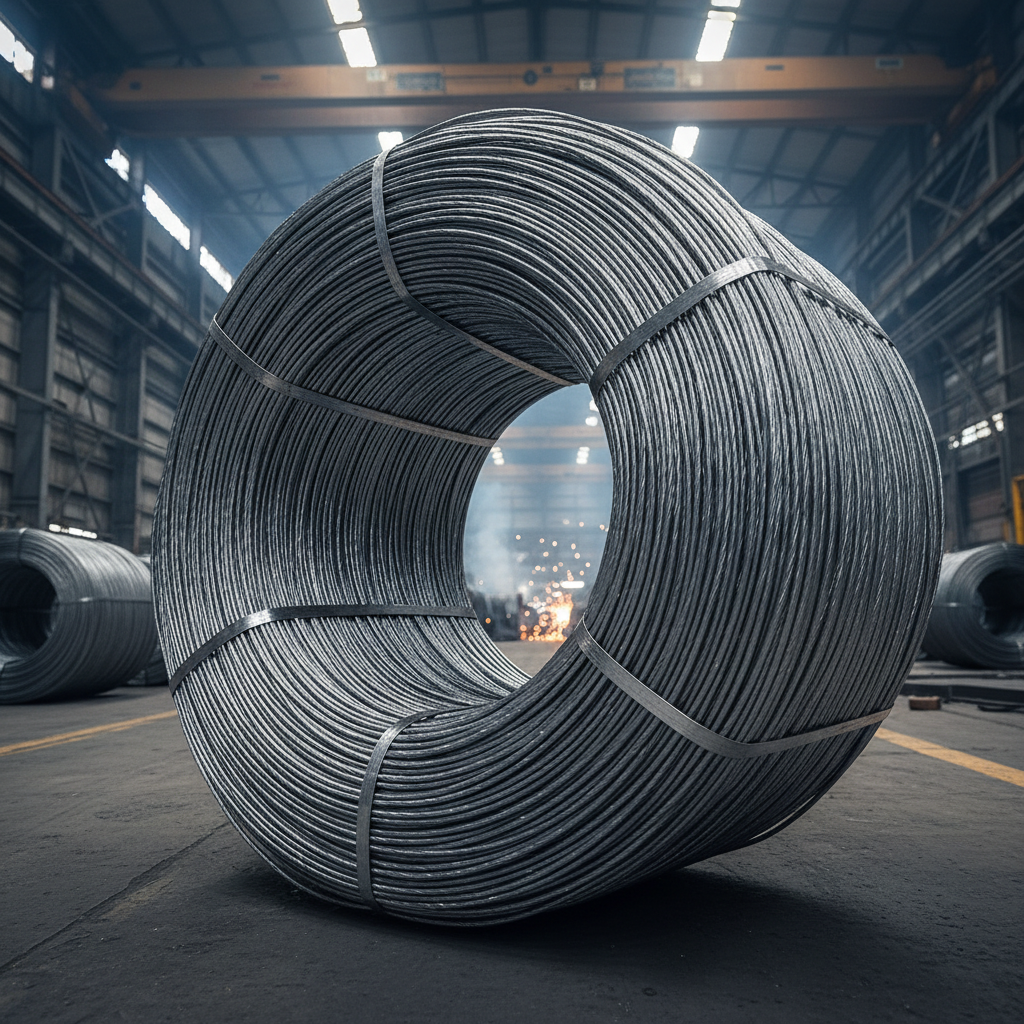
Loop tie wire is a type of flexible wire, typically made from materials like galvanized steel, stainless steel, or coated steel, pre-formed with a loop at one or both ends. This loop allows for easy and quick fastening by simply threading the wire through holes or around objects and twisting the ends together. It’s a simple, yet robust method of securing items.
Its connection to modern industry lies in its ability to provide a fast, reliable, and cost-effective fastening solution where permanent fixtures aren’t required. Unlike adhesives or more complex mechanical fasteners, loop tie wire is easily removed and reused, contributing to reduced waste and increased flexibility. This makes it ideal for temporary structures, quick repairs, and applications where adjustments are frequently needed.
Importantly, loop tie wire directly addresses critical needs in humanitarian aid, providing a fast and scalable way to construct temporary shelters, secure supplies, and support logistical operations in disaster-stricken areas. Its simplicity and availability make it a vital resource where conventional building materials may be scarce or inaccessible.
Core Characteristics of Loop Tie Wire
The effectiveness of loop tie wire stems from a combination of core characteristics. First and foremost is its tensile strength – the ability to withstand pulling forces without breaking. The gauge (thickness) of the wire directly influences this strength, allowing for selection based on the application’s load requirements. This is crucial for ensuring secure binding in demanding environments.
Secondly, corrosion resistance is a vital feature, particularly in outdoor or humid conditions. Galvanized or stainless steel coatings protect the wire from rust and degradation, extending its lifespan and ensuring long-term reliability. The choice of coating depends on the specific environmental factors and the desired level of protection.
Another critical aspect is pliability. The wire must be flexible enough to easily manipulate and form around objects, but strong enough to maintain its shape and hold securely. This balance is achieved through the specific alloy composition and manufacturing processes. Finally, cost-effectiveness makes loop tie wire a highly attractive option compared to more expensive fastening methods.
Practical Applications and Use Cases
Loop tie wire finds application in a vast range of industries and scenarios. In agriculture, it is used extensively for training vines, supporting fruit trees, and securing crops to trellises. In construction, it’s used for temporary bracing, securing rebar, and bundling materials for transport.
The packaging industry utilizes loop tie wire for securing boxes, bundling products, and reinforcing pallets. In DIY and home improvement, it’s a versatile tool for securing wires, hanging decorations, and making quick repairs. Even in art and crafts, loop tie wire serves as a foundation for sculptures and installations.
Loop Tie Wire Performance Across Different Applications
Advantages and Long-Term Value
The advantages of using loop tie wire extend beyond mere cost savings. Its speed and ease of use translate directly into reduced labor costs and increased productivity. The ability to quickly secure items without the need for specialized tools makes it ideal for fast-paced environments.
Furthermore, the reusability of loop tie wire contributes to sustainable practices by minimizing waste. Unlike disposable fasteners, it can be repeatedly used for different applications, reducing the environmental impact. This aligns with growing global demands for eco-friendly solutions.
Future Trends in Loop Tie Wire Technology
Innovations in materials science are paving the way for even more advanced loop tie wire options. Research into bio-degradable coatings and alternative wire compositions promise to further reduce the environmental footprint of this essential fastening solution.
The integration of digital technologies, such as smart sensors embedded within the wire, could enable real-time monitoring of tension and structural integrity, particularly in critical applications like construction and infrastructure. Automation in manufacturing processes will also continue to drive down costs and increase production efficiency.
Challenges and Potential Solutions
A key challenge with loop tie wire is ensuring consistent quality control to maintain tensile strength and corrosion resistance. Variations in manufacturing processes can lead to inconsistencies that compromise performance. Implementing rigorous testing protocols and adopting standardized quality certifications are crucial solutions.
Another challenge is the potential for wire breakage under extreme stress or in corrosive environments. Developing more robust coatings and exploring alternative wire alloys with enhanced durability can mitigate this risk. Addressing concerns regarding worker safety during application – such as potential hand injuries – through improved ergonomic designs and protective equipment is also paramount.
Finally, exploring the scalability of sustainable materials for loop tie wire production is essential. While bio-degradable options are emerging, ensuring their cost-effectiveness and performance comparability with traditional materials remains a priority.
Overview of Loop Tie Wire Quality Control and Performance Enhancement
| Quality Control Parameter |
Current Standard |
Performance Impact |
Improvement Strategies |
| Tensile Strength (MPa) |
350-450 |
Directly affects load-bearing capacity. |
Enhanced alloy composition, tighter manufacturing tolerances. |
| Galvanization Thickness (µm) |
15-25 |
Determines corrosion resistance. |
Increased coating thickness, alternative coating materials. |
| Wire Diameter Consistency (%) |
±2% |
Impacts uniform tension distribution. |
Advanced process control systems during manufacturing. |
| Loop Formation Accuracy (mm) |
±1 |
Affects ease of use and secure fastening. |
Automated loop forming machinery, precision tooling. |
| Flexibility (Bend Radius) |
>5D |
Influences adaptability to different shapes. |
Optimized wire drawing processes, alloy selection. |
| Yield Strength (MPa) |
250-350 |
Indicates resistance to permanent deformation. |
Material upgrades with higher yield strength alloys. |
FAQS
The safe working load of loop tie wire depends heavily on the gauge (thickness) and material. A typical 16-gauge galvanized steel loop tie wire can safely hold around 50-75 pounds. However, it's crucial to consult manufacturer specifications and factor in a safety margin, especially for dynamic loads or critical applications. Overloading can lead to failure and potential hazards. It is always best practice to overestimate the required load capacity when choosing a wire gauge.
Corrosion is a primary concern for outdoor applications. Using galvanized or stainless steel loop tie wire significantly improves corrosion resistance. Regularly inspecting the wire for signs of rust or degradation is vital. Applying a protective coating, like a corrosion inhibitor spray, can extend its lifespan. Avoid using loop tie wire in direct contact with dissimilar metals, as this can accelerate corrosion. Finally, ensure proper drainage to minimize exposure to standing water.
Generally, loop tie wire is not recommended for directly securing electrical wiring. While the wire itself may not be a conductor, the twisting and bending process can damage insulation, creating a potential short circuit or fire hazard. Use approved electrical fasteners, such as cable ties specifically designed for electrical applications, or conduit clamps. Safety regulations strictly prohibit the use of unqualified materials for electrical installations.
Both galvanized and stainless steel offer corrosion resistance, but they differ in their level of protection and cost. Galvanized steel is coated with a layer of zinc, providing a good level of protection against rust at a lower price point. Stainless steel contains chromium, which forms a passive layer that resists corrosion even when scratched or damaged. Stainless steel is more expensive but offers superior long-term durability, particularly in harsh environments like saltwater exposure.
Cutting loop tie wire can be challenging due to its hardness. Use wire cutters designed specifically for this purpose; avoid using standard pliers as they can be damaged. Wear safety glasses to protect your eyes from flying wire fragments. When cutting, ensure a clean, firm cut to prevent fraying. For thicker gauges, consider using a bolt cutter or a specialized wire cutting tool.
Yes, loop tie wire made of steel is typically recyclable. However, it’s important to separate it from other materials during the recycling process. Check with your local recycling facilities to confirm their specific requirements for steel wire recycling. Recycling loop tie wire conserves resources and reduces landfill waste, contributing to a more sustainable circular economy.
Conclusion
Loop tie wire, despite its apparent simplicity, remains an indispensable fastening solution across a vast spectrum of industries and applications. Its inherent advantages – cost-effectiveness, ease of use, reusability, and adaptability – ensure its continued relevance in a rapidly evolving world. Understanding its properties, limitations, and emerging trends is crucial for maximizing its benefits and addressing the challenges associated with its application.
Looking ahead, advancements in materials science and manufacturing techniques will undoubtedly further enhance the performance and sustainability of loop tie wire. Embracing these innovations and prioritizing quality control will be key to unlocking its full potential. For reliable loop tie wire solutions and expert guidance, visit our website: www.wiremeshpro.com.

 Phone:
 Email: