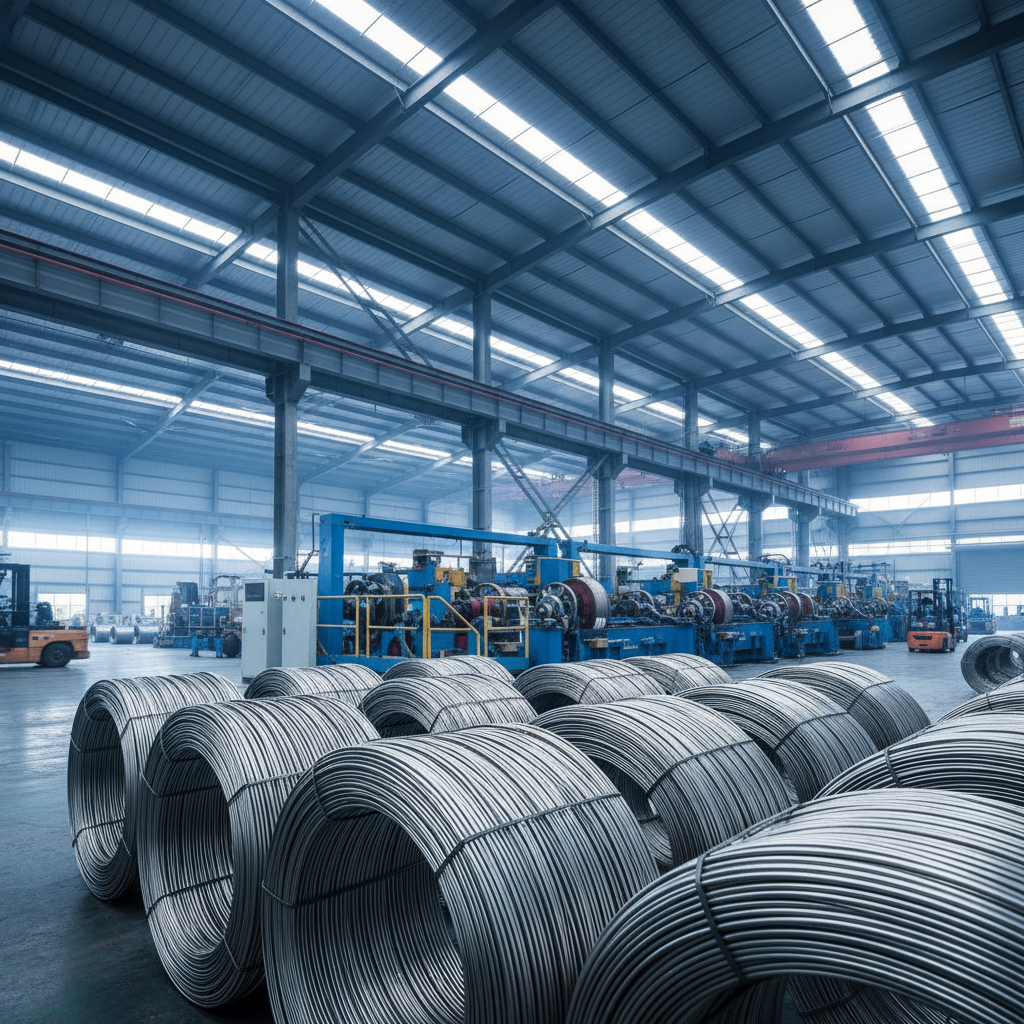
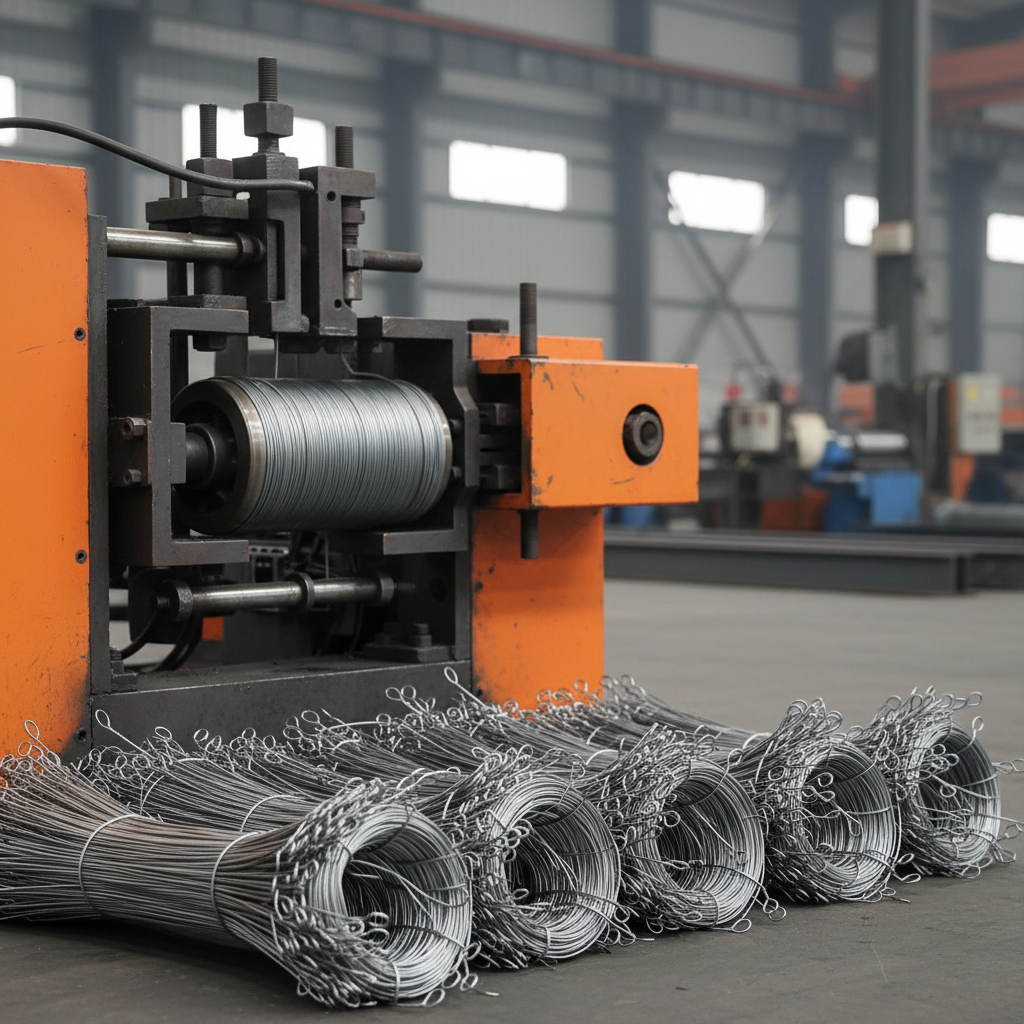
Baling wire, often overlooked, plays a crucial role in a vast array of industries and applications globally. From agricultural operations compressing hay and cotton to recycling centers bundling scrap metal, and even in emergency situations for temporary repairs, its utility is widespread. Understanding what is baling wire used for isn’t just about the material itself, but also about the efficiencies it creates, the cost savings it delivers, and its impact on supply chains across the world. This fundamental tool enables efficient resource management and contributes significantly to industrial productivity.
The global demand for baling wire is directly tied to the health of key industries like agriculture, recycling, and waste management. With increasing emphasis on sustainable practices and resource recovery, the need for effective and economical bundling solutions continues to grow. Statistics from the UN and organizations like the ISO highlight the rising volumes of recyclable materials, demanding more robust and reliable baling solutions. Addressing the challenges of efficient material handling and cost-effective waste reduction is where understanding what is baling wire used for becomes paramount.
Moreover, in disaster relief scenarios, the adaptability of baling wire for makeshift repairs and securing structures offers a vital lifeline. This underscores the broader impact – not just economic, but humanitarian – of a seemingly simple product.
The Importance of Understanding Baling Wire Applications
Understanding what is baling wire used for goes beyond simply knowing its name. It’s about recognizing its impact on diverse sectors, from streamlining agricultural processes to maximizing recycling efficiency. Businesses and organizations that leverage the appropriate baling wire solutions often see significant improvements in operational costs, material handling, and overall sustainability. what is baling wire used for is a cornerstone of many efficient supply chains.
Optimizing the use of baling wire requires understanding its various types, tensile strengths, and coating options to match specific application requirements. Proper selection ensures secure bundling, minimizes material waste, and contributes to safer working environments.
Defining Baling Wire and Its Industrial Relevance
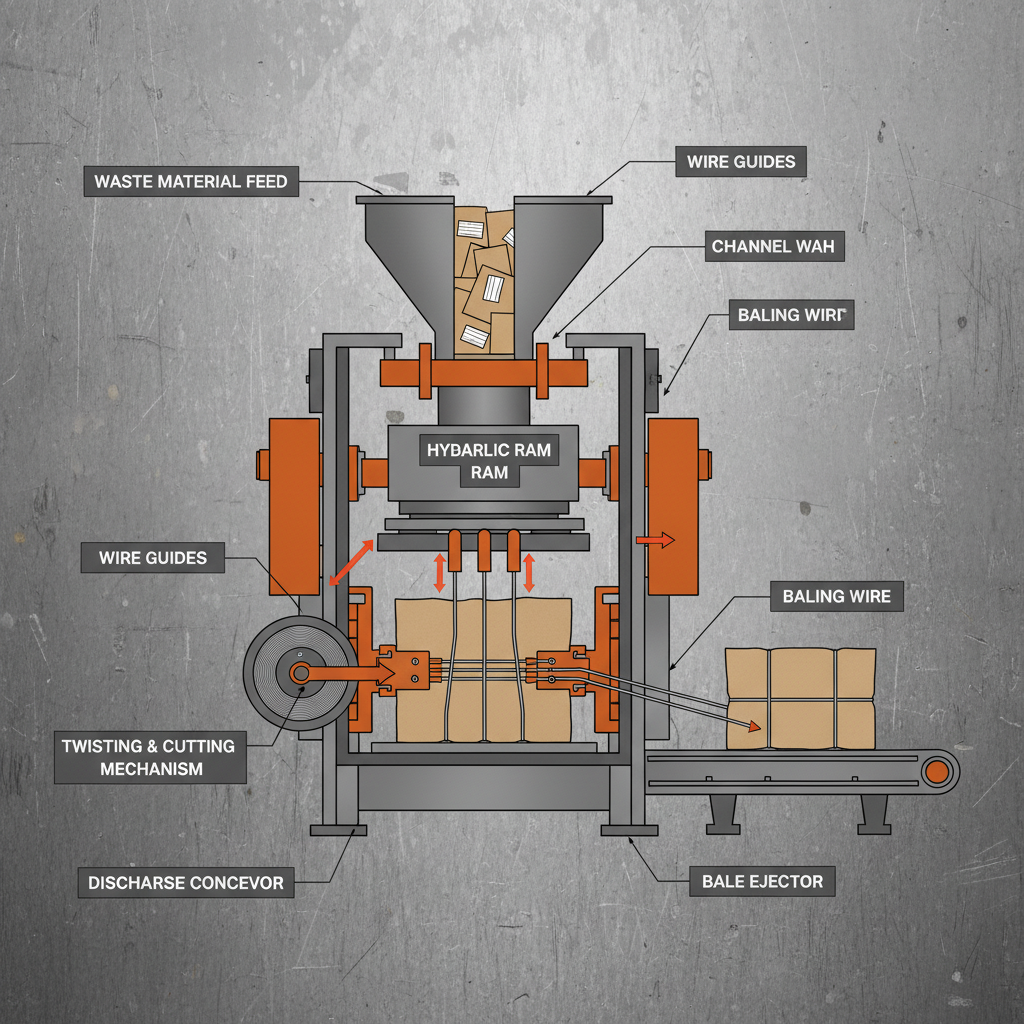
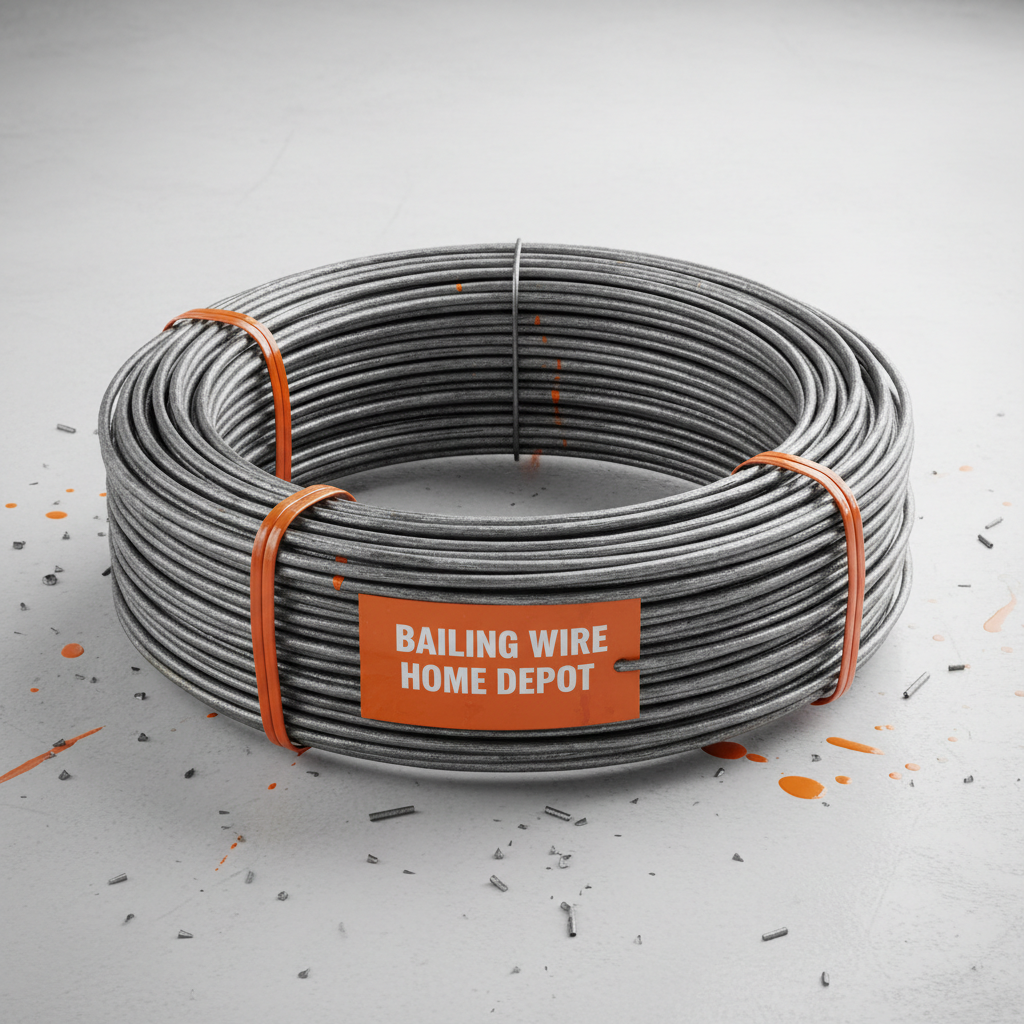
Baling wire is a specialized type of wire, typically made from steel, used to bind materials together into compact bales. These bales are then easier to transport, store, and process. While seemingly simple, the wire's strength, ductility, and corrosion resistance are critical factors in its effectiveness. Its roots are deeply embedded in agricultural practices, evolving alongside the need for efficient handling of harvested crops.
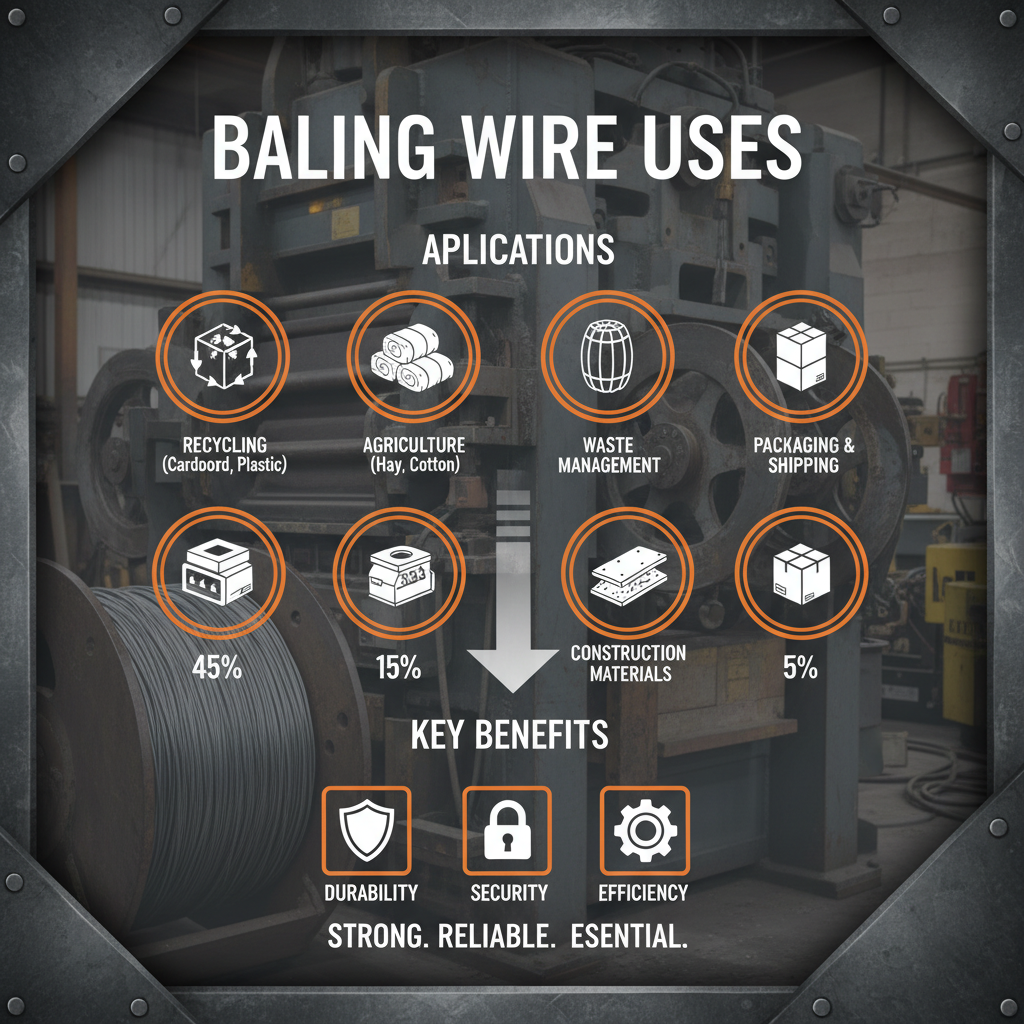
Today, its relevance extends far beyond agriculture. Recycling plants rely heavily on baling wire to compress materials like plastic, paper, and aluminum for shipment to processing facilities. The waste management industry utilizes it for secure containment of refuse, contributing to improved sanitation and environmental protection.
The modern iteration of baling wire reflects a connection to the pressing needs of modern industry and humanitarian efforts. Its ability to rapidly secure and bundle materials is invaluable in logistics, disaster relief, and various manufacturing processes.
Key Characteristics of Effective Baling Wire
Durability is paramount. Effective baling wire must withstand the stresses of compression, handling, and transportation without breaking or losing its shape. The tensile strength of the wire directly correlates to the security of the bale and the protection of the materials within.
Corrosion resistance is another crucial characteristic. Exposure to moisture, chemicals, and varying environmental conditions can quickly degrade wire that lacks adequate protection. Galvanized or coated baling wires offer enhanced resistance, extending their lifespan and reducing maintenance costs.
Ductility, or the wire’s ability to bend without breaking, is essential for efficient baling processes. Highly ductile wire allows for tight, secure wraps, minimizing material shift and optimizing bale density. Consistent quality control during manufacturing ensures optimal ductility and minimizes the risk of wire failure.
Quantifying Baling Wire Performance
Measuring the effectiveness of baling wire requires considering several quantifiable factors. Tensile strength, measured in pounds per square inch (PSI), directly indicates the wire’s ability to withstand stress. Elongation, expressed as a percentage, reflects its ductility and resistance to breakage.
Coating thickness, measured in microns, determines the level of corrosion protection. Consistent coating application is crucial for maintaining long-term performance. Analyzing these metrics ensures the selection of a wire that precisely meets the demands of the application.
Baling Wire Performance Metrics
Global Applications of Baling Wire Across Sectors
In agricultural regions worldwide, baling wire is indispensable for compressing hay, straw, and cotton for storage and transport. This efficiency is crucial for feeding livestock and maintaining supply chains during seasonal variations. In post-disaster relief operations, baling wire is often repurposed for temporary structural repairs and securing emergency shelters.
Recycling facilities across North America, Europe, and Asia utilize baling wire to compress recyclable materials like aluminum cans, plastic bottles, and cardboard. This process reduces volume, lowers transportation costs, and increases the efficiency of recycling programs. In remote industrial zones, particularly in developing countries, baling wire serves as a versatile tool for securing materials and creating makeshift structures where dedicated infrastructure is limited.
The Advantages and Long-Term Value Proposition
The cost-effectiveness of baling wire is a significant advantage, particularly for businesses operating on tight margins. Compared to more sophisticated bundling solutions, baling wire offers a low-cost alternative without compromising on functionality. Its durability contributes to long-term value, reducing the frequency of replacements and minimizing downtime.
From a sustainability perspective, the recyclability of steel baling wire aligns with circular economy principles. Utilizing recycled content in its production further reduces its environmental footprint. Beyond the tangible benefits, the reliability of a secure bale contributes to workplace safety, minimizing the risk of material shifting or collapsing during handling and transport.
Investing in high-quality baling wire fosters trust within the supply chain, demonstrating a commitment to efficient and responsible material handling.
Future Trends and Innovation in Baling Wire Technology
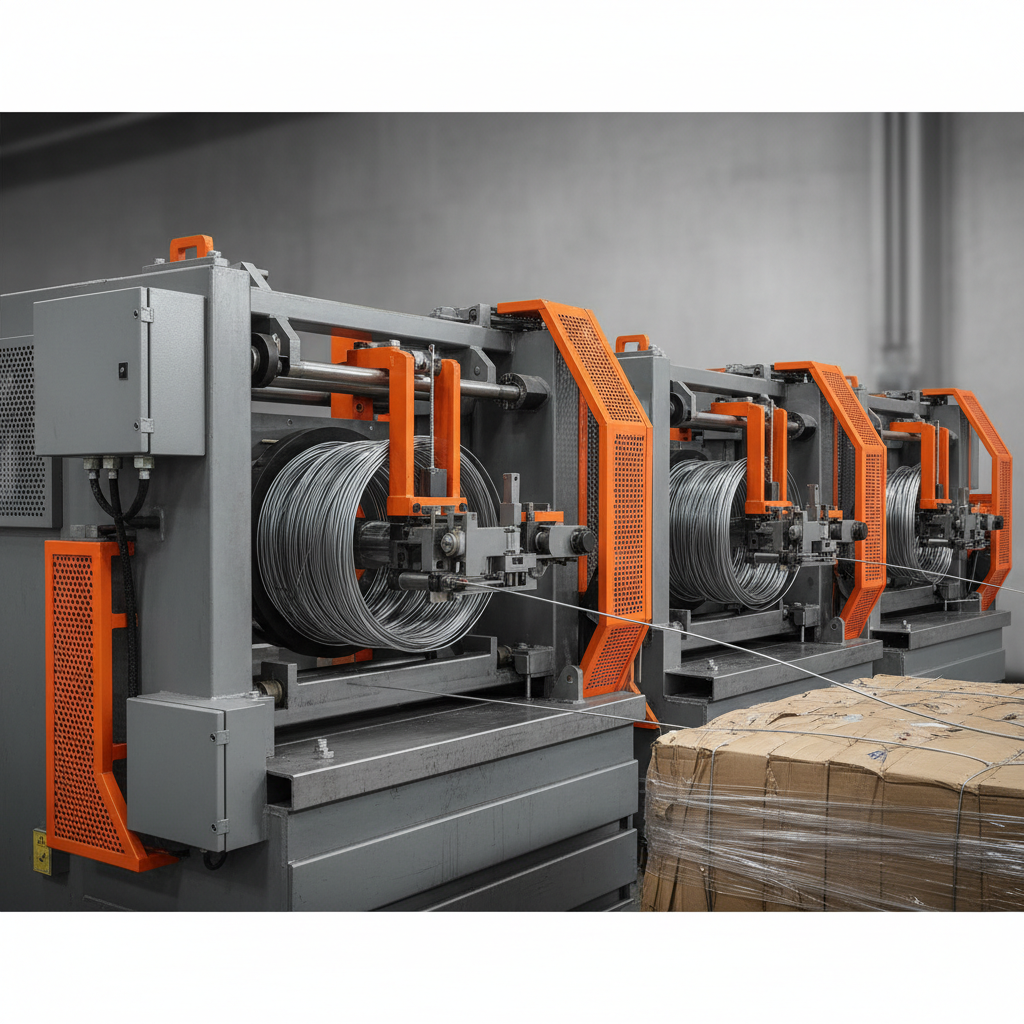
Ongoing research focuses on developing baling wires with enhanced corrosion resistance and increased tensile strength. Bio-based coatings are being explored as sustainable alternatives to traditional galvanization, minimizing environmental impact. Automation in baling processes is driving demand for wires that can withstand high-speed applications without breaking.
The integration of smart sensors into baling wire could enable real-time monitoring of bale pressure and wire tension, optimizing compression and preventing failures. Furthermore, advancements in materials science may lead to the development of lighter-weight, yet equally strong, baling wire alternatives.
These innovations are poised to further enhance the efficiency, sustainability, and reliability of baling operations across diverse industries.
Core Analysis of Baling Wire Challenges and Potential Solutions
| Challenge |
Impact on what is baling wire used for |
Potential Solution |
Implementation Cost (1-10) |
| Corrosion in Harsh Environments |
Reduced bale integrity, increased maintenance |
Advanced coating technologies (e.g., zinc-aluminum alloys) |
6 |
| Wire Breakage during Compression |
Bale failure, material loss, safety hazards |
Higher tensile strength wire, improved quality control |
7 |
| Manual Handling Ergonomics |
Risk of worker injury, reduced efficiency |
Automated baling systems, ergonomic wire applicators |
9 |
| Environmental Impact of Production |
Carbon footprint, resource depletion |
Use of recycled steel, sustainable coating materials |
5 |
| Wire Waste Generation |
Landfill burden, material loss |
Wire recovery and recycling programs, optimized bale design |
4 |
| Inconsistent Wire Quality |
Variable bale performance, increased risk of failure |
Rigorous supplier selection, quality assurance testing |
3 |
FAQS
The tensile strength of baling wire typically ranges from 80,000 to 120,000 PSI, depending on the gauge and material. Higher tensile strength is crucial for securing heavy or dense bales. Choosing the correct strength ensures the wire can withstand the stresses of compression, handling, and transport, preventing breakage and ensuring bale integrity. Different applications require different strengths, so assessing the material being baled is key.
Yes, galvanized baling wire is well-suited for outdoor use due to its zinc coating, which provides excellent corrosion resistance. This coating protects the steel wire from rust and degradation caused by moisture and environmental exposure. However, in highly corrosive environments (such as saltwater proximity), additional protective measures or alternative coating types might be necessary to ensure long-term durability.
For cardboard recycling, a gauge of 11 or 12 is generally recommended. These gauges provide sufficient strength to compress and secure cardboard bales without excessive cost. Lighter gauges might not offer adequate holding power, while heavier gauges could be unnecessarily expensive. Consider the baler equipment specifications and the density of the cardboard when choosing the optimal gauge.
Used baling wire is almost always recyclable as scrap steel. Contact a local scrap metal recycling facility to arrange for proper disposal. Recycling baling wire reduces landfill waste and conserves valuable resources. Ensure the wire is free from any hazardous contaminants before recycling. Many facilities will offer compensation for the scrap metal.
Always wear gloves and eye protection when handling baling wire, as the ends can be sharp. Avoid bending or twisting the wire with your bare hands. Use appropriate tools like wire cutters and pliers. Be mindful of the wire's tension and avoid sudden releases, as this can cause injury. Ensure the work area is well-lit and free from obstructions.
High-tensile baling wire is made from hardened steel, offering significantly greater strength and durability compared to low-tensile wire. High-tensile wire is ideal for heavy-duty applications and provides a more secure bale. Low-tensile wire is generally less expensive but may be more prone to breakage under high stress. The choice depends on the weight and density of the materials being baled and the desired level of security.
Conclusion
In conclusion, understanding what is baling wire used for extends beyond its basic function of binding materials. It’s a critical component of efficient resource management, cost-effective operations, and sustainable practices across diverse industries. From agriculture and recycling to disaster relief and manufacturing, its versatility and reliability make it an indispensable tool. The key lies in selecting the right type of wire for the application, considering factors like tensile strength, corrosion resistance, and ductility.
Looking ahead, ongoing innovation in materials science and automation will continue to enhance the performance and sustainability of baling wire technology. Embracing these advancements and prioritizing responsible sourcing and recycling will maximize the long-term benefits of this essential resource. For all your baling wire needs and to learn more about our comprehensive product range, visit our website: www.wiremeshpro.com.

 Phone:
 Email: