0%

Table of Contents

PVC cable wire, a critical component in modern electrical infrastructure, plays an indispensable role in ensuring the safe and efficient transmission of power across diverse applications. From residential wiring to large-scale industrial setups, the demand for reliable and durable cable wire continues to grow globally. This growth is driven by expanding urbanization, increasing industrialization, and the ongoing need for upgraded electrical grids. Understanding the nuances of pvc cable wire is vital for professionals in construction, electrical engineering, and manufacturing, as well as for informed consumers seeking quality and safety.

The global market for cable wire is substantial, projected to reach significant figures in the coming years, according to reports from organizations like the UN and the World Bank. This demand necessitates a constant focus on innovation, sustainability, and adherence to international standards like those set by the ISO. However, challenges such as material costs, environmental concerns related to PVC production, and the need for improved fire resistance persist. Addressing these challenges is crucial for the continued growth and responsible development of the industry.

The versatility of pvc cable wire lies in its adaptability to a wide range of environments and applications. Its relative affordability compared to alternative materials, coupled with its inherent insulating properties, makes it a preferred choice for numerous projects, contributing significantly to the global economy and supporting essential infrastructure worldwide.
Exploring the Versatility and Future of PVC Cable Wire Technology

The Significance of PVC Cable Wire

Exploring the Versatility and Future of PVC Cable Wire Technology

PVC cable wire is essential to modern life, functioning as the nervous system of our powered world. Its widespread adoption isn’t simply due to cost; it's a testament to its reliability in demanding environments, from underground installations to exposed wiring systems. The importance of selecting high-quality pvc cable wire cannot be overstated, as it directly impacts the safety and efficiency of electrical systems.

Globally, the reliable supply of electrical power underpins economic growth, societal well-being, and industrial productivity. PVC cable wire is a foundational element in achieving this, enabling the distribution of electricity to homes, businesses, and critical infrastructure. As populations grow and energy demands increase, the need for robust and dependable cabling solutions like PVC cable wire will only become more acute.

Understanding PVC Cable Wire: A Definition

At its core, PVC cable wire comprises one or more conductors, typically copper or aluminum, insulated with a layer of polyvinyl chloride (PVC). This PVC insulation serves as a protective barrier, preventing electrical shorts, safeguarding against environmental factors, and ensuring safe handling. The wire’s construction can vary depending on its intended use, including single-core, multi-core, shielded, and unshielded configurations.

The connection of pvc cable wire to modern industry is profound. It’s a facilitator of automation, allowing machines to operate and systems to communicate. In humanitarian contexts, it provides access to electricity in areas without established grids, powering essential services like healthcare facilities and schools.

The versatility of PVC as an insulating material – combined with its cost-effectiveness – has made it a staple in electrical wiring for decades. While alternative materials are emerging, PVC remains a dominant choice due to its balance of properties and established manufacturing processes.

Key Characteristics of PVC Cable Wire

Durability is a key attribute of pvc cable wire. The PVC insulation provides robust protection against abrasion, moisture, chemicals, and physical damage, ensuring a long service life even in challenging environments. This durability reduces the need for frequent replacements, lowering maintenance costs and minimizing disruptions.

Electrical insulation is paramount, and PVC excels in this regard. Its high dielectric strength effectively prevents current leakage, ensuring the safety of personnel and equipment. The consistent insulating properties of PVC contribute to stable and reliable electrical performance.

Cost-effectiveness is a significant advantage. Compared to alternative insulation materials like rubber or cross-linked polyethylene (XLPE), PVC is generally more affordable. This makes it an accessible solution for a wide range of projects, from residential installations to large-scale infrastructure projects.

Applications Across Industries

The construction industry relies heavily on pvc cable wire for residential, commercial, and industrial wiring. Its ease of installation and compatibility with various conduit systems make it a preferred choice for contractors. From powering lighting and appliances to supporting complex electrical systems, PVC cable wire forms the backbone of modern buildings.

In the automotive industry, PVC cable wire is used extensively in vehicle wiring harnesses, powering everything from headlights and windshield wipers to infotainment systems and safety features. The wire’s flexibility and resistance to temperature extremes are crucial in this demanding application.

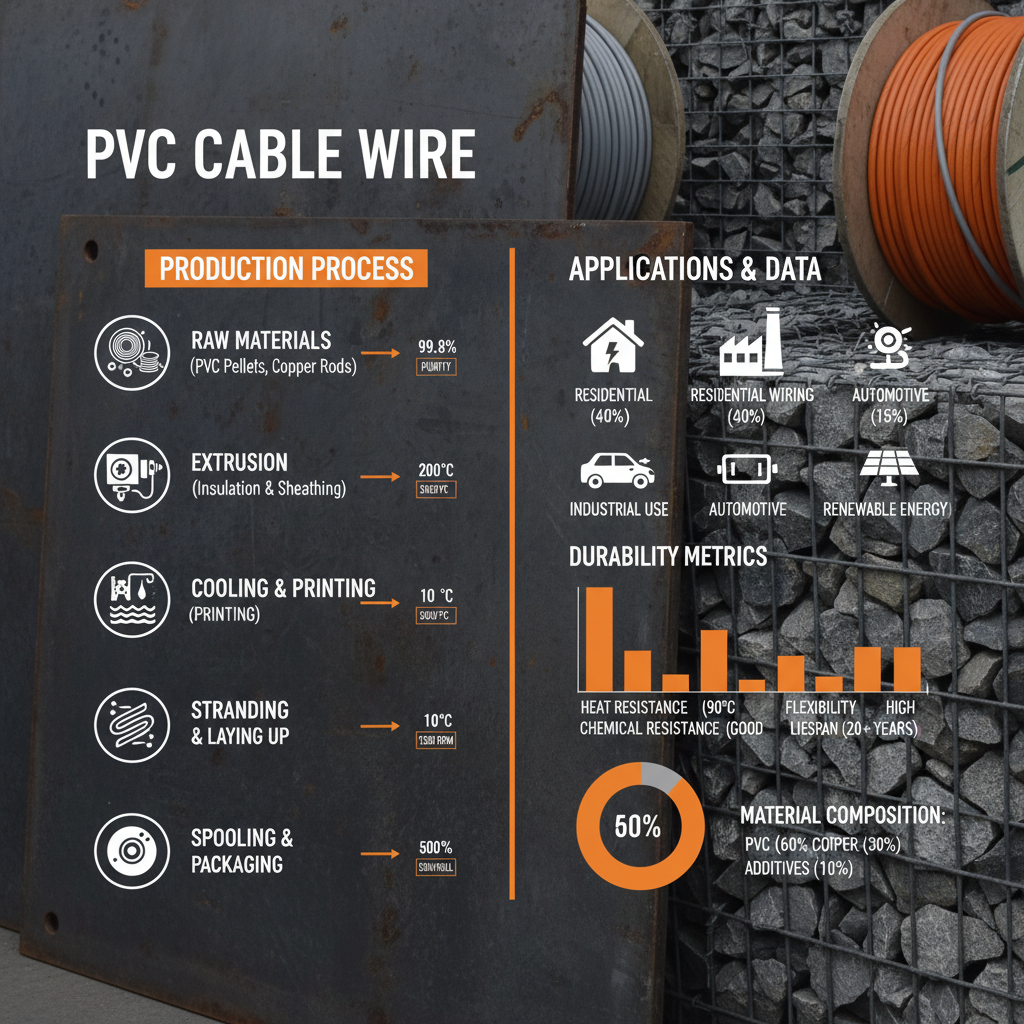
PVC Cable Wire Performance Metrics


Advantages and Long-Term Value

Cost savings are a primary benefit. The relative affordability of pvc cable wire translates into lower project budgets, making it an attractive option for developers and consumers alike. This is especially crucial in large-scale infrastructure projects where material costs can significantly impact overall expenses.

Enhanced safety is another key advantage. The robust insulation provided by PVC minimizes the risk of electrical shocks and fires, protecting both people and property. Compliance with relevant safety standards and regulations is a critical consideration, and PVC cable wire readily meets these requirements.

Future Trends in PVC Cable Wire Technology

Research and development efforts are focused on enhancing the sustainability of PVC cable wire. This includes exploring bio-based PVC alternatives, reducing the use of harmful additives, and improving recyclability. These innovations aim to minimize the environmental impact of PVC production and disposal.

Smart cabling systems, incorporating sensors and data analytics, are emerging as a trend. These systems can monitor cable health, detect faults, and optimize energy efficiency. The integration of smart technologies into PVC cable wire has the potential to revolutionize electrical infrastructure management.

Increased demand for high-performance PVC cable wire designed for renewable energy applications, such as solar farms and wind turbines, is anticipated. These applications require cables that can withstand harsh environmental conditions and deliver reliable power transmission.

Challenges and Sustainable Solutions

One significant challenge is the environmental impact of PVC production and disposal. Traditional PVC manufacturing processes can release harmful pollutants, and the material’s non-biodegradable nature poses a waste management problem.

Sustainable solutions include developing bio-based PVC alternatives derived from renewable resources, improving recycling infrastructure, and implementing closed-loop manufacturing systems. These efforts aim to reduce the carbon footprint of PVC cable wire and promote a circular economy.

Another challenge is maintaining fire safety while minimizing the use of halogenated flame retardants, which can have environmental and health concerns. Innovative flame retardant technologies that are both effective and environmentally benign are actively being researched and developed.

Overview of Key Considerations for PVC Cable Wire Sustainability

Material Sourcing Manufacturing Process End-of-Life Management Regulatory Compliance
Use of bio-based PVC alternatives Reduction of VOC emissions Enhanced recyclability of PVC components Compliance with RoHS and REACH regulations
Sustainable sourcing of additives Implementation of closed-loop systems Development of effective PVC recycling technologies Adherence to international safety standards
Minimizing the use of phthalates Energy efficiency improvements in production Creation of take-back programs for used cables Certification to environmental management systems
Responsible sourcing of copper/aluminum Waste reduction and material reuse Promotion of extended producer responsibility Compliance with local environmental regulations
Assessment of carbon footprint Water conservation measures Development of biodegradable alternatives Transparency in supply chain management
Supply chain traceability Implementation of Life Cycle Assessment (LCA) Partnerships for responsible disposal Continuous improvement in sustainability performance

FAQS

What are the main advantages of using PVC cable wire over other materials?

PVC cable wire offers a compelling combination of cost-effectiveness, durability, and excellent electrical insulation properties. Compared to alternatives like rubber or XLPE, PVC is often more affordable without compromising on essential performance characteristics. It also boasts good resistance to abrasion, moisture, and chemicals, making it suitable for a wide range of applications. These factors contribute to its widespread adoption in residential, commercial, and industrial settings.

How does the temperature rating affect the performance of PVC cable wire?

The temperature rating of pvc cable wire dictates the maximum operating temperature it can withstand without degradation. Exceeding this temperature can compromise the insulation’s integrity, increasing the risk of short circuits and fire hazards. Selecting a wire with an appropriate temperature rating for the intended application is crucial for ensuring long-term reliability and safety. Different PVC formulations offer varying temperature tolerances, so it's essential to consult the manufacturer’s specifications.

Is PVC cable wire environmentally friendly, and what are the concerns?

Traditional PVC production and disposal present environmental challenges due to the use of chlorine and the material’s non-biodegradable nature. However, ongoing innovations are addressing these concerns. These include the development of bio-based PVC alternatives, improved recycling technologies, and efforts to reduce harmful additives. While PVC isn't inherently 'green,' advancements are making it a more sustainable option, and responsible sourcing and disposal practices are key.

What safety standards apply to PVC cable wire?

PVC cable wire must adhere to stringent safety standards set by organizations like the IEC, UL, and national regulatory bodies. These standards cover aspects such as flammability, insulation resistance, and mechanical strength. Compliance ensures the wire meets minimum performance requirements and minimizes the risk of electrical hazards. Look for cables bearing certifications from reputable testing laboratories to guarantee adherence to these standards.

What is the lifespan of typical PVC cable wire installations?

The lifespan of pvc cable wire installations varies depending on environmental conditions, load factors, and installation quality. However, with proper installation and maintenance, PVC cable wire can reliably serve for 20-30 years, or even longer. Regular inspections are recommended to identify any signs of degradation, such as cracking, brittleness, or discoloration, and to address potential issues proactively.

How does PVC cable wire perform in outdoor applications?

PVC cable wire can be used in outdoor applications, but it's crucial to select a UV-resistant formulation. Prolonged exposure to sunlight can cause the PVC to degrade, leading to cracking and reduced insulation properties. UV-resistant PVC contains additives that protect against the harmful effects of ultraviolet radiation, extending the wire’s service life in outdoor environments. Furthermore, consider the potential for moisture ingress and select appropriate waterproofing measures.

Conclusion

In conclusion, PVC cable wire remains a cornerstone of modern electrical systems, providing a reliable, cost-effective, and versatile solution for a vast array of applications. Its inherent properties, coupled with ongoing innovations focused on sustainability and performance, ensure its continued relevance in the evolving energy landscape. From powering our homes and businesses to supporting critical infrastructure, PVC cable wire plays a vital role in facilitating modern life.

Looking ahead, the future of PVC cable wire lies in embracing sustainable practices, exploring innovative materials, and integrating smart technologies. By addressing environmental concerns, enhancing performance characteristics, and optimizing lifecycle management, the industry can ensure the long-term viability and responsible use of this essential material. For dependable, high-quality pvc cable wire solutions, visit our website: www.wiremeshpro.com

David Miller

David Miller

David Miller is the Head of International Sales at Anping Shengsen Wire Mesh Products Co., Ltd. With over 15 years of experience in the metal products industry, David is responsible for expanding the company’s reach into new global markets, particularly in North and South America. He joined Shengsen in 2018,
Previous Comprehensive Guide to PVC Electric Wire Applications and Manufacturing
Next Quality PVC Automotive Wire for Reliable Vehicle Performance and Safety