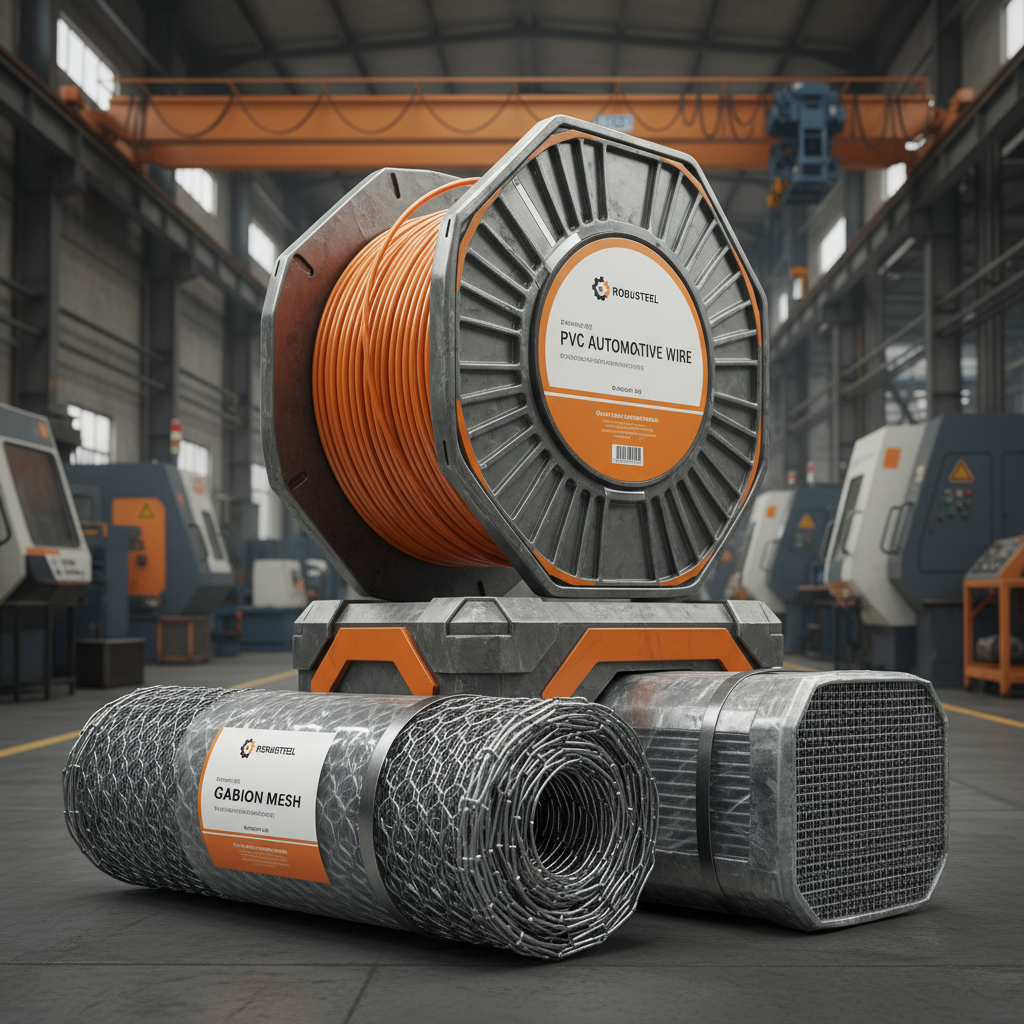
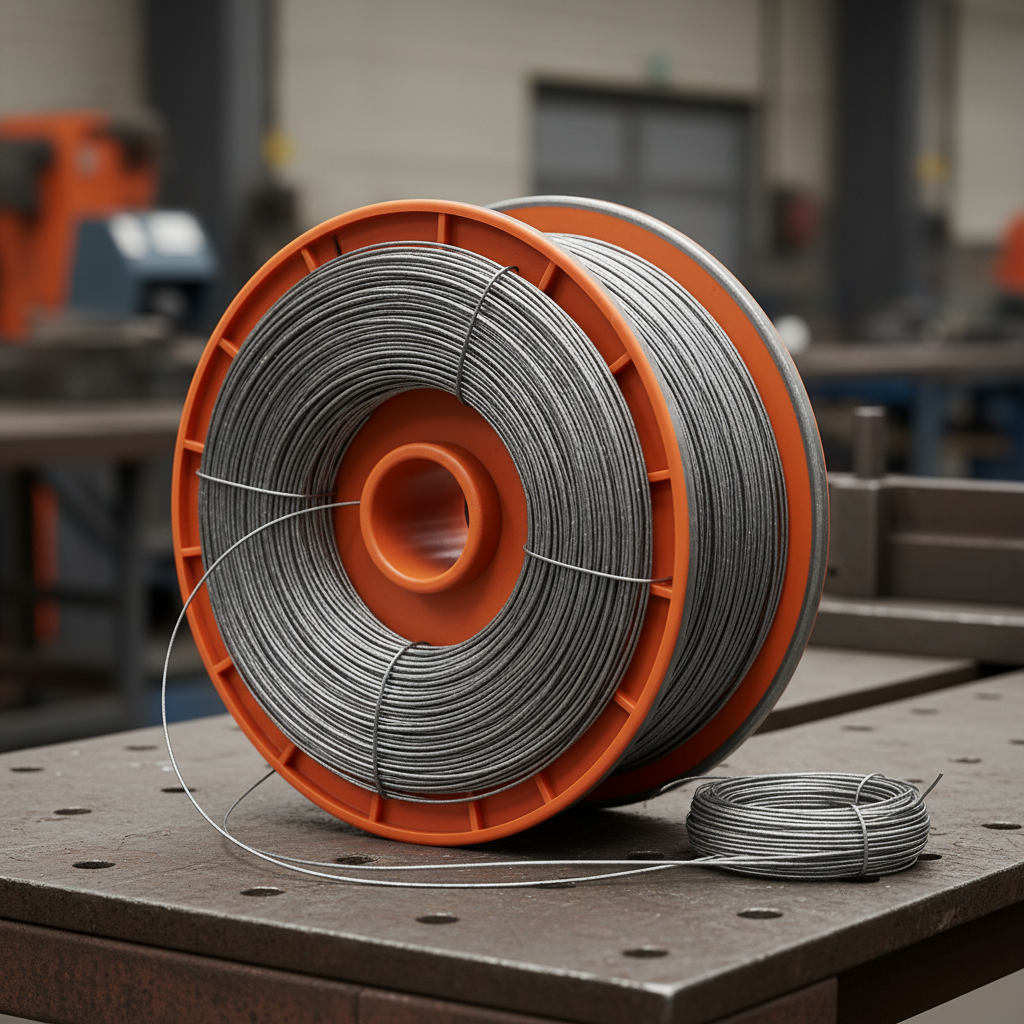
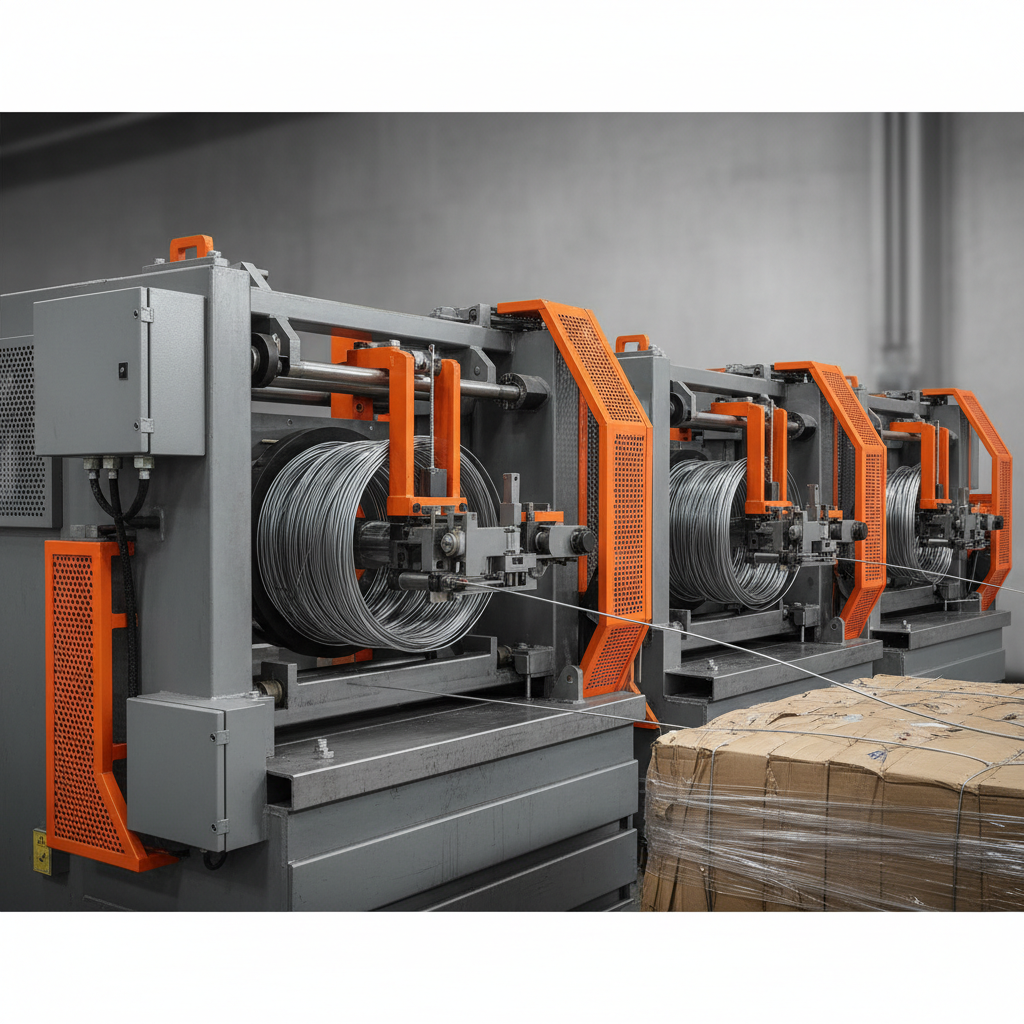
Look, I’ve been on construction sites for fifteen years, and you quickly learn what actually works. It's not always the fanciest, most high-tech solution; it’s the stuff that holds up, day in and day out, no matter the conditions. And when it comes to wiring, especially in automotive applications, you need something reliable. That’s where quality pvc automotive wire comes in. It’s not glamorous, but it’s the backbone of modern vehicles, and it's a huge part of keeping everything running safely and efficiently. We’re talking about everything from the headlights to the engine control unit – all reliant on a consistent, protected electrical connection.
I’ve seen too many jobs held up by faulty wiring, shorts, and corrosion. Cheap wire might save a few bucks upfront, but it’ll cost you tenfold in downtime and repairs. pvc automotive wire isn’t just about meeting specs; it’s about long-term durability and reducing the headache of constantly chasing electrical issues. This isn't a component you want to compromise on.
The increasing complexity of automotive systems – think electric vehicles, advanced driver-assistance systems (ADAS), and all the sensors they rely on – demands a wiring solution that can handle higher currents, withstand extreme temperatures, and resist abrasion. It's not just about making the car go; it's about making it safe and reliable for years to come. And that’s why I push for quality pvc automotive wire on every project.
The Importance of Automotive Wiring
Automotive wiring isn’t something most people think about until something goes wrong. But think about it: a modern car has more electrical components than a small house did twenty years ago. Everything from the power windows to the anti-lock brakes, the infotainment system to the engine management, relies on a complex network of wires to function. That’s why the integrity of that wiring system is paramount.
We're seeing a massive shift with EVs, too. The power demands are exponentially higher, and the wiring must be able to handle it. You can’t just throw in standard wire and expect it to perform reliably. This is where specialized pvc automotive wire, designed for high-voltage and demanding applications, becomes absolutely crucial.
Understanding PVC Automotive Wire
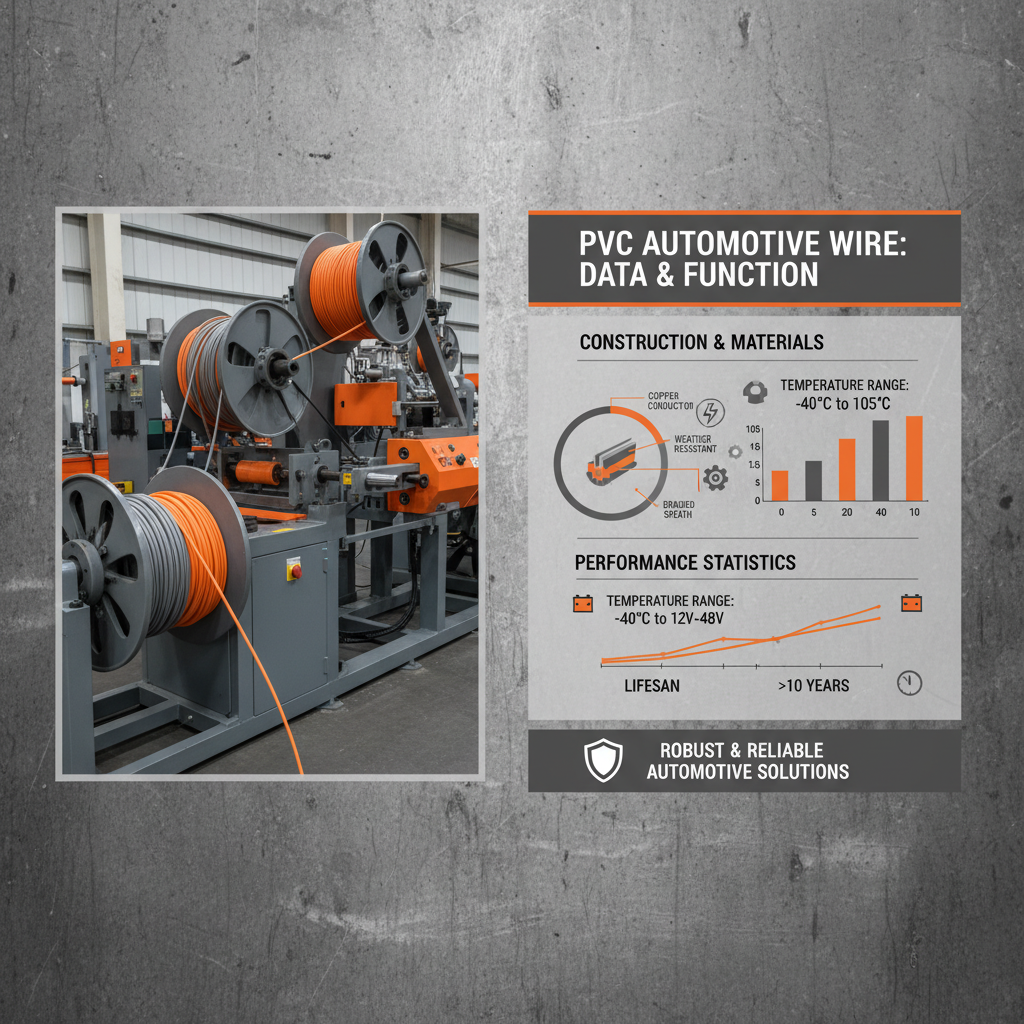
pvc automotive wire, in its simplest form, is electrical wire with a Polyvinyl Chloride (PVC) insulation coating. Now, PVC isn’t fancy, but it's incredibly versatile and cost-effective. It provides good electrical insulation, protects the wire from abrasion and moisture, and is relatively easy to work with. The ‘automotive’ designation means it’s specifically engineered to meet the rigorous demands of the automotive environment – things like temperature fluctuations, exposure to fluids, and constant vibration.
But it's not just about the PVC. The conductor itself – typically copper or tinned copper – is vital. Tinned copper is especially important in automotive applications because it resists corrosion much better than bare copper, which extends the lifespan of the wiring significantly.
Essentially, pvc automotive wire provides a safe and reliable pathway for electrical current, allowing all the critical systems in a vehicle to operate seamlessly. It’s a basic component, but it's absolutely fundamental to how cars function.
Key Properties of Quality PVC Automotive Wire
There are a few things I look for when assessing pvc automotive wire. First, temperature rating is huge. Under the hood, things get hot. Really hot. The wire needs to withstand those temperatures without its insulation breaking down. Second, flexibility. A wire that’s too stiff is a nightmare to route and can easily crack or break during installation.
Third, abrasion resistance. Wiring harnesses are often run through tight spaces and can rub against metal components. The insulation needs to be tough enough to withstand that constant friction. Finally, and this is critical, is chemical resistance. Cars are exposed to all sorts of fluids – oil, coolant, brake fluid, and more. The wire’s insulation needs to be able to withstand those exposures without degrading. This ensures long term reliability.
You’ll also see specifications for voltage rating and current carrying capacity. These need to be appropriate for the specific application. Don't skimp here – under-specifying can lead to overheating and potentially dangerous situations. Always refer to the vehicle manufacturer’s specifications.
Applications in Modern Automotive Systems
Let’s break down where you’ll find pvc automotive wire in a typical vehicle. The engine control unit (ECU) is a major hub, requiring a lot of wiring for sensors, actuators, and communication. The lighting system – headlights, taillights, turn signals – all need robust wiring to ensure reliable operation.
Inside the cabin, you’ve got the infotainment system, power windows, door locks, and the increasingly complex network of sensors for airbags and driver-assistance features. And don’t forget the charging system in electric vehicles, which requires high-voltage wiring capable of handling significant currents.
Even the seemingly simple things, like the wiring for the heated seats or the windshield wipers, rely on quality pvc automotive wire to function correctly. It's everywhere.
Advantages and Long-Term Value
Using quality pvc automotive wire isn't just about avoiding immediate breakdowns; it’s about reducing long-term costs. Think about the labor involved in diagnosing and repairing electrical issues. That adds up quickly. Reliable wiring minimizes those issues, saving time and money.
There’s also the safety aspect. Faulty wiring can lead to short circuits and even fires. Investing in quality wire is an investment in the safety of the vehicle and its occupants.
Future Trends and Innovations
We’re seeing a move towards thinner, lighter-weight wire, especially in electric vehicles, to reduce overall vehicle weight and improve efficiency. There's also a lot of research going into new insulation materials that offer even better temperature resistance and chemical resistance.
And with the increasing complexity of automotive systems, we’re going to see more sophisticated wiring harnesses with integrated sensors and communication capabilities. The industry is pushing for increased automation in wiring assembly, which will require even more precise and reliable wire.
Ultimately, the trend is towards smarter, more durable, and more efficient wiring solutions that can keep pace with the rapidly evolving automotive landscape.
Challenges and Solutions in Automotive Wiring
One of the biggest challenges is dealing with the increasing electromagnetic interference (EMI) in modern vehicles. All those electronic devices create a lot of noise, which can disrupt the signals in the wiring. Shielded pvc automotive wire helps mitigate this, but it adds cost and complexity.
Another challenge is the increasing demand for flexibility in wiring harnesses. Vehicles are becoming more complex in shape, and wiring needs to be routed through tight spaces. This requires wire with a high degree of flexibility without sacrificing durability.
The solution lies in ongoing material science innovation and smarter design. We need wire that's both robust and flexible, and wiring harness designs that minimize stress and strain on the wires themselves.
Core Analysis of Challenges and Solutions for Automotive Wiring
| Challenge Area |
Severity (1-10) |
Potential Solution |
Implementation Cost (1-10) |
| Electromagnetic Interference (EMI) |
8 |
Shielded pvc automotive wire, Optimized Grounding |
6 |
| Wiring Harness Flexibility |
7 |
Advanced Polymer Insulation, Optimized Routing |
5 |
| Temperature Extremes |
9 |
High-Temperature PVC Compounds, Silicone Insulation |
7 |
| Chemical Exposure |
6 |
Chemically Resistant PVC Formulations, Protective Sleeving |
4 |
| Increased Current Demands (EVs) |
10 |
Larger Gauge Wire, Improved Conductor Materials |
8 |
| Wiring Harness Complexity |
7 |
Modular Harness Designs, Automated Assembly |
9 |
FAQS
The lifespan of pvc automotive wire can vary greatly depending on environmental factors like temperature, humidity, and exposure to chemicals. However, with proper installation and maintenance, you can generally expect it to last the lifetime of the vehicle – typically 10-15 years. Using tinned copper conductor can extend this even further, as it’s more resistant to corrosion. Regular inspections can also help identify potential issues before they become major problems.
Extreme temperatures – both hot and cold – can significantly impact the performance of pvc automotive wire. High temperatures can cause the PVC insulation to become brittle and crack, leading to shorts and failures. Cold temperatures can make the wire more susceptible to bending and breaking. It's crucial to select wire with a temperature rating that matches the operating conditions of the application.
Automotive-grade PVC is formulated to withstand the harsh conditions found in vehicles. It’s more resistant to temperature fluctuations, abrasion, chemicals (like oil and fuel), and UV exposure than standard PVC. This makes it far more durable and reliable in the long run, preventing failures that could lead to costly repairs or even accidents.
Absolutely not. Regular electrical wire is not designed to withstand the demanding conditions of the automotive environment. It lacks the necessary heat resistance, chemical resistance, and abrasion resistance, and is likely to fail prematurely. Using the wrong type of wire can create a serious safety hazard. Always use pvc automotive wire specifically designed for automotive applications.
Wire gauge refers to the thickness of the wire. Lower numbers indicate thicker wire, which can carry more current. Choosing the right gauge is critical to prevent overheating and ensure safe operation. Consult the vehicle's wiring diagrams or a qualified technician to determine the appropriate wire gauge for each application. Never use a wire that is too thin for the intended current load.
Tinned copper wire is copper wire coated with a layer of tin. This coating provides excellent corrosion resistance, which is especially important in the harsh automotive environment where wires are exposed to moisture, salt, and other corrosive substances. Tinned copper wire offers better long-term reliability compared to bare copper wire.
Conclusion
In the end, pvc automotive wire might not be the most glamorous component in a vehicle, but it’s undeniably one of the most crucial. Its reliability directly impacts safety, performance, and long-term cost of ownership. Choosing quality wire, designed for the automotive environment, is a fundamental step in building a dependable and durable vehicle.
Looking ahead, innovation in materials and wiring harness design will continue to drive improvements in automotive electrical systems. As vehicles become more complex and electrified, the demands on wiring will only increase. Investing in high-quality pvc automotive wire, and staying informed about the latest advancements, is essential for anyone involved in automotive manufacturing, repair, or maintenance. Visit our website at www.wiremeshpro.com to learn more about our automotive wiring solutions.

 Phone:
 Email: