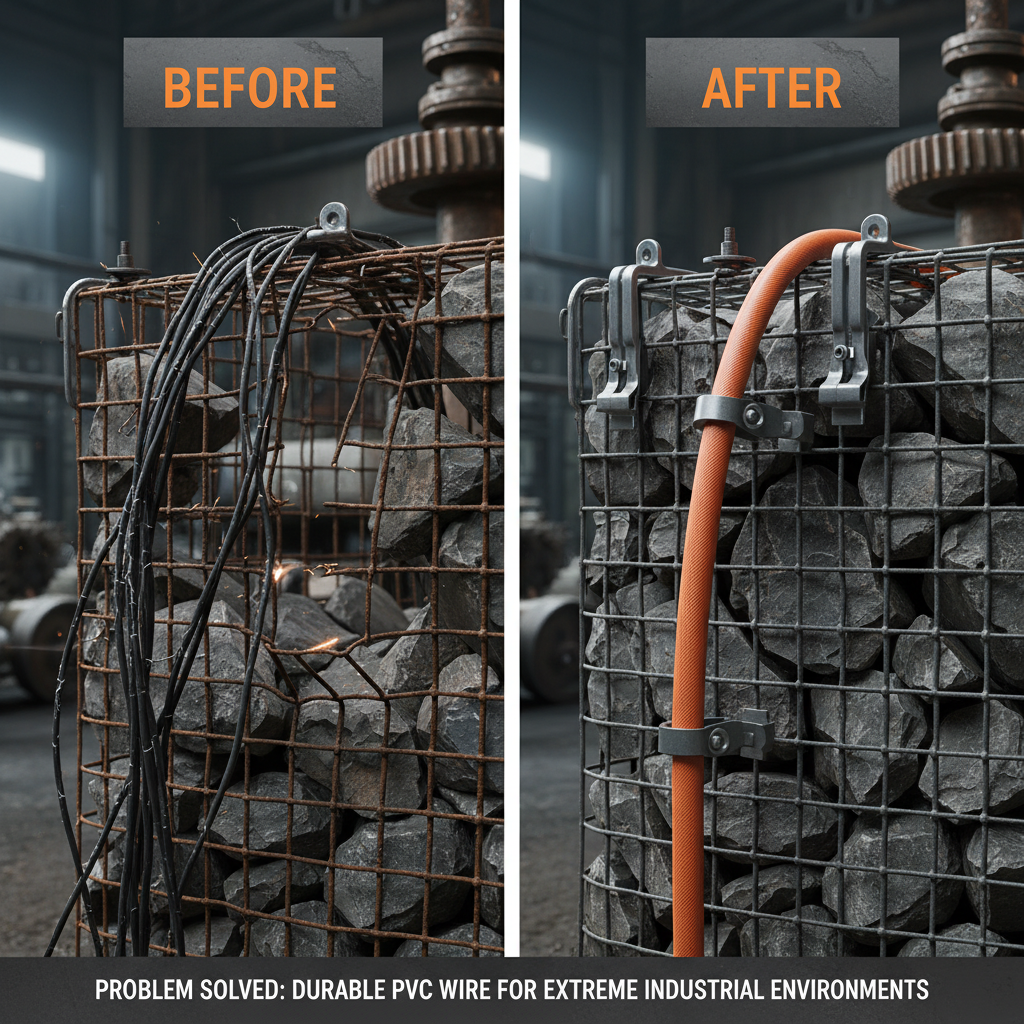
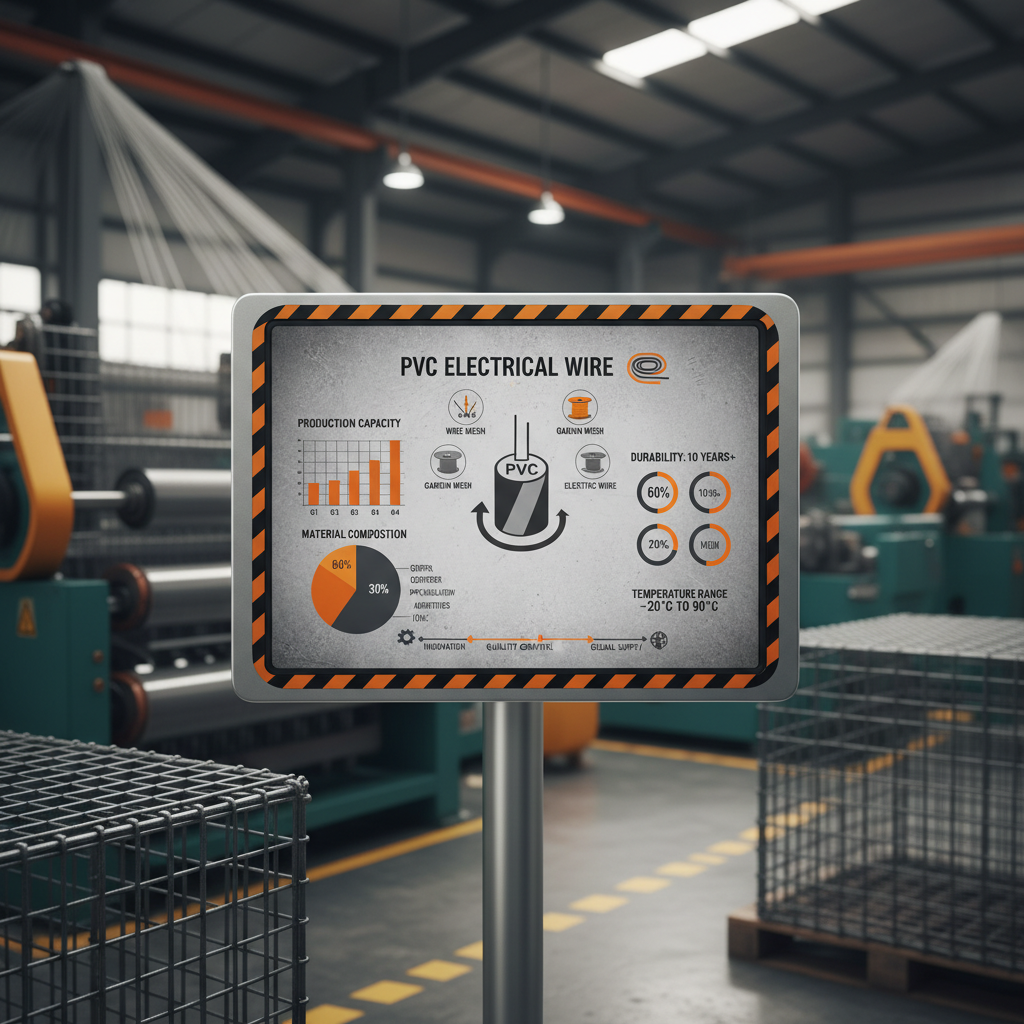
PVC electric wire is a versatile and crucial component in modern electrical systems, providing safe and reliable conductivity for a vast array of applications. Its widespread use is driven by its excellent insulation properties, flexibility, and cost-effectiveness, making it a staple in construction, infrastructure, and consumer electronics. Understanding its specifications and appropriate application is paramount for ensuring electrical safety and optimal performance.
Globally, the demand for PVC electric wire continues to rise, fueled by urbanization, infrastructure development in emerging economies, and the increasing electrification of various sectors. This demand necessitates consistent quality control, adherence to international safety standards (such as IEC and UL), and a focus on sustainable manufacturing practices. The importance of robust and reliable electrical infrastructure, dependent on quality pvc electric wire, cannot be overstated.
At its core, pvc electric wire consists of a conductive metal core, typically copper or aluminum, encased in a protective layer of polyvinyl chloride (PVC). This combination provides electrical insulation, resistance to environmental factors, and mechanical protection, ensuring long-term operational integrity. This simple yet effective design is integral to the functioning of countless devices and systems.
The Fundamental Properties of PVC Electric Wire
The core properties of pvc electric wire – namely its electrical resistance, tensile strength, and dielectric strength – dictate its suitability for various applications. These properties are directly influenced by the quality of the copper or aluminum conductor, the thickness and composition of the PVC insulation, and the manufacturing process itself. A thorough understanding of these characteristics is crucial for engineers and technicians.
Furthermore, the flexibility of pvc electric wire is a significant advantage. This characteristic simplifies installation in confined spaces and reduces the risk of damage during handling. The level of flexibility is achieved through the addition of plasticizers to the PVC compound, allowing for bending and twisting without compromising the wire’s integrity.
The Global Landscape of PVC Electric Wire Manufacturing
The global market for pvc electric wire is dominated by several key manufacturing hubs, including China, India, and Southeast Asian countries. These regions benefit from lower labor costs and access to raw materials, resulting in competitive pricing. However, quality control and adherence to international standards can vary significantly between manufacturers.
The increasing demand from developing economies, particularly in Africa and South America, is driving expansion in manufacturing capacity. Simultaneously, there is a growing focus on sustainable manufacturing practices, with manufacturers investing in technologies to reduce waste and minimize environmental impact. The shift towards eco-friendly pvc electric wire is a crucial trend.
Regulatory frameworks, such as those established by the International Electrotechnical Commission (IEC) and Underwriters Laboratories (UL), play a critical role in ensuring product safety and performance. Compliance with these standards is often a prerequisite for accessing certain markets, creating a level playing field for manufacturers worldwide.
Defining PVC Electric Wire: Standards and Specifications
The term “pvc electric wire” encompasses a broad range of products, each defined by specific standards and specifications. These include wire gauge (AWG or mm²), voltage rating, temperature rating, and flame retardancy. Understanding these parameters is essential for selecting the correct wire for a given application.
Key standards governing pvc electric wire include IEC 60228 (conductors), IEC 60332 (flame propagation), and UL 83 (thermoplastic-insulated wires and cables). These standards outline testing procedures and performance criteria to ensure product safety and reliability. Adherence to these standards is a critical element in maintaining market access.
Variations in PVC formulation also impact wire properties. Different plasticizers and stabilizers are used to tailor the wire's flexibility, temperature resistance, and UV stability. Selecting the appropriate PVC compound is a critical aspect of wire design.
Key Performance Indicators for PVC Electric Wire
Assessing the performance of pvc electric wire involves evaluating several key indicators. These include its current carrying capacity (ampacity), dielectric strength, tensile strength, elongation at break, and flame retardancy. Each indicator provides valuable insight into the wire's ability to withstand various stresses and operating conditions.
Regular testing and quality control are crucial for ensuring consistent performance. Manufacturers employ a range of testing methods, including insulation resistance tests, conductor resistance tests, and flame tests, to verify compliance with relevant standards.
Comparative Performance of PVC Electric Wire Insulation Types
Applications of PVC Electric Wire Across Industries
pvc electric wire finds applications in a remarkably diverse range of industries. In construction, it's utilized for building wiring, powering lighting systems, and connecting electrical appliances. Its flexibility and durability make it ideal for both residential and commercial projects.
The automotive industry relies heavily on pvc electric wire for wiring harnesses, connecting sensors, and powering various vehicle systems. The wire must withstand vibration, temperature fluctuations, and exposure to fluids. In industrial settings, it’s used in control systems, power distribution, and machinery wiring.
Advantages and Economic Considerations of PVC Electric Wire
The primary advantage of pvc electric wire lies in its cost-effectiveness. PVC is a relatively inexpensive material, making the wire an affordable solution for a wide range of applications. Coupled with its excellent insulation properties and ease of installation, this makes it a popular choice for both large-scale projects and individual consumers.
Furthermore, the long-term reliability of properly installed pvc electric wire contributes to reduced maintenance costs and downtime. Its resistance to corrosion and moisture ensures consistent performance over an extended lifespan.
From an environmental perspective, the recyclability of PVC is gaining increasing attention. Ongoing research and development efforts are focused on improving PVC recycling technologies and promoting the use of recycled materials in wire manufacturing.
Future Trends and Challenges in PVC Electric Wire Technology
The future of pvc electric wire is being shaped by several key trends. The increasing demand for energy efficiency is driving the development of thinner, more conductive wires with improved insulation. Smart grid technologies and the proliferation of IoT devices are also creating demand for specialized wire solutions.
One significant challenge is the growing concern over the environmental impact of PVC. Research is focused on developing bio-based alternatives to PVC or improving the recyclability of existing PVC compounds. Sustainable manufacturing practices and responsible sourcing of raw materials are also becoming increasingly important.
Another emerging trend is the integration of sensors and communication capabilities into pvc electric wire, enabling real-time monitoring of electrical parameters and predictive maintenance. This “smart wire” technology has the potential to revolutionize power distribution systems.
Comparative Analysis of PVC Electric Wire Manufacturing Processes
| Manufacturing Process |
Production Cost (Scale 1-10) |
Product Quality (Scale 1-10) |
Environmental Impact (Scale 1-10, lower is better) |
| Extrusion with Crosshead Die |
6 |
8 |
5 |
| Vertical Take-Up Extrusion |
7 |
7 |
6 |
| Continuous Vulcanization |
8 |
9 |
4 |
| Dry Cure Process |
5 |
7 |
7 |
| Co-Extrusion Technology |
9 |
8.5 |
5.5 |
| Automated Reel Handling Systems |
7.5 |
7.5 |
6 |
FAQS
The typical lifespan of PVC electric wire under standard indoor conditions is 25-30 years, assuming proper installation and minimal exposure to extreme temperatures or physical damage. Factors such as wire gauge, voltage rating, and ambient humidity can influence the actual lifespan. Regular inspections are recommended to identify potential signs of degradation, such as cracking or discoloration of the PVC insulation.
Temperature significantly affects the performance of PVC electric wire. Exceeding the wire's temperature rating can lead to insulation breakdown, reducing its dielectric strength and increasing the risk of short circuits. Conversely, very low temperatures can cause the PVC to become brittle and prone to cracking. Maintaining operational temperatures within the specified range is crucial for ensuring safety and reliability.
When working with pvc electric wire, always disconnect the power supply before making any connections or repairs. Use insulated tools and wear appropriate personal protective equipment (PPE), such as gloves and safety glasses. Avoid bending or twisting the wire excessively, as this can damage the insulation. Never expose the wire to corrosive chemicals or direct sunlight for prolonged periods.
Prolonged exposure to ultraviolet (UV) radiation can degrade the PVC insulation, causing it to become brittle and cracked. This reduces its insulating properties and increases the risk of electrical hazards. For outdoor applications, it is essential to use UV-resistant pvc electric wire specifically designed to withstand UV exposure, or to provide physical shielding to protect the wire from direct sunlight.
Different PVC plasticizers impact wire flexibility, temperature resistance, and environmental safety. Phthalate plasticizers, while cost-effective, are facing increasing scrutiny due to potential health concerns. Alternatives like DINP and DOTP offer improved safety profiles but may have different performance characteristics. Choosing the appropriate plasticizer depends on the specific application requirements and regulatory constraints.
Yes, PVC electric wire can be recycled, but it presents several challenges. The presence of metal conductors and different PVC formulations complicates the recycling process. Specialized recycling facilities are required to separate the materials and recover valuable resources. Ongoing research focuses on developing more efficient and cost-effective PVC recycling technologies.
Conclusion
In summary, pvc electric wire remains an indispensable component of modern electrical infrastructure, offering a compelling combination of affordability, reliability, and versatility. Its widespread use is a testament to its inherent properties and the continuous advancements in manufacturing technology. Understanding its specifications, applications, and limitations is crucial for ensuring safe and efficient electrical systems.
Looking ahead, the industry will continue to focus on sustainability, innovation, and compliance with evolving safety standards. The development of eco-friendly PVC formulations, smart wire technologies, and improved recycling processes will shape the future of pvc electric wire. For all your PVC electric wire needs, visit our website at www.wiremeshpro.com.

 Phone:
 Email: