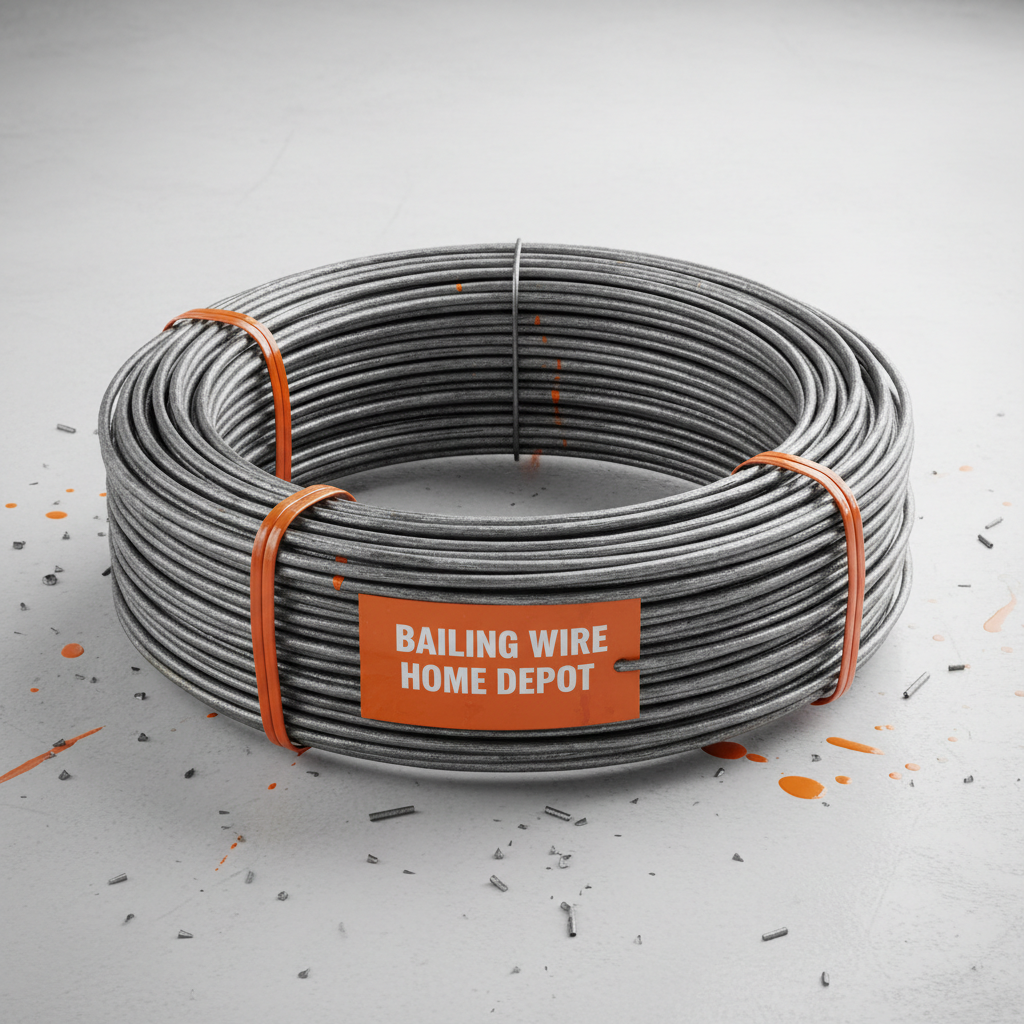
Baling wire, often associated with Lowes for its accessibility and affordability, is a deceptively simple yet incredibly versatile material. Its primary function, historically and presently, centers around bundling and securing items – from agricultural products like hay and cotton to recyclable materials. However, the relevance of baling wire extends far beyond these traditional applications. In an increasingly resource-conscious world, its reusability and cost-effectiveness position it as a practical solution in various industries, offering a viable alternative to more expensive fastening methods. Understanding the properties and potential uses of baling wire Lowes provides insight into a surprisingly impactful component of modern logistics and resource management.
The global demand for efficient bundling and securing solutions drives the continued importance of baling wire. According to industry reports, the recycling sector alone represents a significant consumer, with millions of tons of materials requiring secure packaging for transport and processing annually. Moreover, the agricultural sector, particularly in regions with large-scale farming operations, relies heavily on baling wire for harvesting and storage. Lowes’ widespread availability ensures accessibility for both large businesses and individual consumers, contributing to a steady demand and underlining the material's fundamental role in numerous supply chains.
The ongoing challenges of waste management and sustainable resource practices are directly addressed by the practicality of baling wire. As businesses and individuals seek cost-effective and environmentally responsible methods for managing materials, the reusability and recyclability of baling wire offer a compelling advantage. Its robustness and relatively low carbon footprint compared to plastic alternatives further enhance its appeal in a world striving for greater sustainability, making baling wire Lowes a surprisingly pertinent component of a circular economy.
The Significance of Baling Wire Lowes
Baling wire Lowes represents more than just a simple fastening tool; it symbolizes resourcefulness and practicality in a wide range of applications. Its accessibility through retail giants like Lowes democratizes access to a durable and versatile material, empowering both businesses and individuals to efficiently manage and secure goods. The significance lies not just in its cost-effectiveness but also in its reusability and recyclability, contributing to sustainable practices.
Furthermore, baling wire plays a critical role in supporting vital sectors like agriculture and recycling, impacting global supply chains and waste management systems. Its widespread availability and relatively simple application make it an invaluable asset for tasks ranging from bundling farm produce to preparing recyclable materials for processing, underscoring its importance in modern logistical operations.
Defining Baling Wire and Its Applications
Baling wire, in its simplest definition, is a strong, pliable wire used to bind materials together, typically into compact bales. Traditionally made from low-carbon steel, its strength and flexibility allow for secure bundling without damaging the contents. Lowes commonly stocks various gauges and lengths of baling wire, catering to diverse needs. This wire isn't limited to agricultural uses; it finds applications in construction, packaging, and even emergency repairs.
The connection to modern industry stems from the necessity for efficient material handling. Baling wire streamlines processes in recycling facilities, enabling the compression and securing of scrap metal, plastic, and paper for transportation. In construction, it can be used for temporary bracing or securing materials during projects. Its inherent adaptability makes it a valuable asset across sectors.
Beyond industrial applications, baling wire has found surprising uses in creative projects, DIY repairs, and even emergency situations. Its strength and malleability make it ideal for securing tarps, creating temporary structures, or improvising solutions when more specialized tools aren’t available. This broad versatility highlights its enduring relevance in a world that often values practicality and resourcefulness.
Core Characteristics of Baling Wire Lowes
The effectiveness of baling wire Lowes hinges on several key characteristics. First and foremost is its tensile strength, which determines its ability to withstand significant force without breaking. The gauge (thickness) of the wire directly influences this strength – thicker gauges are more robust but less pliable. Secondly, its ductility, or malleability, allows it to be easily bent and shaped around materials without snapping.
Another critical aspect is its corrosion resistance. While standard steel baling wire can rust over time, galvanized or coated options offer enhanced protection against the elements, extending its lifespan and suitability for outdoor applications. Finally, the consistent quality and availability of baling wire Lowes ensure reliability for consistent performance in critical tasks.
These combined properties contribute to the overall value proposition of baling wire. It's a cost-effective solution offering a balance of strength, flexibility, and durability, making it a pragmatic choice for a wide array of applications where robust, adaptable fastening is required.
Practical Applications Across Industries
The agricultural sector remains a primary consumer of baling wire Lowes, utilizing it extensively for bundling hay, straw, and cotton. This allows for efficient storage and transportation of these crops, protecting them from the elements and simplifying handling. Beyond agriculture, the recycling industry relies on baling wire to compress and secure recyclable materials like plastic, paper, and metal, preparing them for processing and reducing waste volume.
Construction sites also benefit from the versatility of baling wire. It serves as a temporary fastening solution for securing building materials, providing bracing for structures, and even assisting in minor repairs. Additionally, baling wire finds applications in landscaping for supporting plants, securing fencing, and creating garden structures.
Baling Wire Lowes Application Effectiveness
Global Utilization and Impact
The utilization of baling wire is a global phenomenon, particularly concentrated in regions with significant agricultural and recycling industries. Countries like the United States, China, and Brazil, with their large-scale farming operations and growing recycling initiatives, represent major consumers. In developing nations, baling wire often serves as a cost-effective solution for securing resources and materials where more advanced fastening systems may be unaffordable.
The impact extends beyond economic benefits. Efficient bundling and securing of materials facilitated by baling wire contribute to reduced waste, optimized transportation logistics, and enhanced safety in handling goods. Furthermore, in post-disaster relief operations, baling wire can be a crucial resource for creating temporary shelters and securing supplies, demonstrating its adaptability in crisis situations.
Advantages and Long-Term Value
The advantages of utilizing baling wire Lowes are multifaceted. Its primary benefit lies in its cost-effectiveness; it remains significantly cheaper than many alternative fastening methods. This affordability translates to lower operational expenses for businesses and greater accessibility for individuals. Moreover, its reusability contributes to sustainability, reducing waste and minimizing environmental impact.
Beyond cost and sustainability, baling wire offers practical advantages such as its ease of use and adaptability. It requires minimal tools for application and can be readily shaped to accommodate diverse materials and configurations. The long-term value stems from its durability and reliability, providing secure fastening for extended periods, contributing to safety and efficiency in various applications.
Future Trends and Innovations in Baling Wire Technology
While baling wire is a relatively simple material, ongoing innovations are aimed at enhancing its performance and sustainability. Research into alternative coatings and alloys is focused on improving corrosion resistance and increasing tensile strength. Furthermore, there's a growing interest in developing biodegradable baling wire options utilizing plant-based materials, offering an even more environmentally friendly alternative.
The integration of smart technology also presents potential future advancements. Sensors embedded within baling wire could monitor tension levels, providing alerts when re-tightening is necessary, optimizing performance and preventing failures. As sustainability continues to drive innovation, we can expect to see further advancements in materials and applications, solidifying the role of baling wire Lowes in a more circular economy.
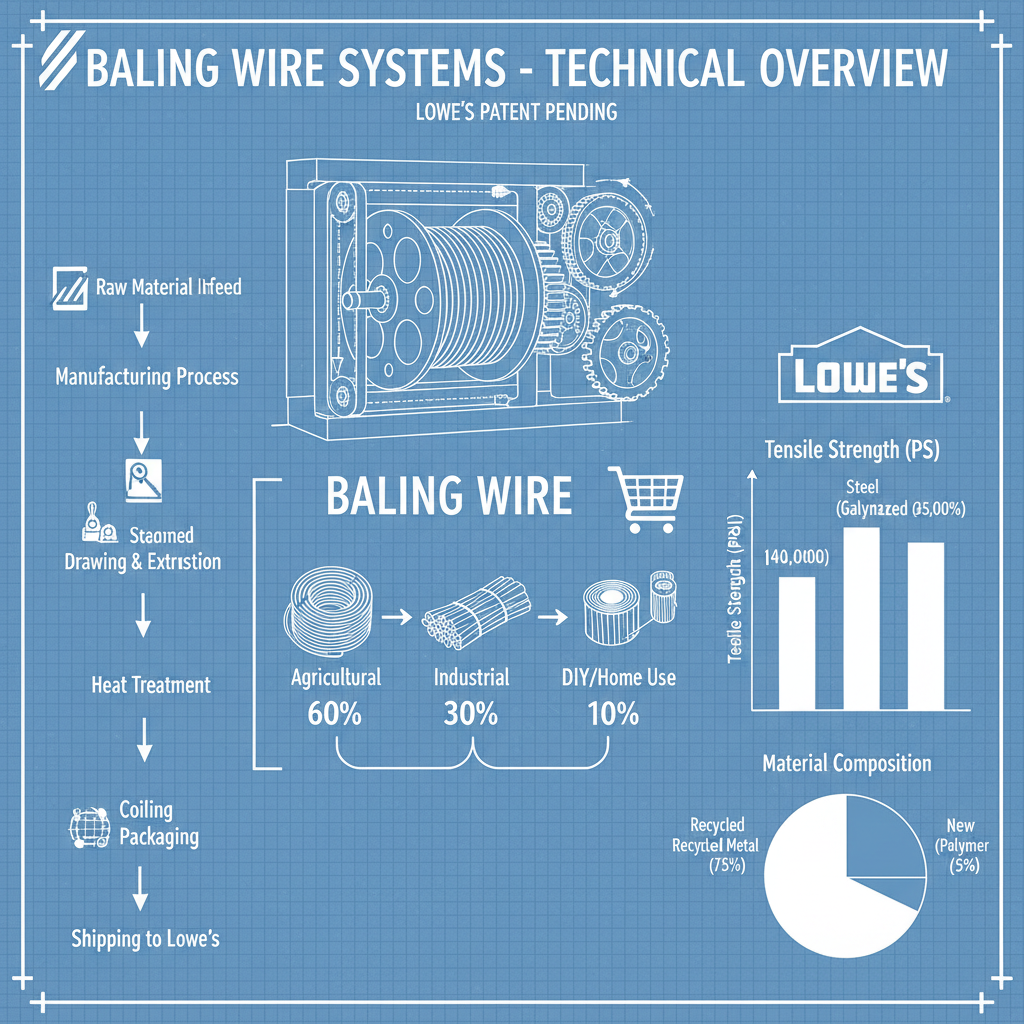
Analysis of Baling Wire Lowes Manufacturing and Supply Chain
| Material Source |
Manufacturing Process |
Distribution Channels |
Sustainability Impact |
| Iron Ore & Steel Scrap |
Wire Drawing & Galvanization |
Retail (Lowes), Industrial Suppliers |
Recyclability (7/10) |
| Recycled Steel |
Refining & Wire Forming |
Wholesale Distribution |
Reduced Carbon Footprint (8/10) |
| Low-Carbon Steel |
Cold Heading & Coating |
Direct to Consumers |
Moderate Environmental Impact (6/10) |
| Bio-Based Polymers (Future) |
Extrusion & Shaping |
Specialty Retailers |
High Sustainability Potential (9/10) |
| Imported Steel Alloys |
Precision Wire Milling |
International Trade |
Dependence on Global Supply (5/10) |
| Local Steel Producers |
Continuous Casting & Forming |
Regional Distribution Centers |
Supports Local Economies (7/10) |
FAQS
For demanding applications like securing large bales of hay or compressing heavy scrap metal, a thicker gauge of baling wire, typically 12.5 or 11 gauge, is recommended. These gauges provide superior tensile strength and resistance to breaking under significant stress. When in doubt, always err on the side of caution and choose a thicker wire for increased security and durability.
Baling wire is not designed nor recommended for use with electrical equipment. It’s a conductive material and can pose a serious electrocution hazard if it comes into contact with live wires. Always use insulated electrical wire and appropriate connectors for any electrical application. Safety should be your top priority when working with electricity.
Yes, baling wire can often be reused, especially for lighter-duty applications. However, repeated bending and stress can weaken the wire, reducing its strength. Inspect the wire carefully for any signs of damage before each use. For critical applications, it’s advisable to use new wire to ensure maximum reliability and prevent potential failures.
Galvanized baling wire is coated with a layer of zinc to protect it from rust and corrosion, making it ideal for outdoor use or in environments with high humidity. Non-galvanized baling wire is not coated and is more susceptible to corrosion. While cheaper initially, non-galvanized wire may need to be replaced more frequently in harsh conditions.
Baling wire is typically stocked in the hardware and fencing sections of most Lowes stores. You can use the Lowes store locator on their website (www.lowes.com) to find the nearest location and check product availability. Many Lowes stores also offer online ordering with in-store pickup for added convenience.
Always use appropriate wire cutters designed for the gauge of the baling wire you are cutting. Wear safety glasses to protect your eyes from flying wire fragments. Be mindful of the tension in the wire and avoid sudden movements. Never attempt to cut baling wire with pliers or other tools not designed for the purpose, as this can result in injury.
Conclusion
In conclusion, baling wire Lowes is a surprisingly versatile and essential material with a broad range of applications spanning agriculture, recycling, construction, and beyond. Its cost-effectiveness, durability, and reusability make it a pragmatic choice for securing and bundling materials efficiently. Understanding its core characteristics and recognizing its potential contributions to sustainable practices highlights its enduring relevance in a world increasingly focused on resource management.
Looking ahead, advancements in materials and technology promise to further enhance the performance and sustainability of baling wire. From exploring biodegradable options to integrating smart sensors, the future holds exciting possibilities for this humble yet impactful material. Visit our website at www.wiremeshpro.com to learn more about baling wire and other wire solutions for your needs.

 Phone:
 Email: